




 Chat Now
Outdoor full - color LED display screens have emerged as a dominant force in the realm of outdoor visual communication, revolutionizing the way information is presented and experiences are created in public spaces. Leveraging the combination of red, green, and blue (RGB) light - emitting diodes, these displays can generate an extensive spectrum of colors, enabling the vivid display of high - definition images, videos, and dynamic graphics. From towering digital billboards in bustling city centers to large - scale screens at sports stadiums and public events, outdoor full - color LED displays have become an essential part of modern urban landscapes and commercial activities.
The growth of the outdoor full - color LED display market can be attributed to several key factors. Technological advancements have significantly improved the performance of LED components, increasing their brightness, reducing power consumption, and extending their lifespan. This has made outdoor LED displays more reliable and cost - effective for long - term outdoor use. Additionally, the increasing demand for eye - catching and interactive advertising, as well as the need for effective public information dissemination, has driven the adoption of these displays across various industries.
In the advertising industry, outdoor full - color LED displays offer a powerful medium for brands to reach a wide audience. Their large size, high - resolution visuals, and ability to display dynamic content make them highly effective in capturing the attention of passers - by. In the entertainment and event sectors, these displays enhance the overall experience by providing immersive visual backdrops, live event coverage, and engaging multimedia content. Moreover, with the rise of smart city initiatives, outdoor LED displays are increasingly being used for public announcements, traffic information, and environmental monitoring, further expanding their market reach.
According to market research, the global outdoor LED display market has been growing steadily in recent years and is expected to continue its upward trend. Factors such as the increasing digitization of outdoor advertising, the growth of large - scale public events, and the development of emerging economies are contributing to the market's expansion.
The design and construction of outdoor full - color LED display screens are complex processes that require a comprehensive understanding of both technical and environmental considerations. The initial design phase begins with a detailed assessment of the intended application, including the location of the installation, the viewing distance of the audience, the environmental conditions, and the specific content requirements.
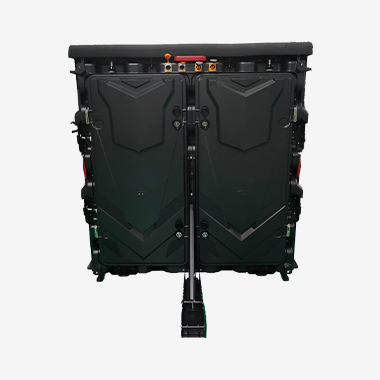
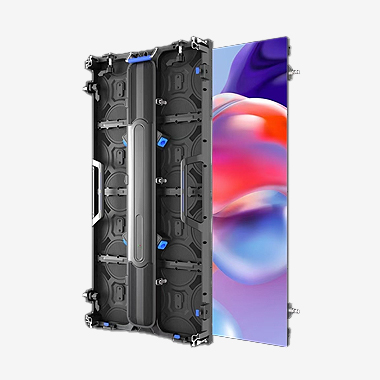
The structure of an outdoor full - color LED display screen typically consists of a robust frame, a reliable support system, and multiple LED modules. The frame, often constructed from durable materials like aluminum or steel, provides the necessary structural integrity to withstand harsh outdoor conditions, including strong winds, heavy rain, and extreme temperatures. For large - scale installations, additional support structures such as steel trusses or concrete foundations may be employed to ensure stability and safety.
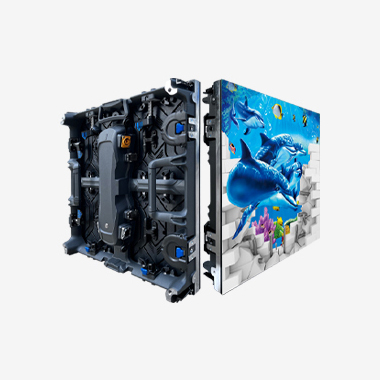
The LED modules are the core components of the display, each containing an array of RGB LEDs. These modules are carefully designed to have high brightness levels, ensuring that the display remains visible even in bright sunlight. The choice of pixel pitch is a critical design factor. A smaller pixel pitch results in a higher - resolution display, which is suitable for applications where the viewing distance is relatively close, such as in shopping malls or pedestrian areas. Conversely, a larger pixel pitch may be sufficient for applications with a greater viewing distance, like highway billboards.
In terms of the electrical system, outdoor full - color LED displays require a stable and efficient power supply. Specialized power management units are used to regulate the power input to the LED modules, ensuring consistent performance while minimizing energy consumption. Control systems, including media players and content management software, are integrated to manage the display of content. These systems allow for remote control and scheduling of the display, enabling easy updates and customization of the content.
The optical design of the screen focuses on optimizing light output and reducing glare. Anti - reflective and anti - UV coatings are commonly applied to the display surface to improve visibility in direct sunlight and protect the screen from long - term sun damage. Diffuser lenses may also be used to ensure uniform light distribution across the screen, enhancing the overall visual experience for viewers.
The working principles of outdoor full - color LED display screens are based on the fundamental properties of LEDs and the science of color mixing. When an electric current is applied to an RGB LED, the red, green, and blue semiconductor regions within the LED emit light at specific wavelengths corresponding to the primary colors of light. By varying the intensity of each of these primary colors, a vast range of colors can be created through a process known as additive color mixing.
To display an image or video on the LED screen, the digital content is first processed by a control system. The control system receives the video signal from a source, such as a computer, media server, or live camera feed. It then breaks down the video signal into individual frames and further into pixels. For each pixel on the screen, the control system calculates the appropriate intensity for the red, green, and blue LEDs based on the color information in the frame.
The control system then sends electrical signals to the LED modules, instructing them to adjust the brightness of the red, green, and blue LEDs accordingly. These signals are transmitted at a high frequency, allowing the LEDs to rapidly change their state and create the desired image or video on the screen. The refresh rate of the LED display, which is the number of times the screen updates its image per second, is a crucial parameter. A higher refresh rate ensures smoother motion and reduces the appearance of flickering, which is especially important for displaying fast - moving content such as sports events or action - packed videos.
In addition to basic image and video display, modern outdoor full - color LED displays often support advanced features. These include real - time content updates, allowing for the integration of live news feeds, social media posts, or other real - time data. Some displays also support interactivity, enabling viewers to engage with the content through touchscreens or mobile devices, further enhancing the user experience.
Outdoor full - color LED display screens offer a multitude of advantages that have contributed to their widespread adoption. One of the most significant advantages is their high - impact visual appeal. With their ability to display bright, vivid colors, high - resolution images, and dynamic animations, these screens can effectively capture the attention of a large audience, even in busy and visually cluttered environments. This makes them an ideal choice for advertising, where the goal is to stand out and make a strong impression.
Another major advantage is their flexibility and versatility. Outdoor LED displays can be customized to fit a wide range of sizes and shapes, making them suitable for various installation locations, from small storefronts to large - scale building facades. They also support a variety of content formats, including videos, images, text, and live feeds, allowing for diverse and creative advertising and information dissemination strategies. Additionally, the ability to update the content remotely and in real - time provides advertisers and event organizers with the flexibility to adapt to changing circumstances and target specific audiences.
Energy efficiency is also a notable advantage of outdoor full - color LED displays. Compared to traditional outdoor display technologies such as neon signs or large - format printed billboards, LED displays consume significantly less energy. This not only reduces operating costs but also makes them more environmentally friendly. Moreover, LED displays have a longer lifespan, requiring less frequent maintenance and replacement, which further contributes to cost savings over the long term.
However, outdoor full - color LED display screens also face several challenges. One of the main challenges is the high initial investment cost. The purchase, installation, and setup of a large - scale outdoor LED display can be quite expensive, especially for high - resolution models with advanced features. This cost can be a significant barrier for small and medium - sized businesses or organizations with limited budgets.
Maintenance is another challenge. Outdoor LED displays are exposed to harsh environmental conditions, which can cause damage to the screen and its components over time. Regular cleaning, calibration, and repair of faulty LED modules are necessary to ensure the continued operation of the display. Additionally, the integration of the LED display with other systems, such as content management systems or control networks, can be complex and may require specialized technical expertise.
Environmental factors also pose a threat to the performance and lifespan of outdoor LED displays. Exposure to sunlight, rain, dust, and extreme temperatures can lead to degradation of the screen materials, affect the performance of the LEDs, and cause electrical components to malfunction. Special protective measures, such as waterproof enclosures, temperature - controlled cabinets, and regular inspections, are required to mitigate these risks.
The applications of outdoor full - color LED display screens are diverse and far - reaching. In the advertising industry, they are used for digital billboards, storefront displays, and promotional signage. These displays can showcase product advertisements, brand messages, and special offers, effectively reaching a wide audience and driving consumer engagement. In the entertainment industry, outdoor LED displays are used at concerts, sports events, and festivals to provide live event coverage, create immersive visual backdrops, and enhance the overall atmosphere.
In the public sector, outdoor LED displays are increasingly being used for public information dissemination. They can display traffic updates, weather forecasts, emergency alerts, and other important announcements, helping to keep the public informed and safe. Additionally, in the context of smart city initiatives, these displays can be integrated with other urban systems to provide real - time data on various aspects of city life, such as energy consumption, environmental quality, and public transportation.
Looking to the future, the outdoor full - color LED display screen industry is expected to witness several exciting trends. One of the major trends is the continued development of higher - resolution displays. As consumers become more accustomed to high - definition visuals, there will be an increasing demand for LED screens with even higher resolutions, such as 8K and beyond, to deliver more detailed and immersive visual experiences.
The integration of advanced technologies such as artificial intelligence (AI), the Internet of Things (IoT), and augmented reality (AR) is also set to transform the industry. AI - powered algorithms can be used to analyze viewer behavior and preferences, enabling more targeted and personalized advertising. IoT integration will allow for remote monitoring and management of LED displays, improving operational efficiency and reducing maintenance costs. AR technology can be used to create interactive and immersive experiences, blurring the line between the digital and physical worlds.
Another trend is the development of more energy - efficient and sustainable LED display solutions. As environmental concerns become more prominent, there will be a growing demand for LED displays that consume less power and are made from more sustainable materials. Additionally, the use of renewable energy sources, such as solar power, to operate outdoor LED displays is likely to become more widespread.
Conclusion
In conclusion, outdoor full - color LED display screens have become an essential part of modern outdoor visual communication, offering a powerful and versatile solution for advertising, entertainment, and public information dissemination. Their high - impact visual appeal, flexibility, and energy efficiency make them a valuable asset in various industries.
However, challenges such as high initial cost, maintenance requirements, and environmental factors need to be addressed. As technology continues to evolve, we can expect to see significant advancements in outdoor full - color LED display technology. The future holds great promise, with the development of higher - resolution, more intelligent, and more sustainable displays that will further enhance the way we communicate and interact with the outdoor environment. Whether it's for promoting a brand, entertaining an audience, or informing the public, outdoor full - color LED display screens will continue to play a crucial role in shaping the future of outdoor visual media.


Copyright © 2026 Shenzhen Cogo Technology Co.,Ltd.
All Rights Reserved

 Previous article