




 Chat Now
Large advertising full color LED display signage refers to oversized digital display systems specifically designed for high-visibility advertising, leveraging light-emitting diodes (LEDs) to deliver vivid, dynamic full-color content. Unlike small or medium-sized LED signs used for indoor information or retail displays, these large-scale systems typically measure tens or even hundreds of square meters, making them ideal for high-traffic public areas like city centers, highways, stadium perimeters, and shopping mall exteriors—spaces where maximizing brand exposure and audience reach is critical.
At their core, these signage systems rely on RGB (red, green, blue) LED pixels, with each pixel combining the three primary colors to produce millions of hues, ensuring ads, videos, and graphics are visually striking even from long distances. A key distinguishing feature is their pixel pitch, which for large advertising displays usually ranges from 6mm to 30mm: larger pitches (16mm–30mm) are common for highway billboards (viewed from hundreds of meters away), while smaller pitches (6mm–12mm) suit urban locations where viewers are closer (e.g., downtown building facades).
In recent decades, the adoption of large advertising full color LED displays has soared due to their unmatched ability to capture attention. Their high brightness (often 6,000–10,000 nits) ensures visibility in direct sunlight, a critical advantage over traditional static billboards. Additionally, they support real-time content updates via digital content management systems (CMS), allowing advertisers to switch ads, promote time-sensitive offers, or align campaigns with events—flexibility that static billboards cannot match. These systems also boast a long lifespan (50,000–80,000 operating hours) and low energy consumption relative to their size, making them a cost-effective long-term solution for brands aiming to dominate high-visibility advertising spaces.
The design and construction of large advertising full color LED display signage demand rigorous planning to balance size, durability, visual performance, and compliance with safety standards—critical factors given their outdoor placement and massive scale.
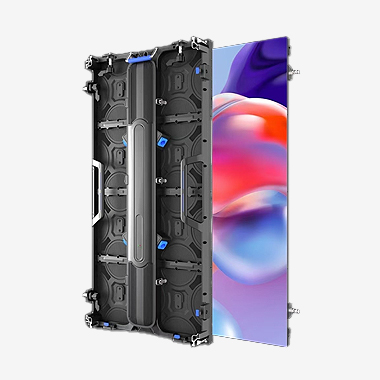
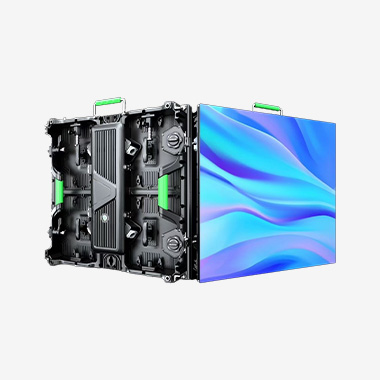
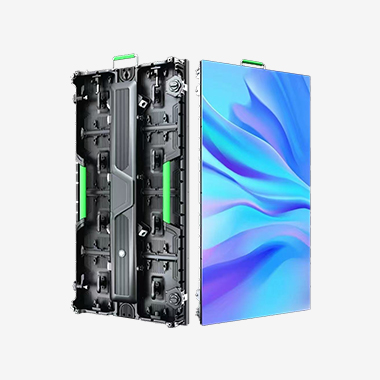
The process starts with pixel and module design, tailored to the intended viewing distance. For large displays, pixels are arranged in standardized modules (e.g., 64x64 pixels) that can be tiled to form the final size. Each module contains RGB LEDs, driver ICs (to regulate current and ensure uniform brightness), and a circuit board. For outdoor use, LEDs are encapsulated in weather-resistant materials (e.g., epoxy resin) to protect against moisture and dust. The pixel pitch is carefully selected: a 20mm pitch works for highway billboards (viewed from 100+ meters), while a 10mm pitch is better for urban facades (viewers 20–50 meters away).
Next comes structural engineering—a make-or-break aspect for large displays. The supporting frame, often made of high-strength steel or aluminum, must withstand wind loads (critical for building-mounted or free-standing displays), seismic activity (in earthquake-prone regions), and the weight of the LED modules (which can exceed 50kg per square meter). For building-mounted displays, engineers conduct load tests to ensure the structure can bear the additional weight without compromising the building’s integrity. Free-standing displays (e.g., highway billboards) require deep concrete foundations to anchor the frame.
Durability enhancements are non-negotiable for outdoor use. The entire display is enclosed in a waterproof, dustproof casing with an IP65 or higher rating. Thermal management is also critical: large displays generate significant heat, so they incorporate heat sinks (attached to LED modules) and axial fans (or in some cases, liquid cooling systems for extra-large displays) to prevent overheating, which can degrade LED performance. Indoor components like the control system—including sending cards (to process content) and receiver cards (to distribute signals to modules)—are housed in weatherproof cabinets, often equipped with temperature and humidity sensors to trigger cooling or dehumidification as needed.
The final stages include calibration and testing. After assembly, technicians calibrate brightness and color uniformity across the entire display (a challenge for large surfaces) using specialized software. They also conduct stress tests: wind tunnel tests to verify structural stability, water immersion tests to check waterproofing, and long-term operation tests to ensure consistent performance. Compliance with local regulations—such as light pollution limits (to avoid disturbing nearby residents) and height restrictions—is also verified before installation.
Large advertising full color LED display signage operates on the same core principles as smaller LED displays—additive color mixing and digital signal processing—but with adaptations to handle its massive size and outdoor environment.
At the heart of the system is additive color mixing: each pixel contains three LEDs (red, green, blue), the primary colors of light. By adjusting the intensity of each LED, the pixel can produce any color in the visible spectrum. For example, full intensity from all three LEDs creates white, while red and green combine to make yellow, and green and blue make cyan. This ability to generate millions of colors is what makes large LED displays so effective for advertising—they can replicate brand logos, product images, and videos with stunning accuracy.
The process begins with content input and processing. Advertisers upload content (videos, images, text) to a CMS, which sends the data to the display’s control system. The control system’s sending card processes this content, breaking it down into pixel-level data: for every pixel in the large display, it specifies the exact brightness (measured in milliamps) required for the red, green, and blue LEDs. Given the display’s size (which can have millions of pixels), the sending card uses high-speed data transmission (e.g., Ethernet) to avoid delays.
Next, the receiver cards (one per set of LED modules) receive the pixel data and distribute it to the driver ICs on each module. The driver ICs act as precision regulators, adjusting the current supplied to each LED based on the data. To ensure smooth, flicker-free content—critical for capturing and retaining viewer attention—large displays use PWM (Pulse Width Modulation) technology. PWM rapidly turns LEDs on and off (at frequencies of 1,000Hz or higher, imperceptible to the human eye); the length of the “on” pulse determines brightness (a longer pulse = brighter light).
Finally, the synchronization system ensures all pixels update simultaneously. For large displays, which may have hundreds of modules, synchronization prevents “ghosting” (blurred motion) or color mismatches across the screen. The control system refreshes the content at 60Hz or higher, ensuring fluid video playback—even for fast-moving ads (e.g., car commercials). Additionally, outdoor displays include light sensors that adjust brightness based on ambient light: dimming at night to reduce energy use and avoid light pollution, and brightening during the day to maintain visibility.
Large advertising full color LED display signage offers unique advantages for brands seeking high-impact visibility, but it also presents significant challenges related to cost, installation, and maintenance—factors that must be weighed when investing in these systems.
Advantages:
Unmatched Visibility and Engagement: With their large size (often covering entire building facades or highway billboards) and high brightness (6,000–10,000 nits), these displays stand out in crowded environments, capturing the attention of pedestrians, drivers, and passersby. Unlike static billboards, they support dynamic content—videos, animations, and real-time updates—which boosts engagement: studies show video ads on LED displays generate 3x more attention than static ads.
Flexibility and Campaign Agility: Via CMS, advertisers can update content in minutes—no need to print and install new billboards. This allows for time-sensitive campaigns (e.g., promoting a weekend sale), aligning ads with events (e.g., displaying sports scores during a game), or A/B testing different ad creatives. For global brands, content can even be localized (e.g., displaying ads in multiple languages in tourist-heavy areas).
Cost-Effectiveness Over Time: While upfront costs are high, large LED displays have a long lifespan (50,000–80,000 hours, or 5–8 years of continuous use) and low energy consumption (far less than neon signs or projection systems of similar size). They also eliminate recurring costs associated with static billboards (e.g., printing, installation, and disposal of old ads), making them cheaper in the long run for brands with long-term advertising goals.
Brand Prestige: Associating a brand with a large, high-tech LED display in a prime location (e.g., Times Square, downtown Tokyo) enhances brand image, signaling innovation and market leadership.
Challenges:
High Upfront Costs: The cost of a large advertising LED display can range from \(50,000 to \)500,000+ depending on size and pixel pitch. This includes not just the LED modules, but also structural engineering, installation, and control systems—creating a barrier for small-to-medium businesses.
Complex Installation and Permits: Installing a large display requires specialized equipment (e.g., cranes for building-mounted systems) and compliance with local regulations (e.g., zoning laws, height restrictions, light pollution limits). Securing permits can take months, and delays can increase costs.
Maintenance Demands: While lifespan is long, large displays require regular maintenance. Outdoor exposure leads to dust accumulation (which dims brightness) and wear on components (e.g., driver ICs failing due to heat). Repairs are costly: replacing a single module on a high-rise display requires scaffolding or cranes, and technical expertise is needed to calibrate color uniformity across the large surface.
Environmental Vulnerability: Extreme weather—high winds, heavy rain, or extreme temperatures—can damage the display. Even with IP65 ratings, water leakage or wind damage can cause system failures, leading to downtime (costly for advertisers paying for ad space).
Large advertising full color LED display signage has become a staple in high-visibility advertising, with applications spanning urban, transportation, and entertainment spaces. As technology advances, new trends are set to expand its capabilities and reach.
Key Applications:
Urban Outdoor Advertising: The most common application, these displays adorn the facades of skyscrapers, shopping malls, and downtown plazas—locations with high foot and vehicle traffic. Examples include the LED screens in New York’s Times Square or Shanghai’s Nanjing Road, where brands like Coca-Cola and Apple showcase dynamic ads to millions daily. These displays are often part of “digital billboard networks,” allowing advertisers to book space across multiple locations for national campaigns.
Highway and Transportation Hubs: Large LED displays along highways (often 10–20 meters wide) target commuters and long-distance drivers. They display short, impactful ads (e.g., fast-food chains, car brands) that are easy to read at high speeds. Airports and train stations also use large displays—for example, the LED screen at London Heathrow’s Terminal 5—to advertise travel services, luxury brands, or local attractions to travelers.
Stadium and Event Venues: Sports stadiums (e.g., the Dallas Cowboys’ AT&T Stadium) and concert venues use large LED displays as “jumbotrons” or perimeter screens. While primarily for game stats or performance visuals, they also serve advertising purposes—brands sponsor the screens to reach thousands of attendees, with ads often tailored to the event (e.g., sports drinks during a football game).
Tourist and Entertainment Districts: Areas like Las Vegas Boulevard or Tokyo’s Shibuya Crossing use large LED displays to create immersive environments. These displays not only advertise casinos, hotels, or shows but also enhance the tourist experience—for example, Las Vegas’s “Fremont Street Experience” uses a 1,500-foot-long LED canopy to display synchronized light shows alongside ads.
Future Trends:
Ultra-High Resolution and Transparency: Advances in micro-LED technology will enable smaller pixel pitches (3mm–5mm) for large displays, delivering 4K or 8K resolution—making ads even more detailed. Transparent LED displays (which allow light to pass through) will also become more common, used on storefront windows or building glass facades to maintain visibility of the interior while displaying ads.
Data-Driven and Interactive Advertising: Large LED displays will integrate with IoT (Internet of Things) devices to deliver personalized ads. For example, a display near a mall could use foot traffic data to show ads for busy stores, or a highway display could use weather data to promote rain gear during storms. Interactive features—like touchscreens (for pedestrian-friendly areas) or gesture recognition—will also grow, allowing viewers to engage with ads (e.g., customizing a car on a display).
Sustainability Innovations: Manufacturers will focus on eco-friendly designs, such as using recycled materials for frames, energy-efficient LEDs (with lower power consumption), and solar panels to power outdoor displays. Some displays may also incorporate energy-storing batteries to reduce reliance on the grid.
Augmented Reality (AR) Integration: Brands will use AR to blur the line between physical and digital ads. For example, a large display could show an AR ad where a product “interacts” with the surrounding environment—like a soda can “pouring” into a nearby fountain—creating a memorable, shareable experience that drives social media engagement.
Conclusion
Large advertising full color LED display signage has redefined outdoor advertising, transforming static, one-dimensional billboards into dynamic, high-impact communication tools that dominate high-visibility spaces. Its ability to deliver vivid, real-time content—combined with durability, long lifespan, and flexibility—has made it the go-to choice for brands aiming to capture attention in crowded urban, transportation, and entertainment environments.
Throughout this series, we’ve explored the core of these systems: the overview highlighted their size, pixel pitch, and role in modern advertising; the design and construction section emphasized the criticality of structural engineering and weather resistance for outdoor use; the working principles broke down how additive color mixing and PWM technology create seamless, engaging content; the advantages and challenges section weighed their visibility and flexibility against high costs and maintenance demands; and the applications and future trends section showcased their current uses and upcoming innovations like AR and sustainability.
As technology evolves, large advertising full color LED displays will become even more integral to the advertising landscape. Ultra-high resolution, data-driven personalization, and AR integration will make ads more immersive and effective, while sustainability innovations will address environmental concerns. While challenges like upfront costs and maintenance remain, the long-term value—for brands seeking to build awareness, engage audiences, and stand out in a noisy market—cannot be overstated.
In summary, large advertising full color LED display signage is more than just a billboard: it’s a dynamic, future-forward platform that bridges technology and marketing. For brands looking to make a lasting impression in high-visibility spaces, it represents an investment in visibility, flexibility, and brand prestige—one that will continue to deliver returns as advertising becomes increasingly digital and immersive.


Copyright © 2026 Shenzhen Cogo Technology Co.,Ltd.
All Rights Reserved

 Previous article