




 Chat Now
In the ever - evolving landscape of advertising, large RGB LED display screens have emerged as a dominant force, revolutionizing the way brands communicate with their audiences. These vibrant, high - resolution displays have transformed traditional advertising methods, offering unparalleled visual impact and engagement in both indoor and outdoor settings. As urban areas become more digitized and consumer attention spans shrink, large RGB LED screens have become a crucial tool for advertisers seeking to cut through the noise and make a lasting impression.
The rise of large RGB LED display screens in advertising can be attributed to several key factors. Technological advancements have significantly improved the quality, brightness, and energy efficiency of LED displays, making them more suitable for 24/7 operation in high - traffic areas. The ability to display dynamic, high - definition content in a wide range of colors and with exceptional clarity has made these screens highly effective at capturing the attention of passersby. Additionally, the flexibility of LED displays, allowing for easy content updates and customization, aligns perfectly with the fast - paced nature of modern advertising campaigns.
The global market for large RGB LED display screens in advertising is experiencing robust growth. According to industry reports, factors such as the increasing adoption of digital signage in cities, the growth of out - of - home (OOH) advertising, and the expansion of retail and commercial spaces are driving market expansion. Advertisers are increasingly investing in large - scale LED displays to enhance brand visibility, promote products and services, and create immersive brand experiences for consumers.
The design and construction of large RGB LED display screens for advertising are complex processes that require a combination of engineering expertise and creative vision. The initial design phase begins with a thorough assessment of the advertising campaign's objectives, target audience, and the specific location where the screen will be installed. This information is crucial for determining the optimal size, resolution, and shape of the display.
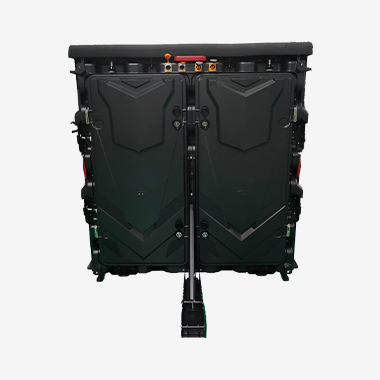
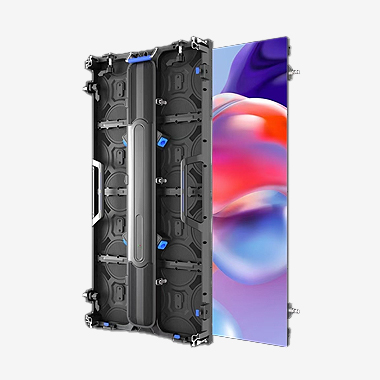
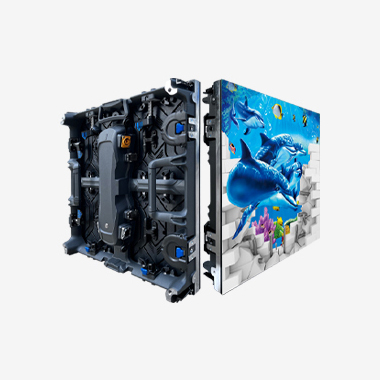
The structure of a large RGB LED display screen typically consists of a sturdy frame, support system, and LED modules. The frame, often made of aluminum or steel, provides the necessary structural integrity to support the weight of the LED modules and withstand environmental factors such as wind, rain, and temperature fluctuations. For outdoor installations, additional reinforcement may be required to ensure the screen remains stable in adverse weather conditions.
The LED modules are the core components of the display, each containing an array of red, green, and blue LEDs. These modules are carefully arranged in a matrix pattern to form the display surface. The choice of pixel pitch is a critical design consideration. A smaller pixel pitch results in a higher - resolution display, which is ideal for applications where viewers will be relatively close to the screen, such as in shopping malls or transit stations. For large - scale outdoor billboards, a larger pixel pitch may be sufficient, as the viewing distance is typically greater.
In terms of the electrical system, large RGB LED display screens require a reliable and efficient power supply to ensure continuous operation. Specialized power management systems are used to regulate the flow of electricity to the LED modules, minimizing energy consumption while maintaining optimal brightness and color performance. Control systems, including media players and content management software, are integrated to enable seamless playback of advertising content and remote management of the display.
The optical design of the screen focuses on maximizing light output and minimizing glare. Anti - reflective coatings and diffuser lenses are often used to improve the visibility of the display in different lighting conditions, ensuring that the advertising content can be clearly seen during both daytime and nighttime.
The working principles of large RGB LED display screens for advertising are based on the fundamental properties of LEDs and the science of color mixing. When an electric current is applied to an RGB LED, the red, green, and blue semiconductor regions within the LED emit light at specific wavelengths corresponding to the primary colors of light. By varying the intensity of each of these primary colors, a vast range of colors can be created through a process known as additive color mixing.
To display an image or video on the LED screen, the digital content is first processed by a control system. This system breaks down the content into individual pixels and sends electrical signals to the corresponding LED modules. Each LED module contains a group of RGB LEDs, and the control system precisely controls the current flowing through each LED to adjust its brightness and color. This coordinated operation of millions of LEDs across the display surface results in the formation of the desired image or video.
The refresh rate of the LED display is an important parameter that affects the smoothness of the displayed content. A higher refresh rate ensures that fast - moving images and videos appear fluid and without any noticeable flickering or ghosting. Modern large RGB LED display screens for advertising typically have a refresh rate of at least 60 Hz, although some high - end models can achieve refresh rates of up to 240 Hz or more, providing an even more immersive viewing experience.
In addition to basic image and video display, large RGB LED screens can also support advanced features such as interactive advertising. Through the integration of sensors, touchscreens, or augmented reality (AR) technologies, advertisers can create interactive experiences that engage consumers on a deeper level, allowing them to interact with the advertising content in real - time.
Large RGB LED display screens for advertising offer numerous advantages that have made them a preferred choice for advertisers worldwide. One of the most significant advantages is their high - impact visual appeal. With their bright, vivid colors, high contrast ratios, and large - scale display capabilities, these screens can effectively capture the attention of a wide audience, even in busy urban environments. The ability to display dynamic content, such as videos, animations, and real - time data, further enhances the engagement factor, making the advertising message more memorable.
Another major advantage is the flexibility and versatility of large RGB LED display screens. Advertisers can easily update and customize the content displayed on the screens to suit different marketing campaigns, target specific demographics, or promote time - sensitive offers. This flexibility allows for a more targeted and effective advertising strategy, maximizing the return on investment. Additionally, LED displays can be installed in a variety of locations, from outdoor billboards and building facades to indoor shopping malls and transit stations, providing advertisers with a wide range of options for reaching their target audience.
Energy efficiency is also a notable advantage of large RGB LED display screens. Compared to traditional advertising methods such as neon signs or printed billboards, LED displays consume significantly less energy, resulting in lower operating costs and a reduced environmental impact. Moreover, LED displays have a longer lifespan, requiring less frequent maintenance and replacement, which further contributes to cost savings over the long term.
However, large RGB LED display screens for advertising also face several challenges. One of the main challenges is the high initial investment cost. The purchase, installation, and setup of a large - scale LED display can be quite expensive, especially for high - resolution models with advanced features. This cost can be a barrier for some small and medium - sized businesses or advertisers with limited budgets.
Another challenge is the need for regular maintenance and technical support. Like any electronic device, LED displays can experience issues such as dead pixels, malfunctioning LED modules, or electrical failures. Ensuring the continuous operation of the display requires regular maintenance, calibration, and prompt repair of any technical problems. Additionally, the integration of the display with content management systems and other digital infrastructure can be complex, requiring specialized technical expertise.
Environmental factors also pose a challenge for outdoor large RGB LED display screens. Exposure to sunlight, rain, dust, and extreme temperatures can cause degradation of the screen materials and affect the performance of the LEDs over time. Special protective measures, such as waterproof enclosures, UV - resistant coatings, and temperature - controlled environments, are required to protect the display and ensure its longevity.
The applications of large RGB LED display screens in advertising are diverse and far - reaching. In urban areas, these screens are commonly used for outdoor billboards, building - wrapped displays, and digital signage in high - traffic locations such as city centers, shopping districts, and transportation hubs. They are used to promote a wide range of products and services, from consumer goods and fashion brands to entertainment events and tourism destinations.
In retail environments, large RGB LED display screens play a crucial role in attracting customers and enhancing the in - store shopping experience. They can be used to display product information, promotional videos, and interactive displays, helping to drive foot traffic and increase sales. In addition, LED displays are increasingly being used in the hospitality industry, such as in hotels, restaurants, and resorts, to promote amenities, events, and special offers.
Looking to the future, the large RGB LED display screen industry for advertising is expected to witness several exciting trends. One of the major trends is the continued development of higher - resolution displays. As consumers become more accustomed to high - definition visuals, advertisers will demand LED screens with even higher resolutions, such as 8K and beyond, to deliver more detailed and immersive advertising experiences.
The integration of advanced technologies such as artificial intelligence (AI), machine learning (ML), and the Internet of Things (IoT) is also set to transform the advertising industry. AI - powered algorithms can analyze consumer behavior and preferences in real - time, enabling advertisers to deliver personalized and targeted advertising content. IoT integration will allow for remote monitoring and management of LED displays, improving operational efficiency and reducing maintenance costs.
The trend towards flexible and transparent LED displays is also likely to gain momentum in the advertising sector. Flexible LED screens can be bent, curved, or shaped to fit unique architectural designs, opening up new possibilities for creative and eye - catching advertising installations. Transparent LED displays, on the other hand, can be used in window displays, glass facades, and other transparent surfaces, providing a more seamless and integrated advertising experience.
Conclusion
In conclusion, large RGB LED display screens have become an essential tool in the modern advertising landscape, offering unparalleled visual impact, flexibility, and energy efficiency. Their ability to capture the attention of audiences, display dynamic content, and be customized for different advertising campaigns has made them a powerful asset for brands seeking to stand out in a competitive market.
However, the high initial investment cost, maintenance requirements, and environmental challenges associated with these displays need to be carefully addressed. As technology continues to evolve, we can expect to see further advancements in large RGB LED display technology, with the development of higher - resolution, more intelligent, and more versatile displays. These advancements will not only enhance the effectiveness of advertising campaigns but also open up new opportunities for creative and innovative advertising strategies, shaping the future of the advertising industry.


Copyright © 2026 Shenzhen Cogo Technology Co.,Ltd.
All Rights Reserved

 Previous article