




 Chat Now
In the modern landscape of conferences, large LED visual signage has emerged as an indispensable and transformative element, revolutionizing the way information is presented, shared, and experienced within conference environments. These large - scale LED displays, with their impressive size and advanced technological capabilities, serve as powerful communication tools that enhance the overall conference experience for organizers, speakers, and attendees alike.
The primary significance of large LED visual signage in conferences lies in its ability to command attention and effectively convey information. In a large conference hall filled with numerous participants, these signage solutions stand out with their bright, high - resolution displays, ensuring that every piece of content, whether it's a keynote presentation, a panel discussion, or important announcements, is clearly visible to the entire audience. Unlike traditional projection systems or smaller displays, large LED signage can deliver sharp, vivid, and consistent visuals, eliminating issues such as blurriness, shadows, or uneven lighting that may occur with other display methods.
One of the key advantages of large LED visual signage is its flexibility in content presentation. Conference organizers can showcase a wide variety of materials, including high - definition videos, detailed slideshows, live camera feeds, and real - time data visualizations. This versatility allows for seamless transitions between different segments of the conference, from opening ceremonies and keynote speeches to breakout sessions and networking events. For example, during a business conference, the LED signage can display company overviews, product demonstrations, and market analysis data in a visually engaging manner, helping attendees better understand complex business concepts and strategies.
Interactivity is another notable benefit of large LED visual signage in conferences. With the integration of advanced technologies such as touch - screen interfaces, QR codes, or mobile app connectivity, attendees can actively engage with the content displayed on the signage. They can access additional resources, submit questions or feedback, participate in live polls and surveys, or even interact with virtual elements presented on the display. This interactivity not only enriches the learning experience but also promotes active participation and collaboration among conference attendees, creating a more dynamic and engaging atmosphere.
Large LED visual signage also plays a crucial role in branding and event promotion. Conference organizers can use the signage to prominently display the conference logo, sponsors' branding, and event - specific graphics, reinforcing the brand identity and creating a cohesive visual experience throughout the venue. By showcasing sponsors' logos and messages on the large - scale displays, it also provides valuable exposure and marketing opportunities for sponsors, enhancing the overall value of the conference sponsorship package.
In addition, large LED visual signage offers practical advantages in terms of durability and reliability. Built with robust materials and advanced engineering techniques, these displays are designed to withstand the rigors of continuous use during multi - day conferences. They can operate smoothly under various environmental conditions within the conference venue, such as different lighting levels and room temperatures, ensuring that the visual display remains consistent and of high quality throughout the event.
Overall, large LED visual signage has become an essential component of modern conferences, combining attention - grabbing visuals, content flexibility, interactivity, branding opportunities, and reliability to create a more engaging, informative, and professional conference experience for all involved.
The design and construction of large LED visual signage for conferences is a complex and comprehensive process that requires a careful balance of technological expertise, creative design, and engineering precision to meet the specific requirements of different conference settings and objectives.
Component Selection
At the heart of large LED visual signage are the LED panels, and the selection of these panels is a critical decision that significantly impacts the overall performance and visual quality of the signage. High - quality LED chips form the foundation of the panels. When choosing LED chips, several key factors are considered. Brightness is of utmost importance, as the signage needs to be clearly visible even in well - lit conference halls with ambient lighting. LED chips with high - intensity output ensure that the displayed content stands out and can be easily seen from all corners of the conference venue.
Color accuracy is another vital aspect. The LED chips should be capable of reproducing a wide range of colors with high fidelity, enabling the accurate representation of logos, images, and videos. A wide color gamut ensures that the visuals on the signage look vibrant and true - to - life, enhancing the overall aesthetic appeal. Additionally, a broad viewing angle is essential to ensure that attendees sitting at different positions in the conference hall can enjoy consistent and clear visuals without any color distortion or loss of image quality.
The pixel pitch of the LED panels is a crucial consideration based on the size of the conference hall and the typical viewing distances of the attendees. For larger conference venues where the audience is seated further away from the signage, a slightly larger pixel pitch, such as 3mm - 6mm, can be used to achieve a cost - effective solution while still maintaining acceptable visual clarity. In smaller, more intimate conference rooms with closer viewing distances, panels with a smaller pixel pitch, ranging from 1.2mm - 3mm, are preferred to ensure sharp and detailed images, especially when displaying text - heavy content or intricate graphics.
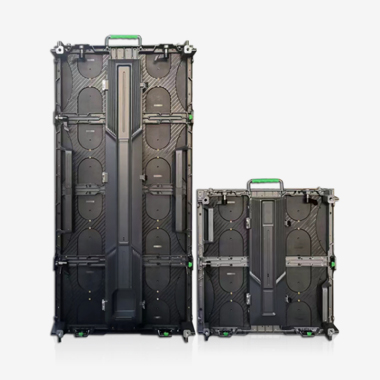
The enclosure of the LED panels is designed to protect the internal components from potential damage during transportation, installation, and the course of the conference. Durable materials like aluminum alloy or high - strength steel are commonly used due to their strength and ability to withstand physical impacts. The enclosures are sealed to prevent the ingress of dust and moisture, which could otherwise affect the performance and lifespan of the LED components. They also incorporate efficient heat - dissipation mechanisms, such as heat sinks or ventilation systems, to manage the heat generated by the LED panels during continuous operation, ensuring stable and reliable performance over extended periods.
The control system of the large LED visual signage is a sophisticated combination of a video processor, a controller, and signal transmission devices. The video processor is responsible for receiving, processing, and optimizing the input video signals from various sources, including laptops, media servers, or live cameras. It can perform functions such as scaling, cropping, and color correction to ensure that the content is displayed in the best possible quality on the LED panels. The controller manages the communication between the video processor and the LED panels, sending precise control signals to adjust the brightness, color, and refresh rate of each individual LED. High - speed and reliable signal transmission cables, such as HDMI, SDI, or fiber - optic cables, are used to transmit the video and control signals, minimizing signal loss and interference, even over long distances within the conference venue.
Assembly and Integration
The assembly process of large LED visual signage begins with the careful installation of the individual LED panels onto a sturdy frame or structure. This frame is specifically designed to support the weight of the panels and withstand the forces exerted during the installation and operation of the signage. Specialized mounting brackets and fixtures are used to ensure a secure and stable installation, while also allowing for precise alignment of the panels to create a seamless and flat display surface. In some cases, the LED panels may be integrated into the architectural elements of the conference hall, such as walls or ceilings, to create a more integrated and aesthetically pleasing look.
Once the LED panels are installed, the control system is integrated. The video processor and controller are typically placed in a protected control cabinet or rack, which is located in a convenient and accessible area near the signage for easy maintenance and operation. The signal transmission cables are meticulously connected between the source devices, the control system, and the LED panels. Rigorous testing is then conducted to ensure that all connections are secure and that the signage functions smoothly without any signal issues, such as lag, distortion, or dropped frames. Technicians also perform calibration procedures to fine - tune the display settings, including brightness, contrast, and color balance, to optimize the visual quality based on the specific lighting conditions and requirements of the conference venue.
In addition to the LED panels and control system, large LED visual signage may also incorporate other components, such as audio systems, interactive touch - screen overlays, or environmental sensors. Integration of these additional components requires careful planning and coordination to ensure seamless operation and a cohesive user experience. For example, an audio system can be integrated with the signage to provide synchronized sound for videos or presentations, enhancing the overall impact of the visual content. Interactive touch - screen overlays can be added to enable attendees to interact with the displayed content directly on the signage, facilitating more engaging and personalized experiences.
Customization
Customization is a key aspect of large LED visual signage for conferences, allowing organizers to tailor the signage to the unique needs and branding of each event. In terms of size and shape, the signage can be customized to fit the available space in the conference venue, whether it's a large - scale LED wall that spans an entire wall of the main conference hall or a more compact, yet still impactful, display for smaller breakout rooms. The shape of the signage can also be designed in various forms, such as rectangular, square, circular, or even irregular shapes, to create a distinctive and visually appealing look that complements the overall conference design.
The content displayed on the large LED visual signage can be fully customized to match the conference theme, agenda, and messaging. Conference organizers can collaborate with graphic designers, video producers, and content creators to develop unique and engaging visual materials, including custom - made animations, high - definition videos, and interactive infographics. The signage can also be integrated with other conference technologies, such as event management software, to display real - time information, such as session schedules, speaker bios, and live updates, keeping attendees well - informed throughout the event. Moreover, the branding elements of the conference, including logos, colors, and taglines, can be prominently featured on the signage to reinforce the brand identity and create a cohesive visual experience for all attendees.
The operation of large LED visual signage for conferences is based on a harmonious combination of electrical, optical, and digital signal processing principles, which work together to deliver high - quality, dynamic visual content that effectively conveys information during conference events.
LED Operation and Light Emission
Large LED visual signage operates on the principle of electroluminescence. When an electric current is applied to the LED chips within the display panels, electrons and holes in the semiconductor material of the LED recombine. This recombination process releases energy in the form of photons, resulting in the emission of light.
For full - color displays, which are commonly used in conference signage, each pixel in the LED panel typically consists of multiple LED chips, usually red, green, and blue (RGB) LEDs. By precisely controlling the intensity of each color LED, a vast range of colors and shades can be created. The color of the emitted light depends on the energy bandgap of the semiconductor material used in the LED chip. Different semiconductor materials produce different colors, and through careful calibration and control of the LED driver circuits, the signage can achieve accurate color reproduction and a wide color gamut. This enables the display of vivid and lifelike visuals, from corporate logos in their exact brand colors to detailed graphs and charts with distinct color - coding for better data visualization during conference presentations.
Image Generation and Display
To generate an image on large LED visual signage, digital video or data signals are first received by the signage's control system. These signals can originate from various sources relevant to conferences, such as laptops used by speakers for presenting slides, media servers storing pre - recorded videos and animations, or live cameras capturing real - time footage of the conference proceedings. The video processor within the control system decodes and processes these signals.
The video processor converts the input signals into a format that can be understood by the LED driver circuits of the individual panels. It divides the image or video into individual pixels and determines the intensity values for each color LED in each pixel. The LED driver circuits then control the current flowing through each LED chip in the display panels. By precisely adjusting the current, the brightness of each LED can be regulated, and the desired image or video is displayed on the signage.
The LED panels in the signage are arranged in a matrix pattern. The control system scans through each row and column of this matrix at high speeds to update the state of each LED in real - time. This rapid scanning, combined with the fast - switching capabilities of the LEDs, enables the display of smooth videos and dynamic animations without any noticeable flicker or lag. The high refresh rate of the LED panels ensures that the images remain sharp and stable, even when displaying fast - moving content, such as fast - paced video presentations or live - action footage from the conference stage.
Signal Transmission and Control
The control system of the large LED visual signage also manages the signal transmission between the input source and the LED panels. High - speed data cables, such as HDMI, SDI, or fiber - optic cables, are used to transmit the digital signals from the source devices to the video processor and then to the LED panels. These cables are designed to minimize signal loss and interference, ensuring that the video and control signals are transmitted accurately and in real - time, even over relatively long distances within the conference venue, such as from the control room to the main conference hall.
Standard communication protocols, such as SPI (Serial Peripheral Interface), DMX (Digital Multiplex), or proprietary LED control protocols, are employed to ensure accurate and synchronized display of the content. These protocols define the format and timing of the data transmission, allowing the control system to precisely control the state of each LED in the signage, including its brightness, color, and switching frequency.
In addition, modern large LED visual signage often incorporates wireless control capabilities. This allows conference technicians and organizers to remotely manage and update the display content, adjust the display settings (such as brightness, contrast, and color temperature), and monitor the performance of the signage from a central location, such as the conference control booth or a mobile device. Wireless control technologies, such as Wi - Fi, Bluetooth, or 5G, provide a convenient and efficient way to manage the signage during the conference, enabling quick adjustments and seamless integration with other conference systems, such as audio systems and lighting controls.
Advantages
One of the most significant advantages of large LED visual signage for conferences is its ability to enhance the visual impact of the event. The large - scale, high - resolution displays with bright and vivid visuals can immediately capture the attention of conference attendees and create a professional and impressive atmosphere. Whether it's displaying keynote presentations, product launches, or important announcements, the clear and sharp visuals ensure that the message is effectively communicated to the entire audience, making the conference more engaging and memorable.
The flexibility in content management is another major benefit. Conference organizers have the freedom to easily update and change the content displayed on the LED signage in real - time. This allows for quick adaptations to different sessions, speakers, or unexpected changes in the conference agenda. For example, if a speaker decides to add new slides or data during their presentation, the content on the LED signage can be updated instantly. This adaptability also enables organizers to display relevant information, such as sponsor messages, upcoming session reminders, or real - time social media feeds, enhancing the overall flow and interactivity of the conference.
Interactivity facilitated by large LED visual signage significantly enriches the conference experience. Attendees can actively participate in the event through features such as touch - screen interactions, live polls, and surveys displayed on the signage. This not only promotes audience engagement but also provides valuable feedback for organizers and speakers, allowing them to adjust their presentations and sessions based on the interests and needs of the attendees. Additionally, interactive elements can encourage networking and collaboration among participants, as they can share ideas, connect with each other, and interact with the digital content in a more immersive way.
Large LED visual signage also offers excellent branding opportunities. Conference organizers can prominently display the event logo, sponsors' branding, and other promotional materials on the large - scale displays. This not only reinforces the brand identity of the conference but also provides valuable exposure for sponsors, enhancing the overall value of the sponsorship. A well - branded conference with consistent visual elements across the LED signage creates a more cohesive and professional image, leaving a positive and lasting impression on attendees, sponsors, and industry partners.
From a practical perspective, large LED visual signage is highly durable and reliable. Designed to withstand continuous use during multi - day conferences, these displays can operate smoothly under various environmental conditions within the conference venue. Their long lifespan reduces the need for frequent replacements, and with proper maintenance, they can provide consistent and high - quality performance over multiple events. This reliability ensures that the visual display remains a stable and dependable component of the conference setup, minimizing the risk of technical disruptions during important sessions.
Challenges
Despite its numerous advantages, large LED visual signage for conferences also faces several challenges. One of the primary challenges is the high initial cost. The purchase of high - quality LED panels, control systems, installation equipment, and professional installation services can be extremely expensive. This cost includes not only the hardware but also software licenses, content creation, and potential technical support. For smaller conference organizers or those with limited budgets, this significant upfront investment can be a major barrier, making it difficult to justify the expense and potentially forcing them to opt for less effective display solutions.
Technical complexity is another significant issue. Installing and maintaining large LED visual signage requires a high level of technical expertise. Ensuring proper electrical connections, signal transmission, and calibration of the LED panels is crucial for achieving optimal visual quality. Any technical issues, such as pixel failures, signal dropouts, or color calibration problems, need to be addressed promptly by trained technicians. This can be particularly challenging during the tight schedules of conference preparations and the event itself, as any downtime due to technical glitches can disrupt the flow of the conference and cause inconvenience to speakers and attendees. Moreover, keeping up with the latest advancements in LED technology and software for content management requires continuous training and investment in technical resources.
Content creation for large LED visual signage can be a complex and time - consuming task. Creating high - quality, engaging visual content that effectively communicates the conference message and captures the attention of the audience requires specialized skills in graphic design, video production, and digital content management. Conference organizers may need to invest in hiring professional content creators or training their staff to produce suitable content. Additionally, managing and synchronizing the content across multiple large - scale displays in different areas of the conference venue can be a logistical challenge, especially when dealing with real - time updates and interactive elements.
Another challenge is the potential for visual distraction. While large LED visual signage is designed to attract attention, there is a risk of overusing or misusing the displays, which can lead to visual clutter and distraction for conference attendees. If the content is not carefully curated and organized, or if there are too many competing visual elements on the signage, it can become difficult for attendees to focus on the key messages and presentations. Striking the right balance between visual impact and clarity of communication is essential to ensure that the LED signage enhances rather than detracts from the overall conference experience.
Applications
Large LED visual signage has a wide range of applications within conferences. In keynote sessions, it serves as the primary medium for presenting the main messages and ideas of the conference. Speakers can use the large - scale displays to showcase detailed slides, high - definition videos, and interactive visual aids, enhancing the impact of their presentations and ensuring that the content is clearly visible to the entire audience, regardless of the size of the conference hall. The ability to display large - format images and videos in high resolution makes complex information more accessible and engaging. For example, in a technology conference, a keynote speaker can utilize the LED signage to display intricate diagrams of new software architectures or showcase product prototypes in vivid detail, effectively capturing the audience's attention and conveying key concepts.
During panel discussions, large LED visual signage can display real - time questions and comments from the audience, submitted through mobile apps or online platforms. This creates a more interactive and inclusive environment, allowing attendees to actively participate in the discussion. Additionally, the signage can show relevant background information about the panelists, their previous work, and the topics under discussion, providing valuable context for the audience. It can also display live polls and voting results, enabling immediate feedback and engagement, which helps to drive the conversation forward and keep the audience involved.
In breakout sessions, large LED visual signage can be used to display session - specific content, such as agendas, presentation materials, and discussion topics. It can also serve as a navigation tool, guiding attendees to the correct rooms and providing information about the location and timing of each session. For instance, in a large multi - track conference, LED signs placed strategically throughout the venue can display arrows and directions to different breakout rooms, along with the session names and start times, reducing confusion and ensuring a smooth flow of traffic between sessions.
Large LED visual signage is also crucial for event branding and wayfinding. Conference logos, sponsors' logos, and event hashtags can be prominently displayed on the signage, reinforcing brand identity and creating a cohesive visual experience. The signage can also be used to create a branded environment, with consistent colors, fonts, and graphics that align with the conference's overall theme. Wayfinding signs using LED technology can provide clear directions to important areas such as registration desks, restrooms, food and beverage areas, and exhibition halls. Interactive wayfinding displays can even allow attendees to search for specific locations, view maps, and get personalized directions, enhancing the overall convenience and user experience at the conference.
Exhibition areas within conferences greatly benefit from large LED visual signage as well. Exhibitors can use the signage to showcase their products and services, display promotional videos, and provide detailed product information. The large - scale displays attract attention and draw attendees to the exhibition booths, increasing foot traffic and potential business opportunities. LED signage can also be used to display live demonstrations, virtual product tours, and customer testimonials, providing a more immersive and persuasive marketing experience for potential customers.
Future Trends
The future of large LED visual signage for conferences is poised for significant advancements driven by technological innovation and changing user demands. One of the major trends is the integration of artificial intelligence (AI) and machine learning (ML) technologies. AI - powered systems can analyze attendee behavior, such as the time spent in front of different signage, the content they interact with, and their movement patterns within the conference venue. Based on this analysis, the signage can automatically adapt the content to better suit the interests and needs of the audience. For example, if the AI system detects that a large number of attendees are showing interest in a particular topic, it can prioritize related content on the LED signage, display more in - depth information, or recommend relevant sessions and speakers. ML algorithms can also be used to optimize the layout and design of the signage content, ensuring maximum visual impact and readability.
The convergence of virtual reality (VR) and augmented reality (AR) with large LED visual signage will revolutionize the conference experience. VR can be used to create virtual conference spaces, allowing remote attendees to participate in the event as if they were physically present. They can use VR headsets to enter a virtual conference hall, attend sessions, interact with other attendees, and visit virtual exhibition booths. AR, on the other hand, can enhance the physical conference environment by overlaying virtual elements onto the real - world LED signage. For instance, attendees can use their mobile devices to scan the LED signage and access additional information, such as 3D models of products, extended speaker bios, or interactive maps with highlighted points of interest. This combination of VR and AR will break down geographical barriers, increase the reach of conferences, and provide more immersive and interactive experiences for all participants.
The development of more intelligent and automated control systems is another key trend. Future large LED visual signage will be equipped with self - diagnostic and self - repair capabilities. These systems can detect technical issues, such as pixel failures or signal disruptions, and automatically initiate repair processes or alert maintenance staff. Additionally, the control systems will be able to integrate seamlessly with other conference technologies, such as audio - visual systems, lighting controls, and event management software. This integration will enable more coordinated and synchronized operations, allowing for real - time adjustments to the signage content based on changes in the conference schedule, speaker requests, or audience feedback. For example, if a session runs longer than expected, the control system can automatically update the LED signage to reflect the new schedule and inform attendees of any changes.
Sustainability will become an increasingly important focus in the design and operation of large LED visual signage. Manufacturers will develop more energy - efficient LED panels that consume less power without sacrificing visual quality. Solar - powered or kinetic - energy - harvesting LED signage may become more common, especially for outdoor or semi - outdoor conference venues. The use of recyclable and eco - friendly materials in the construction of the signage will also reduce the environmental impact. Conference organizers will be more inclined to choose sustainable LED signage solutions not only to meet their own environmental goals but also to appeal to an increasingly environmentally conscious audience.
Another trend is the increased use of cloud - based services for content management and signage operation. Cloud - based platforms will allow conference organizers to easily create, manage, and update the content on the LED signage from anywhere with an internet connection. Multiple users, including event planners, speakers, and sponsors, can collaborate on content creation and have real - time access to the signage management system. This will streamline the content production process, reduce the need for on - site technical support, and enable more flexible and efficient operation of the large LED visual signage during conferences.
Conclusion
Large LED visual signage has emerged as an essential and transformative element in the world of conferences, offering a multitude of benefits that enhance the overall conference experience. Its ability to command attention, provide flexible content presentation, enable interactivity, strengthen branding, and offer reliable performance has made it an indispensable tool for conference organizers, speakers, and attendees. Despite the challenges of high initial costs, technical complexity, content creation, and the risk of visual distraction, the value and impact of large LED visual signage in conferences cannot be overstated.
Looking ahead, the future of large LED visual signage is bright, with exciting trends such as the integration of AI, VR, and AR, the development of intelligent control systems, a focus on sustainability, and the adoption of cloud - based services. These advancements will further enhance the capabilities of large LED visual signage, making conferences more engaging, immersive, and accessible. As the conference industry continues to evolve, large LED visual signage will undoubtedly play an even more crucial role in shaping the future of event experiences, enabling organizers to create innovative, memorable, and impactful conferences that meet the changing needs and expectations of a global audience.


Copyright © 2026 Shenzhen Cogo Technology Co.,Ltd.
All Rights Reserved

 Previous article