




 Chat Now
In the modern era of sports and entertainment, large fixed installation LED display walls for stadiums have emerged as an essential and transformative element, revolutionizing the way sports events are presented and experienced. These massive display systems are not only crucial for conveying real - time information but also for enhancing the overall atmosphere and engagement of spectators within the stadium. Unlike smaller or mobile LED displays, the large fixed installation LED display walls in stadiums are permanently integrated into the stadium's structure, designed to withstand the rigors of outdoor or indoor sports environments while delivering a high - impact visual experience.
At their core, these display walls utilize light - emitting diode (LED) technology, which offers superior brightness, color accuracy, and energy efficiency compared to traditional display technologies. By combining red, green, and blue (RGB) LEDs, the display walls can generate a vast spectrum of colors, enabling the vivid display of live game footage, player statistics, advertisements, and entertainment content. The large size of these display walls, often spanning tens of meters in width and height, ensures that the content is visible from every corner of the stadium, regardless of the seating position or the distance from the display.
The growing significance of large fixed installation LED display walls in stadiums can be attributed to several factors. Firstly, the increasing popularity of sports events has led to a higher demand for immersive and engaging viewing experiences. Spectators today expect more than just watching the game; they want to be part of a dynamic and interactive event. These display walls fulfill this need by providing real - time updates, replays, and close - up shots, allowing fans to follow the action more closely and enhancing their overall enjoyment of the event.
Secondly, the commercial aspect of sports has also played a major role. Stadiums are not only venues for sports but also platforms for advertising and brand promotion. Large LED display walls offer a prime opportunity for businesses to reach a wide and captive audience. Advertisers can showcase their products and services through high - impact visual content, increasing brand awareness and potentially driving sales. The revenue generated from advertising on these display walls is a significant source of income for stadium owners and sports organizations.
Moreover, advancements in LED technology have made it possible to produce large - scale, high - resolution display walls with improved reliability and durability. The continuous research and development efforts in the LED industry have led to reduced costs, enhanced performance, and longer lifespans of the display components, making large fixed installation LED display walls more accessible and cost - effective for stadiums of all sizes.
The design and construction of large fixed installation LED display walls for stadiums are complex and specialized processes that require a meticulous approach, involving collaboration between architects, engineers, and LED display experts. The design phase begins with a thorough assessment of the stadium's layout, seating capacity, viewing angles, and the specific requirements of the sports events held there.
One of the primary design considerations is the size and shape of the display wall. The size is determined based on the stadium's scale and the need to ensure visibility for all spectators. In large stadiums with a high seating capacity, display walls may need to be extremely large, often covering entire sections of the stadium's facade or interior. The shape of the display wall can vary depending on the architectural design of the stadium. While rectangular and square shapes are common, some stadiums may opt for curved or irregular - shaped display walls to create a more unique and visually appealing look.
The pixel pitch is another crucial design element. A smaller pixel pitch results in a higher resolution and a sharper image, which is essential for applications where the display will be viewed from a relatively close distance, such as in the lower - tier seating areas. However, a smaller pixel pitch also increases the cost and complexity of the display wall. Therefore, a balance must be struck between the desired visual quality, the viewing distance, and the available budget. In areas of the stadium where spectators are seated further away, a slightly larger pixel pitch may be acceptable as long as the overall visibility and readability of the content are maintained.
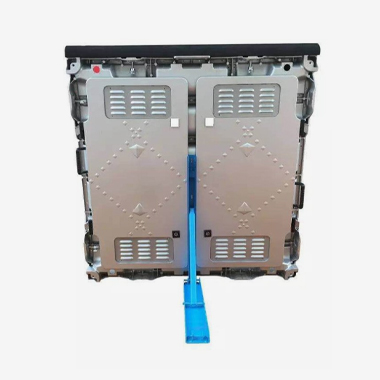
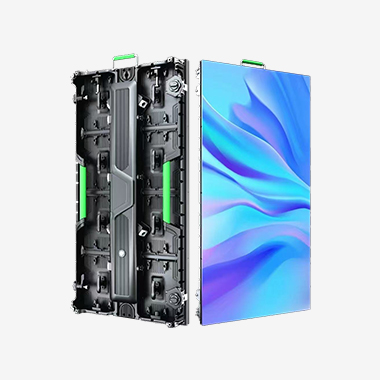
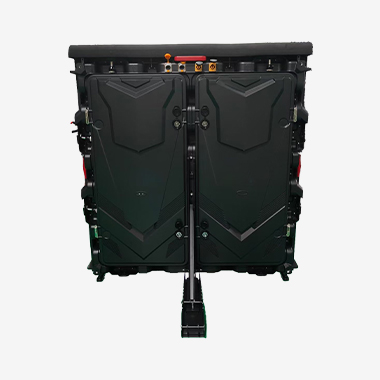
In terms of construction, large fixed installation LED display walls typically adopt a modular design. The display modules, which are the building blocks of the wall, are composed of individual LED panels. These panels are carefully assembled and connected to form the larger display wall. The modular design allows for easy installation, maintenance, and replacement of individual components. In case of a malfunction or damage to a specific module, it can be quickly swapped out without having to disassemble the entire display wall, minimizing downtime and ensuring the continuous operation of the display during events.
The enclosure of the display wall is designed to withstand the harsh environmental conditions inside and outside the stadium. For outdoor stadiums, the enclosures are usually made from durable materials such as aluminum alloy or stainless steel, which offer excellent protection against water, dust, impact, and corrosion. Special sealing techniques are employed to ensure that the internal components, including the LED modules, control systems, and power supplies, are well - protected. In indoor stadiums, while the environmental challenges may be less severe, the enclosures still need to be robust enough to withstand potential impacts from sports equipment or accidental collisions.
Efficient heat - dissipation systems are also integrated into the design, as the high - power LED components generate a significant amount of heat during operation. Heat sinks, fans, or liquid - cooling mechanisms are used to dissipate the heat and prevent overheating, which could affect the performance and lifespan of the display wall. Additionally, the electrical and data connections within the display wall are carefully engineered to ensure stable power supply and reliable data transmission, with high - quality cables and connectors used throughout the system.
The working principles of large fixed installation LED display walls for stadiums are based on the fundamental operation of LED technology, combined with advanced digital signal processing and control systems. The process starts with the input of digital content, which can come from various sources such as live video feeds from cameras positioned around the stadium, pre - recorded videos, graphic files, or data from sports statistics systems.
This digital content is first processed by a media server or a video processing unit. The media server receives the input signals, which can be in different formats such as HDMI, SDI, or IP - based streams, and converts them into a format that is compatible with the display wall's control system. The control system, which is often the central hub of the display wall operation, then takes over.
The control system consists of control cards and software that manage the display of content on the LED modules. It receives the processed data from the media server and converts it into electrical signals. These electrical signals are then transmitted to the individual LED modules within the display wall. Each LED in the module is addressed separately, and the control system precisely regulates the current flowing through each LED, determining its brightness and color.
To display an image or video, the control system uses a technique called pulse - width modulation (PWM). PWM rapidly switches the LEDs on and off at a high frequency, adjusting the duration for which each LED is on to control its brightness. By precisely controlling the PWM signals for each LED, the control system can create smooth and seamless visual transitions, resulting in high - quality images and videos with excellent clarity and detail.
In addition to controlling the LEDs, the control system also manages the synchronization of the entire display wall. This is crucial for ensuring that all the LED modules update simultaneously, preventing any visual artifacts or flickering. The control system can interface with external devices, such as sensors for ambient light monitoring. In outdoor stadiums, ambient light sensors can detect the level of sunlight and automatically adjust the brightness of the display wall to ensure optimal visibility under different lighting conditions.
Furthermore, the control system enables the display wall to support various types of content and interactive features. It can display live game footage, instant replays, player profiles, and real - time statistics. Some advanced systems also allow for interactive content, such as fan polls, social media feeds, and real - time messaging, enhancing the engagement between the stadium, the spectators, and the sports event.
Large fixed installation LED display walls for stadiums offer numerous advantages that have significantly enhanced the sports and entertainment experience. One of the most significant advantages is the enhanced spectator experience. These display walls provide real - time information, such as scores, player statistics, and replays, which allows fans to follow the game more closely and understand the action better. The ability to display close - up shots and slow - motion replays also adds to the excitement and drama of the event, making the viewing experience more immersive and engaging.
Another major advantage is the commercial opportunities they present. The large and captive audience in stadiums makes the LED display walls an attractive advertising platform. Advertisers can reach a wide range of consumers, including sports enthusiasts, tourists, and local residents, through high - impact visual advertisements. The revenue generated from advertising on these display walls can contribute significantly to the stadium's operational costs and the financial success of sports organizations.
In terms of versatility, large fixed installation LED display walls can be used for various purposes beyond sports events. They can be utilized for concerts, cultural festivals, and other large - scale entertainment events held in the stadium. The display walls can display stage backdrops, artist information, and visual effects, enhancing the overall production value of these events.
However, these display walls also face several challenges. One of the main challenges is the high initial cost. The purchase, installation, and setup of a large - scale LED display wall for a stadium are substantial investments. The cost includes the LED modules, control systems, enclosures, installation labor, and any additional equipment or features required. This high cost can be a barrier for some stadiums, especially those with limited budgets or smaller sports organizations.
Another challenge is the technical complexity involved in installation and operation. Installing a large LED display wall requires specialized knowledge and skills in electrical engineering, video processing, and software programming. Any technical issues, such as faulty LED modules, data transmission problems, or software glitches, need to be addressed promptly by trained technicians. Regular maintenance, including cleaning, component replacement, and system calibration, is also necessary to ensure the optimal performance and longevity of the display wall.
The environmental conditions in stadiums can also pose challenges. In outdoor stadiums, the display walls are exposed to various weather elements, such as sunlight, rain, snow, and strong winds. These conditions can affect the performance and lifespan of the display components. Special protective measures, such as using UV - resistant coatings, waterproof enclosures, and wind - resistant structures, need to be taken to ensure the reliability of the display wall.
Large fixed installation LED display walls for stadiums have a wide range of applications within the sports and entertainment industry. In sports events, they are used for multiple purposes. During football, soccer, or baseball games, the display walls can show live game footage, player statistics, scores, and upcoming play information. They can also display advertisements and sponsor logos, providing additional revenue streams for the stadium.
In basketball and hockey games, the display walls can be used to show replays, player profiles, and instant highlights. They can also display interactive content, such as fan voting for the “player of the game” or real - time social media posts related to the event, increasing fan engagement.
For non - sports events, such as concerts, the display walls can be used as large - scale video backdrops, displaying high - quality images and videos that enhance the stage performance. They can also display artist information, song lyrics, and special visual effects, creating a more immersive and exciting concert experience for the audience.
Looking to the future, several trends are expected to shape the development of large fixed installation LED display walls for stadiums. One trend is the continuous improvement of resolution and visual quality. With the development of micro - LED and mini - LED technologies, higher pixel densities will be achievable, resulting in even sharper and more detailed images. This will further enhance the viewing experience for spectators, making the display content more lifelike and engaging.
Another trend is the integration of smart technologies. The use of the Internet of Things (IoT), artificial intelligence (AI), and machine learning (ML) will enable more intelligent and automated operation of the display walls. For example, AI - powered systems could analyze the behavior and preferences of spectators in real - time and adjust the displayed content accordingly, optimizing the effectiveness of advertising and enhancing the overall event experience. IoT sensors could be used to monitor the performance and health of the display wall, enabling predictive maintenance and reducing downtime.
The development of more energy - efficient display technologies is also on the horizon. As environmental concerns grow, there will be an increasing demand for LED display walls that consume less power while maintaining high - quality performance. New materials and manufacturing processes will be explored to achieve this goal, reducing the overall energy consumption of stadiums and making the display walls more sustainable.
Conclusion
Large fixed installation LED display walls for stadiums have become an integral and indispensable part of the modern sports and entertainment landscape. They offer a multitude of benefits, from enhancing the spectator experience to providing significant commercial opportunities and adding versatility to stadium events. Despite the challenges of high initial cost, technical complexity, and environmental factors, the continuous advancements in LED technology and the integration of new smart technologies are driving the widespread adoption and evolution of these display walls.
As we move forward, the future of large fixed installation LED display walls for stadiums looks promising. The integration of advanced technologies, the improvement of visual quality, and the expansion of application areas will likely lead to more intelligent, immersive, and sustainable display solutions. These display walls will continue to play a crucial role in shaping the way sports events and other large - scale gatherings are presented and experienced, offering endless possibilities for creativity and innovation in the field of stadium technology and entertainment.


Copyright © 2026 Shenzhen Cogo Technology Co.,Ltd.
All Rights Reserved

 Previous article