




 Chat Now
Large advertising full - color LED display screens have revolutionized the outdoor advertising landscape, emerging as a dominant and highly effective medium for brands to capture the public's attention. Leveraging the power of red, green, and blue (RGB) light - emitting diodes, these screens are capable of producing an extensive and vibrant spectrum of colors, enabling the display of high - definition images, dynamic videos, and engaging graphic content with remarkable clarity and vividness.
In urban environments, these large - scale LED displays have become iconic fixtures. Towering over city streets, adorning building facades, and positioned in high - traffic areas such as shopping districts, transportation hubs, and entertainment centers, they serve as beacons that draw the eyes of passers - by. The growth of the large advertising full - color LED display market can be attributed to multiple factors. Technological progress has significantly enhanced the performance of LED components, increasing their brightness levels to ensure visibility even in direct sunlight, reducing power consumption for cost - effective operation, and extending their lifespan, making them a reliable long - term investment for advertisers.
The demand for more impactful and interactive advertising has also fueled the adoption of these displays. In an era where consumers are constantly bombarded with information, traditional static billboards are no longer sufficient to stand out. Large full - color LED displays offer the ability to showcase dynamic and ever - changing content, allowing brands to tell compelling stories, promote products and services effectively, and create memorable brand experiences. Moreover, with the rise of digital marketing strategies and the increasing importance of data - driven advertising, these LED screens can be integrated with various systems to target specific audiences, measure advertising effectiveness, and optimize campaigns in real - time.
According to market research reports, the global market for large advertising full - color LED displays has been growing at a substantial rate in recent years and is projected to continue its upward trajectory. The expansion of the advertising industry, the development of smart cities, and the increasing digitization of outdoor spaces are all contributing to this growth.
The design and construction of large advertising full - color LED display screens are intricate processes that demand a meticulous blend of engineering expertise, creative design, and a deep understanding of the advertising industry's requirements. The initial design phase commences with a comprehensive analysis of various aspects, including the location of installation, the target audience, the surrounding environment, and the specific advertising objectives.
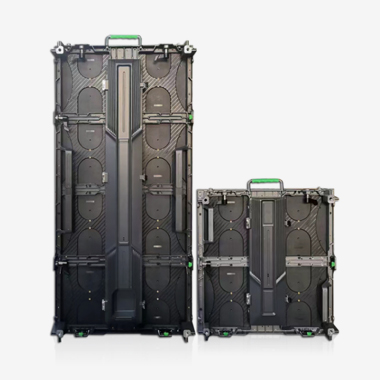
The structural framework of these displays is a critical element. Typically, the frame is constructed from durable and robust materials such as aluminum alloys or high - strength steel. These materials provide the necessary structural integrity to withstand harsh outdoor conditions, including strong winds, heavy rain, snow, and extreme temperature fluctuations. For extremely large installations, additional support structures like steel trusses or concrete foundations are often employed to ensure stability and safety, especially in high - wind areas or when the display is mounted on tall buildings.
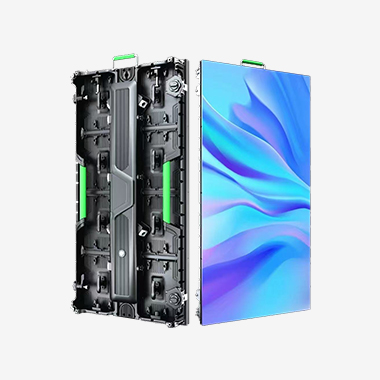
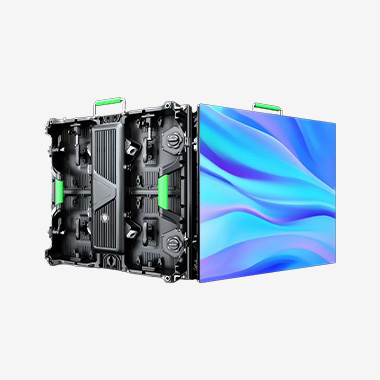
The LED modules are the core building blocks of the display. Each module contains an array of RGB LEDs, which are carefully selected for their high brightness, color accuracy, and reliability. The choice of pixel pitch is a crucial design consideration. A smaller pixel pitch results in a higher - resolution display, which is ideal for applications where viewers will be relatively close to the screen, such as in pedestrian - heavy shopping streets or at the entrances of large commercial buildings. On the other hand, a larger pixel pitch may be more suitable for displays located in areas with greater viewing distances, like highway billboards or large stadium - sized installations.
The electrical system of large advertising LED displays is sophisticated and essential for their proper functioning. It includes high - capacity power supplies that are designed to provide a stable and consistent power source to the numerous LED modules. Specialized control systems, consisting of media players, content management software, and data transmission interfaces, are integrated to manage the display of content. These systems enable advertisers to remotely upload, schedule, and update the advertising content, ensuring flexibility and the ability to adapt to changing marketing strategies.
In terms of optical design, anti - reflective and anti - UV coatings are commonly applied to the display surface. These coatings reduce glare and reflections, enhancing the visibility of the content in bright sunlight, and also protect the screen from the damaging effects of long - term UV exposure. Diffuser lenses may be used to ensure uniform light distribution across the screen, creating a more visually appealing and consistent viewing experience for the audience.
The working principles of large advertising full - color LED display screens are grounded in the fundamental properties of LEDs and the science of color generation through additive mixing. When an electric current is applied to an RGB LED, the red, green, and blue semiconductor regions within the LED emit light at specific wavelengths corresponding to the primary colors of the visible spectrum. By precisely controlling the intensity of each of these primary colors, a vast and diverse range of colors can be created.
To display an image or video on the LED screen, the digital content first undergoes processing by a control system. The control system receives the video signal from various sources, such as computers, media servers, or live cameras. It then breaks down the video signal into individual frames and further divides each frame into pixels. For every pixel on the screen, the control system calculates the appropriate intensity values for the red, green, and blue LEDs based on the color information encoded in the frame.
Subsequently, the control system sends electrical signals to the LED modules. These signals instruct the individual LEDs within each module to adjust their brightness levels accordingly. The signals are transmitted at a high frequency, allowing the LEDs to rapidly switch on and off or change their intensity, which in turn creates the illusion of continuous and smooth images or videos on the screen. The refresh rate of the LED display, which represents the number of times the screen updates its image per second, is a crucial parameter. A higher refresh rate ensures that fast - moving images, such as those in action - packed commercials or sports - themed advertisements, appear smooth and free from flickering or ghosting effects.
Modern large advertising LED displays also support a range of advanced features. Many are equipped with real - time content update capabilities, enabling advertisers to integrate live news feeds, social media posts, or weather information into their advertising campaigns. Some displays even support interactivity, allowing viewers to engage with the content through mobile devices or touch - based interfaces, adding an extra layer of engagement and interactivity to the advertising experience.
Large advertising full - color LED display screens offer a plethora of advantages that have made them a preferred choice for advertisers worldwide. One of the most significant advantages is their unparalleled visual impact. With their ability to display bright, vivid colors, high - resolution images, and dynamic animations, these screens can effectively cut through the urban clutter and capture the attention of a large and diverse audience. Whether it's a dazzling product showcase or a captivating brand story, the visual appeal of LED displays ensures that the advertising message stands out.
Another major advantage is their flexibility and versatility. Advertisers can easily customize the content displayed on the screens to suit different marketing campaigns, target specific demographics, or promote time - sensitive offers. The ability to update the content remotely and in real - time allows for quick adaptation to changing market conditions, consumer preferences, and advertising strategies. Additionally, large LED displays can be installed in a wide variety of locations and configurations, from single - screen billboards to complex video wall installations, providing endless possibilities for creative advertising designs.
Energy efficiency is also a notable benefit of these displays. Compared to traditional outdoor advertising technologies like neon signs or large - format printed billboards, LED displays consume significantly less energy. This not only reduces operating costs for advertisers but also aligns with the growing global focus on sustainability and environmental conservation. Moreover, LED displays have a longer lifespan, requiring less frequent maintenance and replacement, which further contributes to cost savings over the long term.
However, large advertising full - color LED display screens also face several challenges. The high initial investment cost is a major hurdle for many advertisers, especially small and medium - sized businesses. The purchase, installation, and setup of a large - scale LED display, including the necessary support structures, electrical systems, and control components, can be prohibitively expensive, particularly for high - resolution models with advanced features.
Maintenance is another significant challenge. Outdoor LED displays are exposed to harsh environmental conditions, which can cause damage to the screen and its components over time. Regular cleaning to remove dust, dirt, and bird droppings, as well as calibration to ensure color accuracy and brightness consistency, are essential. Faulty LED modules may need to be replaced, and the electrical and control systems require periodic inspection and maintenance to prevent malfunctions. Additionally, the integration of the LED display with other advertising and data - management systems can be complex and may require specialized technical expertise.
Competition in the advertising market also poses a challenge. As more brands invest in large LED displays, standing out from the crowd becomes increasingly difficult. Advertisers need to continuously create innovative and engaging content to capture and retain the audience's attention, which requires significant creativity, resources, and market research.
The applications of large advertising full - color LED display screens are extensive and diverse. In the realm of outdoor advertising, they are commonly used for digital billboards, which dominate city skylines and highway landscapes. These billboards display a wide range of advertisements, from consumer products and services to entertainment events and public service announcements. Building - wrapped LED displays have also gained popularity, transforming the facades of buildings into massive advertising canvases that can showcase dynamic and immersive visual experiences.
In shopping malls and commercial centers, large LED displays are used to attract customers, promote in - store sales, and enhance the overall shopping experience. They can be installed at entrances, in atriums, or within individual stores to display product information, promotional videos, and interactive content. At sports stadiums and arenas, LED displays are essential for displaying live game action, replays, scores, and advertisements, enhancing the spectator experience and providing additional revenue streams for the venues.
Looking to the future, the large advertising full - color LED display screen industry is set to witness several exciting trends. One of the major trends is the continuous development of higher - resolution displays. As consumers become more accustomed to high - definition visuals, there will be an increasing demand for LED screens with resolutions such as 8K and beyond. Higher - resolution displays will enable more detailed and immersive advertising experiences, allowing brands to showcase their products and services with greater precision.
The integration of advanced technologies such as artificial intelligence (AI), the Internet of Things (IoT), and augmented reality (AR) is also expected to transform the industry. AI - powered algorithms can analyze viewer behavior, demographics, and preferences in real - time, enabling advertisers to deliver more targeted and personalized advertising content. IoT integration will allow for remote monitoring and management of LED displays, optimizing energy consumption, predicting maintenance needs, and improving overall operational efficiency. AR technology can be used to create interactive and immersive advertising experiences, blurring the line between the digital and physical worlds and engaging consumers in new and innovative ways.
Another trend is the development of more energy - efficient and sustainable LED display solutions. As environmental concerns grow, there will be a greater emphasis on reducing the energy consumption and carbon footprint of LED displays. This may involve the use of more efficient LED components, the integration of renewable energy sources such as solar power, and the development of smart energy - management systems.
Conclusion
In conclusion, large advertising full - color LED display screens have become an indispensable part of the modern advertising ecosystem. Their high - impact visual appeal, flexibility, and energy efficiency make them a powerful tool for brands to reach and engage with their target audiences in outdoor environments.
Despite the challenges of high initial costs, maintenance requirements, and intense competition, the future of these displays is bright. With ongoing technological advancements, the integration of emerging technologies, and the increasing demand for more effective and sustainable advertising solutions, large advertising full - color LED display screens will continue to evolve and play a crucial role in shaping the future of outdoor advertising. As advertisers strive to create more memorable and impactful campaigns, these displays will undoubtedly remain at the forefront of innovation, providing endless opportunities for creative expression and audience engagement.


Copyright © 2026 Shenzhen Cogo Technology Co.,Ltd.
All Rights Reserved

 Previous article