




 Chat Now
In an era where environmental sustainability has become a global priority and energy conservation is at the forefront of technological innovation, energy - saving full - color LED display screens have emerged as a revolutionary solution in the field of visual display technology. Leveraging the core principles of light - emitting diode (LED) technology and integrating advanced energy - saving techniques, these displays offer a significant reduction in power consumption compared to traditional display solutions while maintaining high - quality visual performance.
The demand for energy - saving full - color LED display screens has been steadily rising across various industries. In the advertising sector, businesses are increasingly looking for cost - effective and eco - friendly ways to promote their products and services. Energy - saving LED displays not only help reduce electricity bills but also enhance a brand's green image, appealing to environmentally conscious consumers. In the commercial and public sectors, such as shopping malls, airports, and transportation hubs, large - scale displays are essential for information dissemination. Energy - saving LED screens enable these facilities to operate their displays continuously without incurring excessive energy costs, making them a more sustainable long - term investment.
Technological advancements have been the driving force behind the development of energy - saving full - color LED displays. Improvements in LED chip efficiency, power management systems, and display control algorithms have all contributed to reducing the energy consumption of these screens while enhancing their performance. Moreover, with the increasing implementation of energy - saving regulations and standards around the world, manufacturers are compelled to develop more energy - efficient products, further fueling the growth of the energy - saving LED display market. According to market research, the global energy - saving LED display market is expected to expand at a rapid pace in the coming years, driven by factors such as the growth of digital signage, the increasing adoption of LED displays in smart cities, and the rising awareness of environmental protection.
The design and construction of energy - saving full - color LED display screens involve a meticulous approach to balance energy efficiency, visual quality, and structural integrity. The initial design phase starts with a comprehensive assessment of the intended application, including the size of the display, the viewing environment, the content requirements, and the energy - saving goals.
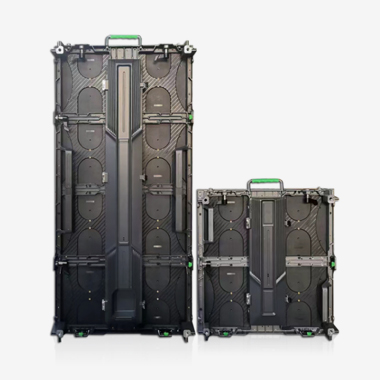
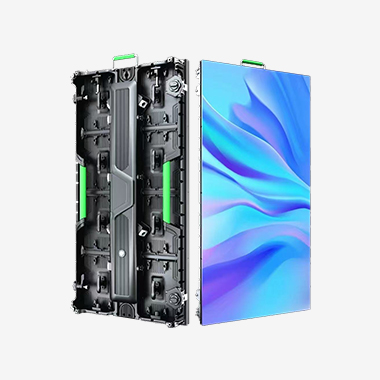
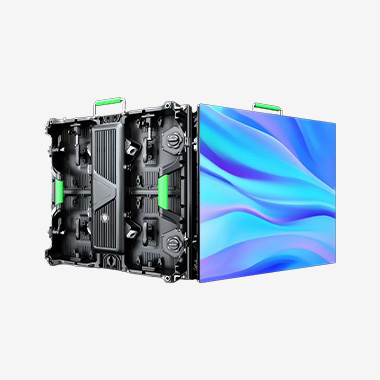
For the structural design, lightweight and durable materials are often preferred to reduce the overall energy consumption associated with installation and maintenance. Aluminum alloys are commonly used for the frame due to their high strength - to - weight ratio, which not only provides the necessary structural support but also makes the display easier to handle and install. In addition, the design of the support system is optimized to ensure stability while minimizing material usage, thereby reducing the energy required for manufacturing and transportation.
The LED modules are the heart of the display, and in energy - saving models, they are carefully selected and engineered. High - efficiency LED chips are used, which are designed to convert a larger proportion of electrical energy into light, reducing heat generation and energy loss. The pixel pitch of the LED modules is also a crucial design consideration. A well - chosen pixel pitch ensures that the display can achieve the required visual quality while minimizing the number of LEDs needed, thus reducing power consumption. For applications where a lower resolution is acceptable, a larger pixel pitch can be used to further cut down on energy use.
The power management system is a key component in the design of energy - saving LED displays. Advanced power supplies are employed, which are designed to have high conversion efficiency, minimizing the energy wasted during the conversion from alternating current (AC) to direct current (DC). Intelligent power - control circuits are integrated to adjust the power supply to the LED modules based on the actual content being displayed. For example, when displaying darker images or during periods of low - activity, the power supplied to the LEDs can be reduced, significantly lowering overall energy consumption.
In terms of optical design, anti - reflective and high - transmittance coatings are applied to the display surface. These coatings enhance the light - output efficiency of the LEDs, allowing more light to be emitted towards the viewer while reducing internal reflections that can cause energy loss. Diffuser lenses are also carefully designed to ensure uniform light distribution with minimal light - scattering losses, optimizing the use of the emitted light.
The working principles of energy - saving full - color LED display screens are based on the fundamental operation of LEDs and advanced energy - management techniques. When an electric current passes through an LED, the semiconductor material within the LED emits light through a process called electroluminescence. In full - color LED displays, red, green, and blue LEDs are combined to create a wide range of colors through additive color mixing.
To achieve energy savings, several key mechanisms are employed. Firstly, the LED driver circuits are designed with high - efficiency conversion capabilities. These circuits convert the input electrical power into a stable and appropriate voltage and current for the LEDs, minimizing power losses during the conversion process. Advanced LED drivers also incorporate features such as pulse - width modulation (PWM), which allows for precise control of the LED brightness. By adjusting the duty cycle of the electrical pulses sent to the LEDs, the brightness can be reduced without sacrificing color quality, thereby saving energy when full brightness is not required.
Secondly, intelligent control systems play a crucial role in energy - saving operation. These systems can analyze the content being displayed and adjust the power consumption of the display accordingly. For instance, when displaying static images or text - based content, the system can reduce the refresh rate of the display, which in turn reduces the energy used by the LEDs. Some advanced control systems can also detect ambient light levels using built - in sensors. When the ambient light is low, such as during nighttime, the display brightness can be automatically decreased, further conserving energy.
In addition, energy - saving full - color LED displays often use power - management algorithms that optimize the operation of different components within the display. These algorithms can prioritize power allocation based on the importance of various functions, ensuring that energy is only consumed where it is necessary. For example, non - essential features or components can be put into a low - power standby mode when not in use, reducing overall power consumption without affecting the main display functionality.
Energy - saving full - color LED display screens offer a multitude of advantages that make them highly attractive in the market. One of the most significant benefits is the substantial reduction in energy consumption. Compared to traditional display technologies like cathode - ray tubes (CRTs) and even many conventional LED displays, energy - saving LED screens can consume up to 50% less power or more, depending on the application and usage patterns. This not only results in significant cost savings on electricity bills for businesses and organizations but also reduces the overall carbon footprint, contributing to environmental sustainability.
Another major advantage is their long lifespan. Energy - saving LED displays are designed with high - quality components and advanced manufacturing processes, which extend their operational life. LEDs typically have a lifespan of 50,000 to 100,000 hours or more, reducing the frequency of replacement and maintenance. This not only saves on replacement costs but also minimizes the environmental impact associated with the disposal of old display devices.
In terms of visual performance, energy - saving full - color LED displays do not compromise on quality. They can still deliver vibrant colors, high contrast ratios, and sharp images, ensuring an engaging viewing experience for the audience. The advanced control systems and optical designs used in these displays also help maintain consistent visual quality across different viewing angles and lighting conditions.
However, energy - saving full - color LED display screens also face several challenges. One of the primary challenges is the relatively high initial cost. The development and integration of advanced energy - saving technologies, such as high - efficiency LED chips and intelligent power - management systems, increase the manufacturing cost of these displays. As a result, energy - saving LED screens often come with a higher price tag compared to standard LED displays, which can be a deterrent for some budget - conscious buyers, especially small and medium - sized enterprises.
Another challenge is the need for specialized knowledge and skills for installation and maintenance. Energy - saving LED displays incorporate complex power - management and control systems, which require trained technicians for proper installation and troubleshooting. Inadequate installation or improper maintenance can not only affect the energy - saving performance of the display but also lead to premature failure of components.
Moreover, while energy - saving LED displays have made significant progress in reducing power consumption, there is still room for improvement to meet the ever - increasing energy - efficiency requirements. Competing technologies and emerging display solutions also pose a challenge, as manufacturers need to continuously innovate and improve their products to stay competitive in the market.
The applications of energy - saving full - color LED display screens are diverse and span across multiple industries. In the advertising industry, these displays are used for digital billboards, storefront signage, and promotional displays. Advertisers can run their campaigns 24/7 without worrying about excessive energy costs, and the eco - friendly nature of the displays can enhance the brand's image. In shopping malls and retail stores, energy - saving LED screens are used to display product information, promotional videos, and interactive content, attracting customers while keeping energy expenses in check.
In the public sector, energy - saving LED displays are widely used in transportation hubs such as airports, train stations, and bus terminals for displaying flight schedules, train timings, and other important announcements. They are also used in public buildings, government offices, and educational institutions for information dissemination and digital signage purposes. The energy - saving feature is particularly beneficial in these settings, where displays are often operational for long hours.
Looking to the future, the energy - saving full - color LED display screen industry is expected to witness several exciting trends. One of the major trends is the continuous improvement in LED chip efficiency. Researchers are constantly working on developing new materials and manufacturing techniques to increase the light - output efficiency of LEDs, which will further reduce the energy consumption of LED displays.
The integration of artificial intelligence (AI) and the Internet of Things (IoT) technologies is also set to revolutionize the energy - saving capabilities of LED displays. AI - powered algorithms can analyze the viewing patterns and behavior of audiences in real - time and adjust the display settings, such as brightness, refresh rate, and content, to optimize energy use. IoT integration will enable remote monitoring and management of multiple LED displays, allowing for centralized control and energy - consumption optimization across a network of displays.
Another trend is the development of more flexible and transparent energy - saving LED displays. These innovative display forms will open up new applications in architecture, interior design, and retail, where energy - efficient and aesthetically pleasing display solutions are highly sought after. Additionally, the increasing focus on sustainable development and green initiatives around the world will drive the demand for more energy - saving LED display products, further fueling innovation and growth in the industry.
Conclusion
In conclusion, energy - saving full - color LED display screens represent a significant advancement in visual display technology, offering a perfect blend of high - quality visual performance and energy efficiency. Their ability to reduce power consumption, extend lifespan, and maintain excellent visual quality makes them an ideal choice for a wide range of applications across various industries.
Despite the challenges of high initial costs, specialized installation and maintenance requirements, and the need for continuous innovation, the future of energy - saving full - color LED display screens is promising. With ongoing technological advancements, the integration of emerging technologies, and the growing global emphasis on environmental sustainability, these displays will continue to evolve and play an increasingly important role in the digital age. As more businesses and organizations strive to reduce their energy consumption and carbon footprint, energy - saving full - color LED display screens will undoubtedly become the mainstream choice for visual communication, contributing to a more sustainable and energy - efficient future.


Copyright © 2026 Shenzhen Cogo Technology Co.,Ltd.
All Rights Reserved

 Previous article