





 Chat Now
Large outdoor exterior LED display screens have emerged as a dominant force in the realm of outdoor visual communication, revolutionizing the way information is presented and brands are promoted in public spaces. These screens, characterized by their massive size, high - resolution displays, and vibrant color capabilities, have become ubiquitous in urban landscapes, from bustling city centers and commercial districts to transportation hubs and large - scale event venues.
The rise of large outdoor exterior LED display screens is closely tied to the rapid advancements in LED technology. LEDs, or light - emitting diodes, have transformed the display industry due to their energy - efficient, long - lasting, and versatile nature. Unlike traditional outdoor display technologies such as neon lights or static billboards, LED displays offer superior visual quality, including the ability to display high - definition images, videos, and dynamic content with remarkable clarity and color accuracy. The continuous improvement in LED chip efficiency, manufacturing processes, and control systems has enabled the production of larger, more durable, and more visually stunning outdoor displays.
Market trends have also significantly contributed to the widespread adoption of large outdoor exterior LED display screens. The growing importance of visual marketing and brand visibility in the digital age has led businesses and organizations to invest heavily in eye - catching outdoor advertising solutions. Large LED displays provide a powerful platform for brands to capture the attention of a large and diverse audience, delivering impactful messages in a dynamic and engaging manner. Additionally, the increasing number of outdoor events, such as festivals, sports games, and public celebrations, has created a high demand for large - scale display systems that can provide real - time information, entertainment, and enhance the overall event experience.
From a technological perspective, the development of large outdoor exterior LED display screens has been driven by the need to overcome the challenges of outdoor environments. These screens are designed to withstand harsh weather conditions, including intense sunlight, rain, snow, and extreme temperatures. Specialized materials and engineering techniques are employed to ensure the durability and reliability of the displays, allowing them to operate continuously and effectively in various outdoor settings.
In terms of market growth, the global market for large outdoor exterior LED display screens has been expanding steadily. According to industry reports, factors such as urbanization, the growth of digital advertising, and the increasing adoption of LED technology in emerging economies are expected to drive further market expansion in the coming years. As technology continues to evolve, large outdoor exterior LED display screens are set to play an even more significant role in outdoor visual communication and public information dissemination.
The design and construction of large outdoor exterior LED display screens are complex processes that require a combination of engineering expertise, creative design, and a deep understanding of outdoor environmental requirements. The design phase begins with a comprehensive assessment of the intended use, location, and audience of the display. Factors such as the size of the viewing area, the distance of the audience from the screen, and the surrounding ambient light conditions are carefully considered to determine the optimal size, resolution, and brightness of the display.
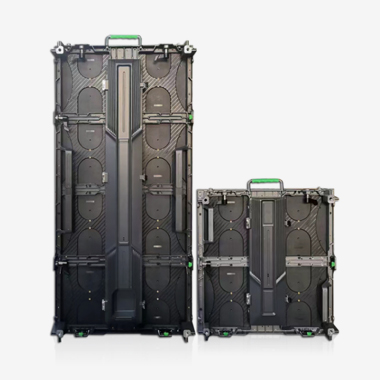
The structural design of large outdoor exterior LED display screens is crucial for ensuring stability and durability in outdoor environments. The frame of the display is typically constructed from high - strength materials such as steel or aluminum alloy. Steel frames offer exceptional strength and stability, making them suitable for large - scale installations where the screen needs to withstand strong winds and other environmental forces. Aluminum alloy frames, on the other hand, are lighter in weight, which is advantageous for easier installation and transportation, while still providing sufficient strength for most outdoor applications.
For larger displays, additional support structures such as trusses or scaffolding may be incorporated to reinforce the frame. These support structures not only provide stability but also allow for the installation of the LED modules at various angles and heights, optimizing the viewing experience for the audience. In some cases, the display may be mounted on a building facade, requiring a custom - designed mounting system that can securely attach the screen to the structure while ensuring proper ventilation and access for maintenance.
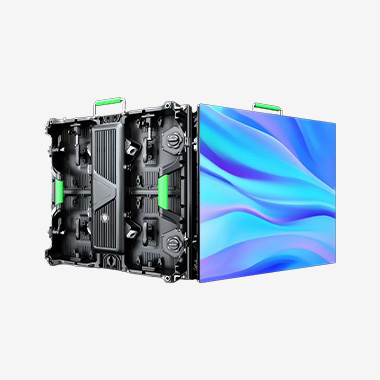
The LED modules are the core components of the display, and their quality directly impacts the visual performance of the screen. High - quality LED modules are selected based on their brightness, color accuracy, viewing angle, and reliability. Outdoor - rated LED modules are designed to operate reliably in a wide range of temperatures and weather conditions. They are often equipped with waterproof and dustproof enclosures to protect against moisture and debris, ensuring long - term performance and durability.
The pixel pitch, which is the distance between adjacent pixels on the screen, is a critical design parameter. A smaller pixel pitch results in a higher - resolution display, which is ideal for close - up viewing and detailed visual content. However, for large outdoor displays where the audience is seated at a greater distance, a larger pixel pitch may be sufficient, reducing costs while still providing a clear and vibrant visual experience. The arrangement of LED modules within the screen also affects the uniformity of light distribution. Advanced manufacturing techniques are employed to ensure that the LED modules are precisely aligned, minimizing any potential light - intensity variations across the screen.
In addition to the physical structure, large outdoor exterior LED display screens are equipped with sophisticated electrical and control systems. The electrical system includes power supplies, cables, and connectors, which are designed to provide a stable and reliable source of power to the LED modules. Specialized outdoor - rated power supplies are used to convert the incoming electrical power to the appropriate voltage and current levels for the LEDs. To prevent electrical failures caused by moisture, all electrical connections are carefully sealed, and waterproof cables and connectors are employed.
The control system of the display is responsible for managing the content displayed on the screen. It typically includes media players, content management software, and signal processors. These components allow operators to easily upload, edit, and control the content displayed on the screen, including images, videos, and live feeds. Modern control systems also support remote monitoring and management, enabling operators to adjust the display settings and troubleshoot issues from a remote location.
The working principles of large outdoor exterior LED display screens are based on the fundamental properties of LEDs and the principles of digital signal processing. At the core of the operation, when an electric current is applied to an LED, the semiconductor material within the LED undergoes a process called electroluminescence. In the case of RGB (Red, Green, Blue) LEDs, which are commonly used in LED displays, the red, green, and blue semiconductor regions emit light at specific wavelengths corresponding to the primary colors of light when an electric current passes through them.
For the display function, digital content, such as pre - recorded videos, live camera feeds, or computer - generated graphics, is first processed by a control system. The control system receives the digital video signal from various sources, such as a computer, media server, or video switcher. It then decodes the signal and breaks it down into individual frames. Each frame is further divided into pixels, and for each pixel on the screen, the control system calculates the appropriate intensity values for the red, green, and blue LEDs based on the color information in the frame.
These calculated intensity values are then transmitted as electrical signals to the LED modules. The signals are sent at a high frequency, allowing the LEDs to rapidly switch on and off or adjust their brightness levels. By precisely controlling the intensity of each primary color in every pixel, the LED screen can create a vast array of colors and shades, enabling the reproduction of detailed images, videos, and dynamic visual content. The refresh rate of the LED screen, which refers to the number of times the screen updates its image per second, is a crucial parameter. A higher refresh rate ensures that fast - moving images, such as those in video advertisements or live sports broadcasts, appear smooth and free from flickering or ghosting, providing a high - quality visual experience for the audience.
In addition to the display of static or pre - recorded content, many large outdoor exterior LED display screens also support real - time content updates. This is achieved through the integration of live video feeds, such as from cameras placed at event venues or traffic monitoring systems. The control system can receive and process these live signals in real - time, allowing the display to show current events, news, or traffic information as it happens.
The brightness of the LED display can also be adjusted automatically based on ambient light conditions. Light - sensitive sensors are often installed on the display to detect the amount of ambient light. The control system then adjusts the brightness of the LEDs accordingly, ensuring that the display is clearly visible in both bright sunlight and low - light conditions while also saving energy when less brightness is required.
Large outdoor exterior LED display screens offer a multitude of advantages that have made them a preferred choice for outdoor visual communication. One of the most significant benefits is their high - impact visual appeal. With their large size, high - resolution displays, and vibrant colors, these screens can effectively capture the attention of a large audience, making them an ideal platform for advertising, public announcements, and event promotion. The ability to display dynamic content, such as videos and animations, further enhances their visual impact, allowing for more engaging and memorable messaging.
Another major advantage is the flexibility and versatility of large outdoor exterior LED display screens. They can be easily customized to fit the specific needs of different applications. Content can be updated in real - time, allowing for the display of timely information, such as event schedules, product launches, or breaking news. The screens can also be configured in various shapes and sizes, from rectangular billboards to irregularly shaped displays that can be integrated into the architecture of a building. This flexibility makes them suitable for a wide range of outdoor settings, including commercial areas, transportation hubs, and public spaces.
Energy efficiency is also a notable advantage of LED display screens. Compared to traditional outdoor display technologies, such as neon lights or incandescent bulbs, LED displays consume significantly less energy. This not only reduces the operating costs of the display but also makes them more environmentally friendly. Additionally, the long lifespan of LED components, which can last up to 100,000 hours or more, means less frequent replacement and maintenance, further contributing to cost savings.
However, large outdoor exterior LED display screens also face several challenges. One of the main challenges is the high initial cost. The purchase, installation, and setup of a large - scale LED display, along with the necessary control systems and support structures, can require a substantial financial investment. This cost can be a deterrent, especially for smaller businesses or organizations with limited budgets.
Technical complexity is another challenge. Operating and maintaining large outdoor exterior LED display screens require specialized knowledge and skills. Technical issues such as pixel failures, electrical malfunctions, or signal transmission problems need to be addressed promptly to ensure the continuous operation of the display. Regular maintenance, including cleaning, checking for loose connections, and replacing faulty components, is also necessary to keep the display in optimal condition.
Environmental factors also pose a significant challenge. Outdoor LED displays are exposed to various weather conditions, including sunlight, rain, snow, and extreme temperatures. Prolonged exposure to sunlight can cause the screen materials to fade and degrade over time, while moisture can lead to electrical failures if the display is not properly waterproofed. To mitigate these risks, outdoor LED displays need to be built with high - quality, weather - resistant materials and sealed enclosures, which can increase the production cost.
The applications of large outdoor exterior LED display screens are diverse and widespread. In the realm of advertising, these screens are used by businesses of all sizes to promote their products and services. They can display eye - catching advertisements, product demonstrations, and brand messages, reaching a large and diverse audience in high - traffic areas. The dynamic nature of LED displays allows for more creative and engaging advertising campaigns, increasing the effectiveness of outdoor marketing efforts.
In transportation hubs such as airports, train stations, and bus terminals, large outdoor exterior LED display screens are used to provide real - time information to travelers. This includes flight schedules, train departures and arrivals, traffic updates, and wayfinding information. The ability to display this information in a clear and visible manner helps to improve the overall travel experience and reduce confusion for passengers.
Large outdoor events, such as music festivals, sports games, and public celebrations, also rely on LED display screens to enhance the event experience. These screens can be used to display live event feeds, replays, scores, and advertisements. They also provide important information to the audience, such as event schedules, safety announcements, and sponsor messages. The large size and high - quality display of LED screens ensure that all attendees, regardless of their seating position, can have a clear view of the content.
Looking towards the future, the large outdoor exterior LED display screen industry is expected to witness several exciting trends. One of the major trends is the development of higher - resolution displays. As technology continues to advance, we can expect to see the widespread adoption of 8K and even higher - resolution LED screens. These ultra - high - resolution displays will enable more detailed and realistic visual content, enhancing the overall impact of outdoor advertising and information dissemination.
The integration of advanced technologies, such as artificial intelligence (AI) and machine learning (ML), is also set to revolutionize the operation and management of LED displays. AI - powered algorithms can analyze audience behavior and preferences, enabling more targeted and effective advertising campaigns. ML can be used to predict and prevent potential technical issues with the display, ensuring continuous operation and reducing downtime.
Another trend is the increasing focus on sustainability. There will be a growing demand for more energy - efficient and eco - friendly LED display solutions. This includes the development of LED modules with even lower power consumption, the use of recycled materials in manufacturing, and the implementation of energy - saving control systems. Additionally, the integration of renewable energy sources, such as solar power, to operate LED displays may become more common, further reducing the environmental impact of outdoor displays.
Conclusion
In conclusion, large outdoor exterior LED display screens have become an essential part of modern outdoor visual communication. Their high - impact visual appeal, flexibility, and energy efficiency make them a valuable asset for advertising, information dissemination, and event enhancement. Despite the challenges of high initial costs, technical complexity, and environmental factors, the numerous advantages of these displays have led to their widespread adoption in various outdoor settings.
As technology continues to evolve, large outdoor exterior LED display screens are expected to become even more advanced, with higher resolutions, increased integration of advanced technologies, and a greater focus on sustainability. These advancements will not only improve the visual quality and functionality of the displays but also open up new possibilities for creative expression and effective communication in outdoor environments. Whether it's for promoting a brand, providing important information, or enhancing the experience of an outdoor event, large outdoor exterior LED display screens will undoubtedly continue to play a crucial role in the future of outdoor visual communication.


Copyright © 2026 Shenzhen Cogo Technology Co.,Ltd.
All Rights Reserved

 Previous article