




 Chat Now
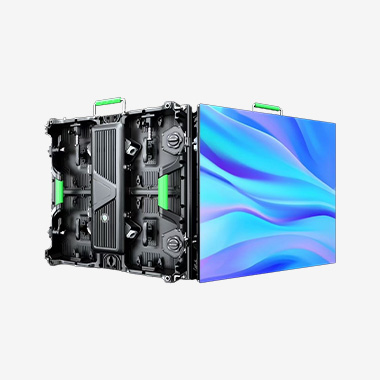
An LED rental display screen for exhibitions is a specialized, portable digital display system designed exclusively for temporary use in trade shows, conferences, product launches, and industry expos—prioritizing quick setup/teardown, lightweight portability, and flexible configuration to meet the dynamic needs of exhibition environments. Unlike permanent LED installations (e.g., stadium scoreboards or mall atriums), this technology is engineered for frequent transportation, repeated assembly/disassembly, and adaptability to diverse exhibition spaces—from small booth backdrops to large stage displays.
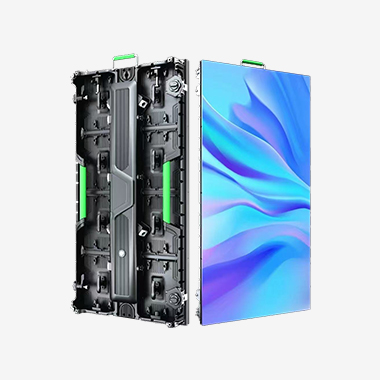
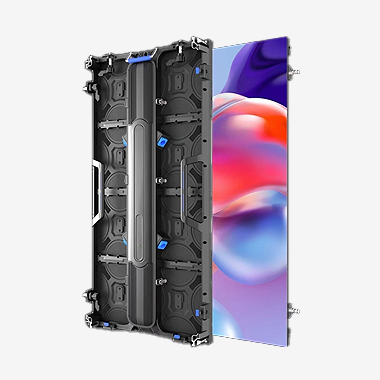
At its core, the system comprises modular LED panels (typically 500x500mm or 500x1000mm), a compact control system, and a lightweight support framework—all optimized for exhibition-specific demands. Key specifications are tailored to exhibition use cases: pixel pitches range from 1.2mm (for close-range booth displays) to 5mm (for large stage backdrops), ensuring sharp visibility for attendees at varying distances; brightness levels span 2,000–5,000 nits to adapt to indoor exhibition hall lighting (avoiding glare while maintaining vibrancy); and refresh rates of 120Hz+ ensure smooth video playback for product demos, brand videos, or live presentations.
Demand for this technology has surged with the growth of global exhibitions and the need for visually striking booth designs. According to industry reports, over 85% of exhibition organizers and booth designers now use rental LED displays, as they increase attendee engagement by 40–50% compared to static banners or projectors. For example, a tech company might rent a 4x3m LED screen for its trade show booth to showcase interactive product demos, while a fashion brand could use a 8x4m curved rental screen as a stage backdrop for a runway show at a fashion expo.
What sets this system apart is its balance of performance and practicality for exhibition scenarios. Rental screens eliminate the upfront cost of purchasing permanent displays (which are only used for a few days per year) and include end-to-end support from rental companies—including delivery, setup, on-site technical assistance, and post-event teardown. Additionally, modern systems integrate with exhibition-specific tools, such as live data feeds (e.g., booth visitor counts) or interactive touch capabilities, enabling exhibitors to create immersive, data-driven experiences. As exhibitions continue to evolve toward more tech-driven, experiential formats, the LED rental display screen remains a cornerstone solution for exhibitors seeking to stand out in crowded exhibition halls.
The design and construction of an LED rental display screen for exhibitions revolve around three core priorities: portability for frequent transportation, rapid deployment for tight exhibition timelines, and durability to withstand repeated assembly/disassembly. Every component—from LED panels to control systems—is engineered to balance performance with practicality, ensuring the system can adapt to diverse exhibition spaces and meet the fast-paced demands of trade shows.
Component Design: Portability and Durability
LED panels are the foundation of the system, and their design is optimized for exhibition use. Unlike permanent installation panels (which are heavy and rigid), rental panels are lightweight (3–8kg per panel) and slim (30–60mm thick), making them easy to carry, stack, and transport in standard flight cases. The panels use a rugged yet lightweight aluminum alloy frame that resists dents and scratches during transit—critical for rental systems that may be moved 50+ times per year. The front surface features a scratch-resistant, high-transparency acrylic layer to maintain image clarity while withstanding accidental bumps from exhibition attendees or setup equipment.
Each panel contains RGB LED chips with a wide color gamut (90%+ DCI-P3) to ensure accurate brand color reproduction—essential for exhibitors showcasing products or brand content. The chips are mounted on flexible printed circuit boards (FPCBs) instead of rigid PCBs, allowing the panels to be slightly curved (up to a 5m radius) for creative exhibition designs (e.g., curved booth backdrops or circular stage displays). For added durability, the panels undergo drop tests (from 1m heights) and vibration tests (simulating truck transport) during manufacturing to ensure they can withstand the rigors of rental use.
The control system is compact and user-friendly, designed for quick operation by exhibition staff (who may lack technical expertise). It includes a portable media server (small enough to fit in a backpack) that connects to the LED panels via plug-and-play cables. The server runs intuitive exhibition-specific software that allows users to upload content, adjust brightness, and create playlists with a touchscreen interface—no coding or advanced training required. For large exhibitions, redundant control systems are often included: if the primary server fails, a backup takes over instantly to avoid downtime during critical presentations.
Structural Framework: Speed and Flexibility
The support framework is engineered for rapid assembly and adaptability to different exhibition spaces. Unlike permanent installation frames (which require drilling or heavy anchors), rental frameworks use lightweight aluminum trussing or modular rails that connect via quick-lock fittings—no tools needed. For floor-mounted setups (e.g., booth backdrops), the framework includes a stable base with weighted plates (filled with water or sand) to prevent tipping, even in crowded exhibition halls. For hanging installations (e.g., stage backdrops), the framework uses adjustable suspension cables that attach to exhibition hall rigging points—compatible with most standard expo venues.
The framework can be configured into custom sizes and shapes in 30 minutes to 2 hours—critical for exhibitions where setup windows are limited (e.g., a trade show that allows only 4 hours of booth setup). For example, a 6x4m straight screen can be assembled in 45 minutes by two people, while a curved 8x3m screen takes 1.5 hours. The framework also includes integrated cable management channels that route power and data cables behind the screen, eliminating visible wires that could distract from the exhibition display or pose tripping hazards.
Transportation and Storage: Exhibition-Specific Logistics
Rental LED screens are packaged in custom flight cases designed for frequent transport. Each case is lined with foam inserts that perfectly fit the LED panels, control system, and framework components—preventing damage during transit. The cases are stackable and equipped with wheels for easy in exhibition hall loading docks, where space is often limited. For international exhibitions, the cases are built to airline shipping standards (IP65-rated for weather resistance) and include customs documentation to streamline cross-border transport.
Storage is also optimized for rental companies: the compact design of the panels and framework allows 50+ panels to be stored in a 10-square-meter warehouse space—far less than permanent installation systems. Rental companies also maintain detailed maintenance records for each system, tracking usage (e.g., number of exhibitions, hours of operation) and replacing components (e.g., cables, LED chips) after a set number of uses to prevent failures during exhibitions. This focus on design and construction ensures the LED rental display screen can deliver reliable, high-quality performance across dozens of exhibitions—from small local trade shows to large international expos.
The working principle of an LED rental display screen for exhibitions revolves around three core mechanisms: rapid content management for exhibition-specific needs, simplified assembly for fast deployment, and adaptive performance to match exhibition hall conditions—all optimized for the temporary, high-pressure environment of trade shows and expos.
Stage 1: Exhibition-Focused Content Management
The process begins with content preparation, typically done by the exhibitor or rental company’s technical team in the days before the exhibition. Content—such as product demos, brand videos, live presentations, or interactive polls—is uploaded to the portable media server using exhibition-specific software. This software includes templates tailored to common exhibition needs:
Booth Backdrop Templates: Pre-sized layouts for standard booth dimensions (e.g., 3x3m, 4x6m) to avoid content stretching.
Live Presentation Modes: Tools to sync the screen with laptops or projectors for speaker presentations, with one-click switching between slides and videos.
Interactive Features: Integration with touch sensors or QR codes to enable attendee engagement (e.g., “scan to download a product brochure” or “vote in a live poll”).
The software optimizes content for the screen’s specifications: scaling videos to match the total resolution (e.g., a 4x3m screen with 2.5mm pixel pitch has a resolution of 1600x1200) and adjusting color profiles to ensure brand colors are consistent under exhibition hall lighting. For multi-day exhibitions, the software supports scheduling, allowing exhibitors to set up playlists (e.g., “product demos 9–12 AM, brand videos 1–5 PM”) to avoid manual content changes.
Stage 2: Rapid Assembly and Signal Connection
On the exhibition day, setup begins with assembling the support framework. Using quick-lock fittings, technicians connect the aluminum trussing or rails to form the desired shape (straight, curved, or floor-standing) in minutes. LED panels are then mounted to the framework using magnetic latches or mechanical clips—each panel aligns with adjacent units via built-in alignment pins, ensuring seamless edges (gaps <0.5mm) to avoid disrupting content. This “plug-and-play” assembly eliminates the need for calibration tools during setup, cutting deployment time by 50% compared to permanent installations.
Once panels are mounted, the control system is connected. The portable media server links to the panels via high-speed, shielded cables that snap into place with color-coded connectors (preventing setup errors). The server automatically detects the number of panels and their configuration (a process called “auto-mapping”), eliminating the need for manual pixel mapping—a time-consuming step in permanent systems. Technicians then perform a quick brightness check using a handheld light meter, adjusting the screen’s output to match the exhibition hall’s lighting (e.g., 3,000 nits for bright halls with large windows, 2,000 nits for dimmer conference rooms). This entire setup process typically takes 1–3 hours for a medium-sized screen (10–15 panels)—critical for exhibitions with tight setup windows.
Stage 3: Adaptive Performance During the Exhibition
During the exhibition, the system adapts to dynamic conditions to maintain optimal performance. Ambient light sensors mounted on the screen monitor changes in hall lighting (e.g., lights turning on/off or sunlight shifting through windows) and adjust brightness automatically—ensuring content remains visible without causing glare for attendees. For example, if the exhibition hall dims lights for a keynote presentation, the screen reduces brightness from 3,000 to 2,000 nits to avoid overwhelming the room.
The control software also includes exhibition-specific features to handle common scenarios:
Presentation Mode: Locks the screen to a single content source (e.g., a laptop) during speaker sessions, preventing accidental content changes.
Emergency Alerts: Allows exhibition staff to override scheduled content and display urgent messages (e.g., “evacuation notice”) with one click.
Remote Support: Enables rental company technicians to troubleshoot issues (e.g., a frozen screen) remotely via Wi-Fi, reducing the need for on-site visits.
After the exhibition, teardown is as rapid as setup: panels are removed from the framework, cables are disconnected, and all components are packed into flight cases—typically completed in 1–2 hours. This quick teardown is critical for exhibitions that require booths to be dismantled immediately after the event ends, allowing the venue to prepare for the next show.
LED rental display screens for exhibitions offer significant advantages that make them a preferred choice for exhibitors and event planners, but they also face unique challenges tied to their temporary nature and the fast-paced exhibition environment. Understanding these pros and cons is critical for anyone looking to leverage this technology for trade shows, conferences, or expos.
Key Advantages
1. Cost-Effectiveness for Temporary Use
The most significant advantage is cost-effectiveness for short-term exhibition needs. Purchasing a high-quality LED display for exhibitions (which are typically held 2–4 times per year) requires a large upfront investment (
20,000–100,000) that is difficult to justify for occasional use. Rental screens eliminate this cost, with prices ranging from
200–500 per panel per exhibition (including setup, teardown, and technical support). For example, a 12-panel (4x3m) screen for a 3-day trade show might cost
3,600–6,000—far less than the $30,000+ cost of purchasing. Additionally, rental companies cover maintenance, repairs, and software updates, eliminating long-term ownership costs. This makes LED displays accessible to small and medium-sized exhibitors with limited budgets, who might otherwise rely on less effective static banners or projectors.
2. Flexibility and Adaptability to Exhibition Spaces
Rental LED screens are highly flexible, able to adapt to diverse exhibition booth sizes, shapes, and layouts. Their modular design allows them to be configured into custom dimensions—from small 2x2m booth backdrops to large 10x5m stage displays—and even curved or circular shapes for creative booth designs. For example, a furniture exhibitor might use a curved 6x3m screen to showcase room designs that wrap around their booth, while a tech startup could use a compact 3x2m screen for a small 10-square-meter booth. The screens also adapt to different exhibition hall conditions: adjustable brightness (2,000–5,000 nits) ensures visibility in bright halls with large windows or dim conference rooms, and compatibility with standard exhibition power outlets (110V/220V) eliminates the need for specialized electrical setup. This flexibility means exhibitors can use the same rental provider for different events, regardless of venue size or layout.
3. Quick Setup and Teardown for Tight Timelines
Exhibitions often have extremely tight setup and teardown windows—sometimes as little as 3–4 hours to build an entire booth. Rental LED screens are engineered for rapid deployment: a 4x3m screen can be set up by two technicians in 45 minutes to 1 hour, thanks to plug-and-play panels, quick-lock frameworks, and auto-mapping control systems. This is a stark contrast to permanent installations (which take 4–8 hours for the same size) or projectors (which require alignment, screen mounting, and cable management). Teardown is equally fast, with components packed into flight cases in 1–2 hours—critical for exhibitions that require booths to be dismantled immediately after the event ends. For exhibitors with back-to-back events (e.g., a trade show in Chicago followed by another in New York the next week), this speed reduces travel delays and ensures the screen arrives on time for the next setup.
4. Enhanced Attendee Engagement and Brand Visibility
Rental LED screens deliver dynamic, high-quality content that significantly boosts attendee engagement compared to static displays. Studies show that exhibition booths with LED screens attract 40–50% more foot traffic than those with static banners, and attendees spend 2–3 times longer interacting with the booth. The screens support a range of engaging content types: interactive product demos (e.g., a touchscreen that lets attendees customize a product), live presentations (synced with speaker slides), or real-time social media feeds (e.g., displaying tweets with the exhibition hashtag). For example, a beverage company could use a rental screen to let attendees vote on their favorite new flavor via a QR code, with results displayed live on the screen—creating a buzz around the booth. This engagement not only increases brand visibility during the exhibition but also drives post-event leads: attendees who interact with the screen are 30% more likely to request product information or follow the brand on social media.
Key Challenges
1. Dependence on Rental Provider Reliability
Exhibitors rely entirely on rental companies for the performance and availability of the LED screen—making provider reliability a major challenge. A late delivery, faulty equipment, or lack of on-site technical support can derail an exhibition booth setup. For example, if a rental company’s truck is delayed in traffic, the exhibitor may miss the setup window and be forced to operate without a screen. Similarly, if the screen malfunctions during the exhibition and the rental company has no on-site technician, the exhibitor may have to display static content for the remainder of the event—losing potential engagement. To mitigate this risk, exhibitors often need to research rental providers thoroughly, read reviews, and sign contracts with service level agreements (SLAs) that guarantee on-time delivery and 24/7 technical support—adding to the administrative burden and potentially increasing costs.
2. Limited Customization for Brand Identity
While rental screens are flexible in size and shape, they often have limited customization options for brand identity. Rental panels typically come in standard colors (black or silver frames) and may have visible seams between panels—making it difficult to create a seamless, branded backdrop. For exhibitors with strict brand guidelines (e.g., a luxury brand that requires a specific frame color or no visible seams), this can be a significant limitation. Customizing rental panels (e.g., painting frames, adding brand logos) is often prohibited by rental companies, as it can damage the equipment or require costly repairs. Additionally, rental control software may have limited branding options—restricting the ability to customize the user interface or add brand-specific features (e.g., a custom loading screen). For exhibitors seeking a fully branded experience, these limitations may require additional investments in custom wraps or supplementary displays—increasing the overall exhibition budget.
3. Potential Compatibility Issues with Exhibition Equipment
Rental LED screens may face compatibility issues with other exhibition equipment, such as laptops, projectors, or audio systems—causing delays or technical glitches during setup. For example, a rental screen may not support the video format of the exhibitor’s product demo, or may have connectivity issues with the booth’s Wi-Fi network (needed for live social media feeds). These issues often arise because rental companies use standardized equipment to serve a range of clients, which may not match the exhibitor’s specific hardware or software. Resolving compatibility issues can take time—precious minutes during tight setup windows—and may require the rental technician to bring additional cables, adapters, or software updates. To avoid this, exhibitors must sharedetailed information about their equipment (e.g., laptop operating systems, video formats, Wi-Fi specifications) to the rental company weeks in advance—adding to the pre-exhibition preparation workload. Even with advance planning, last-minute compatibility issues can arise, especially if the exhibitor upgrades their equipment shortly before the event.
4. Environmental Impact of Frequent Transportation
The frequent transportation of rental LED screens between exhibitions has a notable environmental impact. Each exhibition requires the screen to be shipped via truck, plane, or train—generating carbon emissions and contributing to air pollution. For example, shipping a 10-panel screen from a rental company’s warehouse in Los Angeles to a trade show in New York emits approximately 200–300kg of CO₂, depending on the mode of transport. Over the course of a year, a single rental screen used for 15 exhibitions could generate 3,000–4,500kg of CO₂—equivalent to the emissions of a small car driving 7,000–11,000 miles. While some rental companies offer “green shipping” options (e.g., using electric trucks or carbon offset programs), these often come at an additional cost—10–15% more than standard shipping. For exhibitors with strong sustainability goals, this environmental impact can be a significant concern, requiring them to balance the benefits of rental screens with their carbon footprint.
LED rental display screens for exhibitions are deployed across a diverse range of exhibition types, each leveraging their flexibility, portability, and high-quality visuals to enhance attendee experiences and exhibitor success. As exhibition technology evolves, future trends will expand their capabilities, making them even more integral to the exhibition ecosystem.
Key Current Applications
1. Trade Shows and Industry Expos
Trade shows and industry expos are the largest users of LED rental display screens, as they enable exhibitors to stand out in crowded halls filled with competing booths. For example, a tech trade show like CES might see hundreds of exhibitors using rental screens—from small 2x2m booth backdrops for startups showcasing new apps to large 8x5m screens for tech giants demonstrating smartphones or smart home devices. These screens are used to display product demos, live data (e.g., product specifications or customer testimonials), and interactive content (e.g., “scan to pre-order” QR codes). The high brightness (3,000–5,000 nits) ensures content remains visible even in brightly lit exhibition halls, while the modular design allows exhibitors to tailor the screen size to their booth space—whether it’s a 10-square-meter small booth or a 100-square-meter large exhibition space.
2. Product Launch Events
Product launch events rely on LED rental display screens to create buzz and showcase new products in the most engaging way possible. A fashion brand launching a new clothing line might use a curved 10x4m rental screen as a runway backdrop, displaying high-definition footage of the collection being worn in different settings. A consumer electronics company launching a new laptop could use multiple rental screens—one 4x3m screen for a live product demo, and smaller 2x1.5m screens to highlight key features (e.g., battery life, display quality). The screens’ ability to sync with other event elements (e.g., lighting, audio) creates a cohesive, immersive experience that builds excitement around the product. Additionally, rental screens support live streaming, allowing remote attendees to watch the launch in real time—expanding the event’s reach beyond the physical venue.
3. Conferences and Corporate Meetings
Conferences and corporate meetings use LED rental display screens to enhance presentations and facilitate audience engagement. Large conferences (e.g., industry summits or annual corporate meetings) often use 6x3m or larger rental screens as main stage backdrops, displaying speaker slides, live camera feeds of the audience, and real-time social media feeds (e.g., tweets with the conference hashtag). Smaller breakout sessions might use 3x2m screens to ensure attendees in the back of the room can see presentations clearly. The screens’ interactive features are particularly valuable for conferences: a panel discussion could use a rental screen to display live audience questions submitted via a mobile app, while a training session could use touch-enabled screens for interactive quizzes. This engagement not only keeps attendees focused but also provides valuable feedback for conference organizers.
4. Consumer Shows and Public Exhibitions
Consumer shows (e.g., home and garden shows, auto shows) and public exhibitions (e.g., museum exhibits, cultural festivals) use LED rental display screens to educate and entertain attendees. An auto show might use a 10x5m rental screen to display footage of new car models being tested on different terrains, while a home and garden show could use smaller screens to showcase before-and-after home renovation projects. Public exhibitions like museum exhibits often use rental screens to create interactive, educational experiences—for example, a history exhibit might use a 4x3m screen to display archival footage of historical events, with touch sensors allowing visitors to pause and explore additional information. The portability of rental screens is critical for these events, which often change locations or layouts frequently—unlike permanent museum installations.
Future Trends
1. Micro-LED Technology for Enhanced Performance
Micro-LED technology will revolutionize LED rental display screens, offering significant improvements in brightness, energy efficiency, and durability. Micro-LEDs are tiny (less than 100 micrometers) self-illuminating chips that produce 2–3 times more brightness per watt than traditional LEDs—allowing rental screens to achieve 6,000–8,000 nits of brightness while consuming 30–50% less power. This reduced power consumption will lower transportation costs (as the screens will require smaller, lighter power supplies) and reduce the environmental impact of frequent use. Micro-LEDs also have a longer lifespan (100,000+ hours) and are more resistant to damage from transportation—critical for rental systems that undergo frequent assembly and disassembly. Additionally, their small size will enable thinner, lighter panels (10–20mm thick) that are easier to transport and store, further improving the practicality of rental screens for exhibitions.
2. AI-Driven Personalization and Content Optimization
Artificial intelligence (AI) will play a key role in optimizing LED rental display screens for exhibitions, enabling personalized content and automated management. AI algorithms will analyze real-time data—such as attendee demographics (via camera sensors), booth traffic (via foot counters), and content engagement (via touch or QR code interactions)—to deliver tailored content to each exhibition audience. For example, an AI-powered rental screen at a trade show could detect that a group of engineers is visiting a tech booth and automatically switch to display technical product specifications, while switching to more consumer-friendly content when a group of general attendees approaches. AI will also automate content optimization: if a product demo video is generating more interactions than a brand story video, the AI will adjust the content schedule to prioritize the demo video. For exhibitors, this automation will reduce the need for on-site staff to manage the screen, freeing them up to engage with attendees.
3. Integration with Immersive Technologies (AR/VR/MR)
LED rental display screens will increasingly integrate with augmented reality (AR), virtual reality (VR), and mixed reality (MR) to create fully immersive exhibition experiences. AR integration will allow attendees to interact with the screen using their smartphones—for example, a consumer electronics booth could let attendees scan a QR code on the rental screen to see a 3D AR model of a new smartphone, which they can rotate and explore in detail. VR integration will be used for more immersive product experiences: a car exhibitor could set up a VR booth next to a rental screen, allowing attendees to “test drive” a virtual car using the screen’s visuals as a backdrop. MR will blend physical and digital elements: a fashion exhibition could use MR to overlay virtual models wearing new clothing lines onto the rental screen, with the models “interacting” with physical mannequins in the booth. These immersive technologies will make exhibition experiences more memorable, helping exhibitors stand out in an increasingly competitive market.
4. Sustainability-Focused Design and Operations
As exhibitors and rental companies prioritize sustainability, future LED rental display screens will adopt eco-friendly features to reduce their environmental impact. Manufacturers will use recycled materials for panels and frameworks—e.g., aluminum alloy made from recycled cans, or biodegradable plastic for cable insulation—and design screens for easy disassembly, allowing components to be reused or recycled at the end of their lifespan. Rental companies will implement “green rental” programs, offering discounts to exhibitors who choose carbon-neutral shipping or who rent screens for multiple consecutive events (reducing transportation emissions). Additionally, the screens will integrate energy-saving technologies: smart power management systems that automatically turn off unused panels, or solar-powered battery packs for outdoor exhibitions. For example, a rental screen used at an outdoor food festival could be powered by a solar panel attached to its framework, reducing reliance on grid electricity. These sustainable features will not only appeal to eco-conscious exhibitors but also align with global efforts to reduce carbon emissions in the events industry.
Conclusion
The LED rental display screen for exhibitions has emerged as a transformative technology in the exhibition industry, redefining how exhibitors engage with attendees, showcase their products, and stand out in crowded event spaces. By combining portability, flexibility, and high-quality visuals with cost-effectiveness for temporary use, this technology addresses the unique challenges of exhibitions—from tight setup timelines to diverse booth sizes and changing venue conditions.
From its core strengths—cost-effectiveness, adaptability to exhibition spaces, rapid deployment, and enhanced attendee engagement—the LED rental display screen has become an indispensable tool for exhibitors of all sizes, from startups at local trade shows to global brands at international expos. Whether used as a booth backdrop for product demos, a stage display for product launches, or an interactive tool for conference engagement, it bridges the gap between digital content and physical exhibition experiences, driving foot traffic, boosting brand visibility, and generating valuable leads.
While challenges like dependence on rental providers, limited customization, compatibility issues, and environmental impact persist, future trends are actively mitigating these barriers. Micro-LED technology will enhance performance and efficiency, AI will enable personalized content and automation, AR/VR/MR integration will unlock immersive experiences, and sustainability-focused design will reduce environmental harm. These innovations not only resolve current limitations but also expand the technology’s potential, making it more versatile and aligned with the evolving needs of the exhibition industry.
Looking ahead, as exhibitions continue to evolve toward more tech-driven, experiential, and sustainable formats, the LED rental display screen will play an increasingly central role. For exhibitors seeking to create memorable, engaging experiences that resonate with attendees, this technology is not just a rental tool but a strategic investment in exhibition success. It empowers exhibitors to adapt to changing event landscapes, connect with audiences in meaningful ways, and achieve their marketing goals—whether that’s launching a new product, building brand awareness, or generating sales leads.
In essence, the LED rental display screen for exhibitions is more than a digital display—it is a catalyst for innovation in the exhibition industry. Its continued growth and evolution will shape how exhibitions are designed and experienced, ensuring that these events remain vibrant, engaging, and valuable for exhibitors and attendees alike in the years to come. As the exhibition industry recovers and expands post-pandemic, the LED rental display screen will remain a key driver of success, helping exhibitors thrive in an increasingly competitive global market.


Copyright © 2026 Shenzhen Cogo Technology Co.,Ltd.
All Rights Reserved

 Previous article