




 Chat Now
LED hire display screens have emerged as a flexible and cost - effective solution in the realm of visual display technology, catering to a diverse range of events and industries. The concept of hiring LED display screens allows businesses, event organizers, and individuals to access high - quality display solutions without the need for a substantial upfront investment in purchasing and maintaining permanent equipment. This model offers unparalleled adaptability, enabling users to tailor the display setup to the specific requirements of each event or application.
The popularity of LED hire display screens can be attributed to several key factors. Firstly, the rapid advancement of LED technology has led to the production of displays with exceptional visual quality, including high brightness, vivid color reproduction, and high resolution. These features make LED screens ideal for capturing and holding the attention of audiences, whether in large - scale outdoor events, indoor conferences, retail promotions, or entertainment shows.
Secondly, the flexibility of LED hire services is a major draw. Event organizers often face varying venue sizes, layouts, and audience capacities. With LED hire, they can choose from a wide range of screen sizes, shapes, and configurations, from large - format outdoor billboards to small - scale indoor digital signage. This adaptability ensures that the display screen seamlessly integrates with the event environment, enhancing the overall visual impact.
Cost - effectiveness is another significant advantage of LED hire display screens. Purchasing a high - quality LED display system can be prohibitively expensive, especially for organizations that only require the screens for short - term use. Hiring eliminates the need for a large capital outlay, allowing businesses to allocate their resources more efficiently. Additionally, LED hire services typically include installation, technical support, and maintenance, reducing the burden on the client and ensuring that the display operates smoothly throughout the event.
Moreover, the dynamic nature of LED display screens makes them highly suitable for a variety of content types. They can display everything from static images and text to high - definition videos, animations, and real - time data feeds. This versatility enables users to create engaging and interactive displays that effectively convey their messages, whether it's promoting a product, showcasing event information, or entertaining an audience.
However, the use of LED hire display screens also presents certain challenges. These include ensuring compatibility with different event setups, dealing with technical issues during installation and operation, and managing the logistics of transporting and setting up the equipment. Despite these challenges, the demand for LED hire display screens continues to grow, driven by the increasing need for impactful visual communication in an ever - evolving digital landscape.
The design and construction of LED hire display screens are intricate processes that demand a combination of technical expertise, creative vision, and meticulous planning to ensure optimal performance, ease of installation, and adaptability to various event requirements.
Design Considerations
Event - Specific Requirements Analysis: The first step in designing an LED hire display screen is to thoroughly understand the specific needs of the event or application. This involves considering factors such as the type of event (e.g., concert, conference, trade show), the venue size and layout, the target audience, and the intended message or content. For example, in a large - scale outdoor concert, the display screen needs to be highly visible from a distance, withstand various weather conditions, and be able to display dynamic video content. In contrast, for an indoor corporate conference, a more refined and smaller - scale display with high - resolution text and graphics capabilities may be required.
Size and Resolution Determination: Selecting the appropriate size and resolution of the LED display screen is crucial. The size should be based on the viewing distance and the number of spectators. Larger screens are suitable for events with a large audience or when the display needs to be visible from afar, while smaller screens are more appropriate for intimate settings. Resolution, on the other hand, affects the clarity and sharpness of the images and text. Higher resolutions are ideal for displaying detailed content, such as product images or fine - print text, but also come with higher costs. A balance must be struck between size, resolution, and budget to ensure the best visual experience for the audience.
Content - Driven Design: The design of the LED display screen should be tailored to the type of content that will be showcased. Different content, such as videos, images, or live data feeds, may require specific design features. For video content, a high refresh rate is essential to ensure smooth playback, while for text - heavy content, clear and legible fonts need to be selected. Additionally, the display should be able to support different aspect ratios and content formats to accommodate a wide range of media.
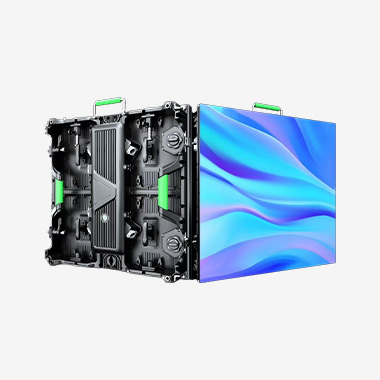
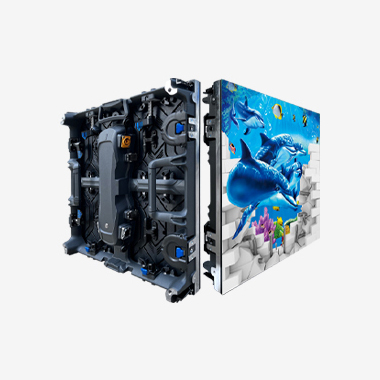
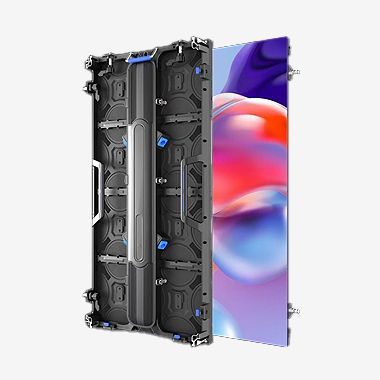
Portability and Ease of Installation Design: Since LED hire display screens are meant for temporary use, portability and ease of installation are key design considerations. The screens are typically designed with a modular structure, consisting of individual LED panels that can be easily assembled and disassembled. Lightweight yet durable materials, such as aluminum frames, are used to reduce the weight for transportation. Specialized connectors and mounting systems are incorporated to enable quick and secure installation, minimizing the time and effort required for setup and teardown at different event venues.
Construction Process
Modular LED Panel Fabrication: The construction of LED hire display screens begins with the fabrication of modular LED panels. These panels are the building blocks of the display and are designed to be standardized for easy interchangeability. Each panel contains multiple LED chips, a printed circuit board (PCB), and a protective cover. The LED chips are carefully mounted on the PCB, and electrical connections are made to ensure proper functionality. High - quality LED chips are selected for their brightness, color accuracy, and reliability. The protective cover is designed to shield the internal components from dust, moisture, and physical damage, ensuring the longevity of the panel.
Structural Framework Assembly: Once the LED panels are fabricated, the structural framework is assembled. The framework provides the support and stability for the LED panels and is typically made of lightweight and sturdy materials like aluminum trusses or steel frames. The framework is designed based on the size and shape of the display screen, ensuring a rigid and stable structure. Specialized connectors and brackets are used to secure the LED panels to the framework, allowing for easy installation and removal of the panels as needed.
Electrical and Control System Integration: After the structural assembly, the electrical and control systems are integrated into the display screen. The electrical system includes power supply units, wiring, and circuit breakers, which are responsible for providing the necessary electrical current to the LED panels. A reliable power distribution system is essential to ensure that all panels receive a consistent and stable power supply. The control system, consisting of a media player, control cards, and software, is used to manage the display of content on the screen. The media player can play various content formats, while the control cards and software enable the operator to adjust settings such as brightness, color, and image layout, and to switch between different content sources.
Testing and Quality Assurance: Before the LED hire display screen is deployed for an event, it undergoes rigorous testing and quality assurance procedures. This includes testing the functionality of each LED panel, checking the electrical connections for any faults, and calibrating the color and brightness of the entire display. The screen is also tested with different types of content, such as high - definition videos, images, and text, to ensure that it can handle various scenarios without any issues. Additionally, the display is tested for its durability and performance under different environmental conditions, such as temperature and humidity variations, to ensure its reliability during the event.
The operation of LED hire display screens is based on the principles of LED technology, digital signal processing, and display control systems, which work in harmony to create the vibrant and engaging visual displays that meet the diverse needs of different events.
LED Technology
At the heart of an LED display screen are the light - emitting diodes (LEDs). LEDs are semiconductor devices that emit light when an electric current passes through them. In a color LED display, a combination of red, green, and blue (RGB) LEDs is used to generate a wide spectrum of colors. Each pixel on the display screen is typically composed of multiple RGB LED chips, which work together to produce different hues and shades.
When an electric current is applied to an LED, electrons in the semiconductor material are excited from the valence band to the conduction band. As these excited electrons return to their original energy levels, they release energy in the form of photons, resulting in the emission of light. The color of the light emitted by an LED depends on the energy bandgap of the semiconductor material. By precisely controlling the intensity of the current flowing through each RGB LED chip within a pixel, the display screen can achieve accurate color reproduction. For example, to display a particular shade of yellow, the red and green LEDs within the pixel are illuminated with the appropriate intensities, while the blue LED remains off or at a very low intensity. Through this combination of red, green, and blue light at different intensities, a vast array of colors can be created, enabling the display of realistic and vivid images and videos on the LED screen.
Digital Signal Processing
To display the desired content on the LED display screen, digital signal processing techniques are employed. The content, such as pre - recorded videos, images, or live data feeds, is first processed by a computer or a media player. This initial processing involves tasks such as encoding the content into a suitable format, adjusting the resolution and frame rate to match the capabilities of the display screen, and adding any necessary effects or transitions.
The processed digital signal is then transmitted to the control system of the display screen. The control system divides the image or video into individual pixels and sends specific signals to each LED panel, specifying the intensity of the red, green, and blue LEDs for each pixel. These signals are transmitted through a network of cables or wireless communication protocols, depending on the design of the display system. The LED panels receive the signals and adjust the brightness of their respective RGB LEDs accordingly, creating the desired image or video on the display screen. For example, during a live event, the control system continuously receives real - time video signals from cameras, processes them, and sends the appropriate signals to the LED panels to display the live action on the screen.
Display Control Systems
Display control systems play a crucial role in the operation of LED hire display screens. The control system typically consists of a control console, software, and control cards. The control console is the interface used by the operator to manage and control the display screen. Operators can use the console to upload new content, switch between different content sources, and adjust the settings of the display screen, such as brightness, contrast, and color.
The software provides the functionality for content management, including the ability to create playlists, edit graphics, and add special effects. It also allows for real - time control of the display screen, enabling operators to respond quickly to changes during the event, such as switching to a different camera angle or displaying an emergency message. The control cards are responsible for receiving the control signals from the software and converting them into electrical signals that can be used to control the LED panels. They ensure that the LED panels receive the correct signals at the right time, allowing for the seamless display of content on the screen.
Advantages
Cost - Efficiency: One of the most significant advantages of LED hire display screens is cost - efficiency. Hiring eliminates the need for a large upfront investment in purchasing expensive LED display equipment. This is particularly beneficial for small and medium - sized businesses, event organizers on a budget, or those who only require the screens for short - term projects. Additionally, the hire service often includes installation, maintenance, and technical support, reducing the overall cost and hassle associated with operating the display screen.
Flexibility and Customization: LED hire services offer a high degree of flexibility. Users can choose the size, shape, and configuration of the display screen to suit the specific requirements of their event or application. Whether it's a small indoor meeting or a large outdoor festival, the ability to customize the display ensures that it fits perfectly into the event space and effectively conveys the intended message. Moreover, the content displayed on the screen can be easily updated and customized in real - time, allowing for dynamic and targeted messaging.
High - Quality Visuals: Modern LED hire display screens offer exceptional visual quality, with high brightness, vivid colors, and high resolution. This makes them ideal for attracting and engaging audiences, whether it's displaying product images, promotional videos, or event information. The high - quality visuals enhance the overall impact of the message, making it more memorable and effective.
Quick Setup and Teardown: LED hire display screens are designed for easy and quick installation and 拆卸. Their modular structure and specialized connectors allow for rapid assembly and disassembly, minimizing the time required to set up and tear down the display at different event venues. This efficiency is crucial for event organizers who often have limited time between events or need to move the display to multiple locations.
Challenges
Technical Complexity: Despite the ease of installation, LED display screens still involve a certain level of technical complexity. Ensuring proper electrical connections, configuring the control system, and troubleshooting technical issues require technical expertise. Any technical glitches during an event can disrupt the display and cause inconvenience to the client. To address this, hire companies need to provide comprehensive technical support and training to their clients or have on - site technicians available during the event.
Logistics and Transportation: Transporting and setting up LED hire display screens can be a logistical challenge, especially for large - scale displays. The screens are often bulky and heavy, requiring specialized transportation equipment and careful handling to prevent damage. Coordinating the delivery, installation, and pickup of the equipment within tight schedules can be complex, especially when dealing with multiple events in different locations. Hire companies need to have efficient logistics management systems in place to ensure smooth operations.
Compatibility Issues: LED hire display screens need to be compatible with various event equipment, such as cameras, audio systems, and media players. Ensuring compatibility between different brands and models of equipment can be difficult, as they may have different signal formats and communication protocols. This can lead to technical issues during the setup and operation of the display, requiring additional time and effort to resolve.
Content Creation and Management: Creating high - quality content that effectively utilizes the capabilities of the LED display screen can be a challenge. Event organizers need to have the skills and resources to produce engaging videos, graphics, and text that are suitable for the screen size and resolution. Additionally, managing the content during the event, including scheduling, updating, and switching between different content sources, requires careful planning and coordination.
Applications
Events and Conferences: LED hire display screens are widely used in events and conferences of all sizes. They are used for displaying keynote speeches, presentations, event schedules, and sponsor information. Large - scale LED screens can serve as main stages for presentations, while smaller screens can be used for wayfinding, displaying session details, or highlighting product demonstrations. The dynamic nature of LED displays allows for real - time updates, making them ideal for keeping attendees informed throughout the event.
Retail and Promotions: In the retail industry, LED hire display screens are used for in - store promotions, product launches, and window displays. They can showcase product images, videos, and special offers, attracting customers and increasing footfall. The ability to change the content easily allows retailers to adapt their promotions to different seasons, holidays, or customer segments, maximizing the effectiveness of their marketing campaigns.
Entertainment and Performances: LED hire display screens play a crucial role in the entertainment industry, including concerts, theater performances, and festivals. They are used as stage backdrops, displaying high - definition videos, animations, and live feeds of the performance. The large - scale and high - quality visuals enhance the overall atmosphere of the event, creating a more immersive experience for the audience.
Exhibitions and Trade Shows: At exhibitions and trade shows, LED hire display screens are used to attract visitors to booths, showcase products and services, and provide information about the company. The eye - catching displays can help businesses stand out in a crowded exhibition hall, generating leads and increasing brand awareness.
Future Trends
Higher Resolution and Image Quality: The future of LED hire display screens will see a continued trend towards higher resolutions, such as 8K and beyond. Higher resolutions will enable the display of more detailed and realistic images and videos, providing an even more immersive visual experience for the audience. This will be particularly beneficial for applications that require high - fidelity visuals, such as product showcases, film screenings, and virtual reality experiences.
Integration of Advanced Technologies: LED hire display screens will increasingly integrate advanced technologies such as artificial intelligence (AI), augmented reality (AR), and virtual reality (VR). AI can be used to optimize content display based on real - time data, such as audience demographics and behavior. AR and VR technologies can create interactive and immersive experiences, allowing users to engage with the display in new and innovative ways. For example, at a trade show, AR could be used to provide virtual product demonstrations, while VR could offer virtual tours of a company's facilities.
Energy - Efficiency and Sustainability: With the growing focus on environmental sustainability, future LED hire display screens will be designed to be more energy - efficient. Newer LED technologies, such as micro - LEDs and mini - LEDs, consume less power while providing brighter and more vibrant displays. Additionally, energy - harvesting technologies, such as solar - powered displays, may become more common, reducing the environmental impact of using LED screens.
Enhanced Interactivity and Connectivity: Future LED hire display screens will offer enhanced interactivity and connectivity features. Touch - screen capabilities, gesture recognition, and voice - control will allow users to directly interact with the display, making it more engaging and user - friendly. Connectivity features, such as Wi - Fi and Bluetooth, will enable seamless integration with other devices, allowing for real - time content sharing and remote control of the display.
Conclusion
LED hire display screens have become an essential tool in a wide range of industries and events, offering a cost - effective, flexible, and high - quality visual display solution. Their ability to deliver stunning visuals, adapt to different event requirements, and provide dynamic content has made them increasingly popular among event organizers, businesses, and individuals.
However, the use of LED hire display screens also comes with its own set of challenges, including technical complexity, logistics, compatibility issues, and content creation. Overcoming these challenges requires continuous innovation, improved technical support, and better - trained personnel.
Looking ahead, the future of LED hire display screens is promising, with advancements in resolution, integration of advanced technologies, energy - efficiency, and interactivity on the horizon. These developments will not only enhance the performance and capabilities of the display screens but also open up new opportunities for creative expression and audience engagement. As technology continues to evolve, LED hire display screens will undoubtedly play an even more significant role in shaping the way we communicate and experience visual content in the digital age.


Copyright © 2026 Shenzhen Cogo Technology Co.,Ltd.
All Rights Reserved

 Previous article