




 Chat Now
An LED display is a flat panel screen that uses an array of light-emitting diodes as pixels to create a video display. Their brightness, durability, and energy efficiency make them uniquely suited for outdoor applications, where they must contend with direct sunlight, rain, wind, and extreme temperatures. The core value proposition of an outdoor LED billboard is its ability to deliver dynamic, animated, and video content that captures attention far more effectively than a static image. This dynamism allows for multiple advertisers to share the same physical space through rotating ad slots, maximizing revenue potential for the screen owner.
The market for these displays has exploded, driven by advancements in technology that have improved resolution (pixel pitch), reliability, and affordability. They are now ubiquitous in Times Square, Piccadilly Circus, and along major highways and sports arenas worldwide. The applications extend beyond pure advertising to include public information dissemination, artistic installations, and live event broadcasting, making them multifunctional assets for cities and corporations.
The fundamental components of an outdoor LED system include the LED modules (which house the individual diodes), a structural cabinet to protect them from the elements, a powerful processing system to handle content, and robust networking equipment for remote management and content updates. This combination of hardware and software creates a powerful communication tool capable of reaching millions of consumers daily.
In essence, outdoor LED displays represent the convergence of digital technology and advertising. They offer unmatched flexibility, measurability, and engagement compared to any other out-of-home (OOH) advertising medium. They have created new revenue streams, transformed urban aesthetics, and set a new benchmark for how brands communicate in public spaces. As we delve deeper into their design, functionality, and future, it becomes clear that these are not just screens; they are the dynamic, beating heart of the 21st-century urban visual experience.
The design and construction of an outdoor LED display are feats of engineering that balance visual performance with extreme ruggedness. Unlike indoor screens, an outdoor unit must be a sealed, fortified system designed to withstand a hostile environment while maintaining perfect optical performance. Every component, from the smallest diode to the largest structural beam, is chosen and assembled with this dual purpose in mind.
The Pixel: The Heart of the Display
The fundamental building block is the LED pixel. Modern outdoor displays primarily use Surface-Mounted Device (SMD) technology. In an SMD design, the red, green, and blue (RGB) LED chips are mounted onto a single substrate, creating a compact, integrated pixel unit. This design allows for a closer pixel pitch (the distance between the centers of two pixels, measured in millimeters), which directly translates to a higher resolution and a sharper image. The LEDs themselves are incredibly bright, often reaching intensities of 5,000 to 8,000 nits or more, necessary to overcome direct sunlight and remain visible even at noon.
The Module and Cabinet: The Protective Shell
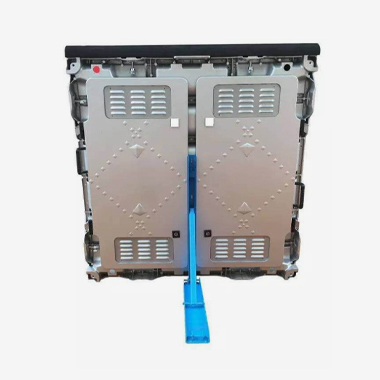
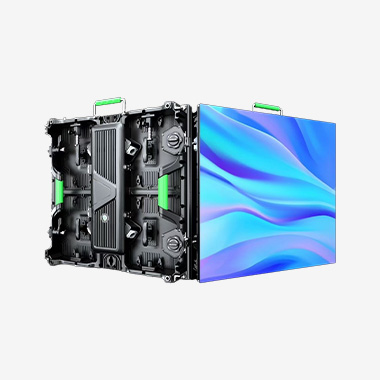
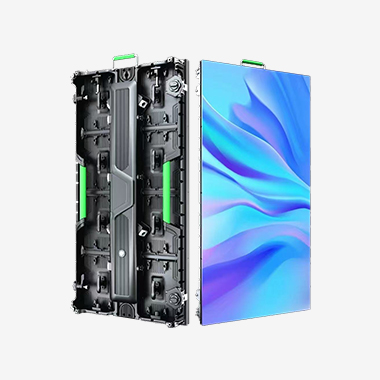
Individual LEDs are soldered onto printed circuit boards (PCBs) to form an LED module, typically containing a grid of 16x16 or 32x32 pixels. These modules are the replaceable units of the display. They are then mounted into heavy-duty aluminum or steel cabinets. These cabinets are the first line of defense. They are:
Weatherproof (IP65 Rated or Higher): This rating means they are "dust-tight" and protected against water jets from any direction, making them resistant to rain, snow, and dust storms.
Thermally Managed: LEDs generate heat, and excessive heat reduces their lifespan and color accuracy. Outdoor cabinets incorporate sophisticated cooling systems, often using passive heat sinks or forced-air convection with fans and vents that are designed to allow airflow while maintaining weather resistance. Some high-end systems use air-conditioning or liquid cooling for extreme climates.
Structurally Sound: Cabinets are designed to lock together seamlessly to form a large, flat viewing surface without visible gaps. They are engineered to withstand high wind loads, vibrations, and even seismic activity in some regions.
The Supporting Structure: Stability and Safety
The assembled cabinets are mounted onto a robust support structure, which can be a purpose-built steel pylon, the façade of a building, or a rooftop framework. This structure must be designed by certified engineers to handle the significant weight of the display (which can be tons) and the dynamic forces of wind, ensuring long-term stability and safety for the public and the building itself.
Internal Components: The Nervous System
Inside the cabinets lies the critical electronics:
Power Supplies: Convert mains electricity to the low-voltage DC power required by the LEDs. Redundancy is key, with multiple supplies often working in parallel to ensure the screen stays on if one fails.
Receiving Cards: Distribute data and power from the main controller to specific sections of the display.
Hubs and Cables: A complex network of data cables connects all modules, ensuring synchronized operation across the entire screen.
The design philosophy is one of redundancy, resilience, and serviceability. Modules can be quickly swapped out from the front without taking the entire display offline, minimizing maintenance downtime. This robust construction ensures that a quality outdoor LED display can operate 24/7/365 for a decade or more, providing a reliable platform for high-stakes advertising.
The operation of an outdoor LED display is a complex, real-time process of converting digital video signals into precisely controlled light. It’s a symphony of hardware and software working in perfect harmony to create the moving images we see.
1. Content Creation and Management:
The process begins with content. Advertisements are created as video files or animations, tailored to the specific resolution and aspect ratio of the LED screen. This content is uploaded to a content management system (CMS), a software platform that schedules which ads play at what times, manages advertiser campaigns, and can even pull in live data feeds (e.g., news, social media, or weather updates).
2. Data Transmission:
The CMS, often cloud-based, sends the scheduled content data to the on-site controller of the LED display via a secure internet connection. This is typically done using standard video protocols like HDMI or DVI, or network-based protocols for larger displays. For critical live broadcasts, redundant fiber optic lines are often used to ensure an uninterrupted signal.
3. The Video Processor: The Brain
The on-site controller or video processor is the core intelligence of the display. Its job is far more complex than simply relaying a video signal. It performs critical real-time functions:
Resolution Scaling: It takes the incoming video signal and scales it to match the native, often non-standard, resolution of the LED display.
Color Calibration and Correction: It ensures color consistency across the entire display, compensating for any variations between thousands of individual LED modules. This process, often called "color uniformity correction," is vital for a pristine image.
Brightness Adjustment: The processor receives input from a light sensor (photocell) mounted on the display. It automatically adjusts the overall brightness of the screen based on ambient light conditions—dimming at night to save energy and reduce light pollution, and ramping to maximum brightness during a sunny day.
Image Enhancement: Advanced processors can enhance video quality, improve contrast, and reduce noise to optimize the content for outdoor viewing.
4. Pixel Driving: The Muscle
The processed signal is broken down and distributed via receiving cards to the individual LED modules. Each module has its own driver Integrated Circuits (ICs). These chips are the workhorses that receive the data and provide the precise electrical current needed to illuminate each red, green, and blue sub-pixel to the exact required intensity.
The Principle of Persistence of Vision:
A single frame of video is sent to the display. The driver ICs use a technique called Pulse-Width Modulation (PWM) to control brightness. Instead of varying the voltage (which would change the color), PWM rapidly turns each LED on and off. The ratio of "on" time to "off" time within a very short cycle (microseconds) determines the perceived brightness. A 50% duty cycle looks half as bright as a 100% duty cycle. The human eye's persistence of vision blends these rapid pulses into a stable, solid color. By controlling the PWM for each of the three colors in a pixel, the driver IC can create millions of different color combinations.
This entire cycle—from processing to PWM driving—happens at a high refresh rate (often 1920Hz or higher for outdoor screens). A high refresh rate eliminates flicker, ensures smooth motion portrayal, and allows for clear video capture by cameras without rolling shutter effects. This seamless, real-time translation of data into light is what makes the vibrant, captivating imagery of modern LED billboards possible.
The adoption of LED technology in outdoor advertising has been meteoric, driven by a compelling set of advantages over traditional media. However, this technology is not without its significant challenges and criticisms.
Advantages:
Unmatched Impact and Engagement: Dynamic motion and video are inherently more attention-grabbing than static images. LED displays can tell stories, evoke emotions, and create spectacular visual experiences that leave a lasting impression on viewers, leading to higher brand recall.
Operational Flexibility and Timeliness: Content can be changed instantly from a remote location. This allows advertisers to run time-sensitive campaigns (e.g., promoting a same-day sale), react to current events, or even display live social media feeds. This "dayparting" capability is impossible with printed billboards.
Increased Revenue Potential: A single digital billboard can host multiple advertisers, rotating their spots every 6-10 seconds. This turns one advertising location into a multi-tenant platform, dramatically increasing its revenue-generating capacity for the owner.
Environmental and Economic Efficiency: While energy consumption is a challenge, digital displays eliminate the physical waste associated with printing, shipping, and installing vinyl sheets for traditional billboards. There are no printing costs or labor costs for frequent physical installations.
Measurability: While not as precise as online ads, digital OOH campaigns can be more accurately planned and measured using data analytics, traffic counts, and even integration with mobile data to gauge audience reach and demographics.
Durability and Reliability: Modern outdoor LED displays are built to last. With proper maintenance, they can operate continuously for over 100,000 hours, providing a long-term asset.
Challenges:
High Initial Investment: The upfront cost of purchasing and installing a large-format outdoor LED display is extremely high, often running into hundreds of thousands or even millions of dollars, creating a significant barrier to entry.
Energy Consumption: These are power-hungry devices. A large billboard can consume as much electricity as dozens of homes. While LED technology itself is efficient, the sheer scale and need for high brightness result in substantial operational costs and a large carbon footprint, though this is improving with newer technologies.
Light Pollution and Distraction: The intense brightness of these displays, particularly at night, has drawn criticism from communities and astronomers. There are ongoing concerns about their potential to distract drivers, leading to strict regulations on brightness levels, minimum display durations per ad, and their proximity to roads in many regions.
Maintenance and Downtime: While designed for reliability, these are complex electronic systems with thousands of components that can fail. Maintaining a consistent image requires regular servicing to replace failed modules, power supplies, and fans. This requires specialized technicians and can lead to costly downtime.
Regulatory and Permitting Hurdles: Many cities have strict zoning laws and permitting processes for digital signs, often driven by aesthetic and safety concerns. Navigating these regulations can be a lengthy and uncertain process.
Public Perception and "Visual Clutter": Some view the proliferation of large, bright screens as a form of visual pollution that detracts from the character of a city and contributes to sensory overload.
The industry's future growth depends on its ability to maximize its advantages while proactively addressing these challenges through technological innovation, responsible practices, and thoughtful regulation.
The application of outdoor LED technology has expanded far beyond the standard rectangular billboard, driven by creativity and technological advancement. Simultaneously, several key trends are shaping the future of this dynamic medium.
Expanding Applications:
Architectural Integration and Media Facades: LED systems are being seamlessly integrated into the exteriors of buildings, turning entire structures into dynamic canvases. These media facades can be used for artistic expression, branding, or creating immersive light shows, transforming skylines into interactive art.
Transparent LED Displays: These screens feature a fine mesh of LEDs that allow light to pass through. They can be installed on glass windows and facades of retail stores, airports, and shopping malls, providing advertising or information without completely obstructing the view from inside or the architectural design.
Stadium and Arena Entertainment: Massive LED screens are now standard in sports venues, providing instant replays, statistics, fan interactions, and sponsorship messages, greatly enhancing the live event experience.
Retail and Point-of-Sale (POS): In retail environments, digital signage provides dynamic pricing, promotes special offers, and creates an engaging brand atmosphere that can influence purchasing decisions at the critical moment.
Public Information and Wayfinding: Airports, train stations, and city centers use LED displays for real-time schedule information, emergency alerts, and directional guidance, serving a crucial public service function.
Future Trends:
Finer Pixel Pitches and Higher Resolution: The relentless drive for higher resolution continues. As pixel pitches shrink below P4 (4mm), "8K" outdoor billboards become feasible, enabling stunningly detailed images even at close viewing distances and challenging the quality of indoor screens.
Integration with AI and Data: Artificial Intelligence is the next frontier. AI algorithms can:
Optimize Content: Analyze real-time traffic and pedestrian data to serve the most relevant ad to the current audience (e.g., showing a coffee ad in the morning and a restaurant ad in the evening).
Enable Interaction: Use cameras (anonymously) to gauge audience demographics (age, gender) and engagement (dwell time), allowing for real-time content adjustment and performance analytics.
Improve Efficiency: AI can manage brightness and power consumption with even greater precision based on real-time weather and audience data.
Augmented Reality (AR) Integration: Outdoor LED screens will act as anchors for AR experiences. Viewers could point their smartphones at a billboard to unlock interactive games, additional product information, or special offers, bridging the gap between the physical and digital advertising worlds.
Sustainability Innovations: The focus on reducing energy consumption will intensify. This will be achieved through the development of more efficient LED chips, improved power supplies, and smarter management systems that minimize power usage without compromising visibility. The use of renewable energy sources, like integrated solar panels, will also be explored.
Curved, Flexible, and Irregular Shapes: Breakthroughs in module design will allow for easier creation of curved, cylindrical, and other non-rectangular display shapes, offering designers and advertisers new creative possibilities to capture attention.
The future of outdoor LED advertising is not just about showing ads; it's about creating context-aware, interactive, and immersive experiences that provide genuine value and engagement for the audience.
Conclusion
The journey of the outdoor LED display from a technological novelty to the dominant force in out-of-home advertising is a testament to its profound effectiveness and adaptability. It has successfully disrupted a centuries-old industry by offering what static media could not: dynamism, flexibility, and measurability. These screens have redefined urban visual culture, creating new iconic landmarks and turning cityscapes into ever-changing digital canvases.
The core strength of LED technology lies in its perfect alignment with the demands of modern communication. In an era defined by motion, video, and real-time information, the static poster was an anachronism. LED displays met the moment, providing a medium that could keep pace with the speed of digital marketing. The ability to change messaging instantly, to tell a story through animation, and to make advertising a live, relevant event has delivered unparalleled value to brands and advertisers.
However, as with any transformative technology, its ascent has not been without friction. The industry must continue to conscientiously address valid concerns regarding energy consumption, light pollution, and visual clutter through innovation and responsible practices. The future path will be paved with smarter, more efficient, and more integrated solutions. The convergence of AI, data analytics, and even AR promises to evolve the medium from a one-way broadcast channel to an interactive, context-aware communication platform.
In conclusion, the outdoor LED display is far more than a simple billboard; it is a sophisticated, powerful, and resilient tool that sits at the intersection of technology, advertising, and urban design. It has proven its value and its staying power. As the technology continues to advance, becoming more integrated, interactive, and intelligent, its role as the luminous pulse of modern outdoor media is not only secure but destined to grow ever more vibrant and essential. It has not just changed the face of advertising; it has permanently illuminated it.


Copyright © 2026 Shenzhen Cogo Technology Co.,Ltd.
All Rights Reserved

 Previous article