




 Chat Now
In the contemporary landscape of professional communication and corporate events, LED visual display screens have emerged as an indispensable tool for conferences, transforming the way information is presented, shared, and consumed. Conferences serve as platforms for knowledge exchange, business networking, and idea dissemination, and the quality of visual displays plays a crucial role in enhancing the overall effectiveness and impact of these events. LED visual display screens, with their high - definition imagery, vibrant color reproduction, and large - format capabilities, have become the preferred choice for conference organizers seeking to create engaging, informative, and memorable experiences for attendees.
At their core, LED visual display screens for conferences are composed of arrays of light - emitting diodes that work in unison to generate sharp, clear, and dynamic visuals. Unlike traditional projection systems that can be affected by ambient light and suffer from issues such as image distortion and pixelation, LED screens offer consistent brightness, contrast, and color accuracy across the entire display area. This makes them ideal for presenting a wide range of content, from detailed PowerPoint presentations and high - resolution videos to live event feeds and interactive graphics.
The adoption of LED visual display screens in conferences has been driven by several factors. Firstly, the increasing demand for high - quality visual experiences in professional settings has led to a preference for displays that can deliver crystal - clear images and videos. With the growth of digital content creation and the prevalence of high - definition media, attendees expect nothing less than top - notch visual presentations at conferences. Secondly, the flexibility and scalability of LED screens make them suitable for various conference venues, ranging from small meeting rooms to large convention centers. They can be customized to fit the specific requirements of each event, whether it's a single - screen setup for an intimate seminar or a multi - screen configuration for a large - scale international conference.
Moreover, LED visual display screens offer enhanced interactivity and engagement opportunities. Many modern LED screens are equipped with touch - screen capabilities, motion sensors, and other interactive features, allowing presenters to engage with the audience in new and innovative ways. For example, presenters can use touch - screen controls to navigate through presentations, annotate on - screen content in real - time, or conduct live polls and surveys, fostering a more interactive and participatory conference environment. However, while LED visual display screens bring numerous benefits to conferences, they also come with certain challenges, including high initial investment costs, technical installation complexities, and the need for ongoing maintenance.
The design and construction of LED visual display screens for conferences are meticulous processes that require a combination of technical expertise and creative vision. The design phase begins with a comprehensive assessment of the conference's specific requirements, including the size and layout of the venue, the nature of the content to be displayed, the expected audience size, and the overall event budget.
One of the primary considerations in the design of LED visual display screens is the determination of the appropriate screen size and resolution. For large - scale conferences with a significant number of attendees, larger screens with higher resolutions are typically preferred to ensure that the content is visible and legible from all areas of the venue. On the other hand, for smaller, more intimate conferences, a smaller screen may suffice, allowing for a more focused and personal viewing experience. Pixel pitch, which refers to the distance between the centers of two adjacent pixels, is also a crucial factor. A smaller pixel pitch results in a higher - resolution display, which is essential for presenting detailed text, images, and videos. However, smaller pixel pitch screens are generally more expensive, so a balance must be struck between image quality and cost.
Once the size and resolution requirements are established, the selection of LED modules is a critical step in the construction process. LED modules come in various sizes, shapes, and specifications, each with its own unique characteristics. Key factors to consider when choosing LED modules include brightness, contrast ratio, color accuracy, viewing angle, and durability. High - brightness modules are essential for venues with bright ambient lighting, while a high contrast ratio ensures that the displayed images have deep blacks and vibrant colors. Additionally, wide - viewing - angle modules are preferred to ensure that the content can be clearly seen from different positions within the conference hall.
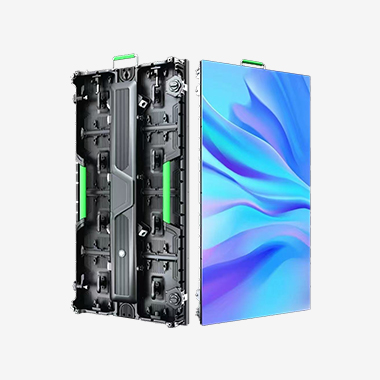
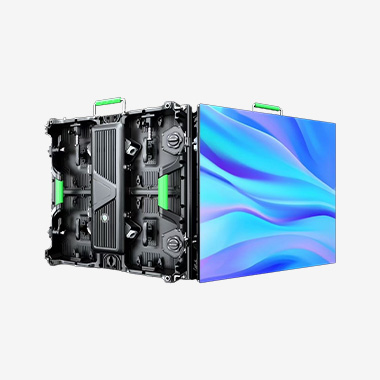
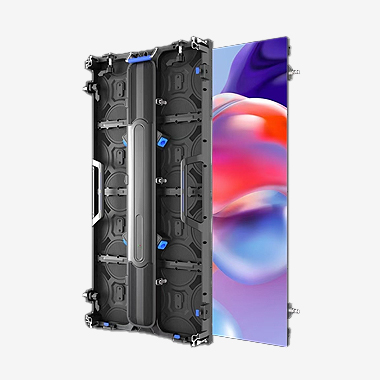
The physical construction of the LED visual display screen involves assembling the selected LED modules into a sturdy and reliable structure. Specialized mounting systems are used to support the weight of the modules and ensure a stable and flat surface. In some cases, the screen may need to be installed on a wall, while in others, it may be suspended from the ceiling or mounted on a freestanding frame. The modules are carefully connected to each other, both electrically and mechanically, to form a seamless display. Additionally, a cooling system may be incorporated to prevent overheating of the LED modules, especially during long - duration conferences.
In addition to the physical screen, the design also includes the integration of control systems and software. The control system is responsible for driving the LED modules, processing video signals, and enabling features such as image scaling, rotation, and multi - window display. Advanced control systems can support a wide range of video input sources, including HDMI, VGA, SDI, and USB. Software applications are used for content management, allowing conference organizers to schedule playlists, update content in real - time, and control the display settings. These software tools often come with user - friendly interfaces that enable easy operation and customization of the LED screen's visual output.
The working principles of LED visual display screens for conferences are based on the phenomenon of electroluminescence, where an electric current passing through a semiconductor material (the LED) causes the emission of light. Each LED in the display matrix can be individually controlled to emit light of different intensities and colors, enabling the creation of a vast range of visual images.
The basic components of an LED visual display screen system include the LED modules, the control system, the power supply, and the video processing equipment. The LED modules are the building blocks of the screen, containing the actual LEDs and the necessary circuitry for signal processing and power management. When a video signal is received by the control system, it is first digitized and then processed to determine the appropriate brightness and color values for each LED in the display matrix. This information is then sent to the LED modules in the form of electrical signals.
Each LED module has a driver circuit that interprets the signals from the control system and controls the current flowing through the individual LEDs. By adjusting the current, the brightness of each LED can be precisely regulated, allowing for the creation of different shades and intensities of light. To produce a full - color image, each pixel in the LED display typically consists of three individual LEDs: one red, one green, and one blue (RGB). Through additive color mixing, varying the intensity of these three primary colors can generate a wide spectrum of colors, enabling the display of high - quality, true - to - life images and videos.
The control system plays a crucial role in the operation of the LED visual display screen. It receives video signals from various sources, such as computers, media servers, cameras, or DVD players, and processes them to ensure compatibility with the LED display. The control system can perform functions such as image scaling to fit the screen size, frame rate conversion to match the display's refresh rate, and color correction to enhance the visual quality. Some advanced control systems also support features like real - time video effects, such as fading, transitions, and overlays, which can be used to create more dynamic and engaging visual presentations.
To ensure smooth and reliable operation, LED visual display screens for conferences often incorporate features such as high - refresh rates. A high - refresh - rate display reduces flicker and improves the clarity of fast - moving images, which is essential for presentations that include videos, animations, or live event feeds. Additionally, many LED screens are designed to be compatible with industry - standard protocols and interfaces, making it easier to integrate them with other conference equipment, such as audio systems, wireless presentation devices, and room control systems.
Advantages
One of the most significant advantages of LED visual display screens for conferences is their superior visual quality. With high - resolution displays, excellent color accuracy, and wide viewing angles, LED screens can present content in a clear, sharp, and vibrant manner, ensuring that every attendee has a great view of the presentation. Whether it's a detailed scientific diagram, a high - definition product image, or a live video stream, LED screens can reproduce the content with stunning clarity and detail, enhancing the overall impact of the presentation.
Another major advantage is the flexibility and versatility of LED visual display screens. They can be customized to fit any conference venue and layout, and their modular design allows for easy expansion or reconfiguration. Conference organizers can choose from a variety of screen sizes, shapes, and configurations, including flat screens, curved screens, and video walls, to create the perfect visual setup for their event. Additionally, LED screens can display a wide variety of content, including static images, videos, presentations, and live data feeds, providing endless possibilities for creative and engaging presentations.
LED visual display screens also offer long - term durability and relatively low maintenance requirements. LEDs have a long lifespan, typically lasting up to 100,000 hours or more, which means they can withstand the rigors of frequent use in conference settings. Moreover, since LED screens do not have a backlight or other components that are prone to failure, the need for frequent repairs and replacements is minimized. This reduces the overall cost of ownership and ensures that the screen remains in good working condition for an extended period.
Energy efficiency is another key advantage of LED technology. Compared to traditional lighting and display technologies, LED visual display screens consume less power, which not only reduces the environmental impact but also results in lower operating costs for conference organizers. The ability to control the brightness of each individual LED also allows for further energy savings, as the screen can be adjusted according to the specific lighting requirements of the conference room.
Challenges
Despite their many advantages, LED visual display screens for conferences also face several challenges. The high initial cost of purchasing and installing an LED visual display screen is often a significant barrier for many conference organizers, especially smaller organizations or those with limited budgets. The cost includes not only the LED screen itself but also the control systems, mounting structures, installation services, and software licenses. This high upfront investment may limit the accessibility of LED screens for some conferences.
Technical installation and operation of LED visual display screens require specialized skills and knowledge. Incorrect installation can lead to issues such as uneven brightness, color discrepancies, and poor image quality. Ensuring proper alignment of the LED modules, correct connection of the control systems, and reliable power supply are all critical aspects of the installation process. Additionally, operating the LED screen and its associated software and control systems can be complex, requiring trained technicians to manage the content and settings during the conference.
Regular maintenance is necessary to keep the LED visual display screen in optimal condition. Over time, individual LEDs may fail, or the screen may experience issues with color calibration or brightness uniformity. Maintenance tasks may include replacing faulty LED modules, cleaning the screen to remove dust and debris, and performing software updates to ensure the control system is functioning properly. While the maintenance requirements of LED screens are relatively low compared to some other technologies, they still represent an ongoing cost and effort for conference organizers.
Compatibility issues can also arise when integrating LED visual display screens with other conference equipment, such as audio systems, video conferencing devices, and wireless presentation tools. Ensuring seamless compatibility between different systems requires careful planning and testing during the design and installation phases. Any technical glitches or compatibility problems can disrupt the flow of the conference and negatively impact the overall attendee experience.
Applications
LED visual display screens have a wide range of applications in conferences. In keynote sessions, they are used to display high - impact presentations, live video feeds of speakers, and corporate branding materials, ensuring that all attendees have a clear view of the content. The large - format and high - resolution capabilities of LED screens make them ideal for presenting complex information in an easy - to - understand and visually appealing manner.
In breakout sessions and workshops, LED visual display screens can be used to display presentation slides, video tutorials, and interactive content, facilitating more focused and engaging discussions. Presenters can use touch - screen capabilities to annotate on - screen content, conduct live polls, and answer questions from the audience, enhancing the interactivity of the session.
LED visual display screens are also commonly used for displaying wayfinding information, schedules, and announcements throughout the conference venue. This helps attendees navigate the event, stay informed about the schedule, and find important locations such as registration desks, restrooms, and meeting rooms. Additionally, LED screens can be used for branding and marketing purposes, displaying corporate logos, sponsor messages, and promotional materials, increasing brand visibility and awareness.
In video conferencing and remote participation, LED visual display screens play a crucial role in providing clear and high - quality video feeds of remote speakers and participants. The large - scale display allows for better visibility of remote presenters, facilitating effective communication and collaboration between in - person and remote attendees.
Future Trends
The future of LED visual display screens for conferences looks promising, with several exciting trends on the horizon. One of the key trends is the continued development of higher - resolution displays. As technology advances, we can expect to see more widespread adoption of 8K and even higher - resolution LED screens, offering even more detailed and lifelike visuals. This will be particularly beneficial for conferences that require the presentation of complex data, high - definition images, and detailed scientific diagrams.
Another trend is the integration of advanced technologies such as artificial intelligence (AI), augmented reality (AR), and virtual reality (VR) with LED visual display screens. AI can be used to optimize the performance of the screen, such as automatically adjusting the brightness and color settings based on the ambient lighting conditions or the type of content being displayed. AR and VR technologies can be used to create more immersive and interactive conference experiences, allowing attendees to engage with virtual content and environments in new and innovative ways.
The trend towards more energy - efficient and sustainable LED visual display technologies is also likely to continue. As environmental concerns grow, there will be an increasing demand for display solutions that consume less power and use more environmentally friendly materials. Manufacturers are likely to focus on developing more energy - saving features, such as intelligent power management systems, and using recyclable materials in the production of LED screens.
The development of more intelligent and interactive LED visual display screens is another future trend. Future screens may incorporate features such as voice control, gesture recognition, and facial recognition, making them more intuitive and user - friendly. These advanced features will enable presenters to interact with the screen more naturally and seamlessly, enhancing the overall presentation experience.
Conclusion
In conclusion, LED visual display screens have become an essential component of modern conferences, offering superior visual quality, flexibility, durability, and energy efficiency. Their ability to enhance the presentation of information, facilitate interactivity, and create engaging experiences for attendees has made them the preferred choice for conference organizers around the world.
Despite the challenges associated with high initial costs, technical installation, maintenance, and compatibility issues, the numerous advantages of LED visual display screens far outweigh the drawbacks. The wide range of applications in keynote sessions, breakout sessions, wayfinding, and video conferencing demonstrates their versatility and importance in the conference environment.
Looking to the future, the continued advancement of LED technology, the integration of advanced technologies, and the focus on sustainability and interactivity will undoubtedly lead to even more innovative and impactful uses of LED visual display screens in conferences. As the conference industry continues to evolve, LED visual display screens will play an increasingly crucial role in shaping the future of professional communication and event experiences, providing attendees with more engaging, informative, and memorable conference experiences.


Copyright © 2026 Shenzhen Cogo Technology Co.,Ltd.
All Rights Reserved

 Previous article