




 Chat Now
LED TV display screens have become indispensable in control rooms across industries such as energy, transportation, emergency services, and military operations. These large-format, high-resolution displays provide operators with real-time situational awareness, enabling rapid decision-making in critical environments. Unlike traditional monitors, LED TV screens offer superior brightness, contrast, and color accuracy, ensuring visibility even in brightly lit or complex operational settings. Their modular design allows for seamless tiling of multiple panels, creating expansive video walls that display diverse data streams—from surveillance feeds and system diagnostics to weather maps and communication logs—in a unified interface.
The adoption of LED technology in control rooms is driven by its reliability, scalability, and ability to integrate with advanced software systems. Modern LED displays support 24/7 operation, critical for applications requiring constant monitoring. Additionally, their low-latency performance ensures minimal delay in data visualization, a vital factor in time-sensitive scenarios like air traffic control or disaster response. As control rooms evolve toward centralized command centers, LED TV screens are also embracing features like multi-touch interactivity and AI-driven analytics, further enhancing operational efficiency.
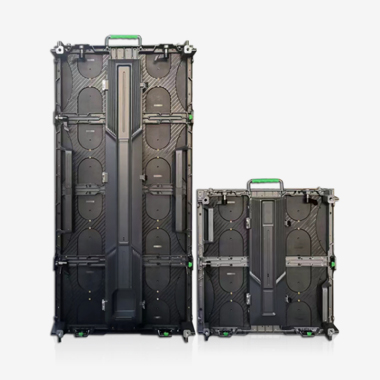
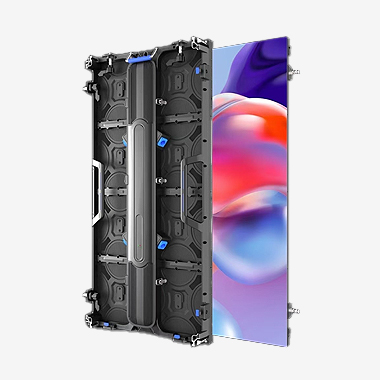
The design of LED TV screens for control rooms prioritizes durability, ergonomic integration, and optimal viewing angles. Structural considerations begin with selecting the appropriate display type: direct-view LED (DV-LED) panels are preferred for their brightness and seamless bezel-free tiling, while mini-LED backlit LCDs offer cost-effective alternatives with high contrast ratios. For video walls, modular cabinets with magnetic alignment systems simplify installation, ensuring uniform spacing and minimizing visual distractions.
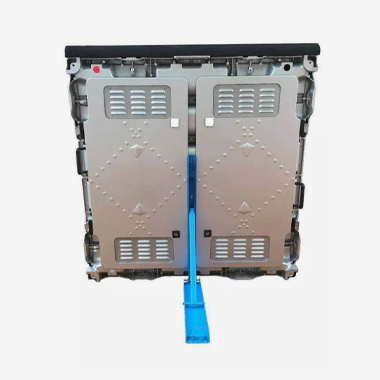
Cabinet materials like aluminum or reinforced plastic are chosen for their lightweight yet robust properties, facilitating wall mounting or freestanding setups. Thermal management is critical; passive cooling via heat sinks or active systems like fans prevents overheating during prolonged use. Cabling infrastructure is also meticulously planned, with hidden conduits for power and data lines to maintain a clutter-free environment.
Control room layouts influence screen placement. Curved displays may be used to wrap around operators, creating an immersive field of view, while flat walls are ideal for centralized monitoring stations. Accessibility features, such as front-serviceable modules, allow technicians to replace faulty components without dismantling the entire setup. Finally, ambient light sensors adjust screen brightness dynamically, reducing eye strain in varying lighting conditions.
LED TV screens operate by emitting light directly from semiconductor diodes, eliminating the need for backlighting found in traditional LCDs. Each pixel comprises red, green, and blue (RGB) LEDs, whose intensity is controlled via pulse-width modulation (PWM) to produce millions of colors. High-resolution displays (e.g., 4K or 8K) achieve pixel densities exceeding 100 PPI, ensuring crisp text and imagery even at close viewing distances.
The control system acts as the brain, processing input signals from multiple sources—such as CCTV cameras, SCADA systems, or network servers—and distributing them across the display grid. Advanced controllers support features like picture-in-picture (PiP), window splitting, and real-time data overlay, enabling operators to monitor disparate feeds simultaneously. For video walls, synchronization protocols ensure seamless transitions between panels, preventing image tearing or misalignment.
Thermal regulation is managed through a combination of conductive materials and airflow design. Some models incorporate liquid cooling loops for high-heat applications, while others rely on natural convection. Energy efficiency is optimized via adaptive brightness control and low-power standby modes, reducing operational costs in 24/7 environments.
Advantages
Superior Visibility: LED screens offer high brightness (≥1,000 nits) and contrast ratios (10,000:1+), making them readable in direct sunlight or low-light conditions.
Scalability: Modular designs allow control rooms to expand displays incrementally without replacing entire systems.
Reliability: LEDs have lifespans exceeding 100,000 hours, minimizing downtime and maintenance costs.
Interactivity: Touch-enabled models support gesture control and annotation, facilitating collaborative decision-making.
Integration: Compatibility with IoT platforms and AI analytics enables predictive maintenance and automated alert systems.
Challenges
Initial Cost: High-resolution LED video walls can cost upwards of $50,000, posing budget constraints for smaller organizations.
Complex Installation: Tiling panels requires precise calibration to avoid color mismatches or bezels disrupting the visual flow.
Heat Generation: Large displays generate significant heat, necessitating robust cooling solutions that add to system complexity.
Content Management: Operating multiple data streams demands sophisticated software to prevent information overload and ensure usability.
Obsolescence Risk: Rapid technological advancements may render displays outdated within 5–7 years, requiring frequent upgrades.
Applications
Energy Sector: Monitoring power grid stability, renewable energy output, and outage responses via real-time dashboards.
Transportation: Air traffic control towers use LED walls to track aircraft movements, weather patterns, and communication logs.
Emergency Services: Police and fire departments rely on multi-feed displays to coordinate responses during crises.
Military Operations: Command centers deploy curved LED screens for 360° situational awareness in battlefield simulations.
Manufacturing: Smart factories visualize production lines, quality control metrics, and supply chain data on centralized displays.
Future Trends
MicroLED Technology: Smaller, more efficient diodes will enable thinner, brighter displays with lower power consumption.
AI Integration: LED screens will use machine learning to prioritize alerts, highlight anomalies, and automate routine tasks.
Flexible Displays: Rollable or bendable LED panels will allow dynamic reconfiguration of control room layouts.
Augmented Reality (AR): Overlaying digital information onto physical displays will enhance operator comprehension of complex data.
Sustainability: Manufacturers are developing recyclable LED panels and solar-powered systems to reduce environmental impact.
Conclusion
LED TV display screens have transformed control rooms into high-tech hubs of efficiency and resilience. Their ability to deliver clear, actionable insights in real time makes them indispensable for industries where split-second decisions matter. While challenges like cost and complexity persist, ongoing innovations in modular design, AI integration, and energy efficiency are addressing these barriers, making LED technology more accessible than ever.
As control rooms continue to evolve toward智能化 (intelligent) and interconnected ecosystems, LED displays will remain at the core, driving advancements in situational awareness and operational agility. For organizations investing in these systems, the long-term benefits—enhanced safety, reduced downtime, and improved decision-making—far outweigh the initial costs, cementing LED TV screens as the future of critical monitoring infrastructure.


Copyright © 2026 Shenzhen Cogo Technology Co.,Ltd.
All Rights Reserved

 Previous article