




 Chat Now
An LED TV display screen for commercial advertising is a specialized digital display system that combines the form factor of a traditional TV with the durability, brightness, and content flexibility required for commercial advertising scenarios. Unlike consumer-grade LED TVs (designed for home entertainment with limited brightness and lifespan), this technology is engineered for 12–24 hours of daily operation, delivering high-visibility visuals (2,000–5,000 nits) and supporting commercial-specific features like remote content management, scheduled playback, and ruggedized design. It is ideal for commercial spaces such as retail stores, restaurants, hotels, airports, and convenience stores—where targeted, dynamic advertising needs to align with space constraints and high-traffic environments.
At its core, the system features a sleek, all-in-one design (no separate control boxes) with screen sizes ranging from 32 inches (countertop displays) to 86 inches (wall-mounted advertising hubs). Key specifications are tailored to advertising goals: resolutions span 1080p (smaller screens) to 4K (larger models) for sharp text and product details; contrast ratios of 5,000:1 ensure vibrant colors (critical for brand logos and promotional visuals); and refresh rates of 60–120Hz guarantee smooth playback of short ad videos or rotating image slideshows. Unlike large-format LED walls, it requires no modular assembly—arriving pre-calibrated and ready to install, significantly reducing deployment time.
Demand for this technology has grown rapidly with the rise of “point-of-purchase” (POP) advertising, which drives 20–30% of in-store sales according to retail industry data. For example, a coffee shop might install a 55-inch commercial LED TV behind the counter to display daily specials and loyalty program ads, updating content via a tablet. A clothing retailer could place 43-inch models in fitting rooms to showcase styling tips or complementary products, increasing cross-selling opportunities. Airports use 75–86-inch commercial LED TVs in terminal waiting areas to display brand ads and travel information, leveraging high brightness to cut through ambient lighting.
What sets this system apart is its balance of familiarity and commercial utility. It retains the compact, plug-and-play convenience of a consumer TV but adds features critical for advertising: built-in media players with USB/cloud connectivity, anti-burn-in technology (for static ads), and energy-saving modes (to reduce operational costs). As businesses seek cost-effective, space-efficient alternatives to traditional posters or large LED walls, the commercial advertising LED TV has become a staple—proving that effective advertising can be delivered without sacrificing space or simplicity.
The design and construction of an LED TV display screen for commercial advertising prioritize three core goals: durability for continuous commercial use, brightness/visibility for advertising impact, and user-friendly features for easy content management. Every component is engineered to balance these priorities, ensuring the screen performs reliably in high-traffic, variable-light commercial environments.
Component Design: Commercial-Grade Durability and Visibility
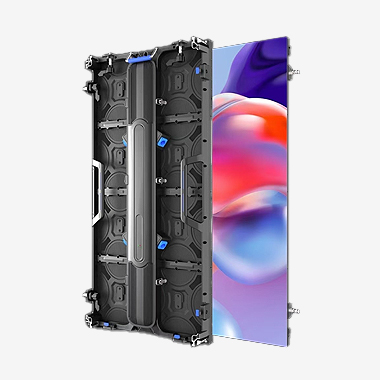
The LED panel is the foundation, using high-lumen RGB LED backlighting (2,000–5,000 nits) to ensure visibility in bright commercial spaces (e.g., sunlit retail floors, airport terminals). Unlike consumer TV panels (which use edge-lit LEDs for thinness), commercial models often use direct-lit LED arrays—delivering more uniform brightness across the screen and reducing the risk of “hot spots” (bright areas) that distract from ad content. The panel is coated with an anti-glare (AG) film that reduces reflection by 40–50%, critical for displays near windows or overhead lighting.
To prevent burn-in (a common issue with static ads), the panel includes a “pixel shifting” feature that slightly moves content every 10–15 minutes—avoiding permanent image retention on static elements like logos or text. The panel also uses a scratch-resistant tempered glass cover (9H hardness) to withstand accidental contact (e.g., shopping carts, customer bumps in retail stores) or cleaning with commercial-grade cleaners.
The built-in media player is optimized for commercial advertising. It supports multiple content formats (JPEG, PNG, MP4, H.265) and connects via Wi-Fi, Ethernet, or USB—allowing remote content updates (via cloud software) or local updates (via a flash drive). For multi-screen networks (e.g., a retail chain with 50 stores), the media player integrates with enterprise-grade signage software, enabling centralized scheduling (e.g., “play breakfast ads 7–10 AM, lunch ads 12–2 PM”) and real-time content pushes (e.g., a “flash sale” alert).
Structural and Enclosure Design: Space-Efficient and Rugged
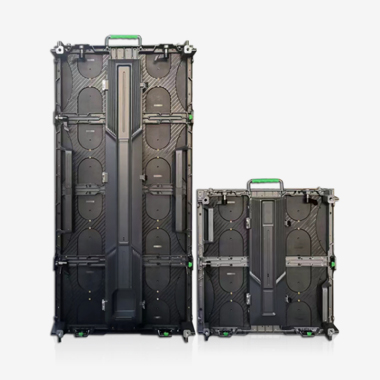
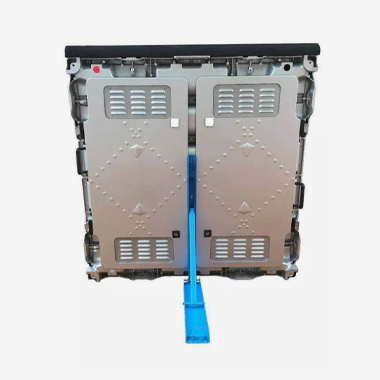
The enclosure is designed for compactness and durability, with a slim profile (40–60mm thick) that fits in space-constrained commercial areas (e.g., countertop corners, fitting room walls). The frame uses lightweight aluminum alloy (vs. plastic in consumer TVs) to resist warping or damage from temperature fluctuations (common in retail or hospitality spaces with variable HVAC). For wall-mounted models, the back panel includes VESA mounting holes (standard 200x200mm or 400x400mm) compatible with commercial-grade mounting brackets—supporting up to 2x the screen’s weight for stability in high-traffic areas.
Ventilation is critical for continuous operation: the enclosure includes hidden air vents along the top/bottom edges, paired with a quiet fan system (on larger models) that dissipates heat without creating noise (≤30dB)—ideal for quiet spaces like cafes or hotel lobbies. The power supply is internal and ruggedized, with surge protection (up to 2,000V) to handle voltage fluctuations common in commercial buildings.
User-Centric and Safety Features
Commercial-specific user features simplify operation for non-technical staff. The TV includes a hidden control panel (accessible via a small door on the back) with basic buttons for power, volume, and input selection, plus a USB port for quick content uploads. A remote control with large, labeled buttons (e.g., “Update Content,” “Adjust Brightness”) is included, with backlighting for use in dim spaces (e.g., movie theater lobbies).
Safety compliance is a priority: the enclosure meets IP54 dust/water resistance standards (for splash protection in cafes or food courts) and is certified to UL 60950-1 (for electrical safety in public spaces). The screen also includes a “child lock” feature to prevent unauthorized changes to settings (e.g., customers adjusting volume or switching inputs in retail stores). For energy efficiency, a built-in motion sensor (on premium models) dims the screen to 50% brightness when no one is nearby (e.g., a convenience store after midnight), reducing power use by 30–40%.
The working principle of an LED TV display screen for commercial advertising revolves around three interconnected mechanisms: high-brightness LED backlighting for visibility, integrated media playback for advertising content, and adaptive features for commercial environment resilience—all optimized to deliver consistent, impactful ads in high-traffic spaces.
Stage 1: High-Brightness LED Backlighting Activation
At the core is the activation of direct-lit LED backlighting via a commercial-grade driver circuit. The driver converts AC commercial power (110V/220V) to low-voltage DC (12V) and regulates current to the LED array. Unlike consumer TVs (which use fixed brightness), commercial models use a “dynamic brightness control” system that adjusts backlight intensity based on content and ambient light:
For bright ad content (e.g., white backgrounds with bold text), the driver increases current to maximize brightness (3,000–5,000 nits) to cut through ambient lighting.
For dark content (e.g., product videos with black backgrounds), it reduces current by 50–60%, saving energy without compromising visibility.
Ambient light sensors (mounted on the screen’s bezel) measure light levels (100–1,000 lux) and send data to the driver, which adjusts brightness in real time—e.g., dimming to 2,000 nits in a dim coffee shop, or boosting to 4,000 nits in a sunlit retail store.
The direct-lit LED array ensures uniform brightness across the screen, with no “edge darkening” common in consumer edge-lit TVs—critical for ad content that spans the entire screen (e.g., full-width product images).
Stage 2: Integrated Media Playback for Advertising
The built-in media player processes and displays advertising content, streamlining the workflow for commercial users. It operates in two primary modes:
Local Playback: Content stored on a USB drive or internal memory (8–32GB) is automatically played in a loop or scheduled sequence. Users can create playlists via a web-based interface (e.g., “ad 1: 10 seconds, ad 2: 15 seconds, static image: 20 seconds”) to avoid manual content changes.
Remote Management: Cloud-based signage software (e.g., ScreenCloud, NoviSign) allows users to upload content, schedule playback, and monitor screen status from a smartphone or computer. For example, a retail chain’s marketing team can push a new “weekend sale” ad to 100 stores simultaneously, with the media player downloading and displaying the content within minutes.
The media player includes “content optimization” tools that automatically scale images/videos to fit the screen’s resolution (e.g., 1080p, 4K) and adjust aspect ratio (16:9, 4:3) to avoid stretching. For static ads, the anti-burn-in pixel shifting feature activates every 10 minutes, moving content by 1–2 pixels to prevent permanent image retention—a critical safeguard for ads that run for hours at a time.
Stage 3: Adaptive Resilience for Commercial Environments
The system includes adaptive features to handle the demands of commercial use:
Thermal Management: Temperature sensors monitor internal heat levels (critical for 24/7 operation). If temperatures exceed 55°C, the fan speed increases (on larger models) or brightness is reduced by 10–15% to cool the system—preventing component damage.
Power Surge Protection: The internal power supply includes a surge protector that diverts excess voltage (e.g., from commercial grid fluctuations) to a ground wire, protecting the LED panel and media player.
Fault Recovery: If the screen freezes or loses power, a “auto-reboot” feature restarts the system and resumes playback within 30 seconds—minimizing downtime for time-sensitive ads (e.g., lunch specials in a cafe).
These adaptive mechanisms ensure the screen remains reliable even in harsh commercial conditions—from dusty retail stockrooms to humid hotel lobbies—delivering consistent advertising impact without frequent maintenance.
LED TV display screens for commercial advertising offer unique advantages for businesses seeking space-efficient, cost-effective advertising solutions, but they also face challenges tied to their TV form factor and commercial use constraints. Understanding these pros and cons is critical for retailers, hospitality managers, and advertisers considering adoption.
Key Advantages
1. Space-Efficiency and Easy Deployment
The primary advantage is their compact, all-in-one design—eliminating the need for large enclosures or modular assembly. Unlike large LED walls (which require significant wall space and professional installation), commercial LED TVs range from 32–86 inches, fitting in tight commercial spaces like countertop corners, fitting rooms, or small retail aisles. A 55-inch model can be wall-mounted in 30 minutes by one person using standard tools, while a 32-inch countertop model simply plugs into a power outlet. This ease of deployment is critical for businesses with limited time or technical resources—e.g., a pop-up shop can set up a commercial LED TV in an hour to start displaying ads immediately. For multi-location businesses (e.g., a fast-food chain), this simplicity reduces installation costs by 50–70% compared to large LED walls.
2. Cost-Effectiveness for Small-to-Medium Commercial Spaces
Commercial LED TVs are significantly more affordable than large LED walls or digital billboards. A 55-inch 4K commercial LED TV costs
800–1,500, vs.5,000–10,000 for a small 4x3m LED wall. This lower upfront cost makes them accessible to small businesses (e.g., local cafes, boutique shops) that cannot afford larger digital signage. Additionally, their energy efficiency reduces operational costs: a 55-inch model uses 80–120W per hour, vs. 300–500W for a small LED wall. For 12-hour daily use, this translates to
40–70 in annual energy costs per screen—far less than larger displays. Over the screen’s 5–7 year lifespan, total cost of ownership is 60–80% lower than large LED walls, making them a high-ROI choice for small-to-medium commercial spaces.
3. Dynamic Content and Targeted Advertising
Unlike static posters (which require manual replacement and cannot be updated quickly), commercial LED TVs support dynamic content—short videos, rotating image slideshows, and real-time updates. A restaurant can update its menu ads hourly to reflect “sold out” items, while a retail store can push a “flash sale” alert to all its TVs in 5 minutes via cloud software. This flexibility enables targeted advertising: a clothing store can display winter coat ads in cold weather, then switch to summer dresses when temperatures rise. Interactive features like QR codes further enhance targeting—viewers can scan the TV to access personalized discounts (e.g., “20% off your next purchase”) or product details, turning passive viewing into active customer engagement. Studies show dynamic digital ads on commercial LED TVs increase customer recall by 35% compared to static posters, driving higher in-store sales.
4. Durability and Low Maintenance
Designed for continuous commercial use, these TVs are far more durable than consumer models. They feature scratch-resistant glass, dust/water resistance (IP54), and anti-burn-in technology—ensuring reliable operation for 12–24 hours daily. Maintenance requirements are minimal: quarterly cleaning with a microfiber cloth and annual software updates. Unlike projectors (which need bulb replacements every 2,000–5,000 hours at
200–500 per bulb), commercial LED TVs have no consumable parts—reducing maintenance costs by 90%. For businesses with limited maintenance staff (e.g., convenience stores), this durability means fewer disruptions to advertising campaigns and lower long-term costs.
Key Challenges
1. Size and Visibility Limitations for Large Spaces
The TV form factor limits screen size to 86 inches—making them unsuitable for large commercial spaces like mall atriums, convention centers, or stadiums. In these spaces, a single 86-inch TV will not be visible to large crowds, requiring multiple units to cover the area—increasing costs and creating content synchronization challenges. Additionally, their brightness (max 5,000 nits) may be insufficient for extremely bright large spaces (e.g., outdoor covered plazas or stadium concourses), where large LED walls with 10,000+ nits are needed. For businesses with large spaces, commercial LED TVs can only serve as supplementary advertising tools, not primary displays—limiting their utility.
2. Limited Customization for Brand Aesthetics
Commercial LED TVs have standardized designs (rectangular shape, black/silver frames) that may not align with a brand’s visual identity. Unlike large LED walls (which can be curved, transparent, or custom-shaped), commercial LED TVs cannot be modified to match unique store designs—e.g., a luxury boutique with curved architectural features may find a rectangular TV visually jarring. Additionally, the bezel (frame) around the screen (typically 10–20mm) creates a gap between multiple TVs if used in a video wall configuration—disrupting the seamless look of large-scale ads. For brands with strict aesthetic guidelines, these limitations may require additional investments in custom enclosures or supplementary displays—increasing costs by 20–30%.
3. Content Compatibility and Management for Multi-Screen Networks
While commercial LED TVs support remote content management, scaling to multi-screen networks (50+ units) can be challenging. Some budget models lack integration with enterprise-grade signage software, requiring manual content updates for each TV—time-consuming for large chains. Additionally, content must be optimized for each screen size (e.g., 32-inch vs. 86-inch), as scaling content incorrectly can lead to blurry text or distorted images. For example, an ad designed for an 86-inch TV may appear pixelated on a 32-inch model, requiring multiple content versions. This compatibility gap adds workload for marketing teams and may delay campaign launches if not planned for.
4. Vulnerability to Theft and Vandalism in Public Spaces
Commercial LED TVs are smaller and lighter than large LED walls, making them more vulnerable to theft or vandalism in high-traffic public spaces (e.g., airport terminals, subway stations). A 55-inch TV weighs 15–20kg, easily removable by two people if not secured properly. Vandalism (e.g., scratches, graffiti) is also a risk—even with scratch-resistant glass, deep scratches can damage the panel, requiring costly replacements (
500–1,000 per screen). To mitigate these risks, businesses must invest in anti-theft mounts (adding
50–100 per screen) and surveillance cameras—increasing upfront costs and complexity.
LED TV display screens for commercial advertising are deployed across diverse commercial spaces, leveraging their compact size and dynamic content capabilities to drive sales and engagement. As advertising technology evolves, future trends will expand their capabilities, making them even more integral to point-of-purchase and public-space advertising.
Key Current Applications
1. Retail StoresRetail stores are the largest users of commercial LED TVs, leveraging them to drive impulse purchases and enhance the shopping experience. Department stores install 55–65-inch models in product aisles to showcase category-specific ads—e.g., a cosmetics aisle TV displaying makeup tutorials, or an electronics aisle TV demonstrating smartphone features. These TVs are often paired with QR codes: shoppers scan the code to access product reviews or exclusive discounts, increasing conversion rates by 25–30%. Smaller retail spaces like boutiques or convenience stores use 32–43-inch countertop models to display checkout-line promotions (e.g., “Buy One Get One Free” snacks) or loyalty program ads, capitalizing on the “last-minute purchase” moment. For example, a convenience store chain with 200 locations installed 32-inch commercial LED TVs at checkout, increasing snack sales by 18% within three months. Retailers also use the TVs to reduce costs: replacing monthly printed posters with digital ads cuts printing expenses by \(500–\)1,000 per store annually.
2. Restaurants and Food Service Venues
Restaurants and cafes use commercial LED TVs to streamline menus, promote specials, and enhance the dining experience. Fast-food chains install 43–55-inch wall-mounted TVs above ordering counters to display digital menus—updating prices or adding new items in minutes (no more reprinting physical menus). Casual dining restaurants use 55–65-inch models in dining areas to showcase food preparation videos (e.g., a sushi bar TV showing chefs crafting rolls) or seasonal specials (e.g., “Weekend Brunch Buffet”), making dishes more appetizing and increasing order frequency. Coffee shops deploy 32–43-inch countertop TVs to display drink customization options (e.g., “Add Flavor Shots for \(0.50”) or loyalty program milestones (e.g., “Earn Your 5th Free Coffee Today”). A coffee chain’s pilot program with 50 store TVs found that digital drink promotions increased add-on sales by 22%, while reducing menu printing costs by \)300 per store yearly.
3. Hotels and Hospitality Venues
Hotels use commercial LED TVs to enhance guest experiences and drive on-site spending. Lobby areas feature 65–75-inch models to display local attraction recommendations, event calendars (e.g., “Live Music in the Lounge Tonight”), or hotel amenities (e.g., “Spa Specials This Week”). Guest rooms may include 43–55-inch commercial TVs with custom branding—playing hotel welcome videos, room service menus, or promotional content for on-site restaurants. Conference rooms use 55–86-inch models for presentations and branding, with the ability to switch between meeting content and sponsor ads during breaks. For example, a luxury hotel installed 75-inch LED TVs in its lobby and conference spaces, increasing spa bookings by 15% (via targeted spa ads) and receiving positive guest feedback about the “modern, informative” displays. Hotels also benefit from remote management: corporate teams can update content across all properties simultaneously (e.g., holiday promotions), ensuring consistency and saving time.
4. Airports and Transportation Hubs
Airports and train stations use commercial LED TVs to deliver travel information and targeted ads to captive audiences. Terminal waiting areas feature 65–86-inch models to display flight/train updates, gate changes, and safety announcements—paired with brand ads (e.g., luxury perfume, travel gear) that align with traveler demographics. Concession areas (e.g., airport restaurants, gift shops) use 43–55-inch TVs to promote food specials or travel-themed products (e.g., “Travel-Size Toiletries 20% Off”). These TVs are designed for high-traffic, variable-light environments: their 3,000–5,000 nits brightness ensures visibility in sunlit terminals, while their ruggedized enclosures withstand dust and accidental bumps from luggage. For example, a major airport installed 100 commercial LED TVs across its terminals, reducing passenger confusion about flight changes (via clear digital updates) and increasing concession sales by 12% (via targeted food ads).
Future Trends
1. AI-Powered Personalization and Predictive Advertising
Artificial intelligence (AI) will revolutionize commercial LED TVs by enabling hyper-personalized ads that adapt to real-time audience data. AI algorithms will analyze data from built-in cameras (with privacy safeguards) or external sensors—e.g., detecting a shopper’s age, gender, or dwell time—to deliver tailored content. For example, a retail TV might display children’s toy ads when a family pauses nearby, then switch to adult clothing ads when a solo shopper approaches. AI will also use predictive analytics to anticipate customer needs: a restaurant TV could promote cold drinks on hot days, or a convenience store TV could push umbrella ads when rain is forecast. Additionally, AI will optimize content performance: if a “20% Off” ad generates more QR scans than a product video, the AI will prioritize the discount ad in the playlist. This personalization will make ads more relevant, increasing engagement rates by 40–50% compared to generic content.
2. Integration with Augmented Reality (AR) for Interactive Experiences
Future commercial LED TVs will integrate with AR technology to turn passive viewing into interactive engagement. Viewers will use their smartphones to scan the TV and unlock AR features—e.g., a retail TV could let shoppers “try on” clothing via AR, with the TV displaying a 3D model of the outfit that syncs with the user’s body movements. A furniture store TV might allow customers to “place” virtual furniture in their homes using photos from their phones, helping them visualize purchases. Some advanced models may support “touchless AR,” where viewers use hand gestures (detected by the TV’s camera) to interact with content—e.g., swiping to browse different product colors or zooming to see product details. These AR integrations will make ads more memorable: studies show interactive ads increase brand recall by 60% compared to static or video ads, driving higher long-term sales.
3. Ultra-Energy Efficiency and Sustainability
As businesses prioritize sustainability, future commercial LED TVs will adopt eco-friendly features to reduce energy use and environmental impact. Manufacturers will use micro-LED technology, which consumes 30–40% less power than current LED panels while maintaining high brightness. TVs will also integrate energy-saving sensors: motion sensors will power down the screen to 10% brightness when no one is nearby (e.g., a restaurant after closing), and ambient light sensors will dim the screen during low-light hours to save energy. Materials will become more sustainable: enclosures will use recycled aluminum and biodegradable plastics, while packaging will be 100% recyclable. Some models may even include small solar panels on the rear (for well-lit spaces like retail floors) to supplement power, reducing reliance on the grid. For example, a retail chain using solar-assisted commercial LED TVs could cut annual energy costs by 25% and reduce carbon emissions by 300kg per store.
4. Seamless Integration with Omnichannel Marketing
Commercial LED TVs will become a central part of omnichannel marketing strategies, connecting in-store digital ads with online customer journeys. TVs will sync with mobile apps: a shopper who views a product ad on a retail TV could receive a push notification with a discount code when they leave the store, encouraging online purchases. They will also integrate with point-of-sale (POS) systems: if a customer buys a product featured on the TV, the POS data will trigger the TV to display complementary product ads (e.g., “You Bought Shoes—Check Out These Socks!”). For multi-location businesses, cloud-based software will unify content across TVs, social media, and email campaigns—e.g., a “Weekend Sale” ad running on in-store TVs, Instagram, and customer emails simultaneously. This integration will create a cohesive brand experience, increasing customer loyalty and driving both in-store and online sales.
Conclusion
The LED TV display screen for commercial advertising has emerged as a transformative tool for businesses seeking to deliver dynamic, cost-effective advertising in space-constrained, high-traffic environments. By blending the familiar form factor of a TV with commercial-grade durability, brightness, and content flexibility, it addresses the long-standing limitations of traditional printed ads and large-format digital displays—offering a balance of accessibility, performance, and affordability that resonates with small-to-medium businesses and large chains alike.
From its core strengths—space efficiency, cost-effectiveness, dynamic content capabilities, and low maintenance—the commercial LED TV has become indispensable across retail, restaurants, hospitality, and transportation sectors. It empowers retailers to drive impulse sales with checkout-line promotions, restaurants to streamline menus and boost specials, hotels to enhance guest experiences, and airports to deliver clear travel info alongside targeted ads. For businesses, the technology not only cuts costs (eliminating printed materials, reducing energy use) but also increases engagement—turning passive viewers into active customers via QR codes, real-time updates, and future AR features.
While challenges like size limitations, limited customization, multi-screen management, and theft risks persist, future trends are actively mitigating these barriers. AI personalization will make ads more relevant, AR integration will unlock interactivity, sustainability features will reduce environmental impact, and omnichannel integration will connect in-store and online experiences. These innovations not only resolve current limitations but also expand the technology’s potential, making it a more versatile and powerful tool for commercial advertising.
Looking ahead, as consumers increasingly expect personalized, interactive digital experiences, the commercial LED TV will remain a key player in the advertising landscape. It aligns with the growing demand for agile, data-driven marketing solutions that can adapt to changing customer behavior and business needs. For businesses willing to invest in this technology, the rewards are clear: stronger customer connections, higher sales, and a competitive edge in an increasingly digital world.
In essence, the LED TV display screen for commercial advertising is more than a digital replacement for printed ads—it is a strategic asset that bridges the gap between physical and digital marketing. Its continued evolution will shape how businesses engage with customers in commercial spaces, ensuring that advertising remains relevant, impactful, and sustainable for years to come. As technology advances and costs become more accessible, this tool will no longer be a “nice-to-have” but a “must-have” for businesses seeking to thrive in the modern commercial landscape.


Copyright © 2026 Shenzhen Cogo Technology Co.,Ltd.
All Rights Reserved

 Previous article