





 Chat Now
In the electrifying world of concerts, LED stage lighting signage has emerged as an indispensable component, revolutionizing the way performances are presented and experienced. Concerts are not merely about the music; they are immersive spectacles that combine sound, visuals, and atmosphere to create unforgettable memories for the audience. LED stage lighting signage plays a pivotal role in enhancing this overall experience, transforming the stage into a dynamic canvas that complements and elevates the musical performance.
LED (Light - Emitting Diode) technology has brought about a paradigm shift in stage lighting and signage. Unlike traditional lighting sources such as incandescent and fluorescent bulbs, LEDs offer a multitude of advantages that make them ideal for concert settings. They are energy - efficient, long - lasting, and capable of producing a wide range of colors and lighting effects. When integrated into stage signage, LEDs can display various forms of information, from artist names and song titles to intricate graphics and dynamic visual patterns.
The popularity of LED stage lighting signage in concerts can be attributed to several factors. Firstly, the increasing demand for more visually engaging and immersive concert experiences has driven event producers to seek out innovative lighting and signage solutions. Audiences today expect more than just a live musical performance; they want to be transported to a different world through a combination of music and stunning visuals. LED stage lighting signage meets this demand by creating a visually captivating environment that enhances the emotional impact of the music.
Secondly, advancements in LED technology have made it more accessible and cost - effective. The continuous improvement in LED manufacturing processes has led to a significant reduction in production costs, while simultaneously enhancing the quality and performance of LED products. This has enabled concert organizers of all sizes to incorporate LED stage lighting signage into their events, regardless of their budget.
Moreover, the versatility of LED stage lighting signage allows for endless creative possibilities. It can be customized to fit the unique theme and style of each concert, whether it's a high - energy pop concert, a soul - stirring jazz performance, or a hard - rocking metal show. The ability to change lighting effects and display content in real - time also provides artists and event producers with greater control over the visual narrative of the concert.
The design and construction of LED stage lighting signage for concerts are highly specialized processes that require a harmonious blend of artistic creativity and technical expertise. The design phase begins with a comprehensive understanding of the concert's musical genre, the artist's vision, and the overall theme of the event. This information serves as the foundation for creating a lighting and signage design that not only complements the music but also enhances the overall atmosphere of the concert.
One of the key design considerations is the layout of the stage. The size, shape, and configuration of the stage will determine the placement and arrangement of the LED lighting and signage elements. For example, in a large arena concert, large - scale LED video walls may be used as the main backdrop to create a grand visual impact, while smaller LED signs can be strategically placed around the stage to provide additional visual cues and information.
The choice of LED modules is another crucial aspect of the design. Different LED modules offer varying levels of brightness, color accuracy, and viewing angles. For stage lighting, high - brightness LEDs are often preferred to ensure that the lighting effects are visible even in large venues. In terms of signage, LEDs with excellent color - rendering capabilities are essential for displaying clear and vibrant images and text.
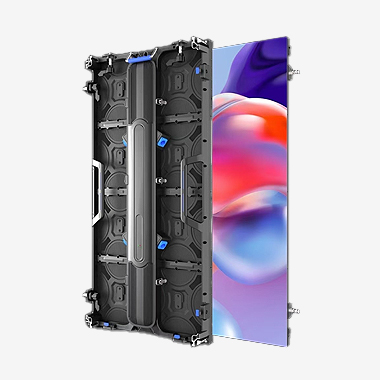
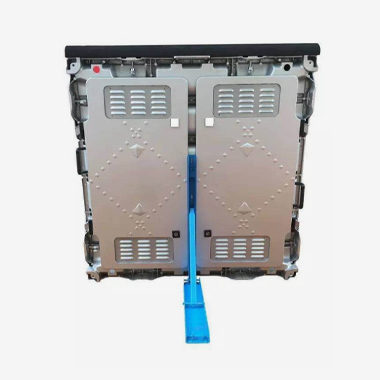
In terms of construction, LED stage lighting signage is built to withstand the rigors of concert environments. The enclosures are typically made from durable materials such as aluminum or steel, which provide protection against physical damage, dust, and moisture. Specialized cooling systems are also incorporated to manage the heat generated by the LEDs, ensuring their optimal performance and longevity.
The modular design is commonly adopted in LED stage lighting signage, allowing for easy installation, maintenance, and customization. Individual LED modules can be easily replaced or rearranged, providing flexibility in adapting the signage to different concert setups. Additionally, the use of advanced control systems enables seamless integration of the lighting and signage elements, allowing for synchronized operation and real - time control of the visual effects.
The working principles of LED stage lighting signage for concerts are based on the fundamental properties of LEDs and sophisticated control systems. LEDs are semiconductor devices that emit light when an electric current passes through them. In stage lighting signage, red, green, and blue (RGB) LEDs are commonly used, as they can be combined in different intensities to produce a vast spectrum of colors.
The process starts with the input of control signals from a lighting console or a media server. These control signals can be in the form of digital data that specifies the desired lighting effects, such as color, intensity, and movement. The control system then processes these signals and converts them into electrical signals that are used to drive the individual LEDs.
For stage lighting, the control system can adjust the brightness and color of each LED module in real - time, allowing for the creation of dynamic lighting effects. For example, by rapidly changing the color and intensity of the LEDs, it can simulate the flickering of flames, the movement of clouds, or the pulsating rhythm of the music. Pulse - width modulation (PWM) is a commonly used technique in LED lighting control, which varies the duration for which the LEDs are on to control their brightness, creating smooth and seamless lighting transitions.
In the case of stage signage, the control system manages the display of content. Digital images, videos, or text are first processed by a media server, which converts them into a format that can be understood by the LED signage. The control system then sends the appropriate electrical signals to the LEDs to display the content. Each LED in the signage is addressed individually, allowing for precise control over the display of each pixel.
The control systems for LED stage lighting signage also enable synchronization with other elements of the concert, such as the music, sound effects, and stage movements. This synchronization ensures that the visual effects are perfectly coordinated with the musical performance, creating a more immersive and engaging experience for the audience.
LED stage lighting signage for concerts offers numerous advantages that have made it the preferred choice for event producers and artists. One of the most significant advantages is its energy efficiency. LEDs consume significantly less power compared to traditional lighting sources, which not only reduces the overall energy costs of the concert but also makes it more environmentally friendly. This is particularly important for large - scale concerts that may require a substantial amount of lighting equipment.
Another major advantage is its long lifespan. LEDs can last for tens of thousands of hours, reducing the need for frequent replacements and maintenance during the concert. This reliability ensures that the lighting and signage elements will function properly throughout the entire event, minimizing the risk of technical failures that could disrupt the performance.
The versatility of LED stage lighting signage is also a key advantage. It can be used to create a wide variety of lighting effects, from soft and subtle ambiance lighting to bright and intense spotlighting. The ability to display dynamic content on the signage also adds an extra layer of visual interest, allowing for the presentation of artist - specific visuals, lyrics, or promotional messages.
However, LED stage lighting signage also faces several challenges. One of the main challenges is the high initial cost. The purchase, installation, and setup of LED lighting and signage systems can be quite expensive, especially for large - scale and high - quality installations. This cost can be a significant barrier for smaller concert organizers or independent artists with limited budgets.
Another challenge is the technical complexity. Operating and maintaining LED stage lighting signage requires specialized knowledge and skills. The control systems, media servers, and other components need to be properly configured and calibrated to ensure optimal performance. Any technical issues, such as faulty LED modules, data transmission problems, or software glitches, need to be addressed promptly by trained technicians, which can add to the overall cost and complexity of the concert production.
The integration of LED stage lighting signage with other elements of the concert, such as the sound system and stage machinery, can also be a challenge. Ensuring seamless synchronization and compatibility between different systems requires careful planning and coordination during the design and setup phases.
LED stage lighting signage has a wide range of applications in concerts, each contributing to the overall visual spectacle and audience experience. One of the most common applications is as stage backdrops. Large - scale LED video walls are often used as the main backdrop, displaying high - resolution images, videos, and animations that enhance the performance and create a visually immersive environment. These backdrops can be customized to match the theme of the concert, the style of the artist, or the mood of the music.
LED stage lighting signage is also used for creating dynamic lighting effects. Color - changing LED lights can be used to illuminate the stage, the audience, and the surrounding areas, creating a vibrant and energetic atmosphere. Moving - head LED lights, which can rotate and pan, are used to create complex lighting patterns and spotlight specific areas or performers on the stage.
In terms of signage, LED displays can be used to show artist names, song titles, and other information to the audience. They can also be used for promotional purposes, displaying advertisements, upcoming tour dates, or merchandise information. Additionally, LED signage can be used to create interactive experiences, such as displaying real - time social media feeds or allowing the audience to vote on certain aspects of the performance.
Looking to the future, several trends are expected to shape the development of LED stage lighting signage for concerts. One trend is the integration of artificial intelligence (AI) and machine learning (ML) technologies. AI and ML can be used to analyze the music in real - time and automatically generate corresponding lighting and signage effects, creating a more synchronized and immersive experience. For example, the system could analyze the tempo, rhythm, and mood of the music and adjust the lighting colors, intensities, and patterns accordingly.
Another trend is the development of more advanced and lightweight LED materials. New materials are being developed that offer higher brightness, better color accuracy, and greater flexibility, allowing for more creative and innovative stage designs. The miniaturization of LED components will also lead to the creation of more compact and lightweight lighting and signage systems, making them easier to transport and install.
The integration of virtual reality (VR) and augmented reality (AR) technologies with LED stage lighting signage is also a promising area of development. VR - enabled LED systems could allow the audience to experience a virtual version of the concert, while AR - enhanced signage could overlay digital content onto the real - world stage environment, creating unique and interactive experiences for the audience.
Conclusion
LED stage lighting signage has become an integral part of modern concerts, enhancing the visual appeal, atmosphere, and overall experience for both artists and audiences. Its energy efficiency, long lifespan, and versatility have made it the go - to choice for event producers looking to create unforgettable concert spectacles. Despite the challenges of high cost, technical complexity, and integration issues, the continuous advancements in LED technology and the growing demand for more immersive and visually stunning concert experiences are driving the widespread adoption of LED stage lighting signage.
As we move forward, the integration of new technologies such as AI, VR, and AR, along with the development of more advanced LED materials, will further expand the capabilities and applications of LED stage lighting signage. It will continue to play a crucial role in shaping the future of the concert industry, providing artists and event producers with more powerful tools to create unique, engaging, and memorable concert experiences for audiences around the world.


Copyright © 2026 Shenzhen Cogo Technology Co.,Ltd.
All Rights Reserved

 Previous article