




 Chat Now
LED rental display panels have emerged as a highly versatile and indispensable solution in the dynamic world of events, exhibitions, and temporary visual communication. Unlike fixed - installation LED display panels, rental panels are designed for easy transportation, quick assembly, and disassembly, catering to the short - term and ever - changing display needs of a wide range of clients. This flexibility has made them a preferred choice for event organizers, advertisers, and businesses looking to create impactful visual experiences without the long - term commitment and investment associated with permanent installations.
The concept of LED rental display panels gained traction as the events industry expanded and diversified. With the increasing demand for eye - catching visuals at concerts, trade shows, corporate events, sports tournaments, and festivals, the need for a cost - effective and adaptable display solution became evident. LED technology, known for its high - quality imaging, energy efficiency, and durability, combined with the rental model, provided the perfect answer.
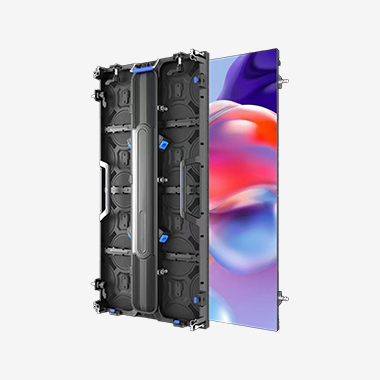
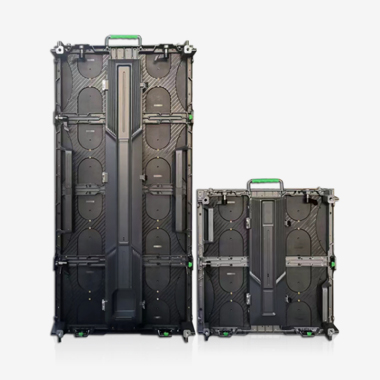
One of the key characteristics of LED rental display panels is their modular design. These panels are typically composed of individual modules that can be easily connected and configured to form displays of various sizes and shapes. This modularity allows for seamless customization to fit the specific requirements of each event, whether it's a small - scale indoor presentation or a large - scale outdoor festival. The ability to quickly assemble and disassemble the panels means that they can be transported to different locations with relative ease, reducing setup time and labor costs.
In terms of technical specifications, LED rental display panels are designed to meet high - performance standards. They often feature high - brightness LEDs to ensure visibility in different lighting conditions, from well - lit indoor venues to bright outdoor environments. The pixel pitch of rental panels varies depending on the application; smaller pixel pitches are used for close - up viewing in indoor settings, providing high - resolution and detailed images, while larger pixel pitches are suitable for outdoor or larger - scale installations where the viewing distance is greater.
Color accuracy and contrast are also crucial aspects of LED rental display panels. They are engineered to reproduce a wide color gamut, ensuring that the displayed content, whether it's vibrant video footage, graphics, or text, appears vivid and true - to - life. High contrast ratios help to create sharp and clear images, making the visual content more engaging for the audience.
The rental market for LED display panels has witnessed significant growth in recent years, driven by factors such as the increasing popularity of large - scale events, the growing importance of visual marketing in the digital age, and the cost - effectiveness of the rental model. As more businesses and event organizers recognize the value of LED rental display panels in enhancing the impact of their events, the demand for these panels is expected to continue to rise.
The design and construction of LED rental display panels are centered around the principles of portability, durability, and ease of use, while maintaining high - quality visual performance.
LED Module Design
The LED module is the building block of an LED rental display panel. These modules are designed to be compact, lightweight, and robust to withstand the rigors of transportation and frequent assembly and disassembly. High - quality LEDs are carefully selected for each module to ensure consistent brightness, color accuracy, and long - term reliability.
Similar to other LED display technologies, rental modules often use red, green, and blue (RGB) LEDs to create full - color displays. The arrangement of these LEDs within the module is optimized to achieve uniform brightness and color across the entire display surface. In recent years, advancements such as mini - LED and micro - LED technologies have also started to be incorporated into rental modules, enabling higher pixel densities, better contrast, and more energy - efficient operation. However, the adoption of these newer technologies in the rental market is still in the early stages due to cost and manufacturing considerations.
The printed circuit board (PCB) in the LED module is designed to be as thin and lightweight as possible without compromising on electrical performance. It provides the necessary connections for the LEDs and other components, ensuring stable power supply and signal transmission. The PCB also includes features for easy inter - module connectivity, such as standardized connectors and interfaces, which facilitate quick and hassle - free assembly of the display panels.
Panel Structure and Frame
The panel structure of LED rental display panels is designed to be both sturdy and lightweight. Aluminum frames are commonly used due to their high strength - to - weight ratio, corrosion resistance, and ease of machining. These frames provide the necessary support for the LED modules and other internal components while keeping the overall weight of the panel manageable for transportation and handling.
The frame design often includes features such as quick - release mechanisms or snap - on connectors, which allow for rapid assembly and disassembly of the panels. These mechanisms not only save time during setup and teardown but also reduce the risk of damage to the panels and components. Some rental panels also feature a magnetic connection system, where the modules are magnetically attached to the frame, further simplifying the assembly process.
In addition to the frame, the panel may also include a protective cover or enclosure. This cover helps to safeguard the LED modules from physical damage during transportation and storage. For outdoor rental applications, the panels are designed to be weather - resistant, with features such as waterproof seals and UV - resistant coatings to protect against rain, dust, and sunlight.
Electrical and Control Systems
The electrical system of LED rental display panels is designed to be efficient and reliable. High - quality power supplies are used to convert the incoming electrical power into the appropriate voltage and current for the LEDs. These power supplies are often designed with built - in protection mechanisms against overvoltage, overcurrent, and short - circuits to ensure the safety of the panels and the connected equipment.
The control system of the rental panels is crucial for managing the display content. Control cards are used to receive digital image and video data from external sources, such as computers, media servers, or video processors. These control cards convert the data into electrical signals that control the brightness, color, and timing of each LED in the panel. Advanced control systems support features such as real - time content updating, multi - source input switching, and synchronization with other display panels or audio - visual systems.
For rental applications, the control system also needs to be user - friendly and easy to operate. Many rental panels come with intuitive control interfaces, either through software applications or physical control panels, that allow event technicians to quickly configure the display settings, adjust the content, and troubleshoot any issues. Wireless control options are also becoming increasingly popular, as they provide greater flexibility and convenience during event setup and operation.
Heat Dissipation Design
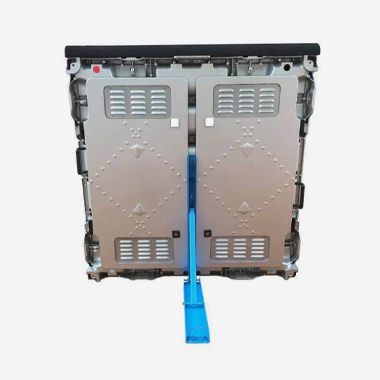
Effective heat dissipation is essential for maintaining the performance and lifespan of LED rental display panels, especially during extended periods of operation. Since rental panels are often used in various environments with different temperature conditions, they need to be equipped with reliable heat dissipation solutions.
For smaller - scale rental panels, passive heat dissipation methods, such as heat sinks made of aluminum or copper, are commonly used. These heat sinks increase the surface area in contact with the air, allowing for natural heat transfer. In larger or more power - intensive rental displays, active heat dissipation methods, such as fans or liquid - cooling systems, may be employed.
The design of the heat dissipation system takes into account factors such as noise level, energy consumption, and the compactness of the panel. In indoor events, minimizing noise is crucial to avoid disturbing the audience, so silent - running fans or optimized liquid - cooling systems are preferred. Additionally, the heat dissipation system needs to be designed to operate reliably in different environmental temperatures, ensuring that the LEDs do not overheat and degrade in performance.
The working principles of LED rental display panels are based on the fundamental properties of LEDs and digital signal processing, enabling the creation of dynamic and high - quality visual content.
LED Emission
At the heart of the LED rental display panel is the light - emitting diode (LED), a semiconductor device that emits light when an electric current passes through it. When a voltage is applied across the LED, electrons from the n - type semiconductor material combine with holes in the p - type semiconductor material. This recombination process releases energy in the form of photons, resulting in the emission of light. The color of the light emitted by the LED depends on the energy bandgap of the semiconductor material; red, green, and blue LEDs are the primary colors used to create a full - color spectrum through additive color mixing.
In each pixel of the rental display panel, multiple RGB LEDs work together. By precisely controlling the current flowing through each of the red, green, and blue LEDs, the display can produce a vast array of colors. The intensity of the current determines the brightness of the LED, and through careful adjustment of the brightness of each primary color, the panel can accurately reproduce a wide range of colors, from vivid hues to subtle shades.
Digital Signal Processing
The LED rental display panel receives digital image and video data from external sources. This data can come from various devices, such as computers running graphic design or video editing software, media servers storing pre - recorded content, or live video feeds from cameras. The data is typically in a digital format, such as a video file in a standard format like MP4 or a digital image file in formats like JPEG or PNG.
The control system of the display panel first decodes the incoming digital data. This involves extracting the relevant information, such as the pixel color values and timing information, from the data stream. The control cards then convert this decoded data into electrical signals that can be understood by the LED drivers in the individual modules.
These electrical signals are transmitted to the LED modules at a very high frequency, usually several hundred times per second. The signals control when each LED should turn on, off, and at what intensity. By rapidly switching the LEDs on and off in this manner, the display creates the illusion of continuous images and videos, similar to how a television or computer monitor works.
Pulse - Width Modulation (PWM)
Pulse - width modulation (PWM) is a key technique used in LED rental display panels to achieve smooth and accurate brightness control. PWM works by rapidly turning the LEDs on and off at a high frequency. The duty cycle of the PWM signal, which is the proportion of time the LED is on within a given period, determines the average brightness of the LED.
For example, if the PWM signal has a duty cycle of 30%, the LED is on for 30% of the time and off for 70% of the time, resulting in an average brightness that is 30% of its maximum. By precisely adjusting the duty cycle for each LED in the pixel, the display can achieve fine - grained control over the brightness and color. This is crucial for creating smooth color transitions, realistic images, and videos, and ensuring that the display looks good in different lighting conditions.
Refresh Rate
The refresh rate of an LED rental display panel refers to the number of times the image on the screen is updated per second. A higher refresh rate is essential for displaying fast - moving images, such as those in action - packed sports events or high - energy music videos, without any motion blur or flicker. In modern LED rental panels, refresh rates of 60 Hz or higher are common, with some high - end panels offering refresh rates of 120 Hz or even 240 Hz.
A higher refresh rate ensures that the visual content appears smooth and fluid, providing a more immersive viewing experience for the audience. It also helps to reduce eye strain, especially during long - duration events. The refresh rate needs to be carefully matched with the frame rate of the incoming video data. If the refresh rate is lower than the frame rate of the video, it can result in dropped frames, stuttering, or other visual artifacts, negatively impacting the quality of the display.
Advantages
Flexibility and Customization
LED rental display panels offer unparalleled flexibility. They can be easily customized in terms of size, shape, and display content to suit the specific requirements of each event. Event organizers can create displays of various dimensions, from small - scale backdrops for intimate events to large - scale video walls for stadium - sized concerts. The ability to configure the panels in different shapes, such as curved or irregular designs, adds a unique and creative touch to the event setup. Moreover, the content displayed on the panels can be updated in real - time, allowing for dynamic and targeted messaging during the event.
Cost - Effectiveness
The rental model of LED display panels provides a cost - effective solution, especially for events with short - term display needs. Instead of making a large upfront investment in purchasing and installing permanent LED display systems, event organizers can simply rent the panels for the duration of the event. This eliminates the costs associated with long - term maintenance, storage, and potential technological obsolescence. Additionally, rental companies often offer a range of panel options at different price points, allowing clients to choose the panels that best fit their budget and requirements.
Quick Setup and Teardown
The modular design and user - friendly features of LED rental display panels enable quick and easy setup and teardown. With standardized connectors and intuitive assembly mechanisms, experienced event technicians can set up a large - scale display in a relatively short period. This is particularly important for events with tight schedules or multiple setup and teardown requirements, such as trade shows that move from one location to another. The ability to quickly disassemble the panels also reduces labor costs and allows for efficient transportation to the next event location.
High - Quality Visual Performance
LED rental display panels are designed to deliver high - quality visual performance. They feature high - brightness LEDs, accurate color reproduction, and high contrast ratios, ensuring that the displayed content is clear, vibrant, and engaging. Whether it's displaying live video feeds, high - resolution graphics, or text - based information, the panels can provide a professional - grade visual experience for the audience. This high - quality performance helps to enhance the overall impact of the event and leaves a lasting impression on attendees.
Versatility in Applications
These panels are suitable for a wide range of applications, including concerts, trade shows, corporate events, sports events, festivals, and exhibitions. In concerts, they can be used to display music videos, artist images, and special effects, enhancing the stage atmosphere. At trade shows, they serve as effective marketing tools for showcasing products and brand messages. In corporate events, they can be used for presentations, announcements, and branding. The versatility of LED rental display panels makes them a valuable asset for any event that requires impactful visual communication.
Challenges
Logistical Complexities
Managing the logistics of LED rental display panels can be complex. Coordinating the delivery, setup, and pickup of the panels requires careful planning and communication between the rental company, the event organizer, and the venue. Any delays in transportation, issues with venue access, or unexpected problems during setup can disrupt the event schedule. Additionally, ensuring that all the necessary components, such as power cables, control equipment, and mounting hardware, are available and in working condition adds another layer of complexity to the logistical process.
Technical Expertise Requirements
Although LED rental display panels are designed to be user - friendly, setting up and operating them still requires a certain level of technical expertise. Event technicians need to be proficient in handling the electrical connections, configuring the control systems, and troubleshooting any technical issues that may arise. Finding qualified and experienced technicians, especially in regions with a high demand for event services, can be a challenge. Inadequate technical knowledge can lead to display malfunctions, poor image quality, or even safety hazards, affecting the overall success of the event.
Panel Compatibility and Standardization
In the rental market, there are many different brands and models of LED display panels. Ensuring compatibility between different panels, especially when combining panels from multiple rental companies or using a mix of older and newer models, can be difficult. Lack of standardization in connectors, control interfaces, and data formats can lead to integration issues, making it challenging to create a seamless display. This requires rental companies and event organizers to carefully check the compatibility of the panels before each event to avoid potential problems.
Damage and Maintenance Risks
LED rental display panels are subject to wear and tear during transportation, setup, and operation. Physical damage to the panels, such as scratches, cracks, or broken LEDs, can occur, affecting the visual quality of the display. Additionally, the electrical components and control systems may experience malfunctions due to factors such as power surges, overheating, or improper handling. Rental companies need to invest in regular maintenance and inspection of their panels to ensure that they are in good working condition. However, unexpected damage or technical issues can still arise during an event, requiring quick and costly repairs or replacements.
Competition in the Rental Market
The LED rental display panel market is highly competitive, with many rental companies vying for clients. This competition can lead to price wars, which may result in some companies compromising on the quality of their panels or services to offer lower prices. For event organizers, this means having to carefully evaluate rental companies based on factors beyond just price, such as the quality of the panels, the reputation of the company, and the level of customer service. It can also be challenging for rental companies to differentiate themselves in a crowded market and maintain a competitive edge.
Applications
Corporate Events
Corporate events, such as conferences, seminars, product launches, and annual meetings, often rely on LED rental display panels to enhance the presentation and communication of information. They can be used for large - screen presentations, displaying slides, videos, and live demonstrations. Rental panels can also be used to create branded backdrops for keynote speeches and award ceremonies, adding a professional and polished look to the event. In product launches, the panels can be used to showcase new products in high - definition detail, with dynamic visual effects and interactive elements that engage the audience and effectively convey the product's features and benefits.
Sports Events
In the sports industry, LED rental display panels play a significant role in enhancing the spectator experience. For smaller - scale sports events or temporary sporting installations, rental panels can be quickly set up to display live game action, replays, player statistics, and scores. They can also be used for advertising, showcasing sponsor logos and promotions during breaks in the game. In addition, for sports events held in venues without permanent display systems, LED rental panels offer a cost - effective solution to provide fans with an engaging visual experience, whether it's a local basketball tournament, a community soccer match, or an outdoor running event.
Theatrical Productions
Theater and live performance venues are increasingly incorporating LED rental display panels into their productions. These panels can be used as versatile backdrops, replacing traditional painted scenery. They allow directors and designers to create dynamic and changing environments, instantly transforming the stage to match different scenes and moods of the play. By displaying high - quality images, videos, and animations, LED rental panels enhance the storytelling aspect of theatrical productions, immersing the audience in the narrative and adding a new dimension to the overall performance.
Retail Pop - up Stores and Promotions
Retailers are leveraging LED rental display panels for pop - up stores and short - term promotional events. These panels can be used to create eye - catching window displays, in - store digital signage, and interactive product showcases. By displaying high - resolution product images, videos, and promotional messages, rental panels attract customers' attention, increase foot traffic, and boost sales during limited - time promotions. The flexibility of the panels allows retailers to quickly change the content based on different product launches, seasons, or marketing campaigns.
Future Trends
Higher Resolution and Pixel Density
As the demand for more detailed and immersive visual experiences grows, LED rental display panels will continue to evolve towards higher resolutions and pixel densities. The adoption of mini - LED and micro - LED technologies will accelerate, enabling rental panels to achieve ultra - high - definition (UHD) and even 8K resolutions. This will be particularly beneficial for applications where close - up viewing is common, such as corporate presentations, art exhibitions, and high - end product launches. Higher - resolution panels will also enhance the overall visual quality of large - scale video walls at events, providing a more cinematic and engaging experience for the audience.
Integration of Smart Technologies
The future of LED rental display panels lies in the integration of smart technologies. The Internet of Things (IoT) will enable real - time monitoring and remote management of the panels. Rental companies will be able to track the performance, usage, and health of the panels from a central location, allowing for proactive maintenance and reducing downtime. Artificial intelligence (AI) will be used to analyze audience behavior and preferences, enabling event organizers to deliver more targeted and personalized content. For example, AI algorithms can analyze the demographics of the audience at an event and adjust the display content in real - time to maximize engagement. Additionally, the integration of augmented reality (AR) and virtual reality (VR) technologies with LED rental panels will open up new possibilities for immersive event experiences, such as virtual backstage tours at concerts or AR - enhanced product demonstrations at trade shows.
Enhanced Energy Efficiency and Sustainability
With the increasing focus on environmental sustainability, there will be a greater emphasis on developing more energy - efficient LED rental display panels. Manufacturers will continue to improve the efficiency of LEDs, reducing power consumption while maintaining high - quality visual performance. New power management systems will be developed to optimize energy usage based on the actual display content and ambient lighting conditions. Additionally, the use of recyclable materials in the manufacturing process of rental panels will become more prevalent, reducing the environmental impact of production, transportation, and disposal. Some rental companies may also explore the use of renewable energy sources, such as solar - powered solutions for outdoor events, to further enhance the sustainability of their services.
Greater Flexibility and Adaptability
The trend towards more flexible and adaptable LED rental display panels will continue. Future panels will be designed to be even more lightweight, compact, and easy to assemble, allowing for faster setup and teardown times. They will also offer greater flexibility in terms of shape and configuration, with the ability to create curved, irregular, and transparent displays. This increased flexibility will enable event organizers to create more unique and creative visual installations that stand out from the competition. Moreover, advancements in wireless technology will make it easier to control and connect the panels, reducing the need for complex wiring setups and further enhancing the ease of use.
Improved Interactivity and User Experience
To meet the evolving expectations of audiences, LED rental display panels will focus on enhancing interactivity. Touch - screen technology, gesture recognition, and voice - control interfaces will become more common, allowing event attendees to directly interact with the display content. For example, at trade shows, visitors could use touch - screen panels to explore product details, watch personalized videos, or even place orders directly from the display. In entertainment events, audiences could use gestures or voice commands to control the visual effects on the panels, creating a more engaging and participatory experience. This improved interactivity will not only increase audience engagement but also provide valuable data and insights for event organizers and advertisers.
Conclusion
LED rental display panels have revolutionized the way events, exhibitions, and temporary visual communication are conducted. Their flexibility, cost - effectiveness, and high - quality visual performance have made them an essential tool for event organizers, businesses, and advertisers across a wide range of industries. From enhancing the atmosphere at concerts and sports events to driving engagement at corporate functions and trade shows, these panels have proven their value in creating impactful and memorable experiences for audiences.
However, the LED rental display panel industry also faces several challenges, including logistical complexities, the need for technical expertise, issues with panel compatibility, damage and maintenance risks, and intense market competition. Overcoming these challenges requires continuous innovation in design, technology, and service offerings.
Looking ahead, the future of LED rental display panels is bright, with exciting trends on the horizon. The pursuit of higher resolutions, integration with smart technologies, a focus on sustainability, increased flexibility, and enhanced interactivity will drive the further evolution of this technology. As LED rental display panels continue to adapt and improve, they will not only meet the growing demands of the events industry but also open up new opportunities for creative expression and audience engagement. The rental model, with its inherent advantages of flexibility and cost - effectiveness, will remain a popular choice, ensuring that LED display panels continue to play a vital role in shaping the visual landscape of events and temporary installations for years to come.


Copyright © 2026 Shenzhen Cogo Technology Co.,Ltd.
All Rights Reserved

 Previous article