




 Chat Now
In the vibrant world of concerts and festivals, LED pantallas signage has emerged as an indispensable element, revolutionizing the way events are presented and experienced. LED, or Light - Emitting Diode, is a semiconductor light source that emits light when an electric current passes through it. When these diodes are assembled into large - scale displays, they form LED pantallas signage that can deliver stunning visual effects, high - resolution images, and dynamic content.
LED pantallas signage has transformed the traditional concert and festival landscape. In the past, static banners and simple light projections were the norm for event signage. However, with the advent of LED technology, event organizers now have the ability to create immersive visual experiences that enhance the overall atmosphere of the event. These displays can be used to showcase artist names, event schedules, live video feeds, and engaging graphics, captivating the audience from the moment they step into the venue.
The market for LED pantallas signage in the concert and festival industry has been growing steadily. As event - goers' expectations for visual spectacle increase, so does the demand for more advanced and larger - scale LED displays. Additionally, the continuous improvement of LED technology, such as higher brightness, better color accuracy, and lower power consumption, has further fueled the adoption of LED pantallas signage in this sector. From small - scale local festivals to large - scale international concerts, LED displays have become a staple, enhancing the brand image of the event and attracting more attendees.
The design and construction of LED pantallas signage for concerts and festivals is a complex process that requires a combination of technical expertise and creative vision. The first step in the design process is to determine the size and shape of the display. This depends on various factors such as the venue size, the viewing distance of the audience, and the specific requirements of the event. For large - scale outdoor festivals, huge, panoramic LED screens may be required to ensure that all attendees can clearly see the content, while for indoor concerts in smaller venues, more compact and custom - shaped displays can be used.
The choice of LED modules is crucial in the construction of these displays. LED modules come in different pixel pitches, which refer to the distance between adjacent LEDs. A smaller pixel pitch results in a higher - resolution display, which is ideal for close - up viewing, while a larger pixel pitch is suitable for displays that will be viewed from a greater distance. In addition to pixel pitch, other factors such as brightness, color temperature, and viewing angle also need to be considered when selecting LED modules.
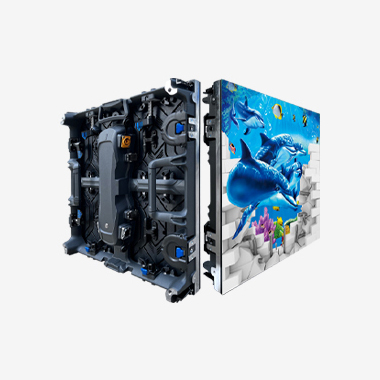
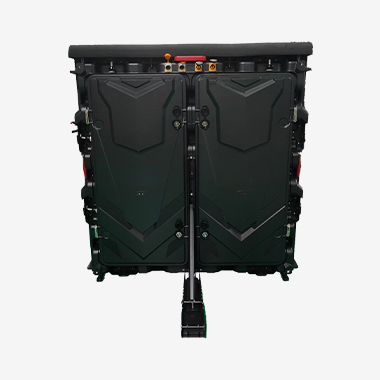
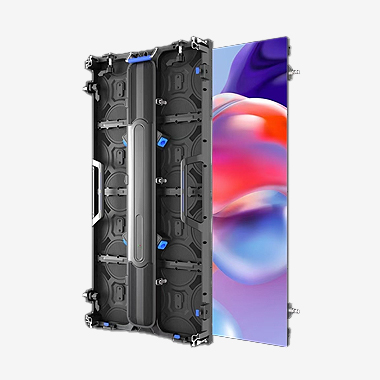
The structural framework of the LED pantallas signage must be robust enough to support the weight of the LED modules and withstand various environmental conditions, especially for outdoor events. Steel or aluminum frames are commonly used, and they are designed to be easily assembled and disassembled for transportation and installation. The display also requires a reliable power supply system to ensure continuous operation, as well as a control system that can manage the display of content, including video and graphic signals.
Another important aspect of the design is the integration of the LED display with the overall event theme and stage design. The display should not only be a functional tool for information dissemination but also a visual element that complements the artistic vision of the concert or festival. This may involve custom - designing the display's shape, adding special effects, or synchronizing the content with the music and lighting to create a more immersive experience.
LED pantallas signage operates based on several fundamental principles of electronics and optoelectronics. At the core of the LED is a semiconductor material, typically made of compounds such as gallium arsenide or gallium nitride. When a forward - bias voltage is applied across the LED, electrons and holes (absence of electrons) in the semiconductor recombine. This recombination process releases energy in the form of photons, which results in the emission of light.
The color of the light emitted by an LED depends on the energy bandgap of the semiconductor material. By using different semiconductor compounds or doping the material with specific impurities, LEDs can be made to emit light in various colors, including red, green, and blue (RGB). These three primary colors can be combined in different intensities to create a wide range of colors and shades, enabling the display of full - color images and videos on LED pantallas signage.
In an LED display, multiple LEDs are arranged in a matrix pattern. Each LED in the matrix is controlled independently by a driver circuit. The driver circuit receives electrical signals from a control system, which contains information about the color and brightness of each LED. By precisely controlling the current flowing through each LED, the driver circuit can turn the LEDs on or off and adjust their brightness, thus creating the desired image or video on the display.
Modern LED pantallas signage also incorporates advanced technologies such as digital signal processing and high - speed data transmission. Digital signal processing is used to enhance the quality of the video and graphic content before it is displayed on the LED screen. High - speed data transmission ensures that the content can be updated in real - time, allowing for live video feeds, real - time event information, and interactive displays during concerts and festivals.
LED pantallas signage offers numerous advantages in the context of concerts and festivals. One of the most significant advantages is its high - quality visual performance. With high - resolution displays, vivid colors, and excellent contrast ratios, LED screens can deliver stunning visual experiences that engage the audience. They can display sharp images, detailed videos, and dynamic graphics, making them ideal for showcasing the artistry of the performers and the overall event.
Another advantage is the flexibility of LED pantallas signage. These displays can be customized in terms of size, shape, and content. They can be curved, stretched, or even made into irregular shapes to fit the unique requirements of the venue or the event theme. Moreover, the content on the display can be easily updated in real - time, allowing event organizers to display live event information, advertisements, or interactive content.
LED displays are also energy - efficient compared to traditional display technologies such as CRT or LCD. LEDs consume less power while still providing high - brightness and long - lasting performance. This not only reduces the operating costs of the event but also makes LED pantallas signage more environmentally friendly. Additionally, LED displays have a long lifespan, reducing the need for frequent replacements and maintenance.
However, there are also several challenges associated with LED pantallas signage in concerts and festivals. One of the main challenges is the high initial cost. The purchase, installation, and setup of large - scale LED displays can be extremely expensive, which may pose a financial burden for some event organizers, especially for smaller - scale events. Another challenge is the technical complexity involved in operating and maintaining the displays. These systems require skilled technicians to install, configure, and troubleshoot any issues that may arise during the event.
Environmental factors also present challenges for outdoor LED pantallas signage. Exposure to sunlight, rain, wind, and extreme temperatures can affect the performance and lifespan of the display. Special measures such as using weather - resistant enclosures, anti - glare coatings, and temperature - control systems need to be taken to ensure the reliable operation of the display in outdoor environments.
LED pantallas signage has a wide range of applications in concerts and festivals. One of the most common applications is for stage backdrops. Large - scale LED screens behind the stage can create immersive visual environments that enhance the performance of the artists. They can display music - related visuals, dynamic patterns, or live video feeds of the performers, adding an extra layer of visual excitement to the concert.
LED displays are also used for wayfinding and information dissemination. In large festival grounds, LED signs can be placed at strategic locations to guide attendees to different stages, food stalls, restrooms, and other important areas. They can also display event schedules, artist line - ups, and emergency information, ensuring that attendees are well - informed throughout the event.
Another emerging application is in interactive displays. With the integration of technologies such as touch - screen and motion - sensing, LED pantallas signage can be made interactive, allowing attendees to engage with the display, access additional information, or even participate in virtual experiences related to the event.
Looking to the future, several trends are likely to shape the development of LED pantallas signage for concerts and festivals. One trend is the continuous improvement of display technology, leading to even higher resolutions, better color accuracy, and more energy - efficient displays. Mini - LED and Micro - LED technologies, which use smaller LED chips, are expected to become more prevalent, offering improved image quality and greater design flexibility.
The integration of augmented reality (AR) and virtual reality (VR) with LED pantallas signage is also a promising trend. This could enable more immersive and interactive experiences for event - goers, allowing them to interact with virtual elements overlaid on the real - world LED displays. Additionally, the use of artificial intelligence (AI) in content generation and display management may become more common, enabling more personalized and dynamic content for each event.
Conclusion
In conclusion, LED pantallas signage has become an essential part of the modern concert and festival experience. Its ability to deliver high - quality visual content, flexibility in design, and energy - efficiency have made it a preferred choice for event organizers around the world. Despite the challenges such as high initial costs and technical complexity, the numerous advantages and the potential for future development make LED pantallas signage a valuable investment for enhancing the success of concerts and festivals.
As technology continues to evolve, we can expect LED pantallas signage to play an even more significant role in the future of live events. The integration of new technologies such as Mini - LED, Micro - LED, AR, VR, and AI will open up new possibilities for creating more immersive, interactive, and personalized experiences for event attendees. Event organizers should keep abreast of these trends and leverage the potential of LED pantallas signage to stay ahead in the highly competitive world of concerts and festivals.


Copyright © 2026 Shenzhen Cogo Technology Co.,Ltd.
All Rights Reserved

 Previous article