




 Chat Now
High brightness LED pantallas signage has emerged as a revolutionary force in the field of visual communication, transforming the way information is presented and experiences are crafted across diverse sectors. These displays leverage the unique properties of high - intensity light - emitting diodes to produce vivid, attention - grabbing visuals that can cut through ambient light and distance barriers.
In the outdoor advertising industry, high brightness LED pantallas signage has become the gold standard. Traditional billboards are no match for the dynamic, high - resolution content that these LED displays can showcase. Whether it’s in bustling city centers bathed in the glow of numerous lights or along highways under the bright sun, high brightness LED signs can ensure that advertisements are clearly visible to a wide audience. Their ability to display full - color, moving images and real - time updates makes them far more engaging than static billboards, driving higher brand recall and advertising effectiveness.
In the realm of large - scale events such as sports stadiums, concerts, and festivals, high brightness LED pantallas signage plays a crucial role in enhancing the spectator experience. In sports stadiums, these displays are used for live game feeds, player statistics, and replays, allowing fans in every corner of the venue to follow the action closely. At concerts and festivals, they create immersive visual backdrops that synchronize with the music and stage performances, adding an extra layer of excitement. Their high brightness ensures that the content remains sharp and visible even in outdoor settings with strong sunlight or in large indoor arenas with complex lighting conditions.
The market for high brightness LED pantallas signage is witnessing exponential growth. Driven by technological advancements that continuously improve brightness levels, energy efficiency, and cost - effectiveness, more industries are adopting these displays. From retail stores using them for window displays and in - store promotions to transportation hubs for wayfinding and information dissemination, the versatility of high brightness LED signage is being increasingly recognized.
Designing and constructing high brightness LED pantallas signage is a meticulous process that combines engineering precision with creative design. The first consideration in the design phase is the intended application and environment. For outdoor applications, factors such as sunlight exposure, weather conditions, and viewing distance from the audience are critical. In contrast, indoor applications focus more on the layout of the space, the surrounding lighting, and the desired viewing experience.
The choice of LED modules is a cornerstone of high brightness LED display construction. High - power LED chips are selected for their ability to emit intense light. These chips are often packaged into modules with specific pixel pitches based on the display's intended use. For displays that need to be viewed from a long distance, such as highway billboards, larger pixel pitches are sufficient, while smaller pixel pitches are required for close - up viewing, like in retail store displays. Additionally, the color - rendering index (CRI) of the LEDs is important as it determines how accurately the display can reproduce colors, especially crucial for applications where visual fidelity matters, such as art exhibitions or product showcases.
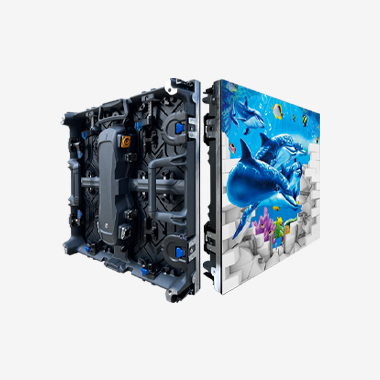
The structural design of the signage is engineered to be robust and durable. For outdoor installations, the frame is typically made of corrosion - resistant materials like stainless steel or aluminum alloys. These materials can withstand harsh weather conditions, including strong winds, rain, and extreme temperatures. The display is also equipped with a weather - proof enclosure to protect the internal components from moisture and dust. In terms of heat management, efficient heat - sinks are integrated into the design. High brightness LEDs generate a significant amount of heat during operation, and proper heat dissipation is essential to maintain their performance and extend their lifespan.
The control system of high brightness LED pantallas signage is another vital component. It includes a media player, video processors, and a network interface. The media player stores and plays the content, while the video processors enhance the quality of the incoming video signals, adjusting for factors like contrast, brightness, and color balance. The network interface enables remote control and content updates, allowing operators to change the displayed content in real - time from a central location.
High brightness LED pantallas signage operates on the fundamental principles of semiconductor physics and optoelectronics. At the heart of each LED is a semiconductor material, usually composed of compounds like gallium arsenide phosphide or indium gallium nitride. When a forward - biased electrical current is applied to the LED, electrons from the negative terminal and holes (absence of electrons) from the positive terminal are injected into the semiconductor's active region.
In this active region, the electrons and holes recombine. As they recombine, they release energy in the form of photons, a process known as electroluminescence. The energy of the photons, and thus the color of the emitted light, depends on the energy bandgap of the semiconductor material. By carefully selecting and engineering the semiconductor composition, LEDs can be made to emit light across the visible spectrum, including the primary colors of red, green, and blue.
In a high brightness LED display, thousands or even millions of individual LEDs are arranged in a matrix pattern. Each LED in the matrix is controlled by a dedicated driver circuit. The driver circuit receives digital signals from a control system that specifies the intensity and color of each LED. By precisely modulating the current flowing through each LED, the driver circuit can turn the LEDs on or off and adjust their brightness levels. This allows for the creation of complex images, videos, and animations on the display.
To achieve high brightness, the LED chips used in these displays are designed to handle higher electrical currents compared to standard LEDs. However, this increased current also generates more heat. Advanced thermal management systems, such as heat - pipes and forced - air cooling, are employed to dissipate the heat effectively. Additionally, modern high brightness LED displays often incorporate technologies like pulse - width modulation (PWM). PWM rapidly switches the LEDs on and off at a high frequency, adjusting the average power supplied to the LEDs to control their brightness while maintaining a smooth visual appearance.
High brightness LED pantallas signage offers a plethora of advantages that have contributed to its widespread adoption. One of the most significant benefits is its unparalleled visibility. In any lighting condition, whether it’s the bright sunlight of a summer day or the dimly lit streets at night, high brightness LED displays can ensure that the content is clearly visible. This makes them ideal for applications where reaching a large audience and making a strong visual impact are essential.
Another advantage is their energy efficiency. Despite their high brightness, modern high brightness LED displays consume less power compared to traditional lighting and display technologies such as incandescent bulbs or CRT displays. LEDs convert a higher percentage of electrical energy into light, reducing energy waste and operating costs. Additionally, their long lifespan, often exceeding 50,000 hours, means less frequent replacement and maintenance, further saving on costs over the long term.
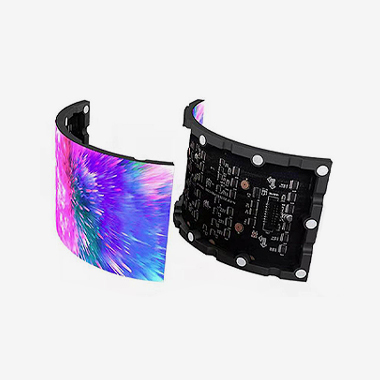
The flexibility of high brightness LED pantallas signage is also a major plus. These displays can be customized in terms of size, shape, and content. They can be curved, stretched, or assembled into irregular shapes to fit unique architectural designs or specific application requirements. Moreover, the digital nature of the content allows for easy and quick updates, enabling real - time information dissemination, targeted advertising, and dynamic visual experiences.
However, high brightness LED signage also faces several challenges. The high initial cost is a significant barrier for many potential users. The purchase, installation, and setup of high - quality, large - scale high brightness LED displays can be prohibitively expensive, especially for small - and medium - sized businesses or organizations with limited budgets.
Technical complexity is another hurdle. Operating and maintaining these displays require specialized knowledge and skills. The control systems, media players, and LED modules need regular calibration and monitoring to ensure optimal performance. Any malfunction in the complex electronic components can lead to display errors or outages, and troubleshooting these issues often requires the expertise of trained technicians.
Environmental factors also pose challenges, particularly for outdoor high brightness LED pantallas signage. Prolonged exposure to sunlight can cause color fading and degradation of the LED components over time. Harsh weather conditions such as heavy rain, snow, and strong winds can damage the structural integrity of the display. To mitigate these risks, additional protective measures and maintenance efforts are required, adding to the overall cost and complexity of the installation.
High brightness LED pantallas signage has a vast array of applications across multiple industries. In the advertising industry, it has revolutionized the way brands communicate with consumers. Advertisers can now create eye - catching, dynamic campaigns that stand out in crowded urban landscapes. From large - scale billboards in Times Square to smaller storefront displays, high brightness LED signage allows for targeted advertising, with the ability to change content based on time, location, and audience demographics.
In the entertainment industry, these displays are used to enhance live performances. In theaters, they can be used for stage backdrops, creating immersive environments that transport the audience into the world of the play or musical. In nightclubs and bars, high brightness LED signage adds to the ambiance, with colorful, dynamic visuals that synchronize with the music. At theme parks, they are used for attraction signage, wayfinding, and creating interactive experiences for visitors.
In the transportation sector, high brightness LED pantallas signage is used for airport and train station information displays, providing real - time flight and train schedules, gate changes, and other important announcements. On highways, variable - message signs made of high brightness LEDs are used to convey traffic information, weather warnings, and emergency alerts to drivers.
Looking to the future, several trends are set to shape the development of high brightness LED pantallas signage. The continuous miniaturization of LED chips, leading to technologies like Mini - LED and Micro - LED, will result in even higher brightness, better contrast, and more precise control over individual pixels. This will enable the creation of more detailed and immersive visual experiences.
The integration of artificial intelligence (AI) and machine learning (ML) will also play a significant role. AI can be used to analyze audience data and optimize the content displayed on the LED signage in real - time, ensuring maximum engagement. ML algorithms can predict maintenance needs, helping to prevent display failures and reduce downtime.
Furthermore, the convergence of high brightness LED signage with emerging technologies such as augmented reality (AR) and virtual reality (VR) holds great promise. AR - enabled LED displays could overlay digital information onto the real - world environment, creating interactive and engaging experiences for users in various applications, from retail shopping to urban navigation.
Conclusion
High brightness LED pantallas signage has emerged as a powerful tool in visual communication, offering exceptional visibility, energy efficiency, and flexibility across a wide range of applications. Despite the challenges of high initial costs, technical complexity, and environmental factors, its numerous advantages have made it an indispensable asset in industries such as advertising, entertainment, and transportation.
As technology continues to advance, high brightness LED signage is poised to play an even more significant role in the future. The ongoing development of Mini - LED and Micro - LED technologies, combined with the integration of AI, ML, AR, and VR, will open up new frontiers in visual experience design. Event organizers, businesses, and urban planners should embrace these trends and innovations to leverage the full potential of high brightness LED pantallas signage, enhancing communication, engagement, and the overall aesthetic appeal of their environments.


Copyright © 2026 Shenzhen Cogo Technology Co.,Ltd.
All Rights Reserved

 Previous article