




 Chat Now
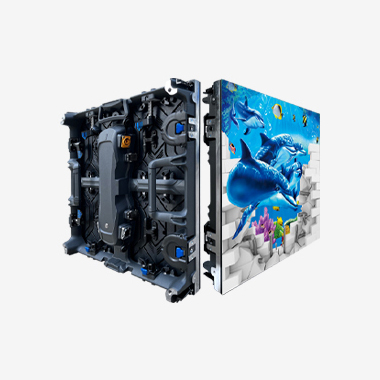
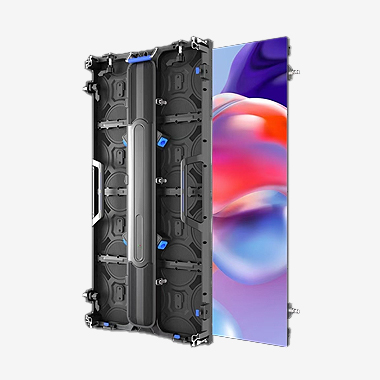
Led display pantallas signage represents a cutting - edge solution in the realm of visual communication, seamlessly combining the technological prowess of LED displays with the practical functionality of signage. These displays have rapidly gained prominence across a diverse range of industries and settings, revolutionizing the way information is conveyed, brands are promoted, and audiences are engaged.
At its core, LED display pantallas signage utilizes light - emitting diodes (LEDs) as the primary source of illumination and image generation. LEDs offer numerous advantages over traditional display technologies, such as fluorescent lamps or LCDs. They consume significantly less energy, have a longer lifespan, and can produce brighter, more vivid colors with higher contrast ratios. This makes LED display pantallas signage ideal for applications where high - visibility, long - term reliability, and energy - efficiency are crucial.
The versatility of LED display pantallas signage is one of its most defining features. It can be customized in terms of size, shape, and resolution to suit a wide variety of needs. From small - scale indoor signs used for wayfinding in malls and airports to massive outdoor billboards that dominate cityscapes, LED display pantallas signage can be tailored to fit any space or requirement. Moreover, the content displayed on these signs can be easily updated and managed in real - time, thanks to digital control systems. This allows businesses, organizations, and event organizers to quickly adapt their messaging, showcase new products or services, and respond to changing market conditions or customer demands.
In the commercial sector, LED display pantallas signage has become an indispensable marketing tool. Retailers use it to attract customers, promote sales and discounts, and showcase product features. For example, a clothing store might use an LED display to showcase the latest fashion collections, with high - resolution images and dynamic videos that highlight the unique designs and materials of the garments. Restaurants can display mouth - watering images of their signature dishes, along with daily specials and promotions, enticing passersby to step inside. In the corporate world, companies utilize LED display pantallas signage to enhance brand visibility, communicate company news and announcements, and create a professional and modern image in their offices and public spaces.
Beyond commercial applications, LED display pantallas signage also plays a vital role in public information dissemination. In transportation hubs like train stations and airports, these signs are used to display real - time schedules, flight and train status updates, and important announcements. They help travelers navigate complex environments, stay informed about delays or changes, and make their journeys smoother. In public spaces such as parks, squares, and community centers, LED display pantallas signage can be used to share local news, event information, and public service announcements, fostering community engagement and awareness.
The growth of LED display pantallas signage has been fueled by continuous advancements in LED technology and digital signal processing. As LEDs become more efficient, affordable, and capable of producing higher resolutions, the potential applications of LED display pantallas signage continue to expand. With the integration of smart technologies such as touch - screen interfaces, motion sensors, and connectivity to the Internet of Things (IoT), these signs are evolving into interactive and intelligent communication platforms, opening up new possibilities for user engagement and data - driven decision - making.
The design and construction of LED display pantallas signage is a meticulous process that requires a combination of technical expertise, creative design, and engineering know - how to ensure optimal performance, durability, and visual appeal.
Component Selection
The foundation of any LED display pantallas signage lies in the selection of high - quality components, with the LED panels being the most critical element. When choosing LED panels, several key factors come into play. Brightness is a crucial consideration, especially for outdoor applications or environments with high ambient light. Outdoor LED panels need to have sufficient brightness to ensure that the displayed content is clearly visible even in direct sunlight. On the other hand, for indoor applications, lower brightness levels may be sufficient while still maintaining good visibility and reducing energy consumption.
Color accuracy and consistency are also essential. High - quality LED panels should be able to reproduce a wide range of colors with precision, ensuring that images, videos, and text are displayed in a true - to - life manner. This is particularly important for applications where brand colors need to be accurately represented, such as in corporate branding or product advertising. The viewing angle of the LED panels is another factor to consider. Panels with a wide viewing angle, typically 160 - 170 degrees horizontally and vertically, ensure that the signage can be clearly seen from various positions, maximizing its reach and impact.
The pixel pitch of the LED panels determines the resolution and clarity of the display. A smaller pixel pitch results in a higher resolution, which is ideal for applications where the signage will be viewed from a close distance, such as indoor digital signage or interactive kiosks. For larger - scale outdoor displays where the viewing distance is greater, a slightly larger pixel pitch can be used while still maintaining an acceptable level of visual quality.
In addition to the LED panels, the control system is a vital component of LED display pantallas signage. It typically consists of a media player, a video processor, and a controller. The media player stores and plays the digital content, such as videos, images, and animations. It needs to have sufficient storage capacity and processing power to handle high - definition content smoothly. The video processor receives the input signals from the media player and other sources, processes them, and converts them into a format suitable for display on the LED panels. It can perform functions such as scaling, cropping, color correction, and frame rate conversion. The controller manages the communication between the video processor and the LED panels, sending precise control signals to adjust the brightness, color, and refresh rate of each individual LED.
For outdoor LED display pantallas signage, additional components such as weather - resistant enclosures, cooling systems, and anti - glare coatings are necessary. Weather - resistant enclosures protect the internal components from the elements, including rain, dust, and extreme temperatures. Cooling systems, such as fans or heat sinks, help dissipate the heat generated by the LED panels during operation, ensuring their longevity and performance. Anti - glare coatings reduce reflections and improve visibility in bright sunlight.
Assembly and Integration
The assembly process of LED display pantallas signage begins with the installation of the LED panels onto a sturdy frame or structure. The frame is designed to support the weight of the panels and withstand the mechanical stresses during transportation, installation, and operation. Specialized mounting brackets and fixtures are used to ensure a secure and stable installation, while also allowing for easy alignment and adjustment of the panels to create a seamless display surface.
Once the LED panels are installed, the control system components are integrated. The media player, video processor, and controller are usually housed in a protective enclosure, which is often located near the display for easy access and maintenance. Signal transmission cables, such as HDMI, SDI, or fiber - optic cables, are carefully connected between the source devices, the control system, and the LED panels. Rigorous testing is conducted at this stage to ensure that all connections are secure and that the signage functions smoothly without any signal issues, such as lag, distortion, or dropped frames.
For interactive LED display pantallas signage, additional components such as touch - screen overlays, motion sensors, or RFID readers are integrated. Touch - screen overlays enable user interaction, allowing viewers to access more information, navigate through menus, or perform specific actions. Motion sensors can detect the presence of people and trigger certain events, such as starting a video or changing the display content. RFID readers can be used for identification and access control purposes.
Customization
Customization is a key aspect of LED display pantallas signage, as it allows for tailored solutions to meet the specific needs and requirements of different users and applications. In terms of size and shape, LED display pantallas signage can be customized to fit any available space. Displays can be designed in various shapes, including rectangular, square, circular, or irregular shapes, to create a unique and eye - catching visual impact. For example, a circular LED display can be used as a centerpiece in a shopping mall atrium, while an irregularly shaped display can be integrated into the architecture of a building for a more artistic and integrated look.
The content displayed on the LED display pantallas signage can also be fully customized. Businesses and organizations can work with graphic designers, video producers, and content creators to develop engaging and relevant visual content. This can include product images, promotional videos, brand logos, text messages, and interactive elements. The signage can be programmed to display different content at different times of the day, target specific audiences, or change based on real - time data and events. For instance, a sports stadium's LED display can show live game statistics, player profiles, and advertisements during a game, and then switch to event announcements and promotional content after the game.
The operation of LED display pantallas signage is based on a combination of electrical, optical, and digital signal processing principles, which work in harmony to deliver high - quality, dynamic visual content.
LED Operation and Light Emission
LED display pantallas signage operates on the principle of electroluminescence. LEDs are semiconductor devices that emit light when an electric current passes through them. Inside an LED, there is a semiconductor material with a p - n junction. When a forward voltage is applied across the p - n junction, electrons from the n - type semiconductor and holes (absence of electrons) from the p - type semiconductor recombine. This recombination process releases energy in the form of photons, which results in the emission of light.
For full - color LED displays, each pixel typically consists of multiple LED chips, usually red, green, and blue (RGB) LEDs. By precisely controlling the intensity of each color LED, a vast range of colors and shades can be created. The color of the emitted light depends on the energy bandgap of the semiconductor material used in the LED chip. Different semiconductor materials have different energy bandgaps, which correspond to different wavelengths of light, resulting in different colors. For example, gallium arsenide phosphide (GaAsP) is commonly used for red LEDs, while gallium nitride (GaN) is used for blue and green LEDs.
The LED driver circuits play a crucial role in controlling the current flowing through each LED chip. They ensure that the LEDs operate within their specified voltage and current ranges, which is essential for maintaining consistent brightness, color accuracy, and the lifespan of the LEDs. By adjusting the current, the brightness of each LED can be precisely regulated, allowing for the creation of detailed images and smooth video playback.
Image Generation and Display
To generate an image on an LED display pantallas signage, digital video or data signals are first received by the signage's control system. These signals can originate from various sources, such as media players, computers, cameras, or network servers. The video processor within the control system decodes and processes these signals.
The video processor converts the input signals into a format that can be understood by the LED driver circuits of the individual panels. It divides the image or video into individual pixels and determines the intensity values for each color LED in each pixel. This process involves tasks such as scaling the image to fit the resolution of the display, adjusting the color balance, and enhancing the contrast.
The processed signals are then sent to the controller, which manages the communication with the LED panels. The controller sends control signals to the LED driver circuits for each pixel, specifying the brightness levels of the red, green, and blue LEDs. The LED driver circuits then adjust the current flowing through the respective LED chips in the display panels, causing them to emit light at the desired intensities.
The LED panels are arranged in a matrix pattern, and the control system scans through each row and column of this matrix at high speeds to update the state of each LED in real - time. This rapid scanning, combined with the fast - switching capabilities of the LEDs, enables the smooth display of videos and animations without any noticeable flicker or lag. The high refresh rate of the LED panels ensures that the images remain sharp and stable, even when displaying fast - moving content.
Signal Transmission and Control
The control system of LED display pantallas signage manages the signal transmission between the source devices and the LED panels. High - speed data cables, such as HDMI, SDI, or fiber - optic cables, are used to transmit the digital signals from the source devices, such as media players or computers, to the video processor. These cables are designed to minimize signal loss and interference, ensuring that the video and control signals are transmitted accurately and in real - time, even over long distances.
Standard communication protocols, such as SPI (Serial Peripheral Interface), DMX (Digital Multiplex), or proprietary LED control protocols, are used to ensure accurate and synchronized display of the content. These protocols define the format and timing of the data transmission, allowing the control system to precisely control the state of each LED in the signage.
In addition, modern LED display pantallas signage often incorporates wireless control capabilities. This allows operators to remotely manage and update the display content, adjust the display settings (such as brightness, contrast, and color temperature), and monitor the performance of the signage from a central location, such as a control room or a mobile device. Wireless control technologies, such as Wi - Fi, Bluetooth, or cellular networks, provide flexibility and convenience in managing the signage, especially for large - scale installations or multiple signage units distributed across a wide area.
Advantages
One of the most significant advantages of LED display pantallas signage is its high visibility and attention - grabbing ability. The bright, vivid colors, high contrast ratios, and dynamic content of LED displays make them highly effective at capturing the attention of viewers, even in crowded and visually stimulating environments. Whether it's a busy city street, a bustling shopping mall, or a large - scale event, LED display pantallas signage can stand out and convey messages clearly, increasing the likelihood of the content being noticed and remembered.
The flexibility in content management is another major benefit. With LED display pantallas signage, content can be easily updated and changed in real - time. This allows businesses and organizations to quickly respond to changing market conditions, promotional opportunities, or customer needs. For example, a retailer can instantly display new product arrivals, special discounts, or limited - time offers to attract customers. Event organizers can update schedules, display real - time event information, and showcase sponsors' logos and messages as the event progresses.
LED display pantallas signage also offers excellent energy - efficiency. LEDs consume significantly less power compared to traditional lighting and display technologies, such as incandescent bulbs or fluorescent lamps. This not only reduces the operational costs associated with electricity consumption but also contributes to environmental sustainability by lowering energy consumption and greenhouse gas emissions. The long lifespan of LEDs, typically ranging from 50,000 to 100,000 hours, means fewer replacements and less maintenance, further reducing costs and downtime.
In terms of durability, LED display pantallas signage is designed to withstand various environmental conditions. Outdoor LED displays are built with weather - resistant enclosures, which protect the internal components from rain, dust, and extreme temperatures. They can operate reliably in harsh outdoor environments, making them suitable for long - term outdoor applications such as billboards and digital signage in public spaces. Indoor LED displays are also durable and can withstand normal wear and tear in commercial and public indoor environments.
LED display pantallas signage provides a high level of customization. It can be tailored to meet the specific size, shape, and resolution requirements of different applications. The content displayed on the signage can be fully customized to match the brand identity, marketing messages, and communication goals of businesses and organizations. This customization allows for the creation of unique and impactful visual experiences that can effectively engage audiences and enhance brand image.
Challenges
Despite its many advantages, LED display pantallas signage also faces several challenges. One of the primary challenges is the high initial cost. The purchase of high - quality LED panels, control systems, installation equipment, and professional installation services can be prohibitively expensive, especially for small - to - medium - sized businesses or organizations with limited budgets. The cost of content creation, including graphic design, video production, and software development, also adds to the overall investment.
Technical complexity is another issue. Installing and maintaining LED display pantallas signage requires a certain level of technical expertise. Ensuring proper electrical connections, signal transmission, and calibration of the LED panels is crucial for achieving optimal visual quality. Any technical issues, such as pixel failures, signal dropouts, or color calibration problems, need to be addressed promptly by trained technicians. This can be challenging, especially for organizations that do not have an in - house IT or technical support team. Keeping up with the latest advancements in LED technology, digital signal processing, and software for content management also requires continuous training and investment in technical resources.
Content creation and management can be a complex and time - consuming task. Creating high - quality, engaging visual content that effectively communicates the intended message and captures the attention of the audience requires specialized skills in graphic design, video production, and digital content management. Organizations may need to invest in hiring professional content creators or training their staff to produce suitable content. Additionally, managing and scheduling the content across multiple signage units, ensuring its relevance and timeliness, and integrating it with other systems can be a logistical challenge.
Another challenge is ensuring compatibility and integration with existing systems and infrastructure. LED display pantallas signage may need to integrate with various systems, such as content management systems, security systems, or building automation systems. Ensuring seamless integration and compatibility between these systems can be difficult, as different systems may use different protocols, standards, and interfaces. This requires careful planning, testing, and coordination to avoid technical glitches and ensure smooth operation of the signage.
Finally, there is the challenge of competition. As LED display pantallas signage becomes increasingly popular, there is a growing number of providers and solutions in the market. This makes it more challenging for businesses and organizations to differentiate their signage and stand out from the competition. To be successful, they need to focus on creating unique and innovative content, providing excellent customer service, and leveraging the latest technologies to enhance the functionality and performance of their signage.
Applications
In the transportation sector, LED display pantallas signage is used for wayfinding, information dissemination, and advertising. In airports, train stations, and bus terminals, large - scale LED displays are strategically placed to display real - time schedules, gate changes, platform numbers, and flight or train status updates. High - resolution and bright LED screens ensure that travelers can easily view the information even from a distance or in crowded areas. For example, at an international airport, massive LED video walls in the departure halls display flight departure times, destinations, and boarding gates in multiple languages, helping passengers from around the world navigate smoothly. These signs can also display advertisements for travel - related services, such as hotels, car rentals, and travel insurance, generating revenue for the transportation hubs.
In sports stadiums and arenas, LED display pantallas signage plays a crucial role in enhancing the spectator experience. Enormous LED scoreboards and video walls are used to display live game action, scores, player statistics, and replays. They also showcase advertisements from sponsors, adding an additional revenue stream for the sports facilities. Interactive LED displays can engage the audience by running contests, polls, and social media feeds, encouraging fans to participate and share their experiences. During halftime shows or breaks, these displays can feature entertaining content, such as music videos or short performances, keeping the crowd entertained.
In the education sector, LED display pantallas signage is utilized for campus announcements, event promotion, and educational purposes. Schools and universities use indoor LED signs in common areas like lobbies, corridors, and cafeterias to display daily schedules, upcoming events, academic achievements, and important announcements. Outdoor LED displays can be used to showcase the institution's achievements, welcome visitors, and display safety messages. Some advanced educational institutions also use interactive LED displays in classrooms to present educational content in an engaging way, such as through interactive maps, 3D models, and multimedia presentations, facilitating a more immersive learning experience for students.
In the hospitality industry, LED display pantallas signage is employed to enhance guest experiences and promote services. Hotels use LED displays in lobbies to display check - in and check - out information, event schedules, and promotional offers for on - site amenities like spas, restaurants, and fitness centers. High - quality LED signage can display visually appealing images and videos of local attractions, helping guests plan their activities during their stay. In conference centers and banquet halls, LED displays are used to display event names, schedules, and sponsor logos, creating a professional and branded environment for meetings, conferences, and events.
Future Trends
The future of LED display pantallas signage is poised for remarkable advancements driven by continuous technological innovation. One of the most significant trends is the integration of artificial intelligence (AI) and machine learning (ML). AI - powered systems will analyze vast amounts of data, including viewer demographics, behavior patterns, and environmental conditions, to optimize the display content in real - time. For example, in a shopping mall, AI can detect the age and gender of shoppers passing by an LED display and automatically switch to the most relevant advertisements. ML algorithms will also be used to predict audience preferences, enabling more personalized and targeted advertising experiences.
The convergence of virtual reality (VR), augmented reality (AR), and mixed reality (MR) with LED display pantallas signage will open up new frontiers. AR can overlay digital content onto the real - world view of the LED display, creating interactive and immersive experiences. For instance, in a museum or art gallery, visitors using their mobile devices to scan an LED - displayed exhibit can see additional information, 3D models, or historical re - enactments overlaid on the physical display. VR - enabled LED displays can transport viewers to virtual worlds, which is ideal for advertising campaigns that aim to provide an immersive brand experience. MR, which combines the best of AR and VR, will further blur the lines between the digital and physical worlds, allowing for more engaging and interactive signage experiences.
The Internet of Things (IoT) will also have a profound impact on LED display pantallas signage. IoT - enabled signs will be able to connect with other devices and systems, such as smart buildings, traffic management systems, and social media platforms. This connectivity will enable real - time data sharing and dynamic content updates. For example, an LED display on a city street can receive real - time traffic data and display alternative routes to drivers. It can also integrate with social media feeds to display user - generated content related to nearby events or promotions, increasing the interactivity and relevance of the signage.
Another important trend is the development of more energy - efficient and sustainable LED display technologies. Manufacturers are constantly researching and developing new materials and manufacturing processes to reduce the power consumption of LED panels without sacrificing visual quality. Solar - powered and kinetic - energy - harvesting LED displays will become more common, especially for outdoor installations. Additionally, the use of recyclable and eco - friendly materials in the construction of signage, from the frames to the internal components, will reduce the environmental impact, aligning with the growing global focus on sustainability.
The future will also see a rise in the popularity of transparent LED display pantallas signage. Transparent LED displays allow light to pass through, creating a unique visual effect that can be used for window displays, architectural installations, and digital art. These displays can showcase products or information while maintaining the visibility of the space behind them, providing a new and innovative way for businesses to engage with customers. The development of flexible and bendable LED displays will further expand the design possibilities, enabling signage to be installed on curved surfaces, irregular shapes, and even wearable devices.
Conclusion
LED display pantallas signage has emerged as a transformative force in the field of visual communication, offering a multitude of benefits across diverse industries and applications. Its high - visibility, flexibility in content management, energy - efficiency, durability, and customization capabilities have made it an essential tool for businesses, organizations, and public institutions. Despite facing challenges such as high initial costs, technical complexity, content creation hurdles, and integration issues, the advantages of LED display pantallas signage far outweigh the drawbacks.
Looking ahead, the future of LED display pantallas signage is filled with exciting possibilities. The integration of advanced technologies like AI, VR, AR, MR, and IoT will enhance its functionality, interactivity, and personalization. The focus on energy - efficiency and sustainability will make it more environmentally friendly, while the development of new display forms such as transparent and flexible displays will open up innovative design and application opportunities. As technology continues to evolve, LED display pantallas signage will undoubtedly play an even more significant role in shaping the way we communicate, promote brands, and share information, driving the future of visual communication to new heights.


Copyright © 2026 Shenzhen Cogo Technology Co.,Ltd.
All Rights Reserved

 Previous article