




 Chat Now
In the contemporary digital age, indoor high-definition (HD) full-color LED display signage has emerged as a revolutionary technology, transforming the way information is presented and experienced indoors. These displays, characterized by their high resolution, vibrant color reproduction, and dynamic visual capabilities, have become an integral part of various indoor environments, from commercial spaces to entertainment venues and educational institutions.
The term "HD" typically refers to a horizontal display resolution of 1280 pixels or more, ensuring sharp and detailed images. Full-color LED displays utilize red, green, and blue (RGB) LEDs, which can be combined in different intensities to produce a vast spectrum of colors, enabling lifelike and vivid visual content. This combination of high resolution and full-color capabilities makes indoor HD LED displays ideal for presenting high-quality video, graphics, and text, captivating audiences with immersive visual experiences.
Indoor HD full-color LED display signage offers unparalleled flexibility in terms of size, shape, and installation. They can be customized to fit various spaces, ranging from small digital signage in retail stores to large video walls in convention centers. Moreover, these displays are highly energy-efficient compared to traditional display technologies, such as LCD and plasma screens, making them a sustainable choice for long-term use.
The demand for indoor HD LED displays has been steadily increasing due to several factors. The rapid advancement of LED technology has led to significant improvements in display quality, reliability, and cost-effectiveness. Additionally, the growing need for engaging and interactive visual communication in commercial, educational, and entertainment sectors has fueled the adoption of these displays. As businesses and organizations strive to enhance their brand presence and customer engagement, indoor HD LED display signage has become an essential tool for effective communication.
The design and construction of indoor HD full-color LED display signage are crucial aspects that determine the overall performance, durability, and visual quality of the display. The design process involves several key considerations, including the intended application, viewing distance, ambient lighting conditions, and available space.
One of the primary design considerations is the pixel pitch, which refers to the distance between the centers of two adjacent pixels on the LED display. A smaller pixel pitch results in a higher resolution and a sharper image, making it suitable for applications where the display will be viewed from a close distance, such as in retail stores or corporate lobbies. On the other hand, a larger pixel pitch may be sufficient for applications where the display will be viewed from a farther distance, such as in auditoriums or sports arenas.
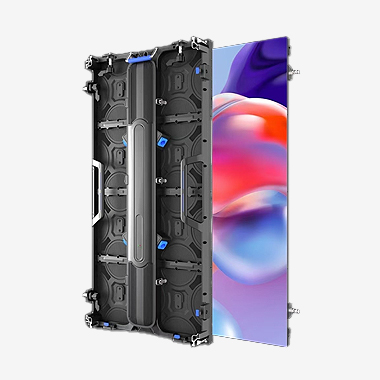
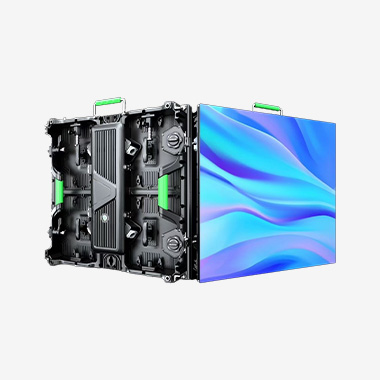
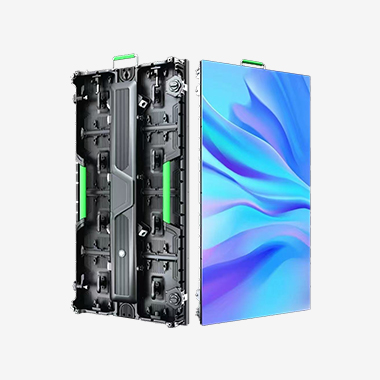
The construction of indoor HD LED displays typically involves the use of modular panels. These panels are composed of multiple LED modules, each containing a matrix of RGB LEDs. The modular design allows for easy installation, maintenance, and replacement of individual components. The panels are usually mounted on a metal frame or a cabinet, which provides structural support and protection for the LED modules.
In addition to the LED modules, indoor HD LED displays also incorporate other components, such as power supplies, control cards, and cooling systems. Power supplies are responsible for providing the necessary electrical power to the LED modules, while control cards manage the data transmission and signal processing for the display. Cooling systems, such as fans or heat sinks, are used to dissipate the heat generated by the LED modules, ensuring their optimal performance and longevity.
The quality of the materials used in the construction of indoor HD LED displays is also critical. High-quality LEDs, circuit boards, and other components are essential for achieving consistent color reproduction, high brightness, and long-term reliability. Additionally, the display enclosure should be designed to withstand the environmental conditions of the intended installation location, such as temperature, humidity, and dust.
The working principles of indoor HD full-color LED display signage are based on the properties of light-emitting diodes (LEDs) and the manipulation of electrical signals. LEDs are semiconductor devices that emit light when an electric current passes through them. In full-color LED displays, RGB LEDs are used to produce a wide range of colors by combining different intensities of red, green, and blue light.
The process begins with the input of digital video or graphic signals into the display system. These signals are typically in the form of digital data streams, which are then processed by the control card. The control card decodes the digital signals and converts them into analog signals that can be used to control the brightness and color of the individual LEDs.
Each LED module in the display is composed of a matrix of RGB LEDs, which are arranged in a specific pattern. The control card sends electrical signals to each LED module, controlling the current flowing through the individual LEDs. By varying the current, the brightness of each LED can be adjusted, allowing for the creation of different shades and colors.
To achieve a full-color image, the control card coordinates the operation of all the LEDs in the display. It sends signals to the LEDs in a sequential manner, rapidly turning them on and off at a high frequency. This process, known as pulse-width modulation (PWM), creates the illusion of continuous light and color, resulting in a smooth and vibrant image.
In addition to controlling the brightness and color of the LEDs, the control card also manages the synchronization of the display. It ensures that all the LEDs in the display are updated at the same time, preventing any visual artifacts or flickering. The control card also interfaces with other components of the display system, such as the power supply and the video source, to ensure seamless operation.
Indoor HD full-color LED display signage offers numerous advantages over traditional display technologies, making them a popular choice for a wide range of applications. One of the primary advantages is their high visual quality. With their high resolution, vibrant color reproduction, and wide viewing angles, indoor HD LED displays can deliver stunning visual experiences that capture the attention of audiences.
Another significant advantage is their flexibility. Indoor HD LED displays can be customized to fit various spaces and applications. They can be installed in different shapes and sizes, from small individual screens to large video walls. Additionally, they can be easily integrated with other systems, such as audio systems and control systems, to create a complete multimedia solution.
Indoor HD LED displays are also highly energy-efficient. Compared to traditional display technologies, such as LCD and plasma screens, LED displays consume less power, resulting in lower energy costs and a reduced environmental impact. Moreover, LED displays have a longer lifespan, typically lasting for tens of thousands of hours, which reduces the need for frequent replacements and maintenance.
However, despite their many advantages, indoor HD LED display signage also face several challenges. One of the main challenges is the cost. LED displays can be relatively expensive compared to other display technologies, especially for large-scale installations. The high cost of the LED modules, control cards, and other components, as well as the installation and maintenance costs, can make LED displays a significant investment.
Another challenge is the heat management. LED displays generate heat during operation, which can affect their performance and lifespan if not properly managed. To ensure optimal performance, effective cooling systems, such as fans or heat sinks, need to be installed, which can add to the cost and complexity of the display.
In addition, indoor HD LED displays require careful calibration and maintenance to ensure consistent color reproduction and image quality. Over time, the LEDs may degrade, resulting in color shifts and brightness variations. Regular calibration and maintenance are necessary to correct these issues and maintain the display's performance.
Indoor HD full-color LED display signage have a wide range of applications across various industries. In the commercial sector, they are commonly used for advertising, brand promotion, and customer engagement. Retail stores, shopping malls, and airports use LED displays to showcase products, display promotional messages, and provide wayfinding information.
In the entertainment industry, indoor HD LED displays are used in theaters, concert halls, and sports arenas to enhance the viewing experience. They can be used to display live video feeds, replays, and graphics, creating an immersive and engaging atmosphere for the audience.
In the educational sector, LED displays are used in classrooms, lecture halls, and libraries to deliver educational content. They can be used to display presentations, videos, and interactive materials, making learning more engaging and interactive.
Looking ahead, the future of indoor HD LED display signage is promising. Advancements in LED technology are expected to lead to further improvements in display quality, such as higher resolutions, brighter images, and wider color gamuts. Additionally, the development of new materials and manufacturing processes is likely to reduce the cost of LED displays, making them more accessible and affordable.
Another trend is the integration of smart technologies into LED displays. With the rise of the Internet of Things (IoT) and artificial intelligence (AI), LED displays are becoming more intelligent and interactive. They can be connected to other devices and systems, allowing for remote control, content management, and data analytics.
The demand for curved and flexible LED displays is also increasing. These displays offer unique visual experiences and can be used in a variety of applications, such as immersive installations, virtual reality (VR) and augmented reality (AR) experiences, and automotive interiors.
Conclusion
Indoor HD full-color LED display signage have revolutionized the way information is presented and experienced indoors. With their high visual quality, flexibility, energy efficiency, and wide range of applications, they have become an essential tool for effective communication in various industries.
Despite the challenges they face, such as cost, heat management, and maintenance, the continuous advancement of LED technology and the growing demand for engaging visual communication are driving the adoption of indoor HD LED displays. As technology continues to evolve, we can expect to see further improvements in display quality, cost-effectiveness, and functionality, opening up new possibilities for indoor HD LED display signage in the future. Whether it's for advertising, entertainment, education, or other applications, indoor HD full-color LED display signage will continue to play a crucial role in shaping the digital landscape of indoor environments.


Copyright © 2026 Shenzhen Cogo Technology Co.,Ltd.
All Rights Reserved

 Previous article