




 Chat Now
In the contemporary era of rapid technological advancement and vibrant visual communication, indoor LED wall display panels have emerged as a revolutionary force in the exhibition industry. Exhibitions, which serve as crucial platforms for showcasing products, sharing ideas, and communicating brand stories, rely heavily on effective visual presentation to captivate audiences. Indoor LED wall display panels have become the centerpiece of modern exhibition design, transforming the way information is presented and experienced.
These display panels are composed of numerous light - emitting diodes (LEDs) arranged in a matrix - like structure. LEDs are semiconductor devices that emit light when an electric current passes through them. The indoor LED wall display panels offer a high - resolution, bright, and vivid visual experience that can easily attract and engage visitors.
The significance of indoor LED wall display panels in exhibitions lies in their ability to create immersive and interactive environments. They can display a wide range of content, from static images and videos to dynamic graphics and real - time data. For example, in a product launch exhibition, a large LED wall can showcase high - definition product images, detailed feature videos, and even live product demonstrations. This not only provides a comprehensive view of the product but also makes the exhibition more memorable and impactful.
The market for indoor LED wall display panels in the exhibition sector has been growing steadily. With the increasing demand for more sophisticated and engaging exhibition experiences, manufacturers are constantly innovating to improve the performance, quality, and functionality of these panels. Technological advancements such as the development of smaller LED chips, higher refresh rates, and better color accuracy have further fueled the growth of this market.
The design and construction of indoor LED wall display panels are complex processes that require a combination of electrical, mechanical, and optical engineering. The first step in the design process is to determine the specifications of the display, including the size, resolution, brightness, and viewing angle.
The size of the LED wall is determined by the available space in the exhibition venue and the intended visual impact. Larger walls can create a more immersive experience but also require more LEDs and a more powerful control system. Resolution is another critical factor, as it determines the clarity and detail of the displayed content. High - resolution panels, such as 4K or 8K, are becoming increasingly popular in exhibitions to meet the demand for sharp and detailed visuals.
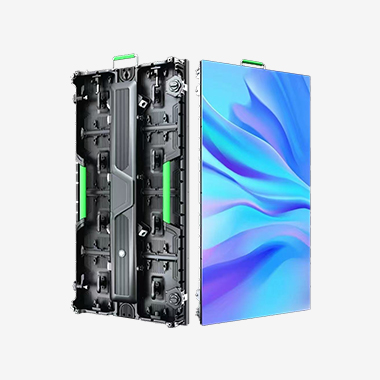
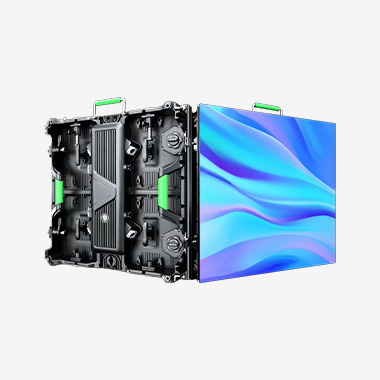
In terms of construction, the LED modules are the building blocks of the display wall. Each module consists of a printed circuit board (PCB) with multiple LEDs mounted on it. The PCBs are designed to provide electrical connections to the LEDs and also act as a heat sink to dissipate the heat generated during operation. The modules are then assembled together to form the complete display wall.
The frame of the LED wall is usually made of aluminum or steel, which provides structural support and protection for the LED modules. The frame also houses the power supply, control system, and other electronic components. To ensure a seamless visual experience, the gaps between the modules, known as the pixel pitch, are minimized. Smaller pixel pitches result in a higher - resolution display but also increase the cost and complexity of the construction.
In addition to the physical construction, the design of the LED wall also needs to consider factors such as installation and maintenance. Modular designs are commonly used, which allow for easy installation, replacement, and repair of individual modules. This reduces downtime and maintenance costs, making the LED wall more practical for exhibition use.
The working principles of indoor LED wall display panels are based on the operation of light - emitting diodes and the control of electrical signals. When an electric current is applied to an LED, electrons in the semiconductor material combine with holes, releasing energy in the form of photons, which results in the emission of light.
The color of the light emitted by an LED depends on the semiconductor material used. For example, gallium arsenide phosphide (GaAsP) is commonly used to produce red LEDs, while gallium nitride (GaN) is used for blue and green LEDs. By combining red, green, and blue (RGB) LEDs, a wide range of colors can be created through the principle of additive color mixing.
The control system of the LED wall is responsible for driving the LEDs and displaying the desired content. It receives video or graphic data from a source, such as a computer or a media player, and converts it into electrical signals that can be understood by the LEDs. The control system also controls the intensity of each LED to create different colors and brightness levels.
To achieve smooth and seamless motion in videos and animations, a high refresh rate is required. The refresh rate refers to the number of times the LED wall updates its image per second. A higher refresh rate, such as 120Hz or 240Hz, results in a more fluid and artifact - free visual experience, especially for fast - moving content.
The communication between the control system and the LED modules is typically achieved through a network of cables. These cables transmit the electrical signals and power to each module, ensuring that all the LEDs work in harmony to display the correct image.
Indoor LED wall display panels offer several significant advantages in the context of exhibitions. Firstly, they provide excellent visual quality. With high - resolution displays, accurate color reproduction, and high brightness levels, LED walls can present content in a way that is both clear and eye - catching. This is particularly important in exhibitions where the goal is to attract and hold the attention of visitors.
Secondly, LED walls are highly versatile. They can display a wide variety of content, from pre - recorded videos and images to live - streamed events and real - time data feeds. This versatility allows exhibitors to create dynamic and engaging experiences that can adapt to different exhibition themes and purposes.
Another advantage is their durability and long lifespan. LEDs have a relatively long operational life compared to other display technologies, such as cathode - ray tubes (CRTs) or liquid - crystal displays (LCDs). They are also more resistant to shock, vibration, and temperature changes, making them suitable for the often - busy and variable environment of exhibitions.
However, there are also several challenges associated with indoor LED wall display panels. One of the main challenges is the cost. High - quality LED walls can be quite expensive, especially those with high resolutions and advanced features. This cost includes not only the purchase price of the display but also the installation, maintenance, and power consumption costs.
Another challenge is the complexity of installation and maintenance. Installing an LED wall requires specialized skills and equipment, and any malfunction or damage to the modules can be difficult and time - consuming to repair. Additionally, as technology continues to evolve rapidly, there is a risk of the LED wall becoming obsolete relatively quickly, which may require frequent upgrades.
Power consumption is also a concern. Although LEDs are more energy - efficient than some traditional display technologies, large LED walls can still consume a significant amount of power, which can increase operating costs and have environmental implications.
Indoor LED wall display panels have a wide range of applications in the exhibition industry. In art exhibitions, they can be used to display digital artworks, allowing artists to showcase their creations in a more dynamic and interactive way. The high - resolution and vivid color capabilities of LED walls can bring digital art to life, providing viewers with a unique and immersive experience.
In corporate exhibitions, LED walls are often used for brand promotion. Companies can display their brand stories, product features, and corporate achievements on large - scale LED walls to make a strong impression on potential customers, partners, and investors. For example, a technology company may use an LED wall to demonstrate the latest features of its new products in a live - action demonstration.
Trade shows also benefit greatly from indoor LED wall display panels. Exhibitors can use these walls to attract visitors to their booths, display product information, and conduct live product demonstrations. The large - scale and high - impact visual display of LED walls can help exhibitors stand out in a crowded trade show environment.
Looking towards the future, several trends are emerging in the field of indoor LED wall display panels for exhibitions. One of the key trends is the continued reduction in pixel pitch. As technology advances, smaller pixel pitches will become more affordable and accessible, enabling even higher - resolution displays. This will allow for more detailed and lifelike visuals, enhancing the overall exhibition experience.
Another trend is the integration of augmented reality (AR) and virtual reality (VR) technologies with LED walls. This combination can create more immersive and interactive exhibition experiences, where visitors can interact with digital content overlaid on the physical display. For example, in a historical exhibition, visitors could use AR - enabled devices to see virtual reconstructions of historical scenes on the LED wall.
Energy - efficiency will also be a major focus in the future. Manufacturers are likely to develop more energy - saving technologies for LED walls, reducing power consumption without sacrificing visual quality. This will not only help exhibitors save on operating costs but also contribute to environmental sustainability.
Conclusion
Indoor LED wall display panels have revolutionized the exhibition industry by providing high - quality, versatile, and durable visual display solutions. Their ability to create immersive and interactive experiences has made them an essential part of modern exhibitions. Through a combination of advanced design, construction, and working principles, LED walls can display a wide range of content with excellent visual quality.
Despite the challenges such as high costs, complex installation, and power consumption, the numerous advantages of LED wall display panels make them a valuable investment for exhibitors. Their applications span across various types of exhibitions, from art and corporate shows to trade fairs, enhancing the overall effectiveness of the exhibition experience.
Looking ahead, with emerging trends such as smaller pixel pitches, integration with AR/VR, and improved energy - efficiency, indoor LED wall display panels are set to become even more powerful and influential in the exhibition industry. As technology continues to evolve, these display panels will likely play an even more crucial role in shaping the future of exhibitions, providing visitors with increasingly engaging and memorable experiences.


Copyright © 2026 Shenzhen Cogo Technology Co.,Ltd.
All Rights Reserved

 Previous article