




 Chat Now
In the competitive and dynamic environment of modern retail, the indoor LED poster display wall has emerged as a versatile and effective tool for shops to enhance their visual appeal, communicate with customers, and promote their products and services. These display walls combine the traditional concept of posters with the advanced technology of light - emitting diodes (LEDs), offering a dynamic and engaging alternative to static printed posters.
At the core of indoor LED poster display walls is the utilization of LED technology to create bright, vivid, and high - resolution visuals. By integrating red, green, and blue (RGB) LEDs, these display walls can produce a wide spectrum of colors, display sharp images, and play smooth animations or videos. Unlike traditional paper posters that are limited to static images and can fade over time, LED poster display walls provide the flexibility to showcase a variety of content, from eye - catching product images and promotional messages to brand stories and interactive graphics.
The growing popularity of indoor LED poster display walls in shops can be attributed to several factors. Firstly, the evolving consumer behavior has led to an increased demand for more interactive and visually stimulating shopping experiences. Modern consumers are more likely to be attracted to dynamic and digital displays that can capture their attention in a crowded retail environment. LED poster display walls meet this need by offering a visually appealing and engaging way to present information, making the shopping experience more memorable and enjoyable for customers.
Secondly, the limitations of traditional printed posters, such as high production costs for frequent updates, environmental concerns due to paper waste, and the inability to display dynamic content, have prompted shop owners to seek more innovative and sustainable solutions. LED poster display walls eliminate these drawbacks, allowing for easy and cost - effective content updates, reducing environmental impact, and enabling the display of a wide range of digital media.
Moreover, advancements in LED technology have made indoor LED poster display walls more accessible, energy - efficient, and cost - effective. The continuous improvement in LED manufacturing processes has reduced the cost of production, while enhancing the performance and lifespan of the displays. Additionally, the development of user - friendly control systems and software has made it easier for shop owners to manage and update the content on the display walls, even without extensive technical knowledge.
The design and construction of indoor LED poster display walls for shops are carefully planned to meet the specific requirements of the retail environment, taking into account factors such as space availability, aesthetic appeal, and functionality. The design process begins with an assessment of the shop's layout, interior design style, and the target audience.
One of the primary design considerations is the size and shape of the display wall. The size needs to be appropriate for the available space in the shop, ensuring that it does not overwhelm the area or obstruct customer movement. In smaller shops, compact and lightweight LED poster display walls can be installed, while larger stores may opt for more expansive displays to create a more impactful visual presence. The shape of the display wall can also vary, with rectangular and square shapes being the most common, but custom - shaped displays can be designed to fit unique spaces or to add a distinctive visual element to the shop's interior.
The pixel pitch is a crucial design element that directly affects the visual quality of the display. For indoor applications, where customers typically view the display from a relatively close distance, a smaller pixel pitch is preferred to ensure sharp and detailed images. A pixel pitch ranging from 1mm to 3mm is commonly used for indoor LED poster display walls, as it provides a high - resolution display that can clearly show text, product details, and graphics. However, a smaller pixel pitch also increases the cost of the display wall, so shop owners need to balance the desired visual quality with their budget.
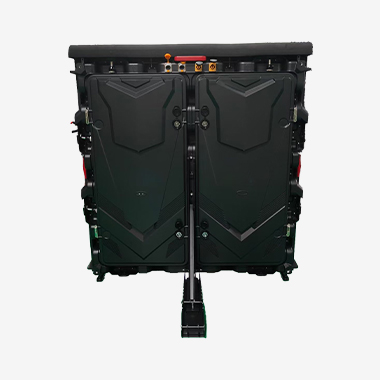
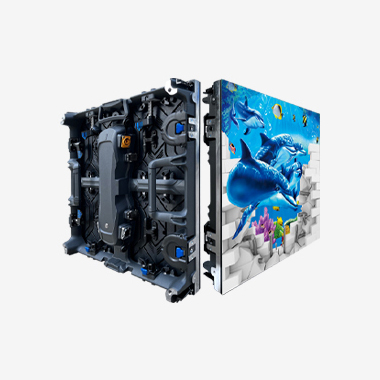
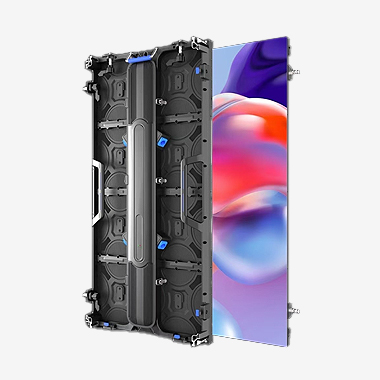
In terms of construction, indoor LED poster display walls usually adopt a modular design. The display modules, which are composed of individual LED panels, are assembled to form the complete display wall. This modular design offers several advantages, including easy installation, maintenance, and scalability. If a particular module malfunctions, it can be easily replaced without having to disassemble the entire display wall. The frames of the display walls are often made from lightweight and durable materials such as aluminum or high - quality plastics, which not only provide structural support but also contribute to the overall aesthetic of the shop.
The enclosure of the display wall is designed to protect the internal components, such as the LED modules, control systems, and power supplies, from dust, moisture, and accidental damage. For indoor use, the enclosure does not need to be as robust as those for outdoor displays but still requires proper sealing and protection. Additionally, heat - dissipation mechanisms, such as heat sinks or fans, may be integrated into the design to manage the heat generated by the LEDs, ensuring their optimal performance and longevity.
The electrical and data connections within the display wall are carefully engineered for reliability and ease of use. High - quality cables and connectors are used to transmit power and data between the display modules and the control system. The control system, which includes media players, control cards, and software, manages the display of content, adjusts the brightness and color, and synchronizes the operation of the entire display wall. Many modern indoor LED poster display walls also support wireless connectivity, allowing shop owners to update the content remotely using a computer, tablet, or smartphone.
The working principles of indoor LED poster display walls for shops are based on the fundamental operation of LED technology and digital signal processing. The process starts with the creation and preparation of the digital content, which can include images, videos, animations, and text. This content is typically created using graphic design software, video editing tools, and content management systems.
The prepared digital content is then transferred to a media player or a computer connected to the LED poster display wall. The media player serves as the central hub for content management, receiving the digital files and processing them to ensure compatibility with the display wall's control system. It can perform tasks such as video compression, color correction, and content formatting to optimize the visual quality and ensure smooth playback on the display wall.
The control system of the LED poster display wall, consisting of control cards and software, plays a crucial role in the operation of the display. The control cards receive the processed data from the media player and convert it into electrical signals. These electrical signals are then transmitted to the individual LED modules within the display wall. Each LED in the module is individually addressable, and the control system precisely regulates the current flowing through each LED, determining its brightness and color.
To display the content, the control system employs pulse - width modulation (PWM) technology. PWM rapidly switches the LEDs on and off at a high frequency, adjusting the duration for which each LED is on to control its brightness. By precisely controlling the PWM signals for the red, green, and blue LEDs, the control system can create a vast array of colors and shades, resulting in high - quality images and videos that accurately represent the intended content.
In addition to controlling the LEDs, the control system also manages the synchronization of the entire display wall. This is essential to ensure that all the LED modules update simultaneously, preventing any visual artifacts or flickering that could disrupt the viewing experience. The control system can interface with other devices in the shop, such as sensors for ambient light monitoring or customer traffic analysis. For example, ambient light sensors can detect the surrounding light levels and automatically adjust the brightness of the display wall to ensure optimal visibility while also saving energy.
Furthermore, modern indoor LED poster display walls often support various playback modes, such as single - image display, slideshow, video loop, and interactive display. Shop owners can configure the display settings according to their marketing strategies and the nature of the content, providing flexibility in presenting information to customers.
Indoor LED poster display walls for shops offer a multitude of advantages that make them a valuable addition to the retail environment. One of the most significant advantages is their high visual impact. The bright and vivid displays of LED poster walls can easily capture the attention of customers, drawing them to the products or promotions being showcased. The ability to display dynamic content, such as videos and animations, adds an extra layer of engagement, making the shopping experience more interactive and interesting.
Another major advantage is the flexibility of content display. Shop owners can quickly and easily update the content on the LED poster display walls, allowing them to respond promptly to changing market trends, seasonal promotions, or new product launches. This flexibility eliminates the need for costly and time - consuming reprinting of traditional posters, saving both time and money. Additionally, the ability to display a variety of content types, from product features and benefits to customer testimonials and brand stories, enables shops to communicate their messages more effectively and comprehensively.
In terms of cost - effectiveness, indoor LED poster display walls offer long - term value. Although the initial investment may be higher compared to traditional printed posters, the energy - efficiency of LED technology reduces operating costs over time. LEDs consume less power while producing bright and clear visuals, resulting in lower electricity bills. Moreover, the long lifespan of LED displays means that they require less frequent replacement, further reducing maintenance costs. The ability to reuse the display wall for multiple advertising campaigns also provides cost savings in the long run.
However, indoor LED poster display walls also face several challenges. One of the main challenges is the high initial cost. The purchase, installation, and setup of an LED poster display wall can be a significant financial investment, including the cost of the LED panels, control systems, media players, and installation labor. This cost can be a barrier for small and medium - sized shops, especially those with limited budgets.
Another challenge is the technical complexity involved in operation and maintenance. While modern LED poster display walls are designed to be user - friendly, some technical knowledge is still required for installation, calibration, and troubleshooting. Any technical issues, such as faulty LED modules, data transmission problems, or software glitches, need to be addressed promptly to ensure the smooth operation of the display wall. Shop owners may need to invest in staff training or outsource the maintenance to professionals, which can add to the overall cost and complexity.
The compatibility with the existing shop infrastructure can also be a concern. Ensuring a stable power supply and proper integration with the shop's network and other systems may require additional modifications and investments. Additionally, the display wall needs to be designed in a way that complements the shop's interior design and does not disrupt the overall aesthetic or functionality of the space.
Indoor LED poster display walls for shops have a wide range of applications within the retail environment. At the entrance of the shop, they can be used to display eye - catching promotions, new arrivals, or special offers to attract customers inside. Once inside, LED poster walls can be placed near product displays to highlight product features, benefits, and usage instructions, helping customers make more informed purchasing decisions.
In the checkout area, LED poster display walls can display impulse - buy products, loyalty program information, or short - duration advertisements to engage customers while they wait in line, potentially increasing the average transaction value. They can also be used to create a brand - immersive experience by displaying brand stories, values, and brand - related content throughout the shop, strengthening the brand image in the minds of customers.
Looking to the future, several trends are expected to shape the development of indoor LED poster display walls for shops. One trend is the integration of augmented reality (AR) and virtual reality (VR) technologies. AR - enabled LED poster walls could allow customers to interact with digital content overlaid on the real - world environment, such as viewing 3D models of products or accessing additional product information by scanning the poster with a smartphone. VR integration could offer virtual shopping experiences, where customers can explore virtual product catalogs or take virtual tours of the shop.
Another trend is the use of artificial intelligence (AI) and machine learning (ML) for more personalized and targeted marketing. AI - powered systems could analyze customer behavior, preferences, and purchase history in real - time, enabling shops to display personalized content that is more likely to resonate with individual customers. ML algorithms could also be used to optimize the display schedule and content based on data analytics, maximizing the effectiveness of the marketing campaigns.
The development of more energy - efficient and sustainable LED technologies is also on the horizon. As environmental awareness grows, there will be an increasing demand for LED poster display walls that consume less power and have a lower carbon footprint. New materials and manufacturing processes will be explored to make these display walls more eco - friendly without sacrificing visual quality. Additionally, the integration of renewable energy sources, such as solar power, to power the display walls may become more common in the future.
Conclusion
Indoor LED poster display walls have become an essential and effective tool for shops in the modern retail landscape. Their ability to create a high visual impact, offer flexible content display, and provide long - term cost - effectiveness has transformed the way shops communicate with customers and promote their products and services. Despite the challenges of high initial cost, technical complexity, and infrastructure compatibility, their numerous advantages have led to their widespread adoption across various retail sectors.
As technology continues to evolve, the future of indoor LED poster display walls looks promising. The integration of advanced technologies such as AR, VR, AI, and ML, along with the development of more sustainable display solutions, will open up new possibilities for creative and effective retail marketing. These display walls will continue to play a crucial role in enhancing the shopping experience, driving customer engagement, and contributing to the success of shops in a competitive market.


Copyright © 2026 Shenzhen Cogo Technology Co.,Ltd.
All Rights Reserved

 Previous article