




 Chat Now
LED poster display walls are compact, lightweight digital signage solutions designed to replace traditional paper posters, combining the vividness of LED technology with the portability of print media. Unlike large-scale LED walls (e.g., mall exteriors or stadium displays), these systems are optimized for small to medium-sized spaces—typically ranging from 0.5m² to 5m²—and target close-range viewing (1–5 meters), making them ideal for retail windows, restaurant entrances, office lobbies, and event booths.
Defined by pixel pitches of P1.8–P5 (enabling 1080p to 4K resolution in compact sizes), LED poster walls deliver 2,000–4,000 nits brightness—bright enough for indoor use and shaded outdoor areas (e.g., covered storefronts)—with IP54 to IP65 ingress protection (resisting dust and light rain). Key traits include ultra-slim designs (3–8cm thick), lightweight construction (2–5kg/m²), and plug-and-play functionality, allowing easy installation without specialized tools.
Adoption is driven by the retail and hospitality industries’ shift from static to dynamic signage: businesses can update promotions, menus, or event details in minutes via cloud-based software, eliminating the cost and waste of printing/replacing paper posters. Market data shows the global LED poster market growing at 22% annually, with Asia-Pacific leading due to dense urban retail environments. These walls are no longer just “digital posters”—they’re cost-effective, eco-friendly tools that enhance customer engagement in high-traffic, space-constrained areas.
Design prioritizes three core goals: portability, space efficiency, and user-friendliness—critical for small businesses and spaces where large, complex LED systems are impractical.
Core Design Choices:
Pixel Pitches & Size: P1.8–P5 (e.g., P2.5 for a 0.8x1.2m 1080p poster) balances clarity and cost. Sizes are standardized (e.g., 0.6x0.9m, 1x1.5m) to fit common retail window and lobby spaces, avoiding custom sizing that increases costs.
LED Technology: Mini-SMD RGB LEDs (1.5–2.5mm die size) with 180–220 lm/W efficacy ensure bright, vivid visuals (2,000–4,000 nits) without excessive power use—critical for businesses operating on tight electricity budgets.
Portability & Durability:
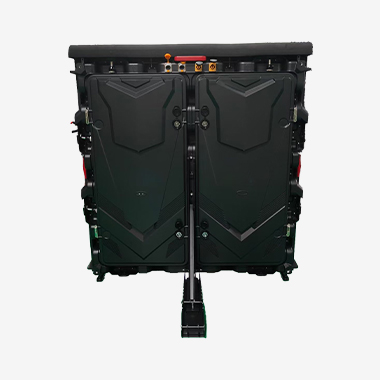
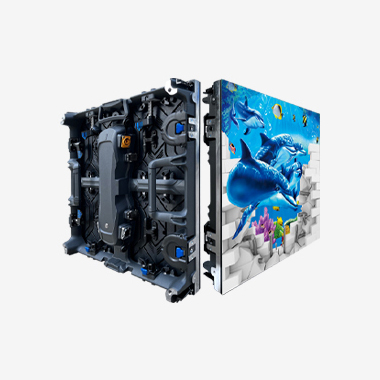
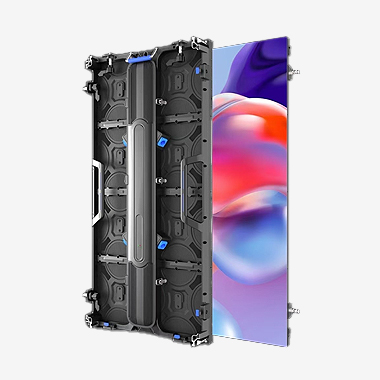
Enclosures: Ultra-slim aluminum alloy frames (3–8cm thick) reduce weight, while polycarbonate front panels (2–3mm thick) replace heavy glass—making the wall easy to mount (via brackets or stands) or move. IP54/IP65 ratings (depending on indoor/outdoor use) are achieved via rubber gaskets and sealed ports, protecting against dust and light moisture.
Structural Support: Most models include integrated mounting brackets (for walls) or foldable stands (for event booths), eliminating the need for separate trussing. Supports are designed to hold the wall’s lightweight (2–5kg/m²) without damaging surfaces (e.g., no drilling required for temporary stands).
User-Centric Features:
Power & Connectivity: Built-in power supplies (100–240V AC) and wireless connectivity (Wi-Fi/Bluetooth) reduce cable clutter. USB ports allow local content updates for users without internet access.
Maintenance: Tool-less module access enables quick repairs, while low-heat LEDs eliminate the need for cooling fans—reducing noise and maintenance needs. Manufacturing includes 300-hour temperature cycle tests (0°C to 50°C) and pixel uniformity checks (variation <3%) to ensure reliability.
Functionality relies on four simplified, user-friendly systems—optimized for small-scale use, frequent content updates, and low technical expertise:
1. LED Illumination: Mini-SMD RGB LEDs generate light via electroluminescence—red (620–660nm), green (520–560nm), blue (440–480nm) dies emit light when 5V DC current passes through. Pulse-width modulation (PWM) adjusts current intensity to create 16.7 million colors, ideal for vibrant retail promotions (e.g., sale banners) or restaurant menus. 2,000–4,000 nits brightness ensures visibility in well-lit stores, while anti-glare polycarbonate panels prevent reflections for shoppers 1–5 meters away.
2. Power Distribution: Compact switch-mode power supplies (SMPS) with 85%+ efficiency convert AC to 5V DC. Integrated wiring (hidden within the frame) minimizes voltage drop (<1%) across the small wall size, eliminating the need for redundant supplies (unlike large LED walls). Low power consumption (10–50W per square meter) means the wall can run on standard electrical outlets, no dedicated circuits required.
3. Content Processing:
Control Module: A built-in mini-controller (smaller than a smartphone) replaces complex sending/receiving cards. It processes content (images, videos, text) from Wi-Fi, Bluetooth, or USB, scaling it to fit the poster’s resolution (e.g., 1920x1080 for a 1x1.5m wall).
Software Integration: Cloud-based apps (e.g., LG SuperSign, Novastar EasyManager) let users upload content, schedule playback (e.g., “breakfast menu 7–11 AM”), and monitor status via smartphone/tablet. Offline mode stores content locally to avoid downtime if internet fails.
4. Environmental Adaptation:
Light sensors adjust brightness (2,000–4,000 nits) based on ambient light—dimming in low-light lobbies to save energy (20–30% power reduction) and avoid eye strain. Temperature sensors trigger warnings if internal heat exceeds 50°C, preventing component damage. For outdoor models, humidity sensors activate a moisture barrier to protect PCBs from light rain.
Advantages:
Cost-Effective vs. Static Posters: While upfront costs ((800–)3,000 per unit) are higher than paper posters ((50–)200 per design), LED posters eliminate recurring printing costs (up to (1,000/year for frequent updates). A restaurant updating menus weekly saves ~)5,200 over 5 years—offsetting the initial investment.
Flexible Content Updates: Cloud/wireless updates let businesses change content in minutes—critical for time-sensitive promotions (e.g., “flash sale today”) or dynamic menus (e.g., daily specials). Unlike paper, no waiting for prints or manual installation—saving staff time.
Space-Saving & Portable: Ultra-slim (3–8cm) and lightweight (2–5kg/m²) designs fit in small windows or booths. Foldable stands make them ideal for pop-up shops or events, where large signage is impractical.
Eco-Friendly & Engaging: Reduces paper waste (a single LED poster replaces 500+ paper posters yearly) and boosts engagement—studies show digital posters attract 40% more attention than static ones, increasing sales for promoted items by 15–20%.
Challenges:
Upfront Cost Barrier: Small businesses (e.g., local cafes) may struggle with the (800–)3,000 price tag—though financing options (monthly payments (20–)80) are becoming common.
Connectivity Dependencies: Cloud updates require stable Wi-Fi—rural areas or stores with poor internet may rely on USBs, limiting flexibility.
Outdoor Limitations: Most models are for indoor/shaded use (IP54); IP65 outdoor versions cost 30–50% more and require additional mounting to withstand wind.
Content Quality Needs: Low-resolution content (e.g., blurry images) looks unprofessional—users need basic design skills or templates, which some small businesses lack.
Applications:
Retail Stores: Window displays (0.8x1.2m P2.5 models) promote sales (e.g., “50% Off Jeans”) or new arrivals, while in-store posters near checkout highlight impulse buys (e.g., “Add a Accessory—$10”). Fashion stores use them to show product videos, increasing customer interest.
Restaurants & Cafes: Menu boards (1x1.5m P3 models) update daily specials or seasonal items—no more reprinting when prices change. Fast-food chains use them to display order times (e.g., “10 Minutes or Free”), improving customer expectations.
Office Lobbies & Events: Corporate lobbies use 0.6x0.9m posters for welcome messages or event schedules, while trade show booths use portable stands to showcase brand videos—attracting booth traffic.
Healthcare & Education: Hospitals display wait times or health tips; schools use them for event announcements (e.g., “Parent-Teacher Night”)—replacing paper bulletin boards that are often outdated.
Future Trends:
AI-Powered Content: AI will generate personalized content—e.g., a retail poster showing products based on local weather (sunglasses on sunny days) or foot traffic (popular items during peak hours). It will also auto-correct low-quality images, reducing design burdens.
Touch & Interactive Features: Touch-sensitive panels will let customers interact—e.g., a cafe poster where users “tap to order” or a retail poster where they “swipe to see product colors.” This bridges digital and physical shopping.
Solar Integration: Small solar panels on the frame will power indoor posters (via batteries), reducing grid reliance—ideal for eco-friendly brands or areas with unstable electricity.
Integration with POS Systems: Posters will sync with point-of-sale (POS) data—e.g., automatically promoting low-stock items to boost sales, or updating “sold out” messages in real time.
Conclusion
LED poster display walls have redefined small-scale digital signage, offering businesses a flexible, cost-effective alternative to static paper posters. Their compact design, easy content updates, and low operational costs address key pain points for small retailers, restaurants, and offices—from reducing print waste to engaging customers in space-constrained areas.
While upfront costs and connectivity limits exist, these barriers are fading: affordable financing, offline update options, and AI-driven content tools make LED posters accessible to more businesses. As the retail and hospitality industries continue to prioritize digital transformation, LED posters are no longer just a “nice-to-have”—they’re a essential tool for staying competitive in a fast-paced, customer-centric market.
Looking ahead, interactive and AI-powered features will turn LED posters into even more valuable assets—blending data-driven personalization with user-friendly design. They’ll not only display content but also interact with customers, streamline operations, and support sustainability goals. For businesses of all sizes, LED poster display walls represent a smart, future-proof investment in customer engagement—proving that big impact can come in small, digital packages.


Copyright © 2026 Shenzhen Cogo Technology Co.,Ltd.
All Rights Reserved

 Previous article