




 Chat Now
In the digital age, visual communication has evolved beyond traditional static displays, giving rise to immersive LED visual signage that captivates audiences and transforms spaces. Immersive LED visual signage refers to the use of large-scale, high-resolution LED (Light-Emitting Diode) displays that create engaging, interactive, and enveloping visual experiences. These systems go beyond mere information display; they immerse viewers in a seamless blend of light, color, and motion, making them powerful tools in various industries, from advertising and entertainment to retail and education.
The roots of LED signage can be traced back to the development of LED technology in the mid-20th century. Early LED displays were monochromatic and limited in resolution, primarily used for simple text messages or basic graphics. However, advancements in semiconductor technology, particularly the invention of high-brightness blue and white LEDs in the 1990s, revolutionized the field. This breakthrough enabled the creation of full-color LED displays with vibrant hues and improved energy efficiency. As processing power increased and digital content creation tools became more sophisticated, the concept of "immersive" signage emerged—driven by the desire to create more engaging and memorable visual experiences that interact with viewers and their environments.
Immersive LED visual signage is characterized by several key features. First, it boasts high pixel density, allowing for sharp, detailed images even at close viewing distances. Modern displays can achieve resolutions up to 8K and beyond, with pixel pitches (the distance between adjacent pixels) as small as 0.5mm for indoor applications, ensuring flawless visual quality. Second, these systems are highly flexible in form factor. Unlike traditional flat-panel displays, LED modules can be arranged into curved, concave, convex, or even three-dimensional shapes, adapting to complex architectural structures. This flexibility enables the creation of immersive environments where displays wrap around walls, ceilings, or floors, eliminating visual boundaries and enveloping viewers in a continuous visual landscape.
Another defining feature is interactivity. Many immersive LED systems incorporate sensors, touch technology, or motion-tracking devices, allowing viewers to engage with the content directly. For example, a retail display might react to a shopper's movements, changing the visual narrative in real-time, or a museum exhibit could use gesture control to reveal hidden information. Additionally, these systems support dynamic content delivery, with the ability to switch between pre-programmed sequences and real-time data feeds, such as live video, social media updates, or environmental data (e.g., weather, traffic).
The applications of immersive LED visual signage are diverse and ever-expanding. In commercial spaces, they serve as attention-grabbing advertising platforms, enhancing brand visibility and customer engagement. Retailers use them to create immersive store experiences, blurring the line between physical and digital shopping. In entertainment venues like casinos, stadiums, and theme parks, these displays elevate the spectator experience, creating dynamic backdrops for live events or immersive rides. Corporate environments utilize them for interactive presentations and digital art installations, while educational institutions employ them for immersive learning experiences that bring complex concepts to life.
From a technological standpoint, immersive LED signage represents a convergence of multiple disciplines, including optoelectronics, software engineering, mechanical design, and user experience (UX) design. The hardware components—LED panels, power supplies, control systems—must work in tandem with software solutions for content creation, management, and playback. Ensuring seamless synchronization across multiple panels, color consistency, and high refresh rates (to prevent motion blur) are critical technical challenges that manufacturers have addressed through innovative engineering.
Moreover, the rise of immersive LED signage is driven by societal trends towards experiential consumption. As consumers become more discerning, they seek experiences that go beyond passive observation. Immersive displays offer a sense of presence and engagement, making them ideal for creating memorable brand interactions and emotional connections. In an era where digital content is ubiquitous, the ability to deliver visually stunning, contextually relevant, and interactive experiences sets immersive LED signage apart as a transformative medium.
In conclusion, immersive LED visual signage represents a paradigm shift in visual communication, combining cutting-edge technology with creative design to craft environments that engage, inform, and inspire. As technology continues to advance—with developments in microLED, flexible displays, and artificial intelligence (AI)-driven content—the potential for immersive LED systems to reshape how we interact with our physical and digital worlds is boundless. The following sections will delve into the design and construction principles, working mechanisms, advantages, challenges, applications, and future trends of this innovative technology, providing a comprehensive understanding of its role in the modern visual landscape.
The design and construction of immersive LED visual signage are intricate processes that require a harmonious blend of technical expertise, creative vision, and attention to detail. From conceptualizing the visual experience to installing the final system, every step must prioritize functionality, aesthetics, and user engagement. This section explores the key considerations in designing immersive LED solutions and the practical aspects of their construction.
Design Principles
1. User Experience (UX) Centric Design
The primary goal of immersive LED signage is to create a compelling experience for the audience. Designers must first define the target audience and their intended interaction with the display. For a retail setting, the focus might be on attracting foot traffic and highlighting product features through interactive visuals. In a museum, the design might aim to educate by overlaying historical imagery onto physical artifacts using mixed reality techniques. Key UX considerations include:
Viewing Distance and Angle: Pixel pitch is selected based on the closest viewing distance. For indoor applications with viewers as near as 1-2 meters, a pixel pitch of 1-2mm is ideal, while outdoor displays viewed from farther distances (10+ meters) can use larger pitches (5-10mm).
Field of View: Ensuring the display covers the viewer's peripheral vision to enhance immersion. This may involve wrapping displays around corners, using ceiling and floor panels, or creating cylindrical installations.
Interactive Elements: Integrating sensors (e.g., RFID, LiDAR, cameras) to enable touchless interactions, motion-responsive content, or personalized experiences based on viewer demographics.
2. Architectural Integration
Immersive LED systems must complement the physical space, whether it's a commercial building, entertainment venue, or public art installation. Designers collaborate with architects and engineers to:
Customize Form Factors: Create curved, irregular, or modular displays that fit unique architectural features. For example, a curved LED wall can follow the contour of a building's atrium, while a ceiling-mounted grid of LED panels can mimic a starry sky.
Material Selection: Use lightweight, durable materials for outdoor installations (e.g., aluminum frames for corrosion resistance) and sleek, minimalist designs for indoor spaces to avoid visual clutter.
Lighting Harmony: Ensure the display's brightness and color temperature align with the ambient lighting to prevent glare or washed-out visuals. Automated dimming systems can adjust brightness in real-time based on environmental light levels.
3. Content Strategy
The design process includes planning the type of content (static, video, interactive) and how it will be delivered. Key considerations:
Aspect Ratio and Layout: Determining the optimal screen dimensions for different content types. A wide aspect ratio might suit cinematic videos, while a square layout could be better for social media feeds.
Zoning: Dividing the display into zones for different content streams (e.g., a central video wall with peripheral panels for real-time data).
Storytelling Flow: Designing content sequences that guide the viewer's attention, using motion, color transitions, and spatial audio to enhance narrative structure.
Construction Components
1. LED Display Modules
The core building blocks of any LED signage are the display modules, which consist of:
LED Panels: Arrays of red, green, and blue LEDs mounted on a circuit board. SMD (Surface-Mounted Device) LEDs are standard for indoor displays due to their compact size and wide viewing angles, while DIP (Dual In-line Package) LEDs are used for outdoor durability.
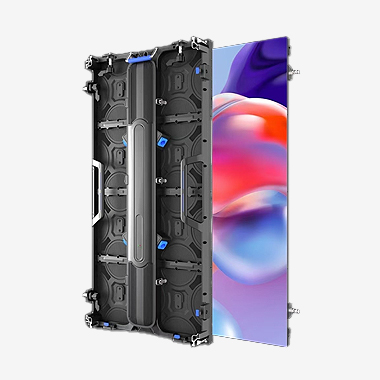
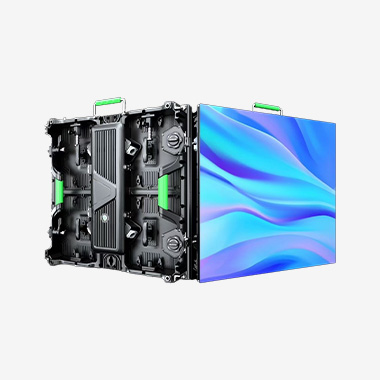
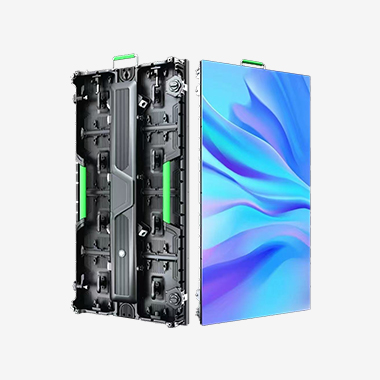
Cabinetry: Frames that house the panels, providing structural support and protection. Cabinets can be front-accessible (for easy maintenance in tight spaces) or rear-accessible, with thermal management features like heat sinks or fans to prevent overheating.
Connectors: Power and data cables that link modules together, ensuring seamless signal transmission. High-speed connectors (e.g., HDMI, DisplayPort, or proprietary protocols) are used for large-scale systems to minimize latency.
2. Support Structures
The installation of LED displays requires robust support structures tailored to the environment:
Indoor Installations: Lightweight frames mounted on walls, ceilings, or suspended from trusses. For curved displays, custom metal frameworks are fabricated to match the desired radius.
Outdoor Installations: Heavy-duty steel structures capable of withstanding wind, rain, and temperature fluctuations. These may include cantilevered frames for building facades or freestanding pylons for roadside displays.
Mobile or Temporary Setups: Portable truss systems and quick-lock cabinets used in events like concerts or trade shows, allowing for easy assembly and disassembly.
3. Control and Processing Systems
Media Servers: High-performance computers that process and distribute content to the displays. They support multiple input sources (live cameras, pre-rendered videos, data feeds) and enable real-time content manipulation, such as scaling, warping, and color correction.
LED Controllers: Devices that convert digital signals from the media server into the analog signals required to drive the LED panels, ensuring synchronization across thousands of pixels.
Software Solutions: Content management systems (CMS) for scheduling and updating content, and visualization tools for pre-programming immersive experiences, including 3D mapping software that calibrates displays to irregular surfaces.
4. Power and Cooling
Power Supply: Redundant power systems are often used to ensure uninterrupted operation, with automatic failover in case of outages. Energy-efficient power supplies reduce operational costs, especially for large-scale installations.
Thermal Management: Efficient cooling is critical to prevent LED degradation. Indoor displays may use passive cooling (heat sinks), while outdoor units require active cooling (fans, air conditioning) or vented cabinets to dissipate heat in high-temperature environments.
Construction Process
1. Site Survey and Planning
Engineers conduct detailed site surveys to assess structural load-bearing capacity, environmental conditions (temperature, humidity, light exposure), and electrical infrastructure. 3D scans of the installation area help in designing custom-fit displays, especially for non-planar surfaces.
2. Prototyping and Testing
A small-scale prototype of the display is built to test visual quality, color accuracy, and mechanical fit. Critical tests include:
Color Calibration: Ensuring uniform color reproduction across all panels using spectrophotometers.
Signal Integrity: Verifying data transmission without lag or distortion, especially in multi-display systems.
Environmental Testing: For outdoor units, testing resistance to water (IP65/IP67 ratings), dust, and extreme temperatures.
3. Installation and Integration
Module Assembly: Panels are mounted onto cabinets or frames, which are then secured to the support structure. For curved or irregular shapes, each module is carefully aligned to maintain a seamless visual surface.
Cabling and Networking: Power and data cables are routed through the support structure, with proper labeling and strain relief to prevent damage. Networking devices (switches, routers) are configured to support the display's data bandwidth requirements.
System Calibration: Using software tools to correct for any physical misalignments, color variations, or brightness inconsistencies, ensuring a unified visual experience.
4. Commissioning and Training
Once installed, the system is thoroughly tested with sample content to validate functionality. Operators receive training on using the CMS, troubleshooting basic issues, and performing routine maintenance, such as cleaning panels or replacing faulty modules.
Challenges in Design and Construction
Complex Geometry: Fabricating displays for non-standard shapes (e.g., spherical, concave) requires precise engineering and custom manufacturing, increasing costs and lead times.
Seamless Integration: Ensuring minimal visible gaps between panels, especially in large-scale installations, demands high-precision manufacturing and installation techniques.
Environmental Factors: Outdoor installations must withstand harsh conditions, requiring robust sealing, anti-glare coatings, and UV-resistant materials, which add to the weight and cost of the system.
In summary, the design and construction of immersive LED visual signage are multidisciplinary processes that balance technical requirements with creative aspirations. From selecting the right hardware components to integrating seamlessly with the physical environment, each step is crucial in delivering a system that not only functions flawlessly but also creates a truly immersive visual experience. The next section will explore the working principles behind these systems, shedding light on how they generate such captivating displays.
To understand how immersive LED visual signage creates its captivating effects, it is essential to delve into the underlying technical principles, spanning from the basic operation of individual LEDs to the synchronization of large-scale display systems. This section breaks down the hardware and software mechanisms that enable these systems to produce vibrant, high-quality, and interactive visual experiences.
1. LED Technology Fundamentals
A. Light Emission in LEDs
At the core of every LED display are semiconductor devices called Light-Emitting Diodes. LEDs emit light through a process called electroluminescence:
Semiconductor Structure: An LED consists of a p-n junction made of semiconductor materials like gallium arsenide (GaAs) or gallium nitride (GaN). The p-side has an excess of holes (positive charge carriers), and the n-side has an excess of electrons (negative charge carriers).
Electron-Hole Recombination: When an electric current is applied, electrons from the n-side move to the p-side and recombine with holes. This recombination releases energy in the form of photons (light), with the wavelength (color) determined by the bandgap of the semiconductor material.
Full-Color Displays: By combining red, green, and blue (RGB) LEDs, any visible color can be created through additive color mixing. Each pixel in a display is typically a cluster of one or more RGB LEDs, with the intensity of each color channel adjusted to produce the desired hue.
B. Pixel Structure and Resolution
Pixel Pitch: As mentioned earlier, this is the distance between the centers of adjacent pixels, measured in millimeters. A smaller pixel pitch (e.g., 1.2mm) allows for higher resolution and sharper images at close viewing distances, while larger pitches (e.g., 10mm) are suitable for distant viewing.
Pixel Density: Calculated as the number of pixels per square meter, this determines the display's detail level. High-density displays (e.g., 70,000+ pixels/m² for indoor use) are essential for immersive environments where viewers interact closely with the content.
2. Display Drive Electronics
A. LED Driver Circuits
Each LED module requires a driver circuit to control the current and voltage supplied to the LEDs, ensuring consistent brightness and color:
Constant Current Drive: LEDs are current-driven devices, meaning their brightness depends on the applied current (not voltage). Drivers maintain a constant current to prevent damage from voltage fluctuations, which could cause color shifts or LED burnout.
Pulse-Width Modulation (PWM): To adjust brightness without changing the color balance, drivers use PWM, rapidly switching the current on and off at a high frequency (typically 1,000–32,000 Hz). The duty cycle (on-time percentage) determines the perceived brightness, while the high frequency ensures no visible flicker.
B. Data Transmission
Serial Data Transfer: In large displays, data is sent serially from the control system to each LED module to minimize cable complexity. Each module receives a stream of pixel data, which it decodes and distributes to its individual LEDs.
Signal Amplification and Repeating: Long cables or large numbers of modules can cause signal degradation, so amplifiers or repeaters are used to regenerate the signal, ensuring accurate data transmission across the entire display.
3. System Architecture for Immersive Displays
A. Hardware Components
Media Servers: These are the brains of the system, responsible for processing and distributing content to the displays. They support multiple input sources (HDMI, SDI, IP streams) and can handle real-time rendering, video playback, and data integration (e.g., live feeds from social media or sensors). Key features include:
Multi-Output Capability: Driving hundreds or thousands of display panels simultaneously, with each output supporting a specific region of the display.
Warping and Blending: For non-planar displays (curved, irregular shapes), media servers use geometric warping to map content onto the physical screen shape and color blending to eliminate brightness differences at panel seams.
LED Controllers: Convert the digital signals from the media server into the analog signals required by the LED drivers. Modern controllers support high refresh rates (1,920 Hz or higher) to reduce motion blur and ensure compatibility with high-speed cameras (important for broadcast applications like sports stadiums).
B. Software Systems
Content Management Systems (CMS): Allow operators to schedule, manage, and update content remotely. CMS platforms support drag-and-drop interfaces, playlist creation, and real-time monitoring of display status.
3D Visualization Tools: Used during the design phase to model the display's physical layout in 3D space, enabling designers to pre-visualize how content will appear on curved or multi-surface installations. Tools like MadMapper or Disguise's VX Engine help map content to complex geometries with precision.
Interactive Software Frameworks: For interactive displays, frameworks like TouchDesigner or Unity integrate sensor data (e.g., from Kinect cameras or pressure-sensitive floors) to create real-time responsive content. These frameworks enable dynamic interactions, such as avatars mirroring viewer movements or environments changing based on user input.
4. Immersive Experience Enablers
A. Multi-Display Synchronization
In large-scale immersive installations, multiple display panels must work in perfect unison:
Clock Synchronization: All controllers and media servers are locked to a common clock signal (e.g., via GPS or network time protocol), ensuring that every pixel updates at the exact same time. This is critical for avoiding visual artifacts like misaligned motion or color shifts between panels.
Frame Synchronization: Ensures that all displays receive and render each frame of content simultaneously. High-speed networking protocols (e.g., Art-Net, sACN for lighting control; or proprietary protocols like NovaStar's A3) are used to transmit synchronized data across the network.
B. Environmental Sensing and Interaction
Sensors: Immersive displays often incorporate sensors to detect viewer presence, motion, or touch:
Proximity Sensors: Trigger content changes when someone approaches the display (e.g., a retail window display activating a product demo).
Depth Cameras (e.g., Intel RealSense): Track viewer movements in 3D space, enabling gesture-controlled interactions (e.g., waving to change a scene in a museum exhibit).
Touch Panels: Capacitive or infrared touch sensors embedded in the display surface allow direct physical interaction, such as zooming into a map or selecting menu options.
Feedback Loops: The system processes sensor data in real-time, sending commands to the media server to adjust content dynamically. For example, a crowd-sensing camera in a mall could trigger a playful animation when a group of people gathers in front of the display.
C. Audio-Visual Integration
True immersion often combines visual and auditory elements:
Spatial Audio Systems: Speakers are positioned around the display area to create directional sound that matches the on-screen action. For example, a video of a rainstorm playing on a ceiling display could be paired with audio of raindrops seeming to fall from above.
Synchronization with Audio: Media servers can trigger audio cues in sync with visual events, such as a loud crash in a video game trailer coinciding with a bright flash on the display.
5. Content Rendering and Delivery
A. Real-Time vs. Pre-Rendered Content
Real-Time Rendering: Uses graphic processing units (GPUs) to generate content on the fly, ideal for interactive applications or data-driven displays (e.g., stock tickers, weather maps). Software like Unreal Engine or Blender can render high-fidelity 3D scenes in real-time, adapting to user input or changing data.
Pre-Rendered Content: High-resolution videos or animations are created offline and stored on the media server for playback. This is common for static advertisements or cinematic experiences where precise timing and quality are essential.
B. Color Management
Calibration: Displays are calibrated using specialized tools (e.g., spectroradiometers) to ensure accurate color reproduction across all panels. This involves adjusting white balance, gamma curves, and brightness levels to match industry standards (e.g., sRGB, Rec. 709, or Rec. 2020 for HDR content).
Automatic Color Correction: Some systems include sensors that periodically measure the display's color output and adjust it to compensate for LED degradation over time, ensuring long-term color consistency.
6. Energy Efficiency and Sustainability
A. Power Management
Dynamic Brightness Adjustment: Sensors measure ambient light levels and automatically dim the display during low-light conditions, reducing energy consumption by up to 50% without compromising visibility.
Efficient Power Supplies: Modern LED drivers and power supplies have conversion efficiencies exceeding 90%, minimizing energy waste as heat.
B. Longevity and Maintenance
Modular Design: Individual LED modules can be replaced without dismantling the entire display, reducing downtime and waste. Many manufacturers offer hot-swappable modules for easy maintenance during operation.
Thermal Design: Proper heat dissipation prolongs LED lifespan, with typical LEDs retaining 70% of their initial brightness for 50,000–100,000 hours (5–11 years of continuous use).
In essence, the working principles of immersive LED visual signage are a symphony of optoelectronic engineering, digital signal processing, software innovation, and user-centered design. From the micro-scale operation of individual LEDs to the macro-scale synchronization of entire display ecosystems, every component is optimized to deliver seamless, engaging, and technically flawless visual experiences. The next section will explore the advantages and challenges of these systems, providing a balanced view of their capabilities and limitations in real-world applications.
Immersive LED visual signage has revolutionized visual communication by blending cutting-edge technology with creative design, offering unprecedented opportunities for engagement and experience creation. However, like any advanced technology, it comes with a unique set of advantages and challenges that shape its adoption across industries.
Advantages of Immersive LED Visual Signage
1. Unmatched Visual Impact and Engagement
High Resolution and Pixel Density: Modern immersive displays achieve resolutions up to 8K and beyond, with pixel pitches as small as 0.5mm for indoor applications. This allows for razor-sharp imagery even at close viewing distances, enabling intricate details in art installations, product visualizations, or educational simulations. For example, a 2024 retail installation in Tokyo used a 0.9mm pitch LED wall to showcase luxury watches, with each pixel precisely rendering the craftsmanship of the timepieces to captivate shoppers standing mere centimeters away.
Seamless Visual Landscapes: The modular design of LED panels allows for seamless integration into curved, concave, or 3D structures, eliminating bezel gaps and creating continuous visual surfaces. A notable example is the Sphere in Las Vegas, a 16K-resolution LED sphere wrapping 18,000 square meters, where content appears to float in mid-air, immersing viewers in a boundary-less visual environment.
Vibrant Color and Brightness: LED technology offers a wide color gamut, covering up to 120% of the sRGB spectrum, and high brightness levels (up to 5,000 nits for outdoor displays), ensuring vivid visuals even in high ambient light. This makes them ideal for outdoor advertising in sunny locations or indoor exhibits requiring dramatic color contrast.
2. Flexibility in Form and Function
Customizable Geometry: Unlike rigid LCD panels, LED modules can be shaped into virtually any form—curved walls, cylindrical columns, ceiling grids, or even wearable displays. A 2023 corporate headquarters in Seoul installed a helical LED staircase, where each step doubled as a dynamic display, adapting content to users ascending or descending.
Multi-Surface Integration: Immersive systems often combine wall, ceiling, and floor displays to create 360° environments. In theme parks like Disney’s Guardians of the Galaxy ride, LED panels wrap the entire ride chamber, synchronizing with motion seats to simulate interstellar travel, blurring the line between physical and digital experiences.
Dynamic Content Delivery: Support for real-time data feeds (e.g., social media, live sports, weather) and easy content updates via CMS platforms make LED signage highly adaptable. A sports stadium can switch from a pre-game animation to live match footage to instant replays, all managed remotely with millisecond precision.
3. Interactive and Immersive Experiences
User Interaction Capabilities: Integration with sensors (touch, motion, depth cameras) enables real-time interactivity, transforming passive displays into engaging interfaces. A 2024 museum exhibit in Paris used gesture-controlled LED walls to let visitors "touch" ancient artifacts via projected holograms, with the display reacting to hand movements to reveal historical layers.
Emotional Connection: Immersive environments evoke a sense of presence, enhancing brand storytelling or educational narratives. Retailers use interactive LED fitting rooms that overlay virtual accessories onto customers’ reflections, creating personalized shopping experiences that boost engagement and sales.
Spatial Audio Integration: Paired with directional sound systems, immersive LED displays create multi-sensory experiences. A car showroom might use a floor-to-ceiling display showing a vehicle driving through a mountain landscape, combined with surround sound of engine roars and wind, making the simulation feel lifelike.
4. Energy Efficiency and Sustainability
Low Power Consumption: LEDs are up to 80% more energy-efficient than traditional LCD or plasma displays, with modern panels consuming as little as 150W per square meter for indoor use. Dynamic dimming systems further reduce energy use by adjusting brightness based on ambient light, saving up to 50% during nighttime operation.
Long Lifespan: LED panels typically last 50,000–100,000 hours (5–11 years of continuous use), minimizing replacement waste. Modular designs allow for easy swapping of faulty modules, reducing e-waste compared to non-modular displays.
Eco-Friendly Materials: Many manufacturers use lead-free, mercury-free SMD LEDs and recyclable aluminum frames, aligning with global sustainability goals. For example, a 2025 outdoor installation in Singapore used 100% recycled steel supports and energy-efficient power supplies, earning a LEED certification for green design.
5. Durability and Reliability
Robust Outdoor Performance: Outdoor LED displays are built to withstand harsh conditions, with IP65/IP67 ratings for water and dust resistance, UV-resistant coatings to prevent color fading, and thermal management systems to operate in temperatures ranging from -40°C to +60°C. This durability makes them suitable for long-term outdoor use in locations like Times Square or stadium facades.
Redundant Systems: Critical installations (e.g., control rooms, emergency signage) use redundant power supplies and data links, ensuring uninterrupted operation even if a component fails. A 2024 stock exchange trading floor relied on such redundancy to maintain real-time market data displays during a power outage, switching to backup systems within milliseconds.
Challenges of Immersive LED Visual Signage
1. High Initial Cost
Hardware and Installation Expenses: The cost of high-density LED panels, custom support structures, and advanced control systems can be prohibitive. A small indoor immersive room (10m²) may cost \(50,000–\)100,000, while large outdoor installations (e.g., building facades) can exceed \(1 million. For example, a 2023 retail chain abandoned plans for an immersive store due to a quoted installation cost of \)2 million, which exceeded their budget.
Content Creation Costs: Developing high-quality immersive content—especially interactive 3D animations or real-time rendered experiences—requires specialized software (e.g., Unreal Engine, TouchDesigner) and skilled designers, adding \(10,000–\)50,000 per project. Small businesses often struggle to justify these expenses compared to traditional static signage.
2. Technical Complexity
System Integration: Coordinating hundreds of LED modules, sensors, media servers, and audio systems demands expertise in optoelectronics, networking, and software synchronization. A 2024 conference setup experienced a 0.5-second delay between video and audio due to misconfigured media server settings, highlighting the need for specialized technicians.
Calibration and Maintenance: Ensuring uniform color and brightness across large displays requires regular calibration using spectrophotometers, a time-consuming process for complex geometries. Outdoor displays also need frequent cleaning to remove dust and bird droppings, which can obscure pixels if neglected.
3. Environmental Limitations
Outdoor Glare and Visibility: While high-brightness panels combat glare, direct sunlight can still wash out colors on displays without anti-glare coatings, reducing effectiveness in sunny regions. A 2023 billboard in Miami required a 3,000-nit display with a matte finish to remain visible, increasing costs by 20%.
Indoor Space Requirements: Large immersive installations demand significant floor space for viewing distance (especially for low pixel pitch displays) and structural support. A museum in London had to downsize an intended 360° display due to limited ceiling height, compromising the immersive effect.
4. Content Design Challenges
Spatial Storytelling Complexity: Designing content for non-planar surfaces (curved, concave) requires expertise in 3D mapping and warping, as standard 2D content may appear distorted. A 2024 art exhibit failed to engage audiences when a flat video loop was projected onto a curved wall without proper warping, creating visual inconsistencies.
Interactive Lag: Poorly optimized sensor-to-display latency can ruin user experiences. In a retail trial, a touch-responsive LED table had a 200ms delay between touch and reaction, leading to customer frustration and abandoned interactions.
5. Regulatory and Safety Concerns
Electromagnetic Compatibility (EMC): Large LED systems can emit electromagnetic interference, requiring compliance with standards like FCC Part 15 or CE EMC, adding design complexity and testing costs.
Structural Load Requirements: Outdoor installations must meet local building codes for wind resistance (up to 200 km/h in coastal areas) and seismic activity, necessitating heavy-duty steel frames that increase weight and installation complexity. A 2024 storm in Japan damaged an uncertified LED facade, highlighting the importance of regulatory compliance.
Diverse Applications Across Industries
Commercial and Retail:
Interactive store windows that react to passersby (e.g., a clothing brand’s display showing virtual try-ons when someone stops to watch).
Brand experience centers, like Nike’s NYC flagship, which uses floor-to-ceiling LED walls to immerse customers in athletic narratives, boosting brand loyalty.
Entertainment and Events:
Stadiums and arenas using LED video boards for real-time replays, player stats, and immersive pre-game shows (e.g., the NFL’s Super Bowl halftime shows featuring synchronized LED displays with performer movements).
Concerts and live events, where LED stages dynamically change backgrounds, creating ever-evolving visual spectacles that enhance artist performances.
Education and Museums:
Immersive classrooms where students explore virtual ecosystems or historical events via 360° displays, improving retention through experiential learning.
Museums using interactive LED exhibits to let visitors "step into" historical scenes, such as a Roman forum recreated with motion-activated content.
Corporate and Hospitality:
Boardrooms with adaptive LED walls that switch from data dashboards to virtual backgrounds for remote meetings, enhancing professionalism and flexibility.
Luxury hotels using ceiling-mounted LED panels to create customizable ambient environments, such as a starry sky for a romantic dinner or a tropical beach scene for a spa treatment.
Transportation and Public Spaces:
Airport terminals using immersive LED tunnels to entertain passengers during long walks, displaying dynamic art or travel-themed content.
Smart city installations, like interactive LED bus stops that show real-time transit data and local attractions, enhancing urban connectivity.
Future Trends
Advancements in LED Technology:
MicroLED Displays: Smaller, more efficient LEDs (10–100 microns) promise even higher pixel densities (below 0.5mm pitch) and better reliability, enabling curved and flexible displays without backlighting. Apple’s upcoming Vision Pro headset already uses microLED for immersive AR, hinting at broader adoption in signage.
Transparent LED Displays: Emerging transparent panels (e.g., LG’s Transparent OLED LED) allow content to be overlaid on physical objects (e.g., storefront windows showing product info while revealing the merchandise inside), blending digital and real worlds seamlessly.
AI-Driven Personalization:
Machine learning algorithms will analyze viewer demographics (age, gender, behavior) via cameras, generating real-time personalized content. A mall display might show baby products to a couple with a stroller and sports gear to a group of teenagers passing by.
AI-powered content generators (e.g., Stable Diffusion, DALL-E) will automate creation of immersive visuals, reducing design costs and enabling dynamic, context-aware narratives.
Enhanced Interactivity and Sensory Integration:
Gesture and Voice Control: Improved depth sensors (e.g., Apple’s LiDAR) and natural language processing will enable touchless, intuitive interactions, making displays accessible to all users.
Haptic Feedback Integration: Combining LED displays with tactile surfaces (e.g., vibrating floors, force-feedback gloves) will create multi-sensory experiences, such as a display of a storm that also simulates wind and rain via environmental effects.
Sustainability and Energy Efficiency:
More focus on recycled materials, energy-efficient power supplies, and solar-integrated installations, especially for outdoor signage in sunny regions.
Smart grids and energy management systems will optimize power usage, aligning with global net-zero goals.
5G and Cloud Integration:
5G’s low latency (1ms) and high bandwidth will enable real-time remote management of distributed immersive networks, such as a chain of retail stores updating content simultaneously from a central cloud server.
Edge computing will process sensor data locally, reducing latency in interactive applications and improving response times for real-time interactions.
Conclusion
Immersive LED visual signage represents a transformative convergence of technology, design, and user experience, offering unparalleled opportunities to engage, inform, and inspire across industries. While challenges like high costs and technical complexity remain, ongoing innovations in LED technology, AI, and sustainability are rapidly addressing these limitations, making immersive solutions more accessible and versatile. As society continues to prioritize experiential interactions, these displays will evolve from standalone installations to integral components of smart environments, blurring the boundaries between the physical and digital worlds. From captivating retail experiences to educational marvels and sustainable urban installations, the future of immersive LED signage is as bright and dynamic as the technology itself—promising to reshape how we connect with our surroundings in the decades to come.


Copyright © 2026 Shenzhen Cogo Technology Co.,Ltd.
All Rights Reserved

 Previous article