




 Chat Now
LED full color signage refers to advanced display systems that utilize light-emitting diodes (LEDs) to produce vibrant, high-resolution full-color images, videos, and dynamic content. Unlike traditional monochrome or dual-color LED signs, these systems integrate three primary color LEDs—red, green, and blue (RGB)—in each pixel, enabling the creation of millions of color combinations to replicate real-world visuals with exceptional accuracy.
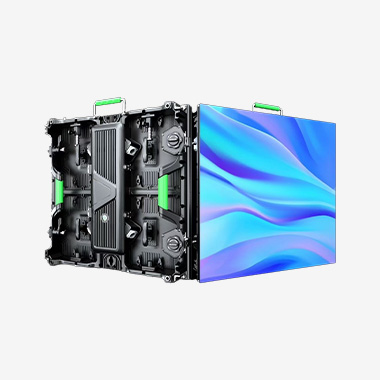
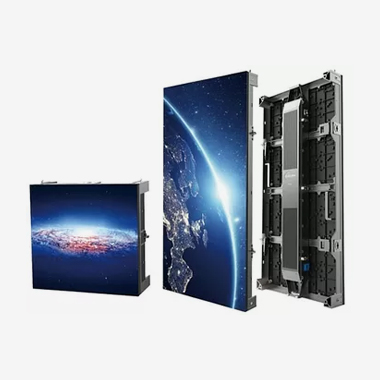
At the core of their design, full color LED signages consist of several key components: LED modules (arrays of RGB LEDs), a control system (to process and transmit content), a power supply unit (for stable energy distribution), and a protective enclosure (to shield internal parts from environmental factors like dust, moisture, and extreme temperatures). They are categorized by pixel pitch—the distance between adjacent pixels—with smaller pitches (e.g., 1.2mm, 2.5mm) delivering higher resolution for close-viewing applications (such as indoor retail displays) and larger pitches (e.g., 10mm, 20mm) optimized for outdoor use (like billboards or stadium screens).
In recent years, the adoption of LED full color signage has surged across industries due to their superior performance metrics: high brightness (up to 5,000 nits or more for outdoor models, ensuring visibility in direct sunlight), wide viewing angles (often 160° or greater, allowing clear viewing from multiple positions), and long lifespan (typically 50,000–100,000 operating hours, reducing replacement costs). Additionally, their compatibility with digital content management systems (CMS) enables real-time updates, making them a versatile tool for advertising, information dissemination, and brand communication in both public and private spaces.
The design and construction of LED full color signage is a meticulous process that balances technical performance, durability, and application-specific needs. It begins with pixel design, the foundation of image quality: each pixel is composed of three individual LEDs (red, green, blue) mounted on a circuit board, with the pixel pitch determined by the intended viewing distance—smaller pitches (e.g., 0.9mm) for indoor close-ups, larger pitches (e.g., 30mm) for outdoor long-range visibility.
Next, the module assembly phase involves grouping pixels into standardized modules (e.g., 32x32 pixels) that can be easily combined to form displays of varying sizes. These modules are equipped with driver ICs (integrated circuits) that regulate current flow to each LED, ensuring consistent brightness and color accuracy across the entire screen. The control system, a critical component, includes a receiver card (to decode incoming signals) and a sending card (to transmit content from a computer or CMS), supporting multiple input formats (HDMI, DVI, USB) for seamless content playback.
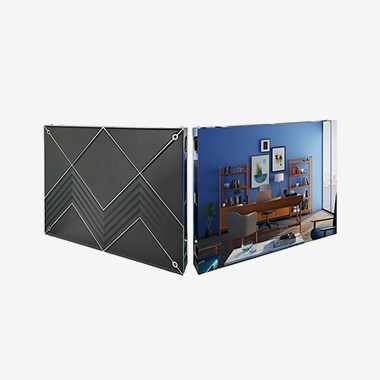
For structural durability, outdoor LED signs require robust enclosures made of aluminum or stainless steel, with IP65 or higher waterproof ratings to resist rain, dust, and corrosion. They also incorporate thermal management systems—such as heat sinks or fans—to prevent overheating, as LEDs are sensitive to high temperatures. Indoor signs, by contrast, use lighter enclosures with lower IP ratings (e.g., IP30) and focus on slim, sleek designs to blend with interior spaces. The final step involves rigorous testing, including brightness calibration, color uniformity checks, and stress tests (for outdoor models) to ensure the signage meets performance standards before installation.
LED full color signage operates on the principles of additive color mixing and digital signal processing, converting electrical signals into vivid visual content through a series of coordinated steps. At the most basic level, each pixel in the display contains three LEDs—red (R), green (G), and blue (B)—the primary colors of light. When these LEDs emit light at varying intensities, their colors combine to produce a wide spectrum of hues: for example, equal intensity from R, G, and B creates white light, while combining R and G produces yellow, and G and B creates cyan.
The process begins with content input: a computer, media player, or CMS sends digital content (images, videos, text) to the signage’s control system. The sending card in the control system processes this content, breaking it down into pixel-level data that specifies the required brightness for each R, G, and B LED in every pixel. This data is then transmitted to the receiver card, which distributes the signals to the driver ICs on each LED module.
The driver ICs act as "switches," regulating the electrical current supplied to each LED based on the incoming data. By adjusting the current, the ICs control the LED’s brightness—measured in milliamps (mA)—with higher current resulting in brighter light. To achieve smooth color transitions and avoid flicker, most modern LED signs use PWM (Pulse Width Modulation) technology, which rapidly turns LEDs on and off at frequencies imperceptible to the human eye. The duration of each "on" pulse (pulse width) determines the perceived brightness: a longer pulse creates a brighter LED, while a shorter pulse creates a dimmer one.
Finally, the combined light from all RGB LEDs across the display forms the complete image or video, with the control system refreshing the content at high rates (typically 60Hz or higher) to ensure fluid motion and avoid ghosting. This entire process—from signal input to light emission—happens in milliseconds, enabling real-time content updates and dynamic visual experiences.
LED full color signage offers a range of advantages that have made it a preferred choice for digital display applications, but it also faces key challenges that users and manufacturers must address.
Advantages:
Superior Visual Performance: With additive color mixing, these signs produce vibrant, true-to-life colors and high contrast ratios (often 10,000:1 or higher), ensuring content stands out even in bright environments. High brightness (up to 8,000 nits for outdoor models) and wide viewing angles (160°–178°) make them visible from diverse positions, a critical feature for public spaces like malls or stadiums.
Energy Efficiency and Long Lifespan: LEDs consume significantly less energy than traditional display technologies (e.g., LCD, plasma), reducing operational costs. Their lifespan of 50,000–100,000 hours (equivalent to 5–10 years of continuous use) minimizes replacement frequency and maintenance efforts.
Flexibility and Scalability: LED modules can be combined to create displays of any size or shape—from small indoor posters to large outdoor billboards or curved screens—adapting to unique spaces. Real-time content updates via CMS allow for dynamic messaging, ideal for advertising or emergency alerts.
Challenges:
High Initial Cost: The upfront cost of LED full color signage is higher than traditional signs, primarily due to the expense of high-quality LEDs, control systems, and installation. This can be a barrier for small businesses or budget-constrained projects.
Maintenance Complexity: While lifespan is long, repairs (e.g., replacing faulty LEDs or driver ICs) require technical expertise, and replacement parts can be costly. Outdoor signs also need regular cleaning and inspection to maintain performance in harsh weather.
Color Uniformity Issues: Over time, LEDs may degrade at different rates, leading to color inconsistencies across the display. Calibration is required periodically to maintain uniformity, adding to maintenance efforts.
Environmental Sensitivity: Extreme temperatures, humidity, or direct sunlight can affect LED performance. Outdoor signs need advanced thermal management and waterproofing, increasing design complexity and cost.
LED full color signage has found widespread applications across industries, thanks to its versatility, visual appeal, and dynamic content capabilities.
Key Applications:
Advertising and Marketing: In retail stores, shopping malls, and urban billboards, these signs display high-impact ads, product promotions, and brand messages. Their ability to show videos and real-time updates makes them more engaging than static billboards, increasing customer attention and conversion rates.
Public Information and Transportation: Airports, train stations, and bus terminals use LED signage to display flight/train schedules, gate changes, and safety alerts. Outdoor signs along highways provide traffic updates or weather warnings, ensuring timely information dissemination.
Entertainment and Events: Stadiums, concert venues, and theaters use large LED screens to enhance the audience experience—showing close-ups of performances, scoreboards, or interactive content. Indoor venues like casinos or museums also use them for immersive exhibits.
Corporate and Commercial Spaces: Offices use LED signs for internal communications (e.g., meeting room schedules, company announcements), while hotels and restaurants display menus, event details, or welcome messages to guests.
Future Trends:
Higher Resolution and Miniaturization: Advances in LED technology will lead to even smaller pixel pitches (e.g., 0.5mm or less), enabling ultra-high-definition (UHD) displays for indoor applications like retail counters or home theaters. Miniaturized LEDs (micro-LEDs) will also reduce the size and weight of signs, expanding their use in compact spaces.
Smart Integration: LED signage will increasingly connect to IoT (Internet of Things) devices, allowing for data-driven content. For example, signs in retail stores could use customer traffic data to display personalized ads, or outdoor signs could adjust brightness based on real-time sunlight levels.
Eco-Friendly Innovations: Manufacturers will focus on developing more energy-efficient LEDs and recyclable materials for enclosures, reducing the environmental impact. Solar-powered LED signs will also become more common for outdoor applications, lowering reliance on grid electricity.
Interactive and Immersive Experiences: Touchscreen capabilities and gesture recognition will be integrated into LED signs, enabling interactive content—such as wayfinding tools in malls or interactive ads that respond to user movements. Curved and transparent LED displays will also gain popularity, creating immersive environments in museums, airports, and retail spaces.
Cost Reduction: As production scales and technology matures, the upfront cost of LED full color signage will decrease, making it more accessible to small businesses and emerging markets.
Conclusion
LED full color signage has revolutionized the digital display industry, emerging as a powerful tool for communication, advertising, and entertainment across diverse sectors. Its ability to deliver vibrant, high-resolution content with real-time updates, combined with energy efficiency and long lifespan, has made it a superior alternative to traditional display technologies like LCD or static billboards. From bustling urban billboards to intimate retail spaces, these signs have proven their versatility, adapting to varying sizes, environments, and user needs.
Throughout this series, we have explored the core aspects of LED full color signage: its definition and key components in the overview; the meticulous design and construction processes that ensure durability and performance; the scientific working principles of additive color mixing and digital signal processing; the balance of advantages (superior visuals, scalability) and challenges (high initial cost, maintenance complexity); and the wide-ranging applications and innovative future trends shaping its evolution.
As technology advances, LED full color signage is poised to become even more integral to daily life. With trends like higher resolution micro-LEDs, IoT integration, and interactive experiences, these signs will not only enhance visual communication but also create more immersive, data-driven environments. While challenges such as cost and maintenance remain, ongoing innovations are likely to address these barriers, making LED full color signage accessible to an even broader range of users.
In summary, LED full color signage represents a dynamic and forward-thinking solution for modern communication needs. Its combination of technical excellence, versatility, and future potential ensures that it will continue to drive innovation in the display industry for years to come.


Copyright © 2026 Shenzhen Cogo Technology Co.,Ltd.
All Rights Reserved

 Previous article