




 Chat Now
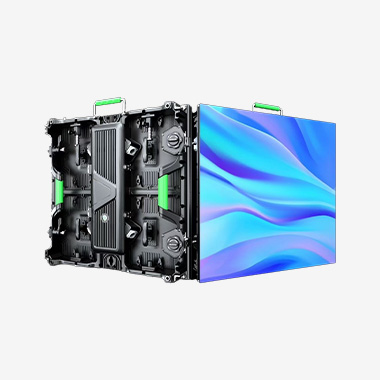
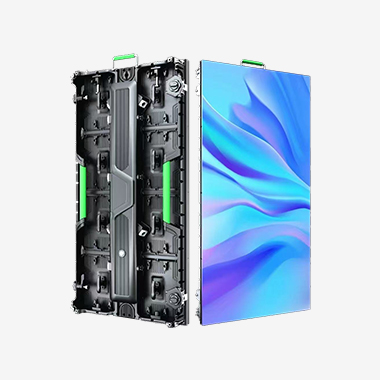
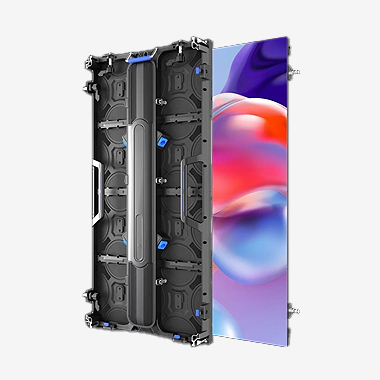
A high brightness fixed installation LED display screen is a specialized digital display system engineered for long-term, permanent placement in indoor or outdoor environments, delivering exceptional light output (typically 3,000–15,000 nits) to ensure clear visibility even in intense ambient light. Unlike temporary LED setups (e.g., event walls) or standard fixed displays (maxing out at 2,000 nits), this technology prioritizes durability, consistent performance, and high brightness—making it ideal for spaces like airport terminals, stadium scoreboards, shopping mall atriums, and building facades where visibility and longevity are critical.
At its core, the system consists of modular LED panels (permanently mounted to walls, ceilings, or custom structures), a robust control infrastructure, and a thermal management system—all optimized for 24/7 operation over 5–10 years. Key specifications are tailored to fixed use cases: pixel pitches range from 0.9mm (close-range indoor spaces like control rooms) to 20mm+ (outdoor billboards); color gamuts cover 90%+ of DCI-P3 for accurate brand representation; and refresh rates of 120Hz+ ensure smooth video playback for both in-person viewers and camera capture (e.g., live broadcasts).
Demand for this technology has grown rapidly with the expansion of digital infrastructure in public and commercial spaces. For example, a major airport might install a 15x5m high brightness fixed screen in its terminal lobby to display flight updates and ads—operating reliably in sunlit areas without washout. A sports stadium could use a 30x10m outdoor screen as a jumbotron, delivering 10,000 nits to ensure fans in upper tiers see replays clearly, even in direct sunlight. According to industry data, the global fixed LED display market is projected to grow at a CAGR of 12–15% through 2030, with high brightness models accounting for 60% of installations due to their versatility in bright environments.
What sets this system apart is its balance of performance and permanence. Unlike temporary displays, it requires minimal ongoing maintenance (quarterly cleaning, annual component checks) and integrates seamlessly with building infrastructure (e.g., wired power, network connections). Its high brightness ensures content remains impactful in all lighting conditions, while its fixed design eliminates the logistical costs of repeated setup/teardown. As organizations invest in long-term digital solutions to enhance public spaces and customer experiences, the high brightness fixed installation LED display screen remains a cornerstone technology.
The design and construction of a high brightness fixed installation LED display screen prioritize two core goals: long-term durability for permanent placement and optimized high-brightness performance. Every component—from LED panels to structural frameworks—is engineered to withstand constant use, environmental stressors, and ensure consistent light output over years of operation.
Component Design: Durability and Brightness Optimization
LED panels are the foundation, designed for both high brightness and longevity. Indoor panels use high-lumen RGB LED chips (120–180 lumens per watt) with a conformal coating to resist dust and humidity, critical for 24/7 indoor use. Outdoor panels feature weatherproof enclosures (IP65/IP68 ratings) made of corrosion-resistant aluminum alloy, with anti-glare tempered glass front covers to minimize sunlight reflection. Both indoor and outdoor panels integrate metal-core printed circuit boards (MCPCBs) for efficient heat dissipation—essential for high-brightness operation, as excess heat degrades LED performance over time.
The control system is built for reliability and remote management. It includes a dedicated on-site media server (housed in a weatherproof, temperature-controlled enclosure for outdoor setups) that connects to the panels via fiber optic or Cat8 Ethernet cables—ensuring low-latency data transmission for high-refresh-rate content. The server runs enterprise-grade software that supports scheduled content updates, real-time monitoring (e.g., panel temperature, brightness levels), and remote troubleshooting—reducing the need for on-site technical visits.
Structural Framework: Permanent Stability
The structural framework is engineered for permanent installation, tailored to the venue’s architecture. Indoor setups (e.g., mall atriums) use heavy-duty aluminum rails mounted to wall studs or ceiling joists with industrial-grade anchors, capable of supporting 10–20kg per square meter. Outdoor frameworks (e.g., building facades) use stainless steel trussing or concrete supports, designed to withstand wind loads up to 150km/h and snow loads of 50kg/m². The framework includes integrated cable management channels to hide power and data cables, ensuring a clean, professional appearance and protecting wiring from environmental damage.
Installation and Calibration: Precision for Long-Term Performance
Installation begins with a detailed site survey to assess structural integrity, power capacity, and ambient light levels. Technicians use laser alignment tools to ensure panels are perfectly flat (variations <1mm) to avoid visual distortion. Panels are mounted using locking mechanisms that secure them permanently while allowing individual panel replacement if needed.
Calibration focuses on brightness uniformity and color accuracy. Specialized cameras capture light output from each panel, and the control system adjusts RGB levels to ensure consistent brightness across the entire display—critical for high-brightness setups where uneven light is noticeable. For outdoor screens, brightness is calibrated to peak sunlight conditions (10,000+ lux) to maintain visibility, with automated dimming triggers for low-light hours. Finally, the system undergoes a 72-hour stress test, running content at maximum brightness to verify stability before full deployment.
The working principle of a high brightness fixed installation LED display screen revolves around three interconnected mechanisms: high-brightness LED activation, adaptive light management, and reliable long-term content delivery—all optimized for permanent, 24/7 operation in bright environments.
Stage 1: High-Brightness LED Activation
At the core is the activation of high-lumen LED chips via Pulse-Width Modulation (PWM). The control server processes content (videos, data feeds) and splits it into pixel-level signals, sent to each panel’s receiving card. The receiving card converts these signals into PWM pulses—rapidly turning LEDs on/off at frequencies >1,000Hz. The “on” pulse duration determines brightness: longer pulses for higher intensity (critical for cutting through sunlight). For example, to achieve 10,000 nits, the PWM system maintains a 90% “on” pulse for RGB chips, combining their light output to create vibrant, high-visibility content.
Stage 2: Adaptive Light Management
To maintain optimal visibility in changing conditions, the system uses ambient light sensors mounted on the display. These sensors measure real-time light levels (lux) and send data to the server, which adjusts LED brightness dynamically. For instance, an outdoor screen might run at 12,000 nits during midday sun, dim to 5,000 nits at dusk, and drop to 2,000 nits at night—saving energy while preventing glare. Thermal sensors also monitor panel temperature; if levels exceed 60°C, the server reduces brightness slightly to cool the LEDs, preserving their lifespan.
Stage 3: Reliable Content Delivery
For permanent installations, uninterrupted content delivery is critical. The system uses redundant data paths: if one cable fails, a backup ensures no downtime. The server stores content locally and syncs with cloud platforms for updates, allowing scheduled changes (e.g., airport flight info updates every 5 minutes) without manual intervention. Remote monitoring software tracks performance metrics (e.g., dead pixels, power usage) and sends alerts for issues—enabling technicians to resolve problems before they affect display quality. This combination of high-brightness activation, adaptive management, and reliable delivery ensures consistent performance over the screen’s lifespan.
High brightness fixed installation LED display screens offer unique advantages for long-term use in bright environments, but they also face challenges tied to their permanent nature and high-performance design.
Key Advantages
1. Unmatched Visibility in Bright Conditions
Their primary advantage is exceptional visibility—3,000–15,000 nits of brightness ensures content remains clear in direct sunlight (outdoor) or bright indoor lighting (e.g., mall atriums). Unlike standard displays, which wash out in intense light, high brightness models maintain contrast and color accuracy. For example, an outdoor billboard using this screen remains visible to highway drivers in midday sun, while an airport terminal screen stays readable despite sunlight streaming through windows. Studies show high brightness displays capture 40% more viewer attention than standard models in bright environments.
2. Long-Term Durability and Low Maintenance
Designed for permanent use, these screens have a lifespan of 5–10 years (50,000–100,000 hours of operation) with minimal maintenance. Outdoor models feature IP65/IP68 weatherproofing and corrosion-resistant materials, while indoor versions resist dust and humidity. Maintenance typically involves quarterly cleaning and annual component checks—far less than temporary displays, which require frequent teardown and storage. This durability reduces long-term costs: a high brightness fixed screen costs 30–50% less to maintain over 5 years than a comparable temporary setup.
3. Versatile Content Support and Remote Management
They support diverse content formats—4K videos, real-time data feeds, interactive elements—with refresh rates of 120Hz+ for smooth playback. The control system enables remote content updates and monitoring, so users can schedule ads, adjust brightness, or troubleshoot issues from a central dashboard. For example, a retail chain can update promotions on all its mall screens simultaneously, or a stadium can adjust jumbotron content during a game without on-site staff. This versatility makes the screen suitable for multiple use cases within the same space (e.g., a museum screen displaying exhibits by day and event ads by night).
4. Cost-Effectiveness Over Time
While upfront costs are higher than standard displays, the long lifespan and low maintenance make them cost-effective over time. A medium-sized outdoor high brightness screen (
50,000–100,000) avoids recurring costs of temporary displays (e.g., rental fees, transport, setup labor), recouping investment within 2–3 years. Energy-efficient LED chips (120–180 lumens per watt) also reduce electricity costs compared to older high-brightness technologies like projectors.
Key Challenges
1. High Initial Cost and Installation Complexity
Upfront costs are a major barrier: a 10x5m outdoor screen can cost
60,000–120,000, including panels, framework, and installation. Installation requires specialized labor (structural engineers, LED technicians) and may involve building modifications (e.g., reinforcing walls for indoor setups), adding
10,000–20,000 to the project. For small organizations or tight budgets, this makes adoption difficult.
2. Thermal Management Challenges
High brightness operation generates significant heat, requiring advanced cooling systems. Outdoor screens may need water-cooled loops or high-capacity fans, which add to initial costs and require maintenance (e.g., fan cleaning, coolant checks). In hot climates, inadequate cooling can reduce LED lifespan or cause temporary brightness loss, disrupting content delivery.
3. Inflexibility of Fixed Installation
Once installed, the screen’s size and location are difficult to change. If a venue undergoes renovation or needs to repurpose the space, removing or modifying the screen is costly and time-consuming. For example, replacing a 10x5m indoor screen to fit a new wall layout could cost
20,000–30,000, including demolition and reinstallation. This inflexibility makes the screen a long-term commitment, unsuitable for spaces with changing needs.
4. Light Pollution and Regulatory Restrictions
Outdoor high brightness screens may contribute to light pollution, leading to regulatory restrictions. Many cities limit outdoor display brightness after dark (e.g., 2,000 nits max) or ban screens in residential areas. Compliance requires adding dimming sensors or adjusting content schedules, which can reduce the screen’s effectiveness for nighttime advertising. Navigating permits and regulations also adds time and cost to installation.
High brightness fixed installation LED display screens are deployed across diverse sectors, leveraging their visibility and durability for long-term use. Future trends will expand their capabilities, making them more efficient, interactive, and integrated with smart systems.
Key Current Applications
1. Transportation Hubs (Airports, Train Stations)
Airports and train stations use these screens to display real-time travel info (flight/train times, gate changes) and ads in bright, high-traffic areas. For example, Singapore Changi Airport has 10x3m high brightness screens in terminal lobbies, delivering 5,000 nits to remain visible despite sunlight. Train stations use smaller screens (4x2m) on platforms to show schedules and safety alerts, ensuring commuters can read info quickly. The screens’ 24/7 reliability is critical for transportation hubs, which operate around the clock.
2. Sports Stadiums and Arenas
Stadiums use large outdoor high brightness screens (20x10m+) as jumbotrons and perimeter displays. The 10,000–15,000 nits brightness ensures fans in upper tiers see replays, stats, and ads clearly, even in sunlight. Indoor arenas use 3,000–5,000 nit screens for scoreboards and sponsor content. For example, the Los Angeles Rams’ SoFi Stadium has a 70,000-square-foot high brightness screen wrapping around the field, delivering immersive visuals for fans and broadcasters.
3. Retail and Commercial Spaces
Shopping malls and department stores install these screens in atriums and storefronts to display promotions and brand content. A mall might use a 15x5m screen to showcase seasonal sales, while a luxury store could use a 4x3m screen with 0.9mm pixel pitch to display high-detail product videos. The screens’ ability to run dynamic content attracts foot traffic, with studies showing retail screens increase store entries by 25–30%.
4. Public Spaces and Smart Cities
Cities use high brightness fixed screens in plazas and government buildings to display public service announcements, weather alerts, and cultural content. For example, a city square might have a 12x6m screen showing live concerts or emergency notices, with brightness adjusting to day/night conditions. These screens integrate with smart city systems, becoming central hubs for community communication.
Future Trends
1. Micro-LED Technology
Micro-LEDs (tiny, self-illuminating chips) will replace traditional LEDs, offering 20,000+ nits brightness with 30–50% lower power consumption. They generate less heat, eliminating the need for complex cooling systems. Micro-LED screens will also be thinner and lighter, reducing installation costs and expanding use cases (e.g., curved building facades).
2. AI-Driven Optimization
AI will automate brightness adjustment, content personalization, and predictive maintenance. AI algorithms will analyze audience demographics and ambient light to tailor content (e.g., showing family ads in malls on weekends) and adjust brightness in real time. Predictive maintenance will identify potential issues (e.g., failing LEDs) before they cause downtime, reducing repair costs.
3. Integration with Immersive Technologies
Screens will integrate with AR/VR for interactive experiences. For example, a retail screen might let customers scan a QR code to “try on” products via AR, while a stadium screen could sync with VR headsets for immersive viewing. This blurs physical and digital experiences, enhancing engagement.
4. Sustainability Focus
Manufacturers will use recycled materials and energy-efficient components. Screens may integrate solar panels to power low-brightness content, reducing grid reliance. Software will include “eco-modes” that dim screens during low-traffic hours, cutting energy use by 40–50%. These features align with global sustainability goals, making the screens more appealing to eco-conscious organizations.
Conclusion
The high brightness fixed installation LED display screen has established itself as a vital technology for long-term digital communication in bright, high-traffic environments. Its ability to deliver consistent, high-visibility content over 5–10 years addresses critical needs across transportation, sports, retail, and public sectors, where durability and performance are non-negotiable.
From its core strengths—unmatched visibility, low maintenance, versatile content support, and long-term cost-effectiveness—the screen has become a cornerstone of modern digital infrastructure. Whether guiding travelers in airports, engaging fans in stadiums, or driving sales in retail spaces, it bridges the gap between digital content and real-world visibility challenges.
While challenges like high upfront costs, thermal management, and inflexibility persist, future trends like micro-LEDs, AI optimization, and sustainability features are mitigating these barriers. These innovations will make the screen more efficient, interactive, and accessible, expanding its role in smart cities and immersive experiences.
Looking ahead, as organizations invest in permanent digital solutions to enhance customer and community experiences, the high brightness fixed installation LED display screen will remain a strategic choice. Its ability to adapt to emerging technologies and align with sustainability goals ensures it will continue to shape how we engage with digital content in public and commercial spaces for decades to come. In essence, it is more than a display—it is a long-term investment in reliable, impactful communication.


Copyright © 2026 Shenzhen Cogo Technology Co.,Ltd.
All Rights Reserved

 Previous article