




 Chat Now
In the highly competitive realm of outdoor advertising, high brightness advertising LED display panels have emerged as a game - changing solution, enabling brands to capture attention effectively even in the most challenging lighting conditions. With the continuous expansion of urban areas and the increasing saturation of the advertising market, the need for display panels that can stand out amidst bright sunlight, bustling city lights, and other ambient light sources has become paramount. High brightness LED display panels, with their ability to deliver vivid and eye - catching visuals, have become an essential tool for advertisers looking to make a strong impact on their target audiences.
The defining characteristic of these panels is their exceptional brightness, typically measured in nits. While standard LED display panels may have a brightness level ranging from 1,000 to 3,000 nits, high brightness advertising LED display panels can achieve luminance levels of 5,000 nits or even higher. This extreme brightness ensures that the displayed content remains clearly visible and legible, whether it's a large - scale billboard along a busy highway, a digital signage in a sun - drenched shopping district, or an advertisement in a brightly lit transportation hub.
The growth of the high brightness advertising LED display panel market can be attributed to several factors. Technological advancements in LED manufacturing have made it possible to produce LEDs with higher luminous efficacy, allowing for increased brightness without a proportional increase in power consumption. Additionally, the shift towards digital advertising has accelerated the demand for more dynamic and impactful display solutions. High brightness LED panels offer advertisers the flexibility to display high - resolution images, videos, and interactive content, which can be updated in real - time to target specific audiences and promote time - sensitive offers.
Another significant factor driving the adoption of these panels is the increasing emphasis on brand visibility and recall. In a crowded advertising landscape, where consumers are constantly bombarded with visual stimuli, high brightness LED displays provide a competitive edge by ensuring that brand messages are seen and remembered. The ability to display vibrant colors and sharp images at high brightness levels helps brands create a strong visual identity and make a lasting impression on potential customers.
High brightness advertising LED display panels come in various sizes and configurations to suit different advertising needs. Outdoor panels are designed with robust enclosures and weather - resistant features to withstand harsh environmental conditions, including rain, snow, dust, and extreme temperature fluctuations. Indoor high brightness panels, on the other hand, are optimized for environments with intense artificial lighting, such as large shopping malls, exhibition halls, and airports, where they need to compete with other bright displays and light sources.
The design and construction of high brightness advertising LED display panels are meticulous processes that combine advanced engineering, material science, and optical expertise to create a display system that can deliver outstanding performance in demanding advertising environments.
LED Module Design
The LED module is the foundation of a high brightness advertising LED display panel, and its design is crucial for achieving the desired brightness and visual quality. High - performance LEDs are the cornerstone of these modules. Specialized LEDs with high luminous flux and excellent color - rendering properties are selected. These LEDs are often manufactured using advanced semiconductor processes that optimize the light - emitting efficiency and ensure consistent performance across a wide range of operating conditions.
In recent years, the development of high - brightness mini - LED and micro - LED technologies has brought new possibilities to LED module design. Mini - LEDs, with their smaller size compared to traditional LEDs, can be packed more densely within the module, enabling higher pixel densities while maintaining high brightness levels. This is particularly beneficial for high - resolution advertising displays where both clarity and brightness are essential. Micro - LEDs, although still in the early stages of commercialization for large - scale applications, offer the potential for even greater brightness, higher contrast ratios, and lower power consumption. Their precise control over individual LED elements can lead to more vivid and detailed advertising visuals.
The layout of the LEDs within the module is carefully engineered to ensure uniform light distribution and color consistency. For full - color displays, red, green, and blue (RGB) LEDs are typically arranged in a specific pattern. The distance between the LEDs, known as the pixel pitch, is optimized based on the intended viewing distance and the size of the display. In high brightness panels, the pixel pitch may be slightly larger compared to indoor - focused, high - resolution panels to accommodate the need for higher brightness output without sacrificing overall visual impact from a distance. Heat dissipation is also a critical consideration in LED module design. Advanced heat - sink materials and designs, such as copper - based heat sinks or liquid - cooling systems, are integrated to efficiently dissipate the heat generated by the high - power LEDs, preventing overheating and ensuring their long - term reliability.
Panel Structure and Frame
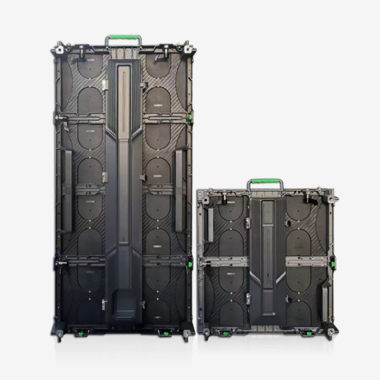
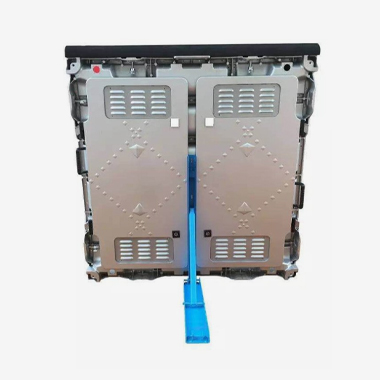
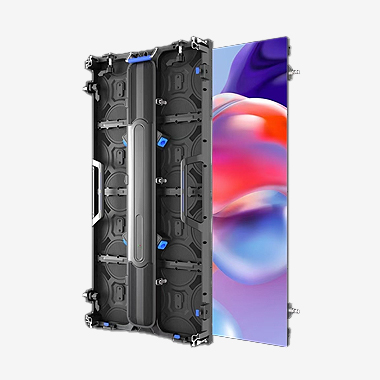
The panel structure of high brightness advertising LED display panels is designed to be both sturdy and weather - resistant. For outdoor applications, a heavy - duty metal frame, usually made of aluminum or steel, serves as the structural backbone. Aluminum is a popular choice due to its high strength - to - weight ratio, corrosion resistance, and ease of fabrication. The frame is engineered to withstand strong winds, heavy rain, and other environmental stresses, ensuring the stability of the panel even in extreme weather conditions. Reinforced corners and brackets are often used to enhance the structural integrity and provide secure mounting points for the panel.
The front of the panel is protected by a high - quality, optically clear cover. This cover is typically made of materials such as tempered glass or polycarbonate, which offer excellent light transmission while providing protection against scratches, impacts, and UV radiation. Anti - glare coatings are often applied to the cover to reduce reflections and improve the visibility of the display content, especially in bright sunlight. For indoor high brightness panels, while the weather - resistance requirements are less stringent, the frame design still focuses on durability and ease of installation. Slim - profile frames are commonly used to minimize the visual bulk of the panel and blend it seamlessly with the indoor environment.
Electrical and Control Systems
The electrical system of high brightness advertising LED display panels is designed to provide a stable and efficient power supply to the high - power LEDs. High - capacity power supplies are required to deliver the necessary electrical energy to drive the large number of LEDs in the panel. These power supplies are equipped with advanced power - management features, such as voltage regulation and current limiting, to ensure the safe and reliable operation of the LEDs. Built - in protection mechanisms against overvoltage, overcurrent, and short - circuits are also essential to safeguard the panel and connected equipment from electrical failures.
The control system is the brain of the LED display panel, responsible for managing the display content and ensuring its smooth operation. Control cards receive digital image and video data from external sources, such as media servers, computers, or content - management systems. These control cards convert the data into electrical signals that control the brightness, color, and timing of each LED in the panel. Advanced control systems support features such as real - time content updating, multi - source input switching, and synchronization with other display panels or external devices. They also enable remote monitoring and control of the panel, allowing advertisers to manage and update their advertising campaigns from a centralized location, enhancing operational efficiency.
Optical Enhancement Design
To maximize the brightness and visibility of the display, high brightness advertising LED display panels incorporate various optical enhancement techniques. Lens arrays are often used to focus and direct the light emitted by the LEDs, increasing the forward - facing brightness and reducing light loss in other directions. These lenses can be designed with different angles of divergence to achieve the desired light - distribution pattern, ensuring that the display content is clearly visible from a wide range of viewing angles. Reflective materials are also used within the panel structure to redirect stray light back towards the viewing area, further enhancing the overall brightness.
In addition, optical calibration is a crucial step in the manufacturing process. Each panel undergoes a meticulous calibration process to ensure uniform brightness and color across the entire display surface. This involves adjusting the drive currents of individual LEDs, fine - tuning the color - mixing ratios, and compensating for any variations in the LED performance. Advanced calibration algorithms and equipment are used to achieve precise and consistent results, ensuring that the high brightness panel delivers a high - quality visual experience for the audience.
The working principles of high brightness advertising LED display panels are based on the fundamental properties of LEDs and digital signal processing, enabling the creation of bright, vivid, and dynamic advertising content.
LED Emission
At the core of the high brightness advertising LED display panel is the light - emitting diode (LED), a semiconductor device that emits light when an electric current passes through it. When a voltage is applied across the LED, electrons from the n - type semiconductor material combine with holes in the p - type semiconductor material. This recombination process releases energy in the form of photons, resulting in the emission of light. The color of the light emitted by the LED depends on the energy bandgap of the semiconductor material. For full - color displays, red, green, and blue LEDs are used as the primary colors, which can be combined in different intensities to produce a wide spectrum of colors through additive color mixing.
In high brightness panels, the LEDs are specifically engineered to emit a greater amount of light per unit area. This is achieved through improvements in semiconductor materials, chip design, and packaging. Higher - power LEDs with larger active areas and more efficient light - extraction mechanisms are used to increase the luminous output. The drive currents supplied to these LEDs are also carefully controlled to operate them at optimal brightness levels while maintaining their long - term reliability. By precisely adjusting the current flowing through each of the red, green, and blue LEDs in a pixel, the display can produce a vast array of colors and accurately reproduce the advertising content with high brightness and vividness.
Digital Signal Processing
The display panel receives digital image and video data from various sources, such as a computer running advertising - creation software, a media server storing pre - recorded advertisements, or a live - streaming device. This data is typically in a digital format, such as a video file in a standard format like MP4 or a digital image file in formats like JPEG or PNG.
The control system of the display panel first decodes the incoming digital data. This involves extracting the relevant information, such as the pixel color values, frame - rate, and synchronization signals, from the data stream. The control cards then convert this decoded data into a series of electrical signals that can be understood by the LED drivers in the individual modules. These electrical signals are transmitted to the LED modules at a very high frequency, usually several hundred times per second. The signals control the precise timing of when each LED should turn on, off, and at what intensity, effectively creating the illusion of continuous images and videos on the display panel.
To ensure smooth playback of video content and accurate display of static images, the display panel's control system also handles frame synchronization. It matches the frame rate of the incoming video data with the refresh rate of the display panel. A mismatch between these rates can result in visual artifacts, such as stuttering, tearing, or dropped frames, which can degrade the quality of the advertisement and reduce its effectiveness. Advanced control systems use sophisticated algorithms to adjust the display parameters in real - time, ensuring seamless and high - quality playback of the advertising content.
Pulse - Width Modulation (PWM)
Pulse - width modulation (PWM) is a key technique used in high brightness advertising LED display panels to achieve precise brightness control. PWM works by rapidly turning the LEDs on and off at a high frequency. The duty cycle of the PWM signal, which is the proportion of time the LED is on within a given period, determines the average brightness of the LED.
For example, if the PWM signal has a duty cycle of 80%, the LED is on for 80% of the time and off for 20% of the time, resulting in an average brightness that is 80% of its maximum. By precisely adjusting the duty cycle for each LED in the pixel, the display can achieve fine - grained control over the brightness and color. This is particularly important in high brightness panels, as it allows for smooth transitions between different brightness levels and accurate color reproduction, even when displaying complex and detailed advertising content. PWM also helps to reduce power consumption by operating the LEDs at the minimum necessary brightness levels to achieve the desired visual effect, contributing to the energy - efficiency of the display panel.
Refresh Rate
The refresh rate of a high brightness advertising LED display panel refers to the number of times the image on the screen is updated per second. A high refresh rate is essential for displaying smooth and flicker - free motion, especially when showing video advertisements with fast - moving objects or dynamic scenes. In modern high brightness panels, refresh rates of 60 Hz or higher are common, with some high - end panels offering refresh rates of 120 Hz or even 240 Hz.
A higher refresh rate ensures that the advertising content appears fluid and engaging, reducing the likelihood of visual fatigue for viewers. It also helps to accurately represent fast - paced action, such as in sports - related advertisements or car commercials, where smooth motion is crucial for creating an impactful visual experience. The refresh rate needs to be carefully matched with the frame rate of the incoming video data to avoid any visual artifacts. If the refresh rate is lower than the frame rate of the video, it can result in dropped frames or stuttering, which can detract from the effectiveness of the advertisement.
Challenges
Environmental and Regulatory Considerations
High brightness advertising LED display panels, especially those used outdoors, are subject to a variety of environmental and regulatory constraints. From an environmental perspective, the intense brightness of these panels can contribute to light pollution. Excessive illumination can disrupt natural ecosystems, interfere with astronomical observations, and cause discomfort to nearby residents. As a result, many municipalities and regions have started implementing strict regulations regarding the brightness levels, installation angles, and operating hours of outdoor LED displays.
For instance, some cities limit the maximum brightness of outdoor advertising panels to specific values, ensuring that they do not exceed what is considered acceptable for the surrounding area. There are also regulations regarding the direction of light emission, with requirements that the light be focused towards the intended viewing area and minimized in directions that could cause glare or light spillage onto residential areas or roads. In addition, certain locations, such as areas near airports or astronomical observatories, have even more stringent restrictions to avoid interference with critical activities.
Regulatory compliance also extends to electrical safety and energy - efficiency standards. High brightness LED display panels must meet specific electrical safety codes to prevent risks such as electrical shocks or fires. Moreover, as the world moves towards more sustainable practices, there is a growing emphasis on energy - efficiency regulations. Governments may require manufacturers and advertisers to ensure that their display panels meet certain energy - consumption benchmarks or use energy - saving technologies. Non - compliance with these environmental and regulatory requirements can lead to significant fines, the need to modify existing installations, or even the forced shutdown of the display panels.
Applications and Future Trends
Applications
Highway and Roadside Advertising
One of the most prominent applications of high brightness advertising LED display panels is in highway and roadside advertising. Along major highways, large - scale billboards equipped with these panels capture the attention of drivers and passengers. The high brightness ensures that the advertisements are clearly visible even at high speeds and in direct sunlight. Advertisers can display a variety of content, from eye - catching product promotions to brand - building campaigns. For example, automotive brands often use these displays to showcase new vehicle models, highlighting features with high - resolution images and dynamic videos. The ability to update the content in real - time also allows for targeted advertising based on traffic patterns, local events, or time of day. For instance, during holiday seasons, roadside LED displays can be used to promote travel destinations, retail sales, or festive - themed products.
Urban Digital Signage
In urban areas, high brightness LED display panels are extensively used for digital signage. These panels are installed on building facades, in shopping districts, and at transportation hubs. In busy city centers, they compete with a multitude of other light sources, making high brightness a necessity. Retailers use them to display store promotions, new arrivals, and brand messages, attracting passersby into their stores. Restaurants can showcase their menus, special offers, and food images in high - definition, enticing customers to dine. Public transportation hubs, such as train stations and bus terminals, utilize these displays to provide real - time travel information, including schedules, delays, and route changes, while also serving as advertising platforms during idle times. The vibrant and dynamic nature of high brightness LED signage enhances the urban landscape, creating a more engaging and interactive environment for city dwellers and visitors alike.
Sports Venues and Stadiums
Sports venues and stadiums have embraced high brightness advertising LED display panels to enhance the fan experience and generate additional revenue through advertising. Large - format video walls made up of these panels are installed around the stadium, displaying live game action, replays, player statistics, and advertisements. The high brightness ensures that the content is visible even in daylight - filled stadiums or under bright stadium lights. During breaks in the game, advertisers can showcase their products and services to a captive audience. For major sporting events, such as the Olympics or the Super Bowl, high brightness LED displays play a crucial role in creating a visually immersive atmosphere, with dynamic graphics, sponsor logos, and interactive fan engagement features. Additionally, these panels can be used to display real - time social media feeds, allowing fans to see their posts and messages on the big screen, further enhancing the event experience.
Airports and Transit Hubs
Airports and other transit hubs are prime locations for high brightness advertising LED display panels. Travelers often have significant wait times, making them an ideal audience for advertisements. In airports, large - scale displays are installed in terminals, baggage claim areas, and departure lounges. The high brightness of these panels ensures that the advertisements are visible in the well - lit airport environment, even from a distance. Airlines can use the displays to promote their services, flight deals, and loyalty programs. Retailers and duty - free shops in the airport can showcase their products, enticing travelers to make purchases. Similarly, in train stations and bus terminals, high brightness LED signage is used to display travel information, local attractions, and advertising content, providing valuable information and entertainment to commuters and travelers.
Concert Venues and Entertainment Centers
Concert venues and entertainment centers rely on high brightness advertising LED display panels to create an immersive and engaging atmosphere. These panels are used as stage backdrops, displaying music videos, artist images, and dynamic visual effects that synchronize with the performance. The high brightness ensures that the visuals are vivid and impactful, even in large - scale venues with bright stage lighting. Advertisers can also take advantage of the captive audience during concerts and shows to promote their products and services. For example, beverage companies may sponsor concerts and display their advertisements on the LED panels during breaks or between sets. In addition, entertainment centers, such as amusement parks and casinos, use high brightness LED displays for wayfinding, advertising attractions, and showcasing special events, enhancing the overall guest experience.
Future Trends
Higher Resolution and Micro - LED Dominance
The future of high brightness advertising LED display panels will witness a significant push towards higher resolutions. As technology continues to advance, 8K and even higher resolutions will become more common. Micro - LED technology, which has the potential to revolutionize the display industry, is expected to play a dominant role. Micro - LEDs offer unparalleled precision in light emission, enabling extremely high pixel densities. This will allow for advertisements with incredibly detailed visuals, where even the smallest text or intricate graphics are crystal - clear, regardless of the viewing distance. In high brightness applications, micro - LEDs will be able to maintain their exceptional brightness levels while delivering stunning image quality. For example, large - scale outdoor billboards will be able to display high - resolution images and videos with lifelike colors and sharp details, making the advertisements more immersive and engaging. The adoption of micro - LED technology will also lead to thinner, lighter, and more energy - efficient display panels, further enhancing their appeal for advertising applications.
Integration with Artificial Intelligence and Data Analytics
High brightness advertising LED display panels will increasingly integrate with artificial intelligence (AI) and data analytics. AI algorithms will be able to analyze real - time data, such as foot traffic patterns, audience demographics, and consumer behavior, to optimize the display content. For example, in a shopping mall, AI - powered systems can detect the number of people passing by, their age groups, and their shopping preferences, and then display relevant advertisements on the high brightness LED panels. Data analytics will also play a crucial role in measuring the effectiveness of advertising campaigns. Advertisers will be able to track metrics such as audience engagement, conversion rates, and brand recall, and use this data to refine their advertising strategies. The integration of AI and data analytics will make high brightness LED advertising more targeted, personalized, and effective, maximizing the return on investment for advertisers.
Enhanced Interactivity and Immersive Experiences
The trend towards more interactive and immersive advertising experiences will continue to grow in the context of high brightness LED display panels. Future panels will incorporate technologies such as touch - screen interfaces, augmented reality (AR), and virtual reality (VR). In outdoor advertising, AR - enabled high brightness LED displays could allow passersby to use their smartphones to interact with the advertisements. For example, a billboard for a new movie could offer an AR experience where users can scan the display and see movie characters come to life in their surroundings. In indoor settings, touch - screen LED panels could enable consumers to explore product details, view 3D models, or even make purchases directly from the display. VR - integrated LED displays could create immersive brand experiences, such as virtual store tours or product demonstrations, captivating the audience and leaving a lasting impression.
Sustainable and Energy - Efficient Innovations
With the increasing global focus on sustainability, high brightness advertising LED display panels will see significant advancements in energy - efficiency and eco - friendliness. Manufacturers will develop more efficient LED chips that consume less power while maintaining high brightness and color quality. Smart power - management systems will become more sophisticated, automatically adjusting the panel's brightness based on ambient light conditions, time of day, and audience presence. Additionally, the use of recyclable materials in the construction of LED panels will become the norm. From the LED modules to the frames and packaging, every component will be designed with recyclability in mind. Some companies may even explore circular economy models, where used panels are collected, refurbished, and reused, minimizing waste and reducing the environmental impact of advertising displays.
Flexible and Adaptive Display Forms
The future of high brightness advertising LED display panels will break free from traditional rectangular shapes. Flexible and stretchable LED displays will become more common, allowing for unique and eye - catching installations. These panels could be wrapped around curved surfaces, such as the exterior of buildings, creating seamless and dynamic advertising canvases. Adaptive displays, which can change their shape, size, or configuration, will also emerge. For example, a series of small LED panels could be programmed to form different patterns or shapes based on the advertising content, adding an element of surprise and novelty. This flexibility in design will enable advertisers to create more creative and memorable advertising displays that stand out in a crowded marketplace.
Conclusion
High brightness advertising LED display panels have revolutionized the advertising industry, offering unparalleled visibility, brand impact, flexibility, energy - efficiency, and long - term cost - effectiveness. Their wide range of applications across various sectors, from highway billboards to concert venues, has made them an essential tool for advertisers looking to capture the attention of their target audiences in challenging lighting environments.
However, the adoption of these panels is not without its challenges. The high initial cost, technical complexity, heat dissipation issues, content creation and management requirements, and environmental and regulatory considerations pose significant hurdles for both manufacturers and advertisers. Overcoming these challenges requires continuous innovation in technology, design, and operational processes.
Looking ahead, the future of high brightness advertising LED display panels is filled with exciting possibilities. The development of higher - resolution technologies, integration with AI and data analytics, enhanced interactivity, sustainable innovations, and flexible display forms will redefine the boundaries of advertising. These advancements will not only address the current challenges but also open up new opportunities for advertisers to create more engaging, targeted, and environmentally friendly advertising campaigns. As the advertising industry continues to evolve in the digital age, high brightness LED display panels will undoubtedly remain at the forefront, shaping the way brands communicate with consumers and transforming the visual landscape of our cities and public spaces.


Copyright © 2026 Shenzhen Cogo Technology Co.,Ltd.
All Rights Reserved

 Previous article