




 Chat Now
High brightness LED poster display walls are specialized compact digital signage solutions engineered to deliver exceptional visibility in bright environments—filling the gap between standard LED posters (2,000–4,000 nits) and large outdoor LED walls. Defined by brightness levels of 5,000–8,000 nits, they maintain clarity even in direct sunlight (e.g., unshaded retail windows, outdoor event booths) or high-intensity indoor lighting (e.g., mall atriums, airport terminals), while retaining the portability and space efficiency of traditional LED posters.
Typically ranging from 0.5m² to 5m² with pixel pitches of P1.8–P5 (enabling 1080p to 4K resolution), these displays target 1–5 meter viewing distances, making them ideal for businesses needing dynamic signage in glare-prone areas. Key traits include IP65 ingress protection (resisting dust and heavy rain), ultra-slim designs (4–10cm thick), and lightweight construction (3–6kg/m²)—ensuring they fit in small spaces while enduring outdoor elements.
Adoption is driven by retail, hospitality, and event industries: a coffee shop with a sun-facing window can now display menus clearly all day, while a trade show booth at an outdoor fair can attract visitors despite direct sunlight. Market data shows the high-brightness LED poster segment growing at 28% annually, outpacing standard LED posters, as businesses prioritize visibility in variable lighting. These displays are more than just “bright posters”—they’re reliable, versatile tools that ensure content stands out in even the harshest light conditions.
Design centers on three priorities: sustained high brightness, environmental resilience, and portability—critical for balancing intense light output with compact, usable form factors.
Core Design for Brightness:
LED Technology: High-luminance mini-SMD RGB LEDs (2.0–3.0mm die size) with 200–250 lm/W efficacy power the 5,000–8,000 nits output. These LEDs use enhanced semiconductor materials (e.g., gallium nitride) to boost light intensity without excessive heat. Some models integrate dual LED dies per pixel for extra brightness, ideal for 8,000 nits variants.
Optical Enhancements: Anti-reflective (AR) coated polycarbonate front panels (3–4mm thick) reduce glare by 40% vs. standard panels, while light diffusers ensure uniform brightness across the display—eliminating “hot spots” common in high-brightness setups.
Durability & Portability:
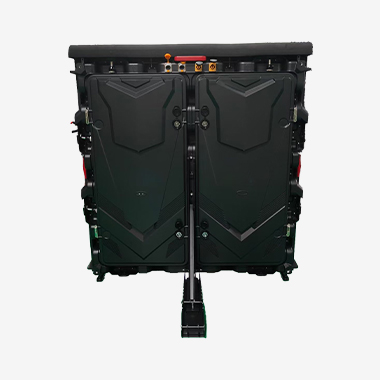
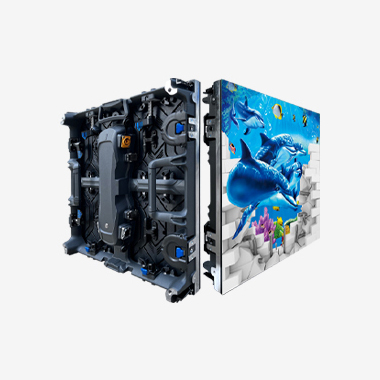
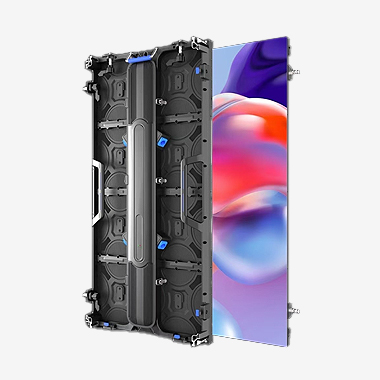
Enclosures: Reinforced aluminum alloy frames (4–10cm thick) provide structural support while housing heat management components. IP65 ratings are achieved via rubber gaskets, sealed ports, and drainage channels—protecting against rain, dust, and humidity (critical for outdoor use).
Structural Support: Integrated mounting brackets (for walls) or weighted foldable stands (for outdoor events) handle the slightly heavier build (3–6kg/m²) without damaging surfaces. Stands include wind-resistant bases for outdoor stability.
Heat Management:
Passive cooling (aluminum heat sinks with extended fins) is standard, but 7,000–8,000 nits models add low-noise axial fans (5–8W) that activate at 45°C—preventing thermal droop (which reduces brightness). Manufacturing includes 400-hour temperature cycle tests (-10°C to 60°C) and brightness uniformity checks (variation <3%) to ensure consistent performance.
Functionality revolves around four systems optimized for high brightness output, efficiency, and adaptability to bright environments:
1. LED Illumination: High-luminance mini-SMD LEDs generate light via electroluminescence—red (620–660nm), green (520–560nm), blue (440–480nm) dies emit intensified light thanks to enhanced semiconductor structures. Pulse-width modulation (PWM) at 1,000Hz+ adjusts current intensity to create 16.7 million colors, ensuring vibrant content (e.g., retail sales banners) remains vivid in sunlight. The 5,000–8,000 nits output is calibrated to overcome ambient light (up to 100,000 lux in direct sun), while AR coating ensures viewers 1–5 meters away see no glare.
2. Power Distribution: High-efficiency switch-mode power supplies (SMPS) with 90%+ efficiency and power factor correction (PFC ≥0.98) convert 100–240V AC to 5V DC. Thick copper wiring (20AWG) minimizes voltage drop (<1%) across the display, while overload protection prevents damage from power surges—critical for outdoor use where electrical stability varies. Power consumption (30–80W per square meter) is higher than standard posters but optimized via brightness adjustment.
3. Content Processing:
Control Module: A compact, high-performance mini-controller handles 1080p/4K content, scaling it to fit the poster’s resolution. It includes brightness calibration tools to fine-tune output based on location (e.g., 8,000 nits for outdoor fairs, 5,000 nits for sun-facing windows).
Software Integration: Cloud-based apps (e.g., Novastar EasyManager, Samsung MagicInfo) enable remote brightness scheduling (e.g., 8,000 nits 10 AM–4 PM, 5,000 nits otherwise) and content updates. Offline mode stores content locally to avoid downtime.
4. Environmental Adaptation:
Light sensors measure ambient light every 2 seconds, auto-adjusting brightness (5,000–8,000 nits) to save energy (30–40% reduction during cloudy weather). Temperature sensors trigger fans or brightness dips if internal heat exceeds 50°C, preserving LED lifespan. Humidity sensors activate a moisture barrier in outdoor models, preventing PCB corrosion.
Advantages:
Unmatched Visibility in Bright Environments: 5,000–8,000 nits brightness ensures content is readable in direct sunlight or high-intensity indoor lighting—solving the “washed-out” issue of standard LED posters. A retail store with a sun-facing window reports 25% higher customer engagement with high-brightness models, as passersby can clearly see promotions.
Versatile Indoor/Outdoor Use: IP65 ratings and weather-resistant designs let them transition from indoor lobbies to outdoor events (e.g., farmers’ markets, street fairs) without performance loss. This versatility eliminates the need for separate indoor/outdoor signage, saving businesses money.
Energy-Efficient Brightness: High-efficacy LEDs (200–250 lm/W) and auto-brightness adjustment keep power use manageable. A 1m² 6,000 nits poster uses ~50W/hour—only 20% more than a standard 4,000 nits model—avoiding excessive electricity costs.
Long-Term Cost Savings: While pricier upfront, they eliminate recurring costs of static posters (printing, replacement) and outperform standard LEDs in high-light areas. A restaurant using a high-brightness menu board saves ~$3,000 over 3 years vs. printing weekly paper menus.
Challenges:
Higher Upfront Cost: (1,200–)4,500 per unit (30–50% more than standard LED posters) due to high-luminance LEDs and cooling components— a barrier for small businesses, though financing options are expanding.
Increased Heat Generation: 7,000–8,000 nits models require fans, which add noise (30–40 dB) — potentially disruptive in quiet indoor spaces (e.g., libraries).
Weight & Size: Slightly heavier (3–6kg/m²) and thicker (4–10cm) than standard posters, making them less ideal for extremely small spaces (e.g., narrow retail windows).
Content Quality Demands: High brightness amplifies low-resolution content flaws (e.g., blurry images), requiring businesses to invest in high-quality graphics ((300–)800 per design).
Applications:
Retail Outdoor Windows: Sun-facing storefronts (e.g., fashion, electronics) use 5,000–6,000 nits posters to display sales (e.g., “Summer Sale—Up to 50% Off”) or new products. Clear visibility attracts passersby, driving foot traffic.
Outdoor Events & Fairs: Trade show booths, farmers’ markets, and street festivals use 6,000–8,000 nits models with foldable stands to showcase brand videos or event schedules. Wind-resistant designs and IP65 ratings handle outdoor conditions.
Transportation Hubs: Airport terminals, train stations, and bus stops use them for wayfinding or service updates—high brightness cuts through the glare of large windows, ensuring commuters can read information quickly.
Hospitality Outdoor Spaces: Hotels, cafes, and resorts use them for outdoor menus (e.g., poolside bars) or event announcements (e.g., “Live Music Tonight”). Guests can read content in sunlight without squinting, enhancing the experience.
Future Trends:
Micro-LED Integration: Micro-LEDs (0.1–0.5mm die size) will boost brightness to 10,000 nits while reducing power use by 30%—ideal for extreme light conditions (e.g., desert outdoor events).
AI-Driven Brightness Optimization: AI will analyze real-time ambient light, weather, and foot traffic to adjust brightness and content—e.g., increasing brightness during sunny weekends and dimming during cloudy weekdays to save energy.
Solar-Powered Models: Integrated thin-film solar panels (on frames or back panels) will power small outdoor posters (0.5–1m²), reducing grid reliance—perfect for off-grid events (e.g., remote festivals).
Touch-Interactive Outdoor Panels: Weather-resistant touch sensors will be added to outdoor models, letting event attendees interact (e.g., “tap to sign up for a workshop” or “swipe to view product details”)—bridging digital and physical engagement.
Conclusion
High brightness LED poster display walls have emerged as a critical solution for businesses needing visible, versatile signage in bright environments. By combining 5,000–8,000 nits brightness with compact, durable designs, they solve the core limitation of standard LED posters—ensuring content stands out in direct sunlight or high-intensity indoor lighting—while retaining portability and efficiency.
While higher upfront costs and heat generation pose challenges, these barriers are easing: micro-LED technology will reduce costs and power use, while AI optimization will enhance efficiency. As businesses increasingly operate in mixed indoor/outdoor spaces (e.g., open-air malls, outdoor pop-ups), high brightness models are no longer a luxury but a necessity for staying competitive.
Looking ahead, their integration with solar power and touch interactivity will expand their utility, making them even more valuable for events, retail, and transportation. For businesses prioritizing visibility, versatility, and long-term savings, high brightness LED poster display walls represent a future-proof investment—proving that compact signage can deliver powerful, sun-resistant performance.


Copyright © 2026 Shenzhen Cogo Technology Co.,Ltd.
All Rights Reserved

 Previous article