




 Chat Now
In the contemporary landscape of professional conferences, large LED wall display walls have emerged as a transformative and indispensable asset, revolutionizing the way information is presented, and enhancing the overall conference experience for both presenters and attendees. These imposing display walls, characterized by their expansive size and advanced LED technology, offer a dynamic and immersive platform that goes beyond the capabilities of traditional presentation tools.
At the heart of large LED wall display walls for conferences lies the integration of cutting - edge light - emitting diode (LED) technology. By combining red, green, and blue (RGB) LEDs, these walls can generate a vast spectrum of vivid colors, display high - resolution images with remarkable clarity, and play smooth, high - definition videos and animations. The large - scale nature of these displays ensures that content is visible to every attendee in the conference hall, regardless of their seating position, making them an ideal medium for delivering impactful presentations, sharing complex data visualizations, and facilitating interactive sessions.
The growing adoption of large LED wall display walls in conferences can be attributed to several key factors. Firstly, the increasing complexity and diversity of conference content demand more advanced and versatile presentation solutions. Conferences today cover a wide range of topics, from technical discussions and scientific research to business strategies and market analyses. Traditional projection screens and small - scale displays often struggle to convey detailed information clearly and engagingly. Large LED walls, on the other hand, can handle high - resolution graphics, intricate charts, and live video feeds with ease, enabling presenters to communicate their ideas more effectively.
Secondly, advancements in LED manufacturing and digital technology have made large LED wall display walls more accessible, reliable, and cost - effective. Over the years, continuous research and development efforts have led to improvements in LED efficiency, reducing power consumption while increasing brightness and lifespan. The development of user - friendly control systems and software has also simplified the process of content management, allowing conference organizers and presenters to update and customize the display content with relative ease, even without extensive technical knowledge.
Moreover, the immersive and interactive nature of large LED wall display walls aligns perfectly with the evolving expectations of conference attendees. In an era where audience engagement is highly valued, these display walls can create a more engaging and memorable conference experience. Features such as touch - screen interactivity, real - time data updates, and the ability to display multiple streams of content simultaneously enhance the interactivity and dynamism of the conference, making it more appealing to attendees.
The design and construction of large LED wall display walls for conferences are highly specialized processes that require a meticulous approach, taking into account the unique requirements of the conference environment, the intended audience size, and the nature of the content to be presented.
The initial design phase begins with a comprehensive assessment of the conference venue. Factors such as the size of the conference hall, ceiling height, seating arrangement, and the location of the stage or presentation area are carefully evaluated. The size of the LED wall is determined based on these factors to ensure optimal visibility for all attendees. In large conference halls, a wall that spans a significant portion of the stage backdrop is often preferred to create a visually dominant presence and ensure that the content is clearly visible from the furthest seats.
The shape of the LED wall can vary depending on the design concept and the layout of the venue. While rectangular and square shapes are the most common, some conferences may opt for custom - shaped walls, such as curved or angled designs, to add a unique visual element and enhance the overall aesthetic of the conference space. However, non - standard shapes require more complex engineering and calibration to ensure consistent visual quality across the entire display.
The pixel pitch is a critical design element that directly impacts the visual quality of the display. For conference applications, where attendees may view the display from relatively close distances during presentations and discussions, a smaller pixel pitch is typically preferred. A pixel pitch ranging from 1.5mm to 3mm is commonly used in large LED wall display walls for conferences. This range provides a high - resolution display that can clearly show fine details in text, images, and data visualizations, ensuring that the content is legible and visually appealing.
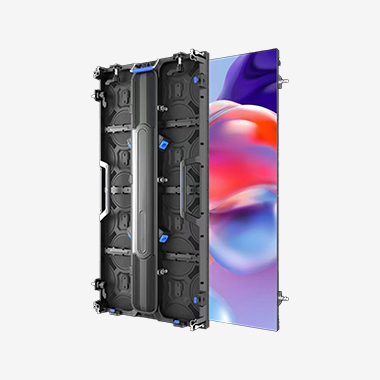
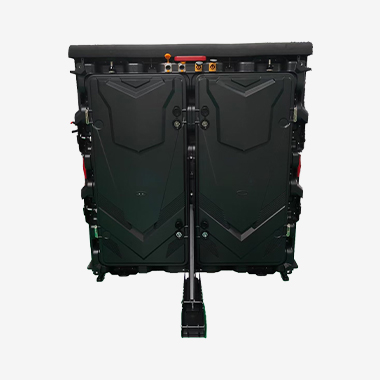
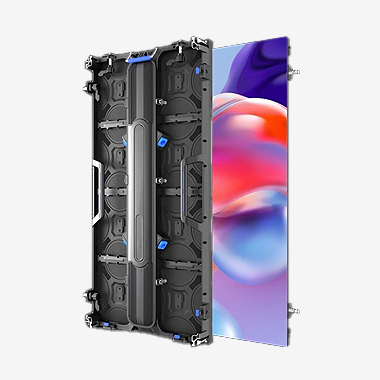
In terms of construction, large LED wall display walls typically adopt a modular design. The display is composed of individual LED modules, which are carefully assembled and connected to form the larger wall. This modular approach offers several advantages, including easy installation, maintenance, and scalability. Each module can be replaced or repaired independently in case of a malfunction, minimizing downtime during the conference. The frames of the display wall are usually made from sturdy materials such as aluminum alloy, which provides both structural integrity and a sleek, professional appearance.
The enclosure of the display wall is designed to protect the internal components, including the LED modules, control systems, and power supplies. Since conferences are typically held indoors, the enclosure focuses more on protection against dust, accidental impacts, and electromagnetic interference rather than extreme weather conditions. Special heat - dissipation mechanisms, such as heat sinks and fans, are integrated into the design to manage the heat generated by the LEDs, ensuring their stable operation throughout the conference.
The electrical and data connections within the display wall are carefully engineered for reliability and seamless operation. High - quality cables and connectors are used to transmit power and data between the modules and the control system. The control system, which includes media servers, control cards, and software, manages the display of content, adjusts the brightness and color, and synchronizes the operation of the entire wall. Many modern LED wall display walls for conferences also support wireless connectivity, allowing presenters to connect their devices and control the display remotely, providing greater flexibility during presentations.
The working principles of large LED wall display walls for conferences are based on the fundamental operation of LED technology, combined with sophisticated digital signal processing and control systems, all tailored to meet the specific requirements of conference - related content presentation.
The process starts with the creation and preparation of the digital content, which can include presentation slides, videos, live camera feeds, data visualizations, and interactive graphics. This content is typically created using professional presentation software, video editing tools, and data analysis applications. Once the content is ready, it is transferred to a media server or a computer that is connected to the LED wall display.
The media server serves as the central hub for content management. It receives the digital files, processes them to ensure compatibility with the display wall's control system, and optimizes the visual quality. The server can perform tasks such as video compression, color correction, and content formatting to ensure smooth playback and accurate representation of the content on the display wall.
The control system of the LED wall display, consisting of control cards and software, plays a crucial role in the operation of the display. The control cards receive the processed data from the media server and convert it into electrical signals. These electrical signals are then transmitted to the individual LED modules within the display wall. Each LED in the module is individually addressable, and the control system precisely regulates the current flowing through each LED, determining its brightness and color.
To display the content, the control system employs pulse - width modulation (PWM) technology. PWM rapidly switches the LEDs on and off at a high frequency, adjusting the duration for which each LED is on to control its brightness. By precisely controlling the PWM signals for the red, green, and blue LEDs, the control system can create a vast array of colors and shades, resulting in high - quality images and videos that accurately represent the intended content.
In addition to controlling the LEDs, the control system also manages the synchronization of the entire display wall. This is essential to ensure that all the LED modules update simultaneously, preventing any visual artifacts or flickering that could disrupt the viewing experience. The control system can interface with other external devices used during the conference, such as cameras, microphones, and audience response systems. For example, it can switch between different video sources in real - time, display live camera feeds from different angles of the conference hall, or incorporate real - time data from audience response systems into the presentation.
Furthermore, modern large LED wall display walls for conferences often support various playback modes and interactive features. Presenters can choose to display content in a full - screen mode, split - screen mode to show multiple sources simultaneously, or use picture - in - picture mode. Interactive features, such as touch - screen functionality or motion - sensor - based interaction, allow attendees to engage with the content directly, enhancing the interactivity and engagement of the conference sessions.
Large LED wall display walls for conferences offer a multitude of advantages that significantly enhance the conference experience and the effectiveness of information dissemination.
One of the most significant advantages is the exceptional visual quality they provide. With high - resolution displays, vibrant colors, and excellent contrast ratios, large LED walls can present content with outstanding clarity and detail. This is particularly beneficial for technical conferences where complex diagrams, graphs, and scientific illustrations need to be clearly visible to all attendees. The large size of the display also ensures that everyone in the conference hall can view the content without straining their eyes, eliminating the need for attendees to crowd around small screens or projection areas.
Another major advantage is the flexibility and versatility of content display. Large LED wall display walls can accommodate a wide variety of content types, from traditional presentation slides to live video streams, 3D animations, and real - time data visualizations. Conference organizers and presenters can easily update and customize the content in real - time, allowing for seamless transitions between different sessions, quick responses to audience questions, and the incorporation of up - to - date information. The ability to display multiple streams of content simultaneously, such as showing a presentation on one part of the screen and relevant data or live chat on another, enhances the interactivity and comprehensiveness of the conference.
In terms of audience engagement, large LED wall display walls have a profound impact. The immersive and visually captivating nature of these displays draws the attention of attendees and keeps them engaged throughout the conference. Interactive features, such as touch - screen interfaces or real - time polling displayed on the wall, encourage active participation from the audience, making the conference more interactive and memorable. This increased engagement can lead to better knowledge retention and more productive discussions among attendees.
However, large LED wall display walls for conferences also face several challenges. One of the main challenges is the high initial cost. The purchase, installation, and setup of a large LED wall display can be a substantial financial investment. This cost includes not only the LED modules themselves but also the control systems, media servers, installation labor, and any necessary infrastructure modifications to the conference venue, such as electrical upgrades and structural support. The high upfront cost can be a significant barrier for some conference organizers, especially those with limited budgets.
Another challenge is the technical complexity involved in operation and maintenance. Despite the development of user - friendly control systems, operating and maintaining a large LED wall display still requires a certain level of technical expertise. Setting up the display, calibrating the colors and brightness, and troubleshooting any technical issues during the conference demand trained technicians. Any malfunction or technical glitch can disrupt the conference proceedings, highlighting the importance of having reliable technical support on - site.
The integration of the LED wall display with other conference technologies and systems can also be a complex task. Ensuring seamless compatibility with audio systems, cameras, and other presentation devices requires careful planning and coordination. Additionally, managing the large amount of data required to drive the high - resolution display and ensuring smooth data transmission can pose challenges, especially in conferences with a large number of concurrent data streams.
Large LED wall display walls have a wide range of applications within the context of conferences.
In keynote sessions, these display walls serve as the primary visual medium for speakers. They can display high - impact opening videos, detailed presentation slides, and live - action visuals that enhance the speaker's message and captivate the audience. The large size and high - quality display ensure that the keynote address makes a strong first impression and sets the tone for the entire conference.
For panel discussions and Q&A sessions, large LED wall display walls can display the names and bios of panelists, live - stream the discussion to different parts of the conference hall, and show real - time questions and comments from the audience. This creates a more interactive and engaging environment, facilitating better communication between panelists and attendees.
In technical workshops and training sessions, the display walls can display detailed technical diagrams, code examples, and step - by - step tutorials in high resolution. Attendees can clearly see the content, even from a distance, making it easier to follow along and learn new skills.
Looking to the future, several trends are expected to shape the development of large LED wall display walls for conferences. One trend is the continuous improvement in resolution and visual quality. The development of micro - LED and mini - LED technologies will enable even higher resolutions, brighter displays, and more accurate color reproduction, further enhancing the visual experience for conference attendees.
Another trend is the increased integration of artificial intelligence (AI) and machine learning (ML) technologies. AI - powered systems could analyze audience reactions and engagement levels in real - time and adjust the display content accordingly. For example, if the system detects that the audience's attention is waning, it could automatically switch to a more engaging video or interactive segment. ML algorithms could also be used to optimize the display settings, such as brightness and contrast, based on the ambient lighting conditions in the conference hall.
The integration of augmented reality (AR) and virtual reality (VR) with large LED wall display walls is also a promising area. AR could be used to overlay digital information onto the physical conference environment, providing additional context and interactivity during presentations. VR could offer virtual conference experiences for remote attendees, allowing them to feel more immersed in the conference despite not being physically present.
Furthermore, the growing focus on sustainability will drive the development of more energy - efficient and eco - friendly LED wall display walls for conferences. This includes the use of recycled materials in manufacturing, the development of more energy - saving display technologies, and the integration of renewable energy sources to power the displays.
Conclusion
Large LED wall display walls have become an essential and transformative element in the modern conference landscape. Their ability to deliver high - quality, engaging, and versatile visual content has significantly enhanced the conference experience for both presenters and attendees, facilitating more effective communication and knowledge sharing.
Despite the challenges of high initial cost, technical complexity, and integration issues, the numerous advantages of these display walls, combined with the continuous advancements in technology, ensure their continued growth and adoption in the conference industry. As future trends such as improved resolution, AI integration, AR/VR applications, and sustainability initiatives continue to evolve, large LED wall display walls will undoubtedly play an even more crucial role in shaping the future of conferences, making them more immersive, interactive, and impactful.


Copyright © 2026 Shenzhen Cogo Technology Co.,Ltd.
All Rights Reserved

 Previous article