




 Chat Now
LED wall display walls have emerged as a revolutionary force in the realm of visual communication, transforming the way information is presented and experiences are created. These display walls, which are essentially large - scale assemblies of light - emitting diodes (LEDs), have become an integral part of numerous industries, from advertising and entertainment to education and corporate communication. At their core, LED wall display walls leverage the unique properties of LEDs to generate high - quality, vibrant visuals that can captivate audiences and convey messages with exceptional clarity.
LEDs, the building blocks of these display walls, are semiconductor devices that emit light when an electric current passes through them. By combining red, green, and blue (RGB) LEDs, LED wall display walls can produce a vast spectrum of colors, enabling the display of sharp images, smooth videos, and dynamic animations. The modular nature of LED technology allows for the creation of display walls of various sizes and shapes, ranging from small, portable units suitable for intimate events to massive, immersive installations that dominate large - scale venues.
The rapid rise of LED wall display walls can be attributed to several factors. Firstly, the demand for more engaging and impactful visual content has skyrocketed in recent years. In an era where attention spans are shrinking and competition for audience engagement is fierce, traditional display methods often fall short. LED wall display walls, with their bright, high - resolution displays and ability to showcase dynamic content, offer a solution that can effectively cut through the noise and capture the attention of viewers.
Secondly, advancements in LED manufacturing technology have made these display walls more accessible, reliable, and cost - effective. Over time, improvements in LED efficiency, lifespan, and production processes have led to a significant reduction in costs while enhancing performance. Additionally, the development of sophisticated control systems and software has made it easier to manage and update the content on LED wall display walls, even for users without extensive technical knowledge.
Moreover, the versatility of LED wall display walls makes them suitable for a wide range of applications. They can be used indoors or outdoors, in permanent installations or for temporary events. Their adaptability to different environments and requirements has contributed to their widespread adoption across diverse sectors, making them a staple in modern visual communication strategies.
The design and construction of LED wall display walls are complex processes that require a combination of technical expertise, creative vision, and an understanding of the intended application. The design phase begins with a thorough assessment of the project requirements, including the location, viewing distance, environmental conditions, and the specific goals of the display.
One of the primary design considerations is the size and shape of the display wall. The size is determined based on factors such as the available space, the desired viewing angle, and the need to ensure maximum visibility. In outdoor applications, larger display walls are often preferred to reach a wider audience, while indoor installations may vary in size depending on the venue and the specific use case. The shape of the display wall can range from traditional rectangular or square forms to more unconventional shapes, such as curves or irregular polygons, to create a unique visual impact.
The pixel pitch, which refers to the distance between adjacent pixels on the display, is a crucial design element that directly affects the visual quality. A smaller pixel pitch results in a higher resolution and sharper images, making it ideal for applications where the display will be viewed from a close distance, such as in indoor digital signage or corporate boardrooms. Conversely, a larger pixel pitch is suitable for outdoor applications or situations where the viewing distance is greater, as it provides a more cost - effective solution while still maintaining acceptable visual clarity.
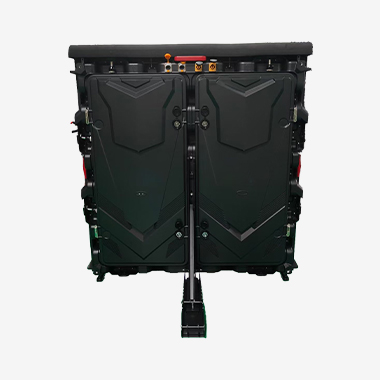
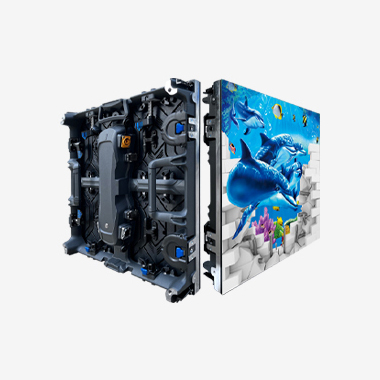
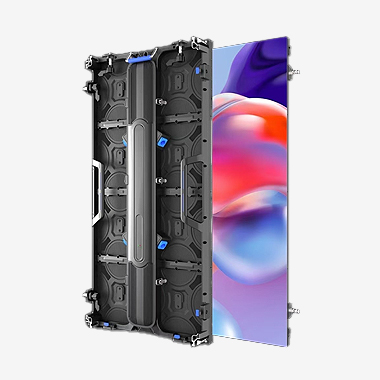
In terms of construction, LED wall display walls typically adopt a modular design. The display is composed of individual LED modules, which are the basic building blocks. These modules are carefully assembled and connected to form the larger display wall. The modular design offers several advantages, including easy installation, maintenance, and scalability. If a particular module malfunctions, it can be easily replaced without having to disassemble the entire display wall.
The enclosure of the display wall is designed to protect the internal components from environmental factors, especially for outdoor installations. Outdoor display walls are usually constructed using durable materials such as aluminum alloy or stainless steel, which offer excellent resistance to water, dust, impact, and corrosion. Special sealing techniques are employed to ensure that the internal components, including the LED modules, control systems, and power supplies, are well - protected. Efficient heat - dissipation systems, such as heat sinks, fans, or liquid - cooling mechanisms, are integrated into the design to manage the heat generated by the LEDs, preventing overheating and ensuring optimal performance.
For indoor display walls, while the environmental protection requirements are less stringent, the design still focuses on aesthetics and integration with the surrounding space. The enclosure may be designed to blend seamlessly with the interior decor, using materials and finishes that complement the overall design of the venue.
The electrical and data connections within the display wall are also carefully engineered. High - quality cables and connectors are used to transmit power and data between the display modules and the control system. The control system, which includes media servers, control cards, and software, manages the display of content, adjusts the brightness and color, and synchronizes the operation of the entire display wall. Additionally, features such as anti - glare coatings, ambient light sensors, and automatic brightness adjustment functions may be incorporated to enhance the viewing experience and adapt to changing lighting conditions.
The working principles of LED wall display walls are based on the fundamental operation of LEDs and digital signal processing. The process begins with the creation and preparation of the digital content, which can include images, videos, animations, and text. This content is typically created using graphic design software, video editing tools, and content management systems.
The prepared digital content is then transferred to a media server or a computer connected to the LED wall display. The media server serves as the central hub for content management, receiving the digital files and processing them to ensure compatibility with the display wall's control system. It can perform tasks such as video compression, color correction, and content formatting to optimize the visual quality and ensure smooth playback on the display wall.
The control system of the LED wall display, consisting of control cards and software, plays a crucial role in the operation of the display. The control cards receive the processed data from the media server and convert it into electrical signals. These electrical signals are then transmitted to the individual LED modules within the display wall. Each LED in the module is individually addressable, and the control system precisely regulates the current flowing through each LED, determining its brightness and color.
To display the content, the control system employs pulse - width modulation (PWM) technology. PWM rapidly switches the LEDs on and off at a high frequency, adjusting the duration for which each LED is on to control its brightness. By precisely controlling the PWM signals for the red, green, and blue LEDs, the control system can create a vast array of colors and shades, resulting in high - quality images and videos that accurately represent the intended content.
In addition to controlling the LEDs, the control system also manages the synchronization of the entire display wall. This is essential to ensure that all the LED modules update simultaneously, preventing any visual artifacts or flickering that could disrupt the viewing experience. The control system can interface with other external devices, such as sensors for ambient light monitoring or audience engagement analytics tools. For example, ambient light sensors can detect the surrounding light levels and send signals to the control system, which can then automatically adjust the brightness of the display wall to ensure optimal visibility while also conserving energy.
Furthermore, modern LED wall display walls often support various playback modes, such as looped video playback, slideshow presentations, and real - time content updates. Some advanced systems also allow for interactive displays, where viewers can interact with the content using touchscreens, motion sensors, or other input devices, enhancing the level of engagement and interactivity.
LED wall display walls offer a plethora of advantages that have contributed to their widespread adoption across various industries. One of the most significant advantages is their exceptional visual quality. With the ability to produce bright, vivid colors, high - resolution images, and smooth videos, LED wall display walls can create a captivating and immersive visual experience that effectively grabs the attention of audiences. Whether it's for advertising, entertainment, or information dissemination, the high - quality visuals can convey messages clearly and memorably.
Another major advantage is their flexibility. LED wall display walls can be customized in terms of size, shape, resolution, and functionality to meet the specific requirements of different applications. They can be used in a variety of settings, from small retail stores to large - scale outdoor events, and can display a wide range of content, from static images to dynamic, interactive media. The ability to update the content in real - time also allows for targeted and timely communication, enabling users to adapt to changing circumstances and audience needs.
In terms of energy efficiency, LED wall display walls are highly efficient compared to traditional display technologies. LEDs consume less power while producing the same or even higher levels of brightness, resulting in lower electricity bills and a reduced environmental impact. Additionally, the long lifespan of LEDs means that they require less frequent replacement, further reducing maintenance costs and downtime.
However, LED wall display walls also face several challenges. One of the main challenges is the high initial cost. The purchase, installation, and setup of an LED wall display can be a significant financial investment, especially for large - scale or high - resolution displays. The cost includes not only the LED modules but also the control systems, media servers, installation labor, and any necessary infrastructure modifications. This high upfront cost can be a barrier for some organizations, particularly small businesses or those with limited budgets.
Another challenge is the technical complexity involved in operation and maintenance. Although modern LED wall display walls are designed to be user - friendly, they still require a certain level of technical knowledge for proper installation, calibration, and troubleshooting. Any technical issues, such as faulty LED modules, data transmission problems, or software glitches, need to be addressed promptly to ensure the smooth operation of the display. This may require trained technicians or access to technical support, which can add to the overall cost and complexity.
The outdoor environment also poses challenges to the durability of LED wall display walls. Exposure to extreme weather conditions, such as strong winds, heavy rain, snow, and intense sunlight, can damage the display components over time. Special protective measures, such as using UV - resistant coatings, waterproof enclosures, and wind - resistant structures, need to be taken, which can further increase the cost and complexity of the installation and maintenance.
LED wall display walls have a wide range of applications across various sectors. In the advertising industry, they are used for large - scale billboards, digital signage in shopping malls and streets, and in - store displays. These display walls can effectively capture the attention of passersby and consumers, delivering advertising messages with high impact and visual appeal. They can also be used to showcase products, promote special offers, and enhance brand image.
In the entertainment industry, LED wall display walls are commonly used in concert venues, theaters, and sports stadiums. They serve as stage backdrops, displaying high - quality visuals that enhance the performance and create an immersive experience for the audience. In sports events, they can display live game footage, player statistics, and advertisements, adding to the excitement and atmosphere of the event.
In the corporate world, LED wall display walls are used for boardroom presentations, corporate events, and training sessions. They can display high - resolution images, videos, and data visualizations, making meetings and presentations more engaging and effective. They can also be used to display company information, news, and achievements, enhancing internal communication and corporate branding.
In the education sector, LED wall display walls are used in classrooms, libraries, and auditoriums. They can display educational content, such as videos, animations, and interactive presentations, making learning more engaging and interactive for students. They can also be used to display school announcements, event schedules, and student achievements.
Looking to the future, several trends are expected to shape the development of LED wall display walls. One trend is the continuous improvement of LED technology, leading to even higher resolution, brighter displays, and lower power consumption. The development of micro - LED and mini - LED technologies holds great promise for the future, offering the potential for even more compact, energy - efficient, and high - performance display walls.
Another trend is the integration of advanced technologies such as artificial intelligence (AI), augmented reality (AR), and virtual reality (VR). AI - powered systems could analyze audience behavior and preferences in real - time, enabling more targeted and personalized content display. AR and VR integration could create immersive and interactive experiences, allowing users to interact with the digital content in new and exciting ways.
The Internet of Things (IoT) is also likely to play a significant role in the future of LED wall display walls. IoT - enabled display walls could be connected to other devices and systems, allowing for real - time data collection and analysis. This could enable more intelligent and dynamic content display, as well as remote monitoring and management of the display walls.
Furthermore, the increasing focus on sustainability will drive the development of more eco - friendly LED wall display walls. This includes the use of recycled materials, energy - efficient designs, and the integration of renewable energy sources to reduce the environmental impact of these displays.
Conclusion
LED wall display walls have become an essential and powerful tool in modern visual communication. Their ability to deliver high - quality, engaging visuals, combined with their flexibility and energy efficiency, has made them a popular choice across a wide range of industries. Despite the challenges of high initial cost, technical complexity, and environmental factors, the continuous advancements in LED technology and the integration of new and emerging technologies are driving the growth and evolution of these display walls.
As we move forward, the future of LED wall display walls looks bright. The integration of advanced technologies, the pursuit of higher performance and energy efficiency, and the focus on creating more immersive and interactive experiences will open up new possibilities for creative and effective visual communication. LED wall display walls will continue to play a crucial role in shaping the way we present information, engage audiences, and create memorable experiences in the digital age.


Copyright © 2026 Shenzhen Cogo Technology Co.,Ltd.
All Rights Reserved

 Previous article