




 Chat Now
In the dynamic landscape of indoor events, from grand corporate galas and electrifying music concerts to thought - provoking theater productions, indoor LED display stage signage rental has emerged as a game - changing service. This rental model offers event organizers a flexible, cost - effective, and high - impact solution for enhancing the visual appeal and overall experience of their events, eliminating the need for significant upfront investment in purchasing and maintaining permanent LED display systems.
The core concept of indoor LED display stage signage rental revolves around providing clients with access to state - of - the - art LED display equipment for a specified period, tailored to the unique requirements of each event. Event planners can choose from a diverse range of LED display sizes, resolutions, and configurations, ensuring that the signage perfectly complements the event's theme, venue layout, and audience size. For instance, a small - scale corporate seminar might benefit from a compact, high - resolution LED display for presenting detailed slides and videos, while a large - scale music concert could require a massive, immersive LED wall to create a visually stunning backdrop for the performers.
One of the primary drivers behind the popularity of indoor LED display stage signage rental is its cost - effectiveness. Purchasing a high - quality LED display system can be prohibitively expensive, involving significant expenses for the display panels, control systems, installation, and ongoing maintenance. In contrast, renting allows event organizers to access top - tier equipment at a fraction of the cost, allocating their budget more efficiently across other essential aspects of the event, such as talent acquisition, catering, and marketing. This affordability factor makes advanced LED display technology accessible to a wider range of events, from community - based cultural festivals to large - scale international conferences.
Flexibility is another key advantage of the rental model. Event organizers can easily customize the LED display setup based on the specific needs of each event. This includes selecting the appropriate size and shape of the display, adjusting the content to match the event's theme and messaging, and integrating additional features such as interactive capabilities or synchronized lighting effects. The ability to quickly adapt the LED display to different event requirements ensures a unique and engaging experience for attendees, while also providing event planners with the creative freedom to bring their vision to life.
Moreover, indoor LED display stage signage rental services often come with comprehensive support from experienced technicians. These professionals handle the installation, configuration, and maintenance of the LED displays, ensuring seamless operation throughout the event. This relieves event organizers of the technical burden, allowing them to focus on other critical aspects of event management. From setting up the display in the venue to troubleshooting any issues that may arise during the event, the rental service provider's technical team plays a crucial role in ensuring the success of the event.
In summary, indoor LED display stage signage rental has become an indispensable service in the indoor event industry, offering a blend of cost - effectiveness, flexibility, and professional support that enables event organizers to create memorable and visually captivating experiences for their audiences without the long - term commitment and high costs associated with ownership.
The design and construction of indoor LED display stage signage for rental purposes are carefully crafted to meet the diverse and demanding requirements of various indoor events. This process involves a combination of advanced technology, engineering precision, and creative design, ensuring that the rented LED displays are not only visually stunning but also reliable and easy to install and operate.
Component Selection
At the heart of indoor LED display stage signage for rental are the LED panels. When selecting LED panels, rental service providers prioritize high - quality components that offer a balance of performance, durability, and versatility. LED chips are the foundation of these panels, and choosing chips with high brightness, excellent color accuracy, and a wide viewing angle is essential. High - brightness chips ensure that the display is visible even in well - lit indoor venues, while accurate color reproduction is crucial for creating vivid and engaging visuals that can effectively convey the event's message. A wide viewing angle allows attendees from different positions in the venue to enjoy clear and consistent visuals, enhancing the overall viewing experience.
The pixel pitch of the LED panels is another critical consideration. Rental services typically offer a range of pixel pitches to accommodate different event needs. For events where the audience will be seated close to the display, such as small - scale theater performances or corporate boardroom meetings, panels with a smaller pixel pitch (e.g., 1.2mm - 2.5mm) are preferred to ensure sharp and detailed images. In larger venues with greater viewing distances, such as convention centers or arenas, panels with a slightly larger pixel pitch (e.g., 3mm - 6mm) can provide a cost - effective solution without sacrificing too much on visual quality.
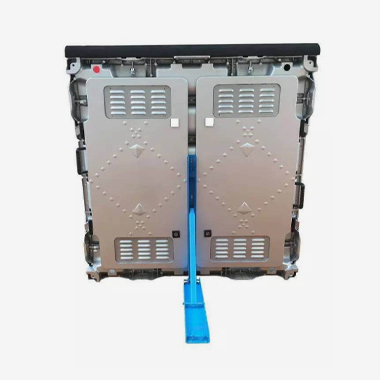
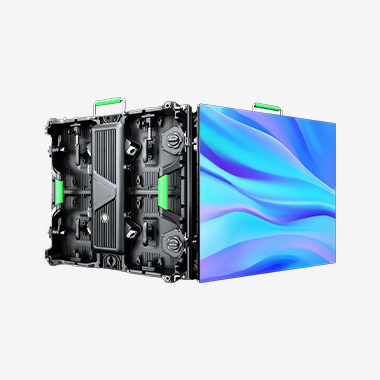
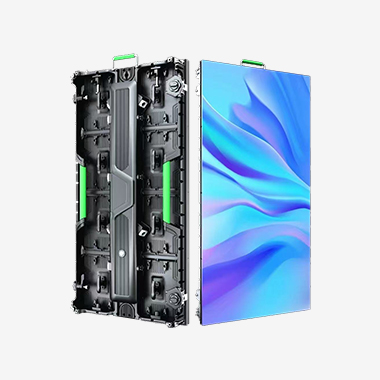
The enclosure of the LED panels is designed to withstand the rigors of frequent transportation, installation, and use in different indoor environments. Lightweight yet robust materials, such as aluminum alloy, are commonly used to reduce the weight of the panels for easier handling and transportation while providing sufficient protection against physical damage. The enclosures are also sealed to prevent the ingress of dust and moisture, ensuring the longevity and reliability of the internal components. Additionally, some enclosures may feature shock - absorbing designs to minimize the impact of vibrations during transit, safeguarding the delicate LED chips and other electronics.
The control system of the indoor LED display stage signage is a sophisticated component that includes a video processor, a controller, and signal transmission devices. The video processor is responsible for receiving, processing, and optimizing the input video signals from various sources, such as media servers, laptops, or live cameras. It can perform functions like scaling, cropping, and color correction to ensure that the content is displayed in the best possible quality on the LED panels. The controller manages the communication between the video processor and the LED panels, sending precise control signals to adjust the brightness, color, and refresh rate of each individual LED. High - speed and reliable signal transmission cables, such as HDMI, SDI, or fiber - optic cables, are used to transmit the video and control signals, minimizing signal loss and interference, even over relatively long distances within the venue.
Assembly and Integration
The assembly process of indoor LED display stage signage for rental begins with the careful installation of the individual LED panels. These panels are typically designed for quick and easy assembly, often featuring a modular design that allows them to be connected together seamlessly. Specialized mounting brackets and fixtures are used to secure the panels to a sturdy frame or structure, which can be customized to fit the specific dimensions and layout of the event venue. The installation process is carried out by trained technicians who ensure that the panels are aligned precisely to create a smooth and continuous display surface, minimizing any visible seams or gaps.
Once the LED panels are installed, the control system is integrated. The video processor and controller are usually placed in a dedicated control rack or cabinet, which is located near the display for easy access and maintenance. The signal transmission cables are carefully connected between the source devices, the control system, and the LED panels. Rigorous testing is conducted at this stage to ensure that all connections are secure and that the display can operate smoothly without any signal issues, such as lag, distortion, or dropped frames. Technicians also perform a series of tests to calibrate the display, adjusting the brightness, contrast, and color settings to optimize the visual quality based on the ambient lighting conditions and the specific requirements of the event.
In addition to the LED panels and control system, indoor LED display stage signage for rental may also incorporate other components, such as audio systems, lighting control interfaces, and interactive devices. Integration of these additional components requires careful planning and coordination to ensure seamless operation and a cohesive event experience. For example, the LED display can be synchronized with the event's audio system to create a more immersive audio - visual experience, or interactive touch - screen overlays can be added to the display to allow attendees to engage with the content in a more hands - on way.
Customization
Customization is a key aspect of indoor LED display stage signage rental, allowing event organizers to tailor the display to their specific event needs. Rental service providers offer a wide range of customization options, starting with the size and shape of the display. Displays can be configured in various shapes, such as rectangular, square, circular, or even irregular shapes, to fit the unique architecture and layout of the event venue. The size of the display can also be adjusted to suit the scale of the event, from small - scale backdrops for intimate gatherings to large - scale LED walls that dominate the stage in a grand concert hall.
The content displayed on the LED signage can be fully customized to match the event's theme, branding, and messaging. Event organizers can work with graphic designers, video producers, and content creators to develop unique and engaging visual content, including custom - made animations, high - definition videos, live feeds, and dynamic graphics. Rental service providers often offer content management services, helping clients upload, schedule, and manage the content on the LED display, ensuring a seamless and professional presentation throughout the event. Additionally, the display can be integrated with other event elements, such as stage lighting, special effects, and audience engagement tools, to create a more immersive and memorable event experience.
The operation of indoor LED display stage signage for rental is based on a combination of electrical, optical, and digital signal processing principles, which work in harmony to deliver high - quality, dynamic visual content that enhances the event experience.
LED Operation and Light Emission
Indoor LED display stage signage operates on the principle of electroluminescence. When an electric current is applied to the LED chips within the display panels, electrons and holes in the semiconductor material of the LED recombine. This recombination process releases energy in the form of photons, resulting in the emission of light.
For full - color displays, each pixel in the LED panel typically consists of multiple LED chips, usually red, green, and blue (RGB) LEDs. By precisely controlling the intensity of each color LED, a vast range of colors and shades can be created. The color of the emitted light depends on the energy bandgap of the semiconductor material used in the LED chip. Different semiconductor materials produce different colors, and through careful calibration and control of the LED driver circuits, the display can achieve accurate color reproduction and a wide color gamut. This allows for the creation of vivid and lifelike visuals, whether it's displaying a corporate logo in its exact brand colors or showcasing a colorful music video during a concert.
Image Generation and Display
To generate an image on an indoor LED display stage signage, digital video or data signals are first received by the display's control system. These signals can originate from various sources, such as pre - recorded video files stored on a media server, live video feeds from cameras positioned around the event venue, or real - time data from event - specific software applications. The video processor within the control system decodes and processes these signals.
The video processor converts the input signals into a format that can be understood by the LED driver circuits of the individual panels. It divides the image or video into individual pixels and determines the intensity values for each color LED in each pixel. The LED driver circuits then control the current flowing through each LED chip in the display panels. By precisely adjusting the current, the brightness of each LED can be regulated, and the desired image or video is displayed on the stage signage.
The LED panels in the display are arranged in a matrix pattern. The control system scans through each row and column of this matrix at high speeds to update the state of each LED in real - time. This rapid scanning, combined with the fast - switching capabilities of the LEDs, enables the display of smooth videos and dynamic animations without any noticeable flicker or lag. The high refresh rate of the LED panels ensures that the images remain sharp and stable, even when displaying fast - moving content, such as a live dance performance or rapidly changing graphics.
Signal Transmission and Control
The control system of the indoor LED display stage signage also manages the signal transmission between the input source and the LED panels. High - speed data cables, such as HDMI, SDI, or fiber - optic cables, are used to transmit the digital signals from the source devices to the video processor and then to the LED panels. These cables are designed to minimize signal loss and interference, ensuring that the video and control signals are transmitted accurately and in real - time, even over relatively long distances within the indoor venue.
Standard communication protocols, such as SPI (Serial Peripheral Interface), DMX (Digital Multiplex), or proprietary LED control protocols, are used to ensure accurate and synchronized display of the content. These protocols define the format and timing of the data transmission, allowing the control system to precisely control the state of each LED in the display, including its brightness, color, and switching frequency.
In addition, modern indoor LED display stage signage for rental often incorporates wireless control capabilities. This allows event technicians and organizers to remotely manage and update the display content, adjust the display settings (such as brightness, contrast, and color temperature), and monitor the performance of the signage from a central location, such as the event control booth. Wireless control technologies, such as Wi - Fi, Bluetooth, or 5G, provide a convenient and efficient way to manage the display during the event, enabling quick adjustments and seamless integration with other event systems.
Advantages
One of the most significant advantages of indoor LED display stage signage rental is the cost - savings it offers. As mentioned earlier, purchasing a permanent LED display system can be a substantial investment, covering not only the cost of the hardware but also installation, maintenance, and potential upgrades. Renting eliminates the need for this large upfront expense, allowing event organizers to allocate their budget more effectively. They can invest in other critical aspects of the event, such as hiring top - notch talent, improving the quality of catering, or enhancing marketing efforts. This cost - effectiveness makes advanced LED display technology accessible to a broader range of events, including those with limited financial resources.
Flexibility is another major benefit of the rental model. Event organizers have the freedom to choose from a wide variety of LED display options based on the specific requirements of each event. They can select the size, shape, resolution, and features of the display that best suit the event's theme, venue, and audience. This flexibility extends to content management as well, with the ability to easily update and customize the display content to match the event's flow and messaging. Whether it's a last - minute change to the event schedule or a need to adapt the visuals to a new marketing campaign, the rental service allows for quick and seamless adjustments.
Professional support is an invaluable advantage of indoor LED display stage signage rental. Rental service providers typically have a team of experienced technicians who handle the entire process, from installation and setup to maintenance and breakdown. These professionals ensure that the LED display is installed correctly, calibrated for optimal visual quality, and operates smoothly throughout the event. In case of any technical issues, they are on - site to troubleshoot and resolve problems promptly, minimizing disruption to the event. This level of support relieves event organizers of the technical burden, allowing them to focus on delivering a successful event.
The rental model also offers access to the latest LED display technology. LED technology is constantly evolving, with new advancements in image quality, energy efficiency, and interactive capabilities emerging regularly. By renting, event organizers can take advantage of the most up - to - date equipment without the long - term commitment of ownership. They can use cutting - edge features such as high - resolution displays, 3D capabilities, or augmented reality integration to create a more engaging and memorable event experience for their attendees.
Challenges
Despite its numerous advantages, indoor LED display stage signage rental also faces several challenges. One of the primary challenges is availability. During peak event seasons, there is high demand for rental LED displays, and service providers may struggle to meet the needs of all clients. This can lead to limited availability of specific display sizes, resolutions, or features, forcing event organizers to compromise on their ideal setup or book well in advance to secure the equipment. Additionally, in some regions, the supply of rental LED display services may be limited, further restricting the options available to event planners.
Another challenge is the compatibility of the rented LED display with existing event equipment and systems. Indoor events often have a complex setup of audio, lighting, and other technical equipment. Ensuring that the rented LED display integrates seamlessly with these existing systems can be a difficult task. There may be issues with signal compatibility, control system integration, or physical installation constraints. Rental service providers need to work closely with event organizers and other technical teams to address these compatibility issues and ensure a smooth operation of all event systems.
Content creation and management can also pose a challenge for event organizers. Creating high - quality, engaging visual content that makes the most of the LED display's capabilities requires specialized skills in video production, graphic design, and digital content management. Event planners may need to invest in hiring professional content creators or training their staff to produce effective content. Additionally, managing the content on the LED display during the event, including scheduling, updating, and synchronizing with other event elements, can be a complex task that requires careful planning and coordination.
Finally, there is the challenge of ensuring consistent quality across different rental units. While rental service providers strive to maintain high - quality standards for all their equipment, there may be variations in the performance and condition of individual LED displays. Event organizers need to carefully inspect the rented equipment before the event to ensure that it meets their expectations in terms of visual quality, functionality, and reliability. Any discrepancies or issues need to be addressed promptly with the rental service provider to avoid disappointment during the event.
Applications
Indoor LED display stage signage rental has a wide range of applications across various types of indoor events. In the corporate event sector, it is commonly used for conferences, seminars, product launches, and annual meetings. For conferences, LED displays can be used to display keynote speeches, presentations, and live Q&A sessions, ensuring that all attendees have a clear view of the content. During product launches, the LED display can showcase high - quality product images, videos, and demonstrations, creating a visually impactful presentation that grabs the attention of potential customers. At annual meetings, the display can be used to present company achievements, financial reports, and future plans in an engaging and interactive manner.
In the entertainment industry, indoor LED display stage signage rental is essential for music concerts, theater productions, and dance performances. For music concerts, LED walls can create a stunning visual backdrop for the performers, displaying music videos, artist images, and dynamic graphics that synchronize with the music. In theater productions, the LED display can be used to create detailed and dynamic backdrops, transporting the audience to different settings and enhancing the storytelling process. For dance performances, the display can serve as a dynamic canvas, displaying abstract patterns, colors, and shapes that complement the movements of the dancers and add an extra layer of visual interest to the performance.
Indoor LED display stage signage rental is also widely used in social and cultural events, such as weddings, award shows, and cultural festivals. At weddings, the LED display can be used to display photos of the couple, wedding videos, and personalized messages, creating a romantic and memorable atmosphere. For award shows, the display can be used to showcase nominee information, winner announcements, and highlight reels, adding a touch of glamour and professionalism to the event. At cultural festivals, the LED display can be utilized to showcase traditional art forms, cultural heritage videos, and promote various festival activities, enhancing the cultural atmosphere and attracting more attendees.
In educational events like academic conferences, workshops, and campus performances, indoor LED display stage signage rental also plays a vital role. For academic conferences, it can display complex research data, graphs, and video demonstrations, helping scholars better convey their research results. In workshops, it can show step - by - step operation guides, interactive teaching materials, to improve the teaching effect. During campus performances, whether it's a student - organized drama or a music show, the LED display can create a vivid stage atmosphere, stimulating students' creativity and performance enthusiasm.
Future Trends
The future of indoor LED display stage signage rental is brimming with potential, driven by continuous technological advancements and changing market demands. One of the prominent trends is the integration of artificial intelligence (AI) and machine learning (ML). AI and ML algorithms can analyze various data sources, such as audience demographics, behavior patterns, and real - time feedback during the event. Based on this analysis, the LED display can automatically optimize content playback, adjust display settings like brightness and contrast according to ambient light conditions, and even predict the audience's preferences to present more targeted and engaging visuals. For example, if the system detects that a certain part of the audience shows more interest in a specific type of content, it can increase the frequency of similar content display in real - time.
The combination of virtual reality (VR) and augmented reality (AR) with indoor LED display stage signage is also set to revolutionize the event experience. VR can enable remote audiences to have a virtual "on - site" experience, allowing them to feel as if they are directly in the event venue through VR headsets, interacting with the virtual stage environment and performers. AR, on the other hand, can overlay virtual elements onto the real - world LED display, creating a more immersive and interactive experience for on - site attendees. For instance, in a historical drama performance, AR can display virtual historical scenes and characters over the physical stage, enhancing the storytelling and making the performance more vivid and engaging.
Another significant trend is the development of more intelligent and automated control systems. Future LED display rental systems will be able to self - diagnose technical problems, automatically troubleshoot minor issues, and even predict potential failures in advance. This will greatly reduce the reliance on manual technical support during events, ensuring the smooth operation of the LED display with minimal human intervention. Moreover, these control systems will be able to seamlessly integrate with other event - related systems, such as lighting, audio, and stage machinery, enabling more coordinated and complex event productions. For example, the LED display, lighting, and sound systems can be programmed to work in perfect harmony, creating a more immersive and dynamic event atmosphere.
Sustainability will also be a key focus in the future of indoor LED display stage signage rental. Manufacturers will develop more energy - efficient LED panels, reducing power consumption during events. Additionally, the use of recyclable and environmentally friendly materials in the production of LED displays will become more common, reducing the environmental impact of the rental business. Rental service providers may also implement more sustainable business models, such as optimizing transportation routes to reduce carbon emissions when delivering and picking up the equipment, or promoting the reuse of components to minimize waste.
Conclusion
Indoor LED display stage signage rental has become an integral part of the indoor event ecosystem, offering event organizers a wealth of benefits. Its cost - effectiveness, flexibility, professional support, and access to the latest technology have made it an attractive choice for a wide variety of events, from corporate gatherings to cultural celebrations. Despite facing challenges such as availability, compatibility, content creation, and quality consistency, the rental model continues to thrive and evolve.
Looking ahead, with the emergence of new trends like AI and ML integration, VR/AR applications, intelligent control systems, and sustainability initiatives, indoor LED display stage signage rental is poised for even greater growth and innovation. These advancements will not only enhance the visual and interactive experience of events but also make the rental process more efficient and environmentally friendly. As the event industry continues to grow and diversify, indoor LED display stage signage rental will undoubtedly play an increasingly important role, enabling event organizers to create more memorable, engaging, and impactful events that leave a lasting impression on audiences.


Copyright © 2026 Shenzhen Cogo Technology Co.,Ltd.
All Rights Reserved

 Previous article