




 Chat Now
In the ever - evolving landscape of event promotion and communication, high - resolution LED event signage has emerged as a revolutionary force. As events, ranging from large - scale international conferences and music festivals to intimate corporate gatherings, strive to make a lasting impression, the demand for visually stunning and highly detailed signage has skyrocketed. High - resolution LED event signage, with its ability to display crisp images, sharp text, and vibrant colors, has become an essential tool for event organizers looking to captivate their audiences and convey information effectively.
High - resolution, in the context of LED event signage, typically refers to a display with a significantly higher pixel density compared to standard LED displays. This enhanced pixel density results in a more refined and detailed visual output, allowing for the presentation of intricate graphics, high - definition videos, and small - sized text without any loss of clarity. The use of advanced LED technology, combined with sophisticated manufacturing processes, enables the creation of these high - resolution displays, which can offer a viewing experience comparable to that of high - end television screens or computer monitors.
The popularity of high - resolution LED event signage can be attributed to several factors. Firstly, the increasing sophistication of event attendees has led to a higher expectation for visual quality. People are now accustomed to high - definition content on their personal devices, and they expect the same level of visual excellence at events. High - resolution LED signage meets this demand by delivering immersive and engaging visual experiences. Secondly, the growth of the event industry itself has created a competitive environment where event organizers are constantly seeking innovative ways to differentiate their events. High - resolution LED signage provides a unique selling point, making events more attractive and memorable.
Moreover, the versatility of high - resolution LED event signage makes it suitable for a wide range of applications within the event space. It can be used for stage backdrops, promotional billboards, wayfinding signs, and real - time information displays, among others. This adaptability, combined with its superior visual quality, has made high - resolution LED event signage an indispensable asset in the modern event industry.
The design and construction of high - resolution LED event signage are intricate processes that require a meticulous balance of technical expertise and creative vision. The design phase begins with a comprehensive assessment of the event's requirements, including the type of event, the expected audience size, the venue layout, and the specific content to be displayed. This information is crucial for determining the optimal size, shape, and location of the signage, as well as the most suitable pixel pitch and display technology.
Pixel pitch is a key design parameter in high - resolution LED event signage. Unlike standard LED displays, high - resolution signage typically features a smaller pixel pitch, often ranging from 1mm to 3mm. A smaller pixel pitch allows for a higher pixel density, resulting in a more detailed and sharp image. However, a smaller pixel pitch also means higher manufacturing costs and more complex installation requirements. Therefore, the choice of pixel pitch must be carefully considered based on factors such as the viewing distance, the available budget, and the desired visual quality.
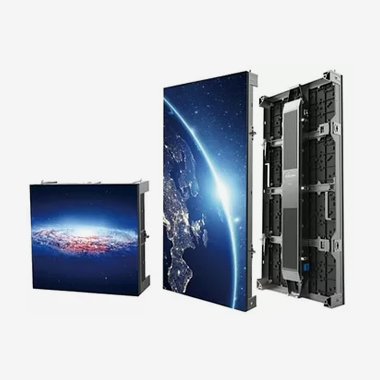
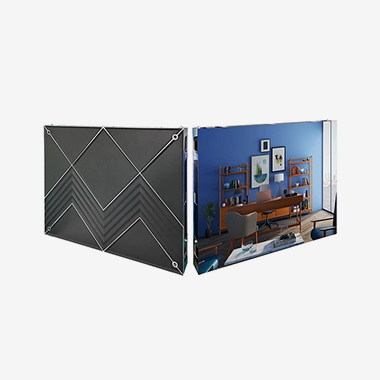
In terms of construction, high - resolution LED event signage is built using advanced manufacturing techniques and high - quality materials. The LED modules, which are the building blocks of the display, are composed of individual LEDs that are precisely arranged in a matrix. These modules are then assembled into larger panels, which are connected together to form the final display. The use of high - quality LEDs ensures consistent color reproduction, high brightness, and long - term reliability.
The enclosure of high - resolution LED event signage is designed to protect the internal components from environmental factors such as dust, moisture, and physical damage. It is typically made from durable materials such as aluminum or steel, and is equipped with sealing gaskets and ventilation systems to maintain optimal operating conditions. Additionally, the signage may incorporate features such as anti - glare coatings and temperature - control mechanisms to enhance the viewing experience and prolong the lifespan of the display.
The modular design is commonly employed in high - resolution LED event signage, allowing for easy installation, maintenance, and scalability. Individual LED modules can be easily replaced in the event of a malfunction, minimizing downtime and ensuring the continuous operation of the signage. Moreover, the modular design enables the creation of custom - sized displays, allowing event organizers to tailor the signage to the specific requirements of their events.
The working principles of high - resolution LED event signage are based on the fundamental properties of light - emitting diodes (LEDs) and digital signal processing. LEDs are semiconductor devices that emit light when an electric current passes through them. In high - resolution LED signage, red, green, and blue (RGB) LEDs are used in combination to produce a wide spectrum of colors, enabling the display of vivid and realistic images.
The process begins with the input of digital content, which can be in the form of images, videos, or text. This digital content is first processed by a media server or a computer, which converts it into a format that can be understood by the LED signage. The processed data is then transmitted to the control system of the signage, which consists of control cards and software.
The control cards play a crucial role in the operation of high - resolution LED event signage. They receive the digital data from the media server and convert it into electrical signals that are used to control the individual LEDs. Each LED in the display is addressed individually, and the control cards send precise electrical signals to each LED, determining its brightness and color.
To display an image or video, the control system uses a technique called pulse - width modulation (PWM). PWM rapidly switches the LEDs on and off at a high frequency, varying the duration for which each LED is on to control its brightness. By precisely controlling the brightness and color of each LED, the control system can create the illusion of continuous and smooth images, even when displaying high - definition content.
In addition to controlling the LEDs, the control system also manages the synchronization of the display. This is essential for ensuring that all the LEDs update at the same time, preventing any visual artifacts or flickering. The control system also interfaces with other external devices, such as cameras for live - streaming, sensors for environmental monitoring, and network connections for remote content management. This integration allows for real - time updates and dynamic content display, enhancing the interactivity and functionality of the high - resolution LED event signage.
High - resolution LED event signage offers a multitude of advantages that have made it a preferred choice for event organizers. One of the most significant advantages is its superior visual quality. The high pixel density and advanced color - rendering capabilities of high - resolution LED signage enable the display of incredibly detailed and lifelike images, which can captivate audiences and leave a lasting impression. Whether it's a close - up of a performer's face on a stage backdrop or a detailed map on a wayfinding sign, high - resolution LED signage ensures that every detail is clear and sharp.
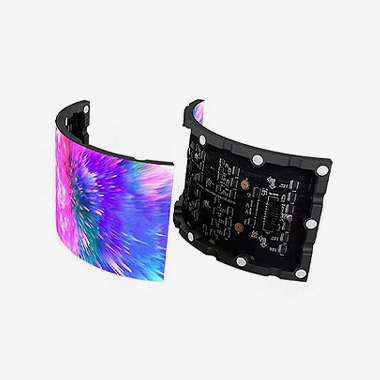
Another major advantage is its flexibility. High - resolution LED event signage can be customized to fit the specific needs of any event. It can be installed in various shapes and sizes, from small - scale individual signs to large - scale video walls. Additionally, the content displayed on the signage can be easily updated in real - time, allowing event organizers to convey the latest information, such as schedule changes, announcements, or promotional messages.
In terms of durability and energy efficiency, high - resolution LED event signage also performs well. LEDs have a long lifespan, typically lasting for tens of thousands of hours, which reduces the need for frequent replacements. Moreover, LED displays consume less power compared to traditional display technologies, resulting in lower energy costs and a reduced environmental impact.
However, high - resolution LED event signage also faces several challenges. One of the main challenges is the high cost. The advanced technology and high - quality components used in high - resolution LED signage make it significantly more expensive than standard LED displays. The initial investment required for purchasing and installing high - resolution LED signage can be a significant barrier for some event organizers, especially those with limited budgets.
Another challenge is the technical complexity. Installing and maintaining high - resolution LED event signage requires specialized skills and equipment. Any technical issues, such as faulty LED modules, data transmission problems, or software glitches, need to be addressed promptly by trained technicians. This can add to the overall cost and complexity of using high - resolution LED signage.
The competition for audience attention at events is also intense, and high - resolution LED signage needs to be designed and programmed in a way that stands out. Creating engaging and unique content that takes full advantage of the high - resolution capabilities of the signage requires creativity and a deep understanding of the target audience.
High - resolution LED event signage has a wide range of applications within the event industry. In the realm of entertainment events, such as music festivals and concerts, high - resolution LED signage is commonly used for stage backdrops, creating immersive visual experiences that enhance the performances. It can also be used for displaying artist information, upcoming act announcements, and live - streaming of performances on large - scale video walls, ensuring that every member of the audience has a clear view.
For corporate events, high - resolution LED signage serves as an effective marketing and communication tool. It can be used to display company logos, product information, and promotional videos, helping to reinforce brand identity and engage with potential customers. Additionally, high - resolution wayfinding signs can be used to guide attendees within the event venue, improving the overall organization and flow of the event.
In the future, several trends are expected to shape the development of high - resolution LED event signage. One trend is the integration of artificial intelligence (AI) and machine learning (ML) technologies. AI and ML can be used to analyze audience behavior and preferences, enabling the creation of personalized and targeted content for the signage. This can significantly enhance the effectiveness of the signage in engaging with the audience.
Another trend is the development of even higher - resolution displays. As technology continues to advance, we can expect to see LED signage with resolutions that surpass the current standards, offering even more detailed and immersive visual experiences. Additionally, the miniaturization of LED components will likely lead to the creation of more compact and lightweight high - resolution LED signage, making it easier to install and transport.
The integration of augmented reality (AR) and virtual reality (VR) technologies with high - resolution LED event signage is also a promising area of development. AR - enabled LED signage could allow event attendees to interact with digital content overlaid on the real - world event environment, providing unique and memorable experiences. VR - compatible LED displays could be used to create immersive pre - event experiences or virtual tours of the event venue.
Conclusion
High - resolution LED event signage has emerged as a game - changing technology in the event industry, offering unparalleled visual quality, flexibility, and functionality. Its ability to display detailed and vibrant content has made it an essential tool for event organizers looking to create memorable and engaging experiences for their audiences. Despite the challenges of high cost, technical complexity, and intense competition, the continuous advancements in LED technology and the growing demand for innovative event solutions are driving the widespread adoption of high - resolution LED event signage.
As we look to the future, the integration of new technologies such as AI, AR, and VR, along with the development of even higher - resolution displays, will further expand the capabilities and applications of high - resolution LED event signage. It will continue to play a pivotal role in shaping the future of the event industry, providing event organizers with powerful tools to communicate effectively, engage their audiences, and create unforgettable event experiences.


Copyright © 2026 Shenzhen Cogo Technology Co.,Ltd.
All Rights Reserved

 Previous article