




 Chat Now
Outdoor LED pantallas display signage for advertising refers to large-scale, weather-resistant LED display systems specifically engineered for outdoor advertising campaigns, designed to capture audience attention in high-traffic public spaces. Unlike indoor LED displays or traditional outdoor advertising tools (e.g., printed billboards, neon signs), these “pantallas” (Spanish for “screens”) deliver dynamic, high-visibility multimedia content—including videos, animations, real-time ads, and interactive elements—across diverse outdoor environments, from highway billboards and city center squares to stadium perimeters and transit hubs.
Key defining features include ultra-high brightness (5,000–10,000 nits) to combat direct sunlight and ensure visibility even in midday glare, wide viewing angles (160°–170° horizontally and vertically) to reach audiences from multiple directions, and robust weather resistance (IP65/IP67 ratings) to withstand rain, dust, extreme temperatures (-30°C to 60°C), and UV radiation. These displays vary in size: from compact 10m² roadside units to massive 100+m² video walls in iconic locations (e.g., Times Square, Piccadilly Circus).
Driven by the growth of digital out-of-home (DOOH) advertising—valued for its ability to target audiences in real time and measure campaign effectiveness—the demand for outdoor LED pantallas has surged. Advertisers across industries (retail, automotive, FMCG, entertainment) rely on this technology to replace static billboards, as it enables flexible content updates (via remote management), supports multi-advertiser rotations, and delivers higher engagement rates (studies show video ads on outdoor LED screens generate 2–3x more brand recall than static ads). By merging visibility, dynamism, and targeting capabilities, outdoor LED pantallas have become a cornerstone of modern outdoor advertising strategies.
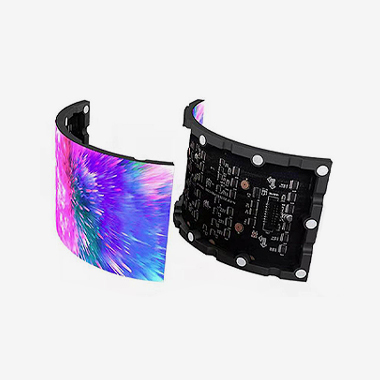
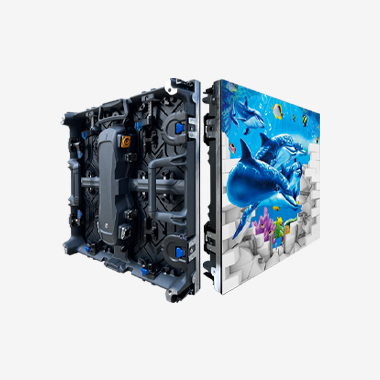
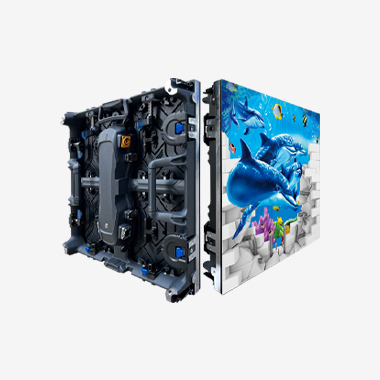
The design and construction of outdoor LED pantallas for advertising prioritize three core outdoor-specific goals: weather durability, visibility in harsh lighting, and structural stability—all tailored to withstand unforgiving outdoor conditions while delivering impactful ads. At the heart of the system is the modular LED panel, the building block for large pantallas. Panels are typically 500x500mm or 600x600mm, with rugged aluminum alloy frames (6–8kg per panel) to resist corrosion from rain, humidity, and salt air (critical for coastal locations).
A defining design element is weatherproofing: panels feature IP65/IP67 ratings, achieved via sealed edges, waterproof connectors, and moisture-resistant circuit boards. The front lens uses tempered glass (2–3mm thick) with anti-UV coatings to prevent color fading from prolonged sun exposure and anti-glare treatments to reduce reflection—ensuring ads remain visible in direct sunlight. For extreme climates, some panels include heating/cooling systems: ceramic heaters activate in sub-zero temperatures to prevent component freezing, while axial fans or heat sinks dissipate heat in hot weather (maintaining optimal operating temperatures for LED chips).
Pixel pitch is optimized for outdoor viewing distances: larger pitches (10–30mm) are used for highway billboards or tall building facades (viewed from 50+m away), prioritizing brightness over ultra-high resolution; smaller pitches (5–10mm) suit urban areas (e.g., city squares, bus stops) where audiences are 10–30m away, ensuring sharper ad details. The LED chip type is high-brightness 3-in-1 RGB SMD chips (luminous efficacy up to 150 lm/W), chosen for their ability to deliver vivid colors even in sunlight and their long lifespan (50,000+ operational hours).
Structural design varies by installation: free-standing pantallas (e.g., highway billboards) use steel support poles or concrete foundations to withstand wind loads (up to 120km/h, per regional building codes); wall-mounted pantallas (e.g., building facades) use reinforced brackets to distribute weight evenly and resist wind shear. The control system is housed in weatherproof enclosures, with wireless connectivity (4G/5G or Wi-Fi 6) for remote content updates and monitoring. Power supplies include surge protection to guard against lightning strikes or voltage fluctuations, a common outdoor risk. Finally, maintenance access is integrated—panels are designed for easy removal (via quick-lock mechanisms) to replace faulty components without disassembling the entire pantalla, minimizing downtime for advertisers.
Outdoor LED pantallas for advertising operate through an outdoor-optimized workflow of content management, signal processing, and dynamic illumination—all designed to deliver consistent, high-visibility ads in variable outdoor conditions. At its core, the system integrates three key components: the LED display (for visual output), a remote content management system (CMS), and environmental adaptation tools (for brightness/weather adjustments).
The process begins with content preparation and scheduling. Advertisers use a cloud-based CMS (e.g., Broadsign, Ayuda) to upload ad content (videos, animations, static images) and schedule playback—for example, a coffee brand might run morning ads for breakfast combos and evening ads for specialty drinks. The CMS supports multi-advertiser rotation (e.g., 10-second slots for 6 different brands) and real-time updates, allowing advertisers to adjust campaigns instantly (e.g., promoting a flash sale during peak foot traffic).
Next, signal distribution occurs. The CMS sends encrypted content to a sending box (housed in the pantalla’s weatherproof control unit). The sending box splits the high-resolution content stream into segments—one for each LED panel—ensuring alignment across large pantallas (e.g., a 20-panel video wall). For outdoor reliability, signals are transmitted via industrial Ethernet cables (resistant to moisture and interference) or wirelessly (4G/5G) for hard-to-reach locations (e.g., remote highway billboards).
Dynamic illumination is optimized for outdoor visibility. Each panel’s receiving card converts the digital signal into analog current, which drives RGB LED diodes. The diodes’ intensity is adjusted to reproduce vibrant ad colors, with high brightness (5,000–10,000 nits) ensuring visibility in sunlight. A critical outdoor-specific principle is automatic brightness adjustment: built-in light sensors measure ambient light levels (e.g., midday sun vs. dusk) and trigger the control system to dim or brighten the pantalla—reducing energy use at night (by 30–50%) and avoiding glare that could distract drivers or pedestrians.
Refresh rate (300–600Hz) is calibrated to prevent flicker, which is essential for both audience comfort and camera compatibility (e.g., avoiding rolling bars in TV news footage of city pantallas). Redundancy systems ensure uninterrupted advertising: backup sending cards activate if the primary unit fails, and local content storage (on the control unit) maintains playback if internet connectivity is lost. Together, these principles ensure outdoor LED pantallas deliver reliable, high-impact ads that adapt to changing outdoor conditions while maximizing advertiser ROI.
Outdoor LED pantallas for advertising offer transformative advantages for advertisers and media owners, but they also present unique challenges tied to outdoor operations and investment costs.
Key Advantages:
Superior Visibility and Engagement: Unlike static billboards, outdoor LED pantallas deliver bright, dynamic content that cuts through outdoor clutter (e.g., traffic, competing ads). Their high brightness (5,000–10,000 nits) ensures visibility in direct sunlight, while video/animation content generates 2–3x more audience attention than static images (per DOOH industry studies). For example, a car brand’s video ad showcasing a vehicle’s features is more likely to stop pedestrians or drivers than a static photo, increasing brand recall and message retention.
Flexibility and Real-Time Campaign Control: Advertisers can update content remotely via a CMS in minutes—no need for costly, time-consuming physical replacements (as with printed billboards). This agility is critical for time-sensitive campaigns: a restaurant can promote a “lunch special” during midday hours, or a retailer can launch a flash sale ad within minutes of deciding to run it. Media owners also benefit from multi-advertiser rotation, maximizing revenue by selling multiple time slots on a single pantalla.
Measurable ROI and Targeting: Advanced outdoor LED pantallas integrate with analytics tools (e.g., foot traffic counters, camera-based audience measurement) to track campaign performance. Advertisers can measure metrics like view count, dwell time, and even demographic data (e.g., age/gender of viewers), enabling data-driven optimizations (e.g., adjusting ad timing to target commuters). This measurability addresses a longstanding limitation of traditional outdoor advertising, where ROI was often hard to quantify.
Long Lifespan and Cost Efficiency Over Time: While upfront costs are high, outdoor LED pantallas have a lifespan of 50,000–100,000 operational hours (5–10 years of daily use), significantly longer than printed billboards (which need replacement every 3–6 months) or neon signs (10,000–20,000 hours). Over time, this reduces long-term costs: media owners save on printing and installation fees, while advertisers benefit from consistent ad quality without frequent maintenance interruptions.
Notable Challenges:
High Initial Investment and Installation Costs: The upfront cost of outdoor LED pantallas is substantial— a 20m² highway pantalla can cost \(50,000–\)100,000, plus installation fees (which include structural engineering, permits, and utility connections). For small media owners or local advertisers, this cost can be prohibitive, limiting access to the technology. Ongoing costs (electricity, CMS subscriptions, maintenance) add to the financial burden, especially for large pantallas (which can use 500–1,000W of power daily).
Weather-Related Risks and Maintenance: Despite weatherproofing, extreme outdoor conditions can cause damage: heavy rain may seep into connectors (even with IP ratings), high winds can stress structural supports, and lightning strikes can fry control systems. Regular maintenance is required—cleaning the front lens (to remove dust, bird droppings, or pollution), inspecting wiring, and replacing faulty LEDs—which is logistically challenging for tall or remote pantallas (e.g., highway billboards requiring aerial lifts) and adds to operational costs.
Regulatory and Zoning Restrictions: Many cities have strict regulations governing outdoor LED pantallas—limiting brightness (to prevent light pollution), restricting size/placement (e.g., banning pantallas near residential areas or historic districts), and capping operating hours (e.g., turning off ads after 10 PM). For example, Los Angeles requires outdoor LED pantallas to dim to 50% brightness after dusk, while some European cities prohibit large pantallas in city centers to preserve urban aesthetics. Navigating these regulations can delay installation and limit campaign reach.
Content Compliance and Driver Distraction Concerns: Ads on outdoor LED pantallas must comply with local advertising laws (e.g., no offensive content, clear disclaimers for promotions) and avoid distracting drivers. Fast-paced animations, flashing colors, or bright text near highways can increase accident risks, leading to stricter content guidelines (e.g., limiting animation speed to 2 frames per second). This restricts creative freedom for advertisers and may reduce ad impact if content is overly simplified.
Outdoor LED pantallas for advertising are widely used across diverse outdoor environments, with applications tailored to audience behavior and campaign goals. Meanwhile, emerging technologies promise to expand their capabilities, making outdoor advertising more targeted, interactive, and sustainable.
Key Applications:
Highway and Roadside Advertising: The most common application, highway pantallas target commuters and long-distance travelers. These large-format displays (10–30m²) use 15–30mm pixel pitches and are placed 500m+ from highways, ensuring visibility to passing vehicles. Advertisers (e.g., automotive brands, fast-food chains, fuel companies) run short, impactful ads (5–10 seconds) that are easy to absorb at high speeds—for example, a fast-food chain promoting a drive-thru meal or a tire brand highlighting safety features.
Urban City Centers and Plazas: City center pantallas (5–20m²) with 5–15mm pixel pitches target pedestrians, shoppers, and public transit users. Located in squares, shopping districts, or near public transport hubs (e.g., subway exits, bus stops), they run longer ads (10–30 seconds) with more details—e.g., a retail brand showcasing a new collection, a movie theater promoting upcoming releases, or a local café advertising daily specials. Many city pantallas also integrate social media (e.g., displaying user posts with a brand hashtag) to boost engagement.
Stadiums and Event Venues: Outdoor pantallas at sports stadiums (e.g., football, soccer, baseball) and event venues (e.g., music festivals, trade shows) target event attendees. These displays (5–15m²) are placed near entrances, parking lots, or outdoor concourses, running ads for event sponsors (e.g., beverage brands, sports apparel companies) or local businesses (e.g., restaurants near the venue). During events, they may also display real-time updates (e.g., game scores, event schedules) to keep audiences engaged.
Transit Hubs and Airports: Airports, train stations, and bus terminals use outdoor pantallas to target travelers. Located near terminal entrances, parking garages, or transit lines, these displays (3–10m²) run ads for travel-related brands (e.g., airlines, hotels, rental car companies) or duty-free retailers. For example, an airport pantalla might promote a luxury hotel near the destination or a duty-free shop’s perfume sale, capitalizing on travelers’ purchasing intent.
Future Trends:
AI-Driven Audience Targeting and Content Optimization: AI will enable outdoor LED pantallas to deliver hyper-targeted ads based on real-time audience data. Cameras integrated with the pantalla will analyze passing crowds (via computer vision, without storing personal data) to identify demographics (age, gender) or behaviors (e.g., families with kids, business travelers) and trigger relevant ads—e.g., a toy brand ad when families pass by or a laptop ad for business travelers. AI will also optimize content timing, displaying high-conversion ads during peak foot traffic (e.g., morning commutes for coffee brands).
Interactive and Immersive Features: Future pantallas will support interactive elements to boost engagement. Touchless gesture control (via cameras) will let pedestrians interact with ads—e.g., waving to “flip” through a product catalog or pointing to select a promotion. Augmented reality (AR) integration will let users scan a QR code on the pantalla with their phones to unlock AR experiences (e.g., trying on a virtual watch or visualizing a car in their driveway), bridging outdoor ads with mobile engagement.
Sustainability and Energy Efficiency: As advertisers prioritize eco-friendly practices, outdoor LED pantallas will adopt sustainable designs. This includes using solar panels (integrated into the pantalla’s structure) to power the display, reducing reliance on grid electricity; using recyclable materials (e.g., aluminum frames, biodegradable cables) in construction; and implementing “energy-neutral” systems (where excess solar power is fed back into the grid). Some pantallas may also use kinetic energy (from passing traffic or pedestrians) to supplement power.
5G-Enabled Real-Time Connectivity and Programmatic Advertising: 5G connectivity will enable faster content updates and support programmatic advertising—where ads are bought and sold in real time via automated platforms. This will let advertisers bid on ad slots dynamically (e.g., paying more for peak-hour slots during a city festival) and update content instantly based on real-time data (e.g., a weather app triggering a raincoat ad when rain is forecast). 5G will also support higher-resolution content (4K/8K) on large pantallas, enhancing ad quality without lag.
Conclusion
Outdoor LED pantallas display signage for advertising has revolutionized the outdoor advertising industry, replacing static, one-dimensional billboards with dynamic, data-driven platforms that deliver high-visibility, engaging ads across diverse outdoor environments. Its core strength lies in its ability to adapt to outdoor challenges—weather, lighting, and audience mobility—while meeting modern advertiser needs: flexibility, measurability, and engagement. From highways to city centers, these pantallas have become integral to DOOH strategies, helping brands cut through clutter, target audiences in real time, and quantify the impact of their outdoor campaigns.
While challenges like high upfront costs, regulatory restrictions, and weather-related risks persist, they are being addressed by innovation: AI-driven targeting is making ads more relevant, sustainable designs are reducing environmental impact, and 5G is enabling faster, more flexible content management. These advancements are not just improving the technology—they are redefining what outdoor advertising can be, turning static spaces into interactive, connected hubs that bridge the gap between physical and digital marketing.
In essence, outdoor LED pantallas are more than just advertising tools—they are strategic assets that help advertisers and media owners thrive in an increasingly competitive landscape. As technology continues to evolve, they will play an even larger role in outdoor advertising, enabling more personalized, immersive, and sustainable campaigns that resonate with audiences and drive long-term brand value. For the future of outdoor advertising, outdoor LED pantallas are not just a trend—they are the foundation.


Copyright © 2026 Shenzhen Cogo Technology Co.,Ltd.
All Rights Reserved

 Previous article