




 Chat Now
An exterior LED display wall is a large-scale, free-standing or building-mounted electronic visual communication system designed for outdoor use. Unlike their interior counterparts, these robust structures are engineered to withstand the elements while delivering vibrant, high-impact content to audiences in public spaces. They have transformed from simple, monochromatic message boards into colossal, high-definition digital canvases that dominate urban skylines, adorn stadium exteriors, and define the visual identity of commercial districts. This overview explores the essence of exterior LED walls, their evolution, core components, and their profound impact on advertising, architecture, and public information.
The fundamental purpose of an exterior LED wall is to communicate visually in an outdoor environment where challenges like bright sunlight, rain, wind, and temperature extremes are constant factors. To achieve this, these displays are built with a primary focus on durability and brightness. The core technology remains the Light Emitting Diode (LED), but the implementation is significantly more rugged than indoor systems. The journey of exterior LED technology began in the late 1970s and early 1980s with basic, low-resolution displays used for stock tickers, simple time and temperature readouts, and rudimentary advertising. These early systems were often incandescent or used early-generation LEDs that were dim, power-hungry, and offered limited color.
The technological leap came with the development of brighter and more efficient LEDs, particularly the advent of high-brightness blue LEDs in the 1990s, which finally enabled the creation of true full-color RGB (Red, Green, Blue) displays. This breakthrough, coupled with advancements in computer control and video processing, allowed for the transition from text to dynamic video content. The iconic NASDAQ Tower in New York City's Times Square, unveiled in 1999, was a watershed moment. Its massive, curved display became a global symbol of digital media's potential, proving that exterior walls could be more than just billboards—they could be architectural landmarks and powerful brand statements.
A modern exterior LED wall is a complex system comprising several key components:
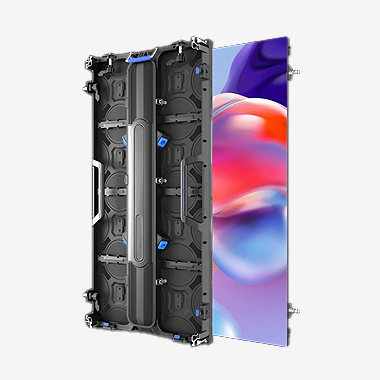
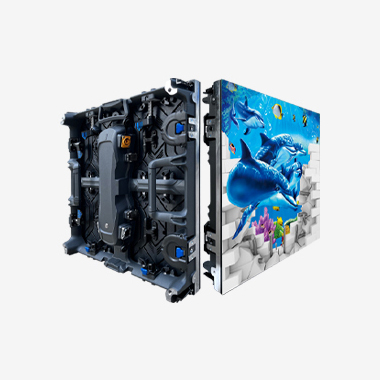
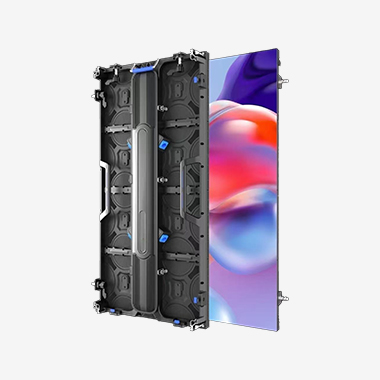
LED Modules and Cabinets: The building blocks. Modules contain the clusters of LEDs mounted on a circuit board. These are housed in heavy-duty, weatherproof cabinets (typically aluminum) that provide structural integrity, thermal management, and environmental protection.
High-Brightness LEDs: Specifically designed to output thousands of nits (a unit of luminance) of light to overcome direct sunlight and remain clearly visible even at noon on a sunny day.
Environmental Sealing: Cabinets are rated with an Ingress Protection (IP) code, such as IP65 or IP67, indicating they are dust-tight and protected against powerful jets of water (IP65) or even temporary immersion (IP67).
Structural Frame and Rigging: A heavy-duty steel framework that supports the entire array of cabinets. This structure must be engineered to handle high wind loads, seismic activity (in some regions), and its own significant weight. It is either free-standing or securely anchored to a building's façade.
Video Processor and Control System: The "brain" of the operation. It manages content input, formats the video signal to the wall's native and often non-standard resolution, handles color calibration, and outputs the data to the individual cabinets. Control is typically remote, via network connections.
Power Supply and Distribution: Exterior walls consume substantial electricity and require dedicated, high-amperage power circuits. They incorporate sophisticated power distribution units with surge protection to guard against lightning strikes and power grid fluctuations.
The applications of exterior LED walls are vast and growing. Their primary use is in out-of-home (OOH) advertising, where they offer dynamic, programmable content that can be updated instantly across a network of displays. This allows for dayparting (showing coffee ads in the morning and restaurants in the evening), real-time campaigns, and higher engagement rates compared to static billboards. Beyond advertising, they are integral to sports and entertainment venues, providing exterior excitement, wayfinding, and live event coverage to crowds outside the arena. They serve as public information hubs in city centers, broadcasting news, emergency alerts, and community messages. Architecturally, they are used as digital façades or "media architecture," turning buildings into dynamic works of art that can change their appearance for holidays, special events, or artistic displays.
In summary, the exterior LED display wall has evolved into a dominant medium in the urban landscape. It represents the convergence of display technology, structural engineering, software, and creative content. It is a tool for commerce, a platform for public discourse, and an element of modern architectural design. From its humble beginnings as a simple message board, it has grown into a powerful and ubiquitous feature of our cities, capable of capturing attention, conveying information, and transforming the nightscape with its luminous glow.
The design and construction of an exterior LED display wall is a discipline of extremes. It demands a meticulous balance between achieving brilliant visual performance and ensuring unwavering resilience against a hostile outdoor environment. Every component, from the smallest diode to the massive support structure, is engineered to a higher standard than indoor equivalents, prioritizing durability, reliability, and safety above all else. This section deconstructs the physical and architectural considerations that go into building these monumental digital structures.
The process begins with the most critical visual component: the LED itself. For exterior use, LEDs are selected for one paramount characteristic: luminance, measured in nits (candelas per square meter). Standard indoor LEDs might output 1,000-2,000 nits; a typical exterior LED must produce between 6,000 and 10,000 nits to compete with direct sunlight. This requires specialized, high-output diode chips and robust packaging to handle the increased electrical current and subsequent heat generation.
These LEDs are mounted onto printed circuit boards (PCBs) to form modules. The pixel pitch—the distance from the center of one LED cluster (pixel) to the center of the next—is a primary design driver. For exterior walls, pixel pitch is much larger than indoor walls, typically ranging from P6mm to P20mm or even higher. This is because the viewing distance is much greater. A finer pitch is unnecessary and economically and technically prohibitive due to the immense cost, power requirements, and heat generated by millions of ultra-bright LEDs packed closely together. The chosen pitch is a careful calculation based on the average and minimum expected viewing distance of the target audience.
The modules are housed in cabinets, which are the fundamental structural and protective units. Exterior cabinets are marvels of engineering:
Material and Build: Constructed from die-cast aluminum or heavy-gauge aluminum alloy for an optimal strength-to-weight ratio and superior corrosion resistance. They are far more robust than indoor cabinets.
Environmental Sealing: Each cabinet is rigorously sealed to meet at least an IP65 rating. This involves silicone gaskets at every seam, sealed cable connectors, and protective measures for all access points. This sealing prevents dust, moisture, and corrosive pollutants from penetrating the interior and damaging sensitive electronics.
Thermal Management: This is arguably the greatest engineering challenge. The high-brightness LEDs generate immense heat. Unlike indoor cabinets that may use passive cooling, exterior cabinets almost always employ active cooling systems. These incorporate fans, heat sinks, and air vents designed to create a constant flow of air to dissipate heat. Crucially, these systems use IP-rated fans and labyrinthine vent paths that allow air to flow for cooling while blocking the ingress of water. In very dusty or cold environments, some systems use closed-loop convective cooling or even air conditioning units within the cabinet structure.
Front Surface: The LEDs are protected by a facemask or a layer of black epoxy, which often includes an anti-glare and anti-reflective treatment. This "black face" technology improves contrast ratio by reducing the reflection of ambient sunlight off the display surface, making the emitted light appear more vivid.
The cabinets are mounted onto a support structure, which is a significant civil engineering project in itself. This structure, typically made of hot-dip galvanized steel to prevent rust, must be designed to withstand:
Wind Load: The single greatest structural force. A large display wall acts like a sail. Engineers calculate the maximum expected wind speed for the location (often requiring survival in 120+ mph winds) and design the structure and its foundations accordingly. This often includes a calculated "wind gate" where the display must be shut down during hurricane-force winds to prevent damage.
Dead Load: The sheer weight of the LED cabinets, which can be immense for a large display, often totaling tens of tons.
Seismic Load: In earthquake-prone zones, the structure must be designed to flex and absorb energy without collapsing.
Snow and Ice Load: In northern climates, the structure must support the accumulated weight of snow and ice.
For building-mounted applications (BMD), a detailed structural analysis of the host building is mandatory. Engineers must determine if the building's façade and internal framework can support the added weight and wind load transferred by the LED structure. Reinforcements to the building's steelwork are often required.
Finally, design extends to maintenance and serviceability. Exterior walls are designed for front-service or rear-service access. Front-service designs are crucial for building-mounted applications where the rear is inaccessible. They allow technicians to safely replace modules and components from the front using rope access or scaffolding, without needing to dismantle large sections of the wall.
In conclusion, the design and construction of an exterior LED wall is a multidisciplinary effort that blends electronic engineering, mechanical design, materials science, and civil structural engineering. It is a process of creating a visually stunning instrument that is also a fortress, built to deliver flawless performance 24/7 while enduring the relentless punishment of the open air. The final product is a testament to precision engineering, where every gasket, every heat sink, and every bolt is purpose-built to create a reliable and captivating visual landmark.
The operation of an exterior LED display wall is a continuous battle against a dynamic and challenging environment. While the core principle of using PWM to control LEDs remains the same as indoor walls, every stage of the process is hardened and optimized for outdoor reliability, long-distance visibility, and control over vast networks. This section details the functional pipeline that transforms a content idea into a durable, visible spectacle under the open sky.
The workflow begins, as always, with content creation. However, content for exterior walls has unique considerations. Designers must account for the very large pixel pitch and long viewing distances. Graphics need to be bold, with large text and simple, high-contrast elements. Fine details and small text will be lost. Color saturation is also key, as ambient sunlight can wash out pastel colors. The content is typically crafted at a resolution that matches or is a multiple of the wall's native resolution to avoid undesirable scaling artifacts.
The created content is managed and scheduled by a Content Management System (CMS). This is a server-based software platform that allows operators to create playlists, schedule ads to run at specific times (dayparting), and even trigger content in real-time based on data feeds (e.g., sports scores, weather, stock prices). The CMS can manage a single display or a entire network of displays across a city or country, pushing updates remotely and monitoring status.
The CMS feeds the video signal to the video processor, the critical hardware brain of the display. For exterior applications, the processor has a more demanding role:
Brightness and Color Management: The processor continuously adjusts the overall brightness of the entire wall based on the ambient light conditions. An ambient light sensor, mounted on the display, provides real-time data. The processor will automatically ramp up the LED power to maximum during bright daylight and gradually dim it at night to save energy and reduce light pollution. This is a crucial function for efficiency and community relations.
Advanced Mapping and Calibration: The processor holds the calibration data for every single cabinet and module on the wall. Given the large size of exterior displays, there can be significant color and brightness variance from one end to the other due to manufacturing tolerances or sun exposure. The processor uses this data to apply corrective coefficients to the video signal, ensuring a uniform appearance across the entire massive canvas.
Redundancy and Reliability: Processors for critical exterior displays often feature redundant power supplies and hot-swappable components. In some high-availability setups, a backup processor runs in parallel, ready to take over instantly if the primary unit fails, ensuring the show always goes on.
The processed data is then distributed to the wall. Given the large physical size of exterior displays, the data network is a major consideration. The video signal is converted into data packets using protocols like Art-Net or sACN and sent over a network of fiber optic cables. Fiber is preferred for long-distance runs between the control room and the display structure because it is immune to electromagnetic interference (EMI) from power lines and is not vulnerable to lightning-induced surges like copper Ethernet cable.
This network connects to receiving cards located inside each weatherproof cabinet. Each receiving card is responsible for a specific section of the display. It interprets the data stream and uses Pulse-Width Modulation (PWM) to control the intensity of each red, green, and blue LED in its domain. The PWM frequency must be high enough to avoid flicker, which can be more noticeable in peripheral vision, especially for large, bright displays.
Power delivery is a monumental task. A large exterior wall can easily consume as much power as a small neighborhood. The cabinets are fed by heavy-duty, weatherproof power distribution units (PDUs) that break down the main high-voltage feed into usable low-voltage DC power for the modules. These PDUs are equipped with surge protection devices (SPDs) on both the power and data lines to shunt the enormous energy from a nearby lightning strike safely to ground, protecting the delicate electronics.
A critical and often overlooked subsystem is the monitoring and diagnostics network. Modern exterior LED walls are packed with sensors that report back to the CMS and control system. These sensors monitor:
Cabinet internal temperature and humidity
Power supply health and output voltage
Fan operational status
Individual LED health (some advanced systems can detect failed LEDs or failing sub-pixels)
This allows for predictive maintenance. Technicians can be alerted to a fan failure in a specific cabinet before it overheats and causes a major shutdown, or they can plan to replace a failing power supply during off-hours, maximizing uptime.
In essence, the working principle of an exterior LED wall is defined by resilience and automation. It is a self-aware system that constantly adjusts its output for optimal visibility, fiercely protects itself from environmental hazards, and reports its health status to ensure reliability. It is a robust data-to-light pipeline engineered to perform flawlessly in an environment that is actively trying to compromise it, ensuring that the message always shines through, day or night, rain or shine.
The adoption of exterior LED display walls offers a compelling value proposition, but it is a significant undertaking fraught with technical, financial, and regulatory hurdles. Understanding this balance of powerful advantages against serious challenges is crucial for any organization considering their deployment.
Advantages
Unmatched Impact and Visibility: The primary advantage is the ability to capture attention like no other medium. The combination of massive size, motion, bright light, and vivid color creates an unavoidable and memorable visual impression. This leads to high recall rates for advertisers and ensures public information messages are seen.
Dynamic and Flexible Content: This is the killer feature over static billboards. Content can be changed instantly, remotely, and as often as desired. This allows for:
Dayparting: Targeting audiences with contextually relevant ads (e.g., breakfast in the morning, dinner offers in the evening).
Real-Time Updates: Displaying live news, social media feeds, weather alerts, sports scores, or stock tickers.
Multiple Advertisers: A single display can host dozens of advertisers throughout the day, maximizing revenue potential.
Creative Freedom: Enabling animations, full-motion video, and interactive campaigns that engage audiences on a deeper level.
Potential for Higher Advertising Revenue: The dynamic nature and high impact of LED walls allow owners to charge a premium over static billboards. The ability to host multiple advertisers and charge for specific dayparts increases inventory and revenue streams significantly.
Operational Efficiency and Remote Management: Once installed, the entire network of displays can be managed from a central location. There is no need for physical installers to print, transport, and hang vinyl billboards, which is costly, time-consuming, and dangerous. Content updates are digital and instantaneous, reducing operational costs and allowing for agile marketing responses.
Durability and Long-Term Value: Well-constructed exterior LED walls are built to last. With a typical lifespan of 100,000 hours (10+ years) for the LEDs and robust construction, they represent a long-term asset. While the initial investment is high, the cost over time can be lower than the recurring material and labor costs of maintaining and updating static billboards.
Challenges and Disadvantages
Extremely High Initial Investment: The capital outlay is monumental. Costs include not just the LED modules, but the heavy-duty cabinets, the custom-engineered support structure, high-power electrical work, sophisticated control systems, and installation by specialized crews. This places the technology out of reach for many smaller businesses.
Substantial Ongoing Operational Costs:
Energy Consumption: These are power-hungry devices. The electricity cost to run a large wall 24/7 can be immense, though automatic dimming at night helps mitigate this.
Maintenance: Requires ongoing service contracts with highly trained technicians. Replacing modules, power supplies, and fans is an expected part of ownership. Maintenance can be especially costly and complex for building-mounted units that require rope access or scaffolding.
Complex Regulatory and Permitting Landscape: Installing an exterior LED wall is a regulatory minefield. It often requires permits from multiple agencies dealing with:
Zoning and Land Use: Is a digital sign permitted in that location?
Building and Safety: Does the structure meet engineering codes for wind and seismic loads?
Transportation: Will the sign cause driver distraction? Regulations often dictate minimum dwell times (how long a message must stay static), brightness limits at night, and even mandatory blackout periods.
Community Approval: Overcoming public opposition is a major hurdle. Concerns often focus on light pollution, aesthetics, and the "Times Squareification" of neighborhoods.
Light Pollution and Community Nuisance: This is a significant social challenge. Poorly managed brightness can create light trespass into adjacent homes and businesses, disturbing residents and obscuring the night sky. This can lead to complaints, negative press, and strict regulatory backlash. Responsible operators must diligently manage brightness schedules and engage with the community.
Driver Distraction and Public Safety: A compelling, dynamic display located near roadways can potentially distract drivers. This is a serious concern for traffic safety authorities and is a key factor in stringent regulations regarding content, placement, and flicker effects.
Vulnerability to Extreme Weather: Despite being built for the outdoors, no system is invincible. Hurricanes, tornadoes, severe hail, or lightning strikes can cause catastrophic damage, leading to expensive repairs and prolonged downtime. Insurance premiums for such assets are high.
Technical Complexity and Failure Points: The system has thousands of components—LEDs, power supplies, receiving cards, processors, fans, connectors—each representing a potential point of failure. A single failing component can create a visible black spot on the display, requiring prompt repair to maintain professional appearance and contractual obligations with advertisers.
In conclusion, an exterior LED wall is a high-risk, high-reward proposition. Its advantages in impact, flexibility, and revenue potential are transformative for the advertising and media industries. However, these benefits are counterweighted by daunting challenges in cost, regulation, public perception, and technical maintenance. Success is not guaranteed by the technology itself but by careful planning, community engagement, responsible operation, and a robust long-term maintenance strategy.
The application of exterior LED technology has expanded far beyond its original purpose as a digital replacement for the static billboard. It has become a tool for urban design, public safety, brand experience, and architectural expression. Simultaneously, the technology is continuously evolving, driven by demands for greater efficiency, better integration, and new creative possibilities. This section explores the diverse current applications and the emerging trends that will shape the next decade of digital outdoor displays.
Current Applications
Out-of-Home (OOH) Advertising and Digital Billboards: This remains the largest application. They are deployed along highways, in urban centers, and at major transportation hubs to deliver dynamic, targeted advertising to pedestrians and vehicular traffic. Networks of these displays allow for national campaigns to be rolled out instantly and uniformly.
Sports and Entertainment Venues: The exterior of modern stadiums, arenas, and racetracks are now as important as the interior. Massive LED wraps are used to build excitement, show live game action to fans outside, display scores, provide wayfinding, and serve as a monumental branding element for the venue and its sponsors. They transform the building itself into a beacon of entertainment.
Retail and Corporate Branding: Major brands use building-sized LED displays on their flagship stores and corporate headquarters as the ultimate brand statement. Apple's retail stores, for example, often feature massive, minimalist LED windows. This turns the architecture into a dynamic, brand-centric experience that can be updated to match marketing campaigns.
Public Information and Wayfinding: Used by municipalities and transportation authorities to display critical information. This includes emergency alerts (AMBER alerts, weather warnings), traffic conditions, public transit schedules, and directions in large public squares, airports, and train stations.
Architectural Enhancement and Media Facades: This is where art and technology merge. Architects are integrating LED technology directly into the fabric of buildings. This can take the form of:
Media Facades: Cladding a building in a mesh-like LED system that allows it to become a giant, low-resolution display while maintaining transparency and airflow.
Kinetic Facades: Incorporating LEDs into moving architectural elements.
Artistic Installations: Using LEDs to create large-scale public art that is dynamic and interactive.
Religious and Institutional Buildings: Churches, museums, and universities are adopting exterior LED signs to welcome communities, announce events, and share messages of inspiration or information with the public.
Future Trends
Finer Pixel Pitches for Closer Viewing: As LED technology becomes brighter and more efficient at the chip level, and as manufacturing costs decrease, we will see a trend towards finer pixel pitches (P4, P3, even P2.5) in exterior applications. This will allow for higher-resolution content and smaller, more numerous displays in urban environments where viewing distances are shorter.
Transparent LED Technology: Transparent LED mesh and glass-based products will see wider adoption. This allows for displays to be installed in front of building windows without completely blocking the view out or the natural light in. This is ideal for retail storefronts and airport concourses, maintaining architectural aesthetics while adding digital dynamism.
Increased Interactivity and Integration: Walls will become more interactive through integration with sensors and data.
Camera Integration: (With strict privacy safeguards) could allow for audience metrics or interactive games.
Mobile Integration: Using Bluetooth or WiFi, displays could interact directly with smartphones, allowing users to download offers, get more information, or even influence the content on the screen.
Real-Time Data Fusion: Content will be more context-aware, automatically changing based on live data feeds for weather, traffic, news, or social media trends.
Sustainability Focus: The drive for energy efficiency will intensify. This will be achieved through:
More Efficient LED Chips: Generating more light per watt of power consumed.
Improved Power Supplies: Higher efficiency rates in converting AC to DC power.
Smart Management: More sophisticated ambient light sensors and scheduling to minimize power use during off-peak hours. Some systems may integrate solar panels to offset a portion of their consumption.
Standardization and Modularity: The industry will likely move towards more standardized components and form factors, making systems more modular and easier to repair and upgrade. This could reduce long-term ownership costs and simplify the supply chain.
Advanced Content through AI and AR: Artificial Intelligence will be used to optimize content in real-time for maximum engagement or to automatically adjust to conditions. Furthermore, the line between physical and digital will blur with Augmented Reality (AR). An exterior LED wall could act as a marker or trigger for AR experiences on a user's phone, creating a layered interaction between the public display and personal devices.
The future of the exterior LED wall is not just as a standalone screen, but as an intelligent, connected node in the urban Internet of Things (IoT). It will be a interactive portal that provides information, entertainment, and advertising while responding intelligently to its environment and the people around it. It will become a more integrated, sustainable, and sophisticated element of our shared public spaces.
Conclusion
The exterior LED display wall has cemented its place as a defining feature of the 21st-century landscape. It is a technology that has evolved from a novel gadget into a powerful medium for commerce, communication, and art. Its journey reflects a broader societal shift towards digitalization, dynamic information, and experiential environments. As we stand today, it is clear that these luminous structures are not a passing trend but a permanent and evolving element of our urban fabric.
The significance of the exterior LED wall lies in its unique duality. It is simultaneously a tool of immense practical utility and a platform for pure creative expression. On one hand, it serves critical functions: it drives economic activity through advertising, delivers vital public safety information, and guides people through complex spaces. It does this with an efficiency and flexibility that static media simply cannot match. On the other hand, it has given rise to a new form of public art and architectural expression. The ability to transform the face of a building into a dynamic canvas has empowered architects and artists to reimagine cities as fluid, changing entities, capable of reflecting cultural moments, celebrating holidays, and showcasing digital artistry on a grand scale.
However, its path forward must be navigated with responsibility and foresight. The challenges it presents—light pollution, energy consumption, driver distraction, and visual clutter—are not trivial. The industry's long-term success and social license to operate depend on its commitment to addressing these issues proactively. This means embracing smarter, more adaptive technologies that respect the night-time environment, engaging transparently with communities to mitigate concerns, and adhering to the highest standards of safety and ethics in design and operation.
The future of the exterior LED wall is one of intelligent integration. It will become less of a solitary billboard and more of an interactive node within the smart city ecosystem. It will communicate with other devices, personalize content based on anonymized data, and respond in real-time to its surroundings. The technology itself will continue to advance, becoming more energy-efficient, with higher resolution and new form factors like transparent and flexible displays that further blur the line between the digital and the physical world.
In conclusion, the exterior LED display wall is a testament to human ingenuity and our desire to inform, persuade, and dazzle. It has transformed the way brands communicate with consumers, how cities communicate with citizens, and how artists engage with the public realm. Its bright light is a symbol of the digital age's vibrancy and its constant flow of information. As the technology continues to evolve, its potential to enhance our shared spaces is limitless, provided it is deployed with careful consideration, creative vision, and a deep respect for the community it serves. The digital façade is here to stay, and its story is still being written, one brilliant pixel at a time.


Copyright © 2026 Shenzhen Cogo Technology Co.,Ltd.
All Rights Reserved

 Previous article