




 Chat Now
A waterproof exterior LED display wall is a specialized digital display system engineered to withstand harsh outdoor environmental conditions—primarily rain, snow, humidity, and dust—while delivering high-quality visual content for long-term outdoor use. Unlike standard indoor LED walls (which lack weather protection) or temporary outdoor LED setups (which require additional waterproof covers), this technology integrates permanent waterproofing into its core design, making it suitable for year-round installation in locations like building facades, outdoor advertising billboards, stadium exteriors, and public square installations.
At its core, the system’s defining feature is its robust waterproof rating—typically IP65 (protected against low-pressure water jets from any direction) to IP68 (fully submersible in water for short periods)—ensuring no moisture penetrates critical components like LED chips, control boards, or power connections. Key specifications are optimized for outdoor performance: brightness levels range from 6,000–15,000 nits to combat direct sunlight glare, pixel pitches span 4mm–20mm (with smaller pitches for medium-range viewing, e.g., building facades, and larger pitches for distant viewing, e.g., highway billboards), and refresh rates of 120Hz+ ensure smooth video playback for passersby or camera capture (e.g., live event streams).
In recent years, demand for waterproof exterior LED display walls has grown rapidly, driven by the expansion of smart cities, outdoor digital advertising, and public art installations. According to industry reports, the global outdoor LED display market is projected to grow at a CAGR of 18–22% through 2030, with waterproof models accounting for over 70% of installations. For example, a major city’s downtown area might install a 20x10m waterproof LED wall on a historic building facade to display public service announcements, cultural content, and sponsored ads—operating 24/7 regardless of rain or snow. A sports stadium could use a 50x8m waterproof wall along its exterior to showcase game highlights, ticket promotions, and fan content, enhancing the venue’s visibility year-round.
What sets this system apart is its balance of durability and performance. Unlike temporary outdoor displays that require seasonal disassembly or maintenance, waterproof exterior LED walls are designed for 5–10 years of continuous outdoor operation with minimal upkeep. They support a wide range of content formats, including 4K videos, real-time data feeds (e.g., weather, traffic), and interactive elements (e.g., touchless sensors for public engagement), making them versatile for both commercial and public sector applications. As urban areas increasingly adopt digital infrastructure to enhance public spaces and brand visibility, the waterproof exterior LED display wall remains a critical solution—blending weather resilience with dynamic visual communication.
The design and construction of a waterproof exterior LED display wall prioritize one non-negotiable goal: complete moisture exclusion from all critical components. Every phase—from material selection to assembly—incorporates waterproofing technologies, while also ensuring structural stability, thermal management, and long-term durability in outdoor environments.
Component Design: Waterproofing at the Core
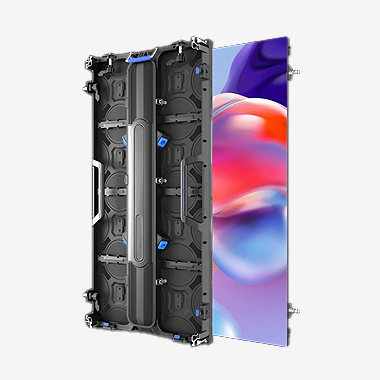
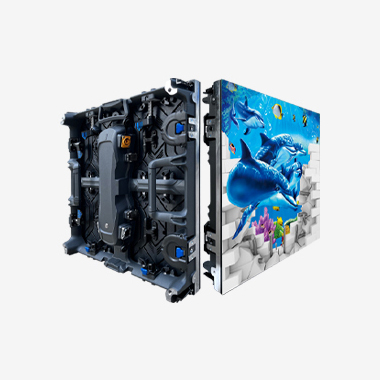
LED panels are the system’s foundation, and their design revolves around IP-rated enclosures. Each panel features a one-piece aluminum alloy frame with a seamless, laser-welded construction to eliminate gaps where moisture could seep in. The front surface uses a 5–8mm thick tempered glass cover with an anti-glare coating (to reduce sunlight reflection) and a silicone rubber gasket around its perimeter—compressed tightly against the frame to create a waterproof seal. The rear of the panel includes a vented, waterproof backplate with IP68-rated breathable membranes: these membranes allow heat and moisture vapor to escape (preventing condensation buildup inside the panel) while blocking external water droplets.
Inside the panel, critical components are further protected. LED chips are mounted on metal-core printed circuit boards (MCPCBs) coated with a conformal silicone layer—this thin, flexible coating acts as a barrier against moisture, dust, and corrosion. Control boards (receiving cards) are housed in waterproof plastic enclosures filled with potting compound (a polyurethane resin that hardens to encapsulate the board, sealing out all moisture). Power connections between panels use IP68-rated waterproof connectors with threaded, locking mechanisms and O-ring seals—ensuring no water enters the cable junctions even during heavy rain.
Structural Framework: Stability and Weather Resistance
The support framework is engineered to withstand outdoor hazards like wind, snow loads, and temperature fluctuations, while also complementing the waterproof design. For building facade installations, the framework uses corrosion-resistant stainless steel or galvanized steel rails mounted to the building’s structure with heavy-duty anchors. These rails include integrated cable channels to route power and data cables—protected by waterproof, UV-resistant conduit—to prevent exposure to the elements. For free-standing installations (e.g., highway billboards), the framework includes a concrete foundation extending 1–2 meters below ground (to resist wind uplift) and a steel truss structure rated to withstand wind speeds up to 150km/h and snow loads of 50kg/m².
Thermal management is integrated into the framework to prevent overheating in direct sunlight. The framework includes aluminum heat sinks attached to the rear of the LED panels, which dissipate heat generated by the LEDs (critical for maintaining performance in temperatures up to 60°C). For hot climates, some systems add fans or water-cooled loops to the framework—these cooling components are also waterproof, with fan housings rated IP65 and water lines using leak-proof, quick-connect fittings.
Installation and Quality Control: Ensuring Long-Term Waterproofing
Installation begins with a detailed site survey to assess exposure to water (e.g., roof runoff, standing water), wind direction, and sunlight intensity—all factors that influence the system’s final design. Technicians use specialized tools to ensure the framework is level and plumb (variations <1mm) to prevent water pooling on the panel surfaces. Panels are mounted using stainless steel bolts with waterproof washers, and the gaps between panels are sealed with UV-resistant silicone caulk to create a continuous waterproof barrier.
Quality control is rigorous to verify waterproofing performance. After installation, the entire system undergoes a “water test”: high-pressure water jets (simulating heavy rain) are directed at the panels, connectors, and cable junctions for 30 minutes. Technicians then inspect the interior of the panels (via access ports) for any signs of moisture—if even a single drop is detected, the affected component is replaced and the test is repeated. Additionally, the system undergoes thermal cycling tests (exposing it to -30°C to 60°C) to ensure waterproof seals remain intact under extreme temperature changes. This meticulous design and testing process ensures the waterproof exterior LED display wall maintains its moisture resistance for its entire 5–10 year lifespan.
The working principle of a waterproof exterior LED display wall revolves around three interconnected mechanisms: moisture exclusion (to protect components), adaptive outdoor performance (to combat environmental variables), and reliable content delivery (to ensure visibility in all conditions). Unlike indoor or temporary outdoor systems, this technology must operate seamlessly while repelling water, regulating temperature, and adapting to changing light levels—all critical for long-term outdoor use.
Stage 1: Moisture Exclusion Mechanisms
At the heart of the system’s operation is its ability to prevent water from reaching critical components. This is achieved through a multi-layer waterproofing system that works passively (no power required) to repel moisture:
Surface Barriers: The tempered glass front cover and seamless aluminum frame block water from entering the panel exterior. The anti-glare coating on the glass also reduces water spotting, ensuring content remains visible even during rain.
Sealed Connections: IP68-rated connectors between panels use O-ring seals and locking threads to create a watertight seal around cable junctions. These connectors are designed to be “self-sealing”—the more they are tightened, the tighter the O-ring compresses, preventing water ingress.
Encapsulated Components: Control boards and power supplies are encapsulated in potting compound, which acts as a physical barrier against moisture. The compound is also thermally conductive, allowing heat to escape while keeping water out.
Breathable Membranes: The rear of each panel includes IP68-rated breathable membranes that allow moisture vapor (generated by heat from the LEDs) to escape, preventing condensation buildup inside the panel. These membranes are one-way—they let vapor out but block water from entering.
During operation, these mechanisms work continuously to repel water, even in heavy rain or snow. For example, during a thunderstorm, water hitting the panel front is diverted by the anti-glare glass and silicone gaskets, while any water near the connectors is blocked by the O-ring seals. The breathable membranes ensure that heat from the LEDs doesn’t create condensation inside the panel, which could damage the electronics over time.
Stage 2: Adaptive Outdoor Performance
To maintain visibility and performance in outdoor conditions, the system uses sensors and automated controls to adapt to environmental changes:
Light Sensors: Mounted on the top of the display, these sensors measure ambient light levels (in lux) and adjust the LED brightness accordingly. For example, during midday sun (10,000+ lux), the system increases brightness to 12,000–15,000 nits to cut through glare; at dusk (1,000 lux), it dims to 4,000–6,000 nits to save energy and avoid light pollution.
Temperature Sensors: Embedded in the MCPCBs, these sensors monitor the temperature of the LED chips. If temperatures exceed 55°C (due to direct sunlight), the system activates cooling fans or water loops to lower the temperature—preventing brightness degradation or permanent damage. In cold temperatures (-10°C or below), the system increases the LED current slightly to maintain brightness (as cold temperatures can reduce LED output).
Wind and Snow Sensors: For free-standing installations, these sensors detect wind speed and snow accumulation. If wind speeds exceed 100km/h, the system reduces brightness (lowering power draw and wind resistance) and alerts maintenance teams to secure the framework. If snow accumulation exceeds 30kg/m², the system sends alerts to trigger snow removal.
Stage 3: Reliable Content Delivery
The system’s control architecture ensures consistent content playback despite outdoor challenges. A weatherproof, outdoor-rated media server (housed in an IP65 enclosure) processes content—videos, images, real-time data—and sends it to the LED panels via fiber optic cables (immune to EMI from nearby power lines and waterproof). The server uses error correction algorithms to fix corrupted data packets (caused by weather-related interference), ensuring no visual glitches.
Each panel’s receiving card (encapsulated in potting compound) decodes the data and uses Pulse-Width Modulation (PWM) at 120Hz+ to control the LED chips. PWM rapidly turns the LEDs on/off to create colors and brightness, ensuring smooth motion for videos even in bright sunlight. The cards also include “pixel compensation” technology—if a single LED fails (due to age or damage), the card adjusts the brightness of neighboring LEDs to mask the fault, ensuring the display remains visually consistent until the LED is replaced.
Remote monitoring software allows technicians to track the system’s performance from a central location—checking for moisture ingress, temperature issues, or LED failures. If a problem is detected, the software sends alerts and can even remotely adjust settings (e.g., dim brightness) to prevent further damage. This combination of moisture exclusion, adaptive performance, and reliable content delivery ensures the waterproof exterior LED display wall operates seamlessly in any outdoor condition.
Waterproof exterior LED display walls offer unique advantages that make them indispensable for long-term outdoor visual communication, but they also face inherent challenges tied to their outdoor operation and specialized design. Understanding these pros and cons is critical for organizations investing in outdoor digital infrastructure.
Key Advantages
1. Unmatched Weather Resilience and Longevity
The primary advantage is their ability to withstand harsh outdoor conditions year-round, eliminating the need for seasonal disassembly or protective covers. With IP65–IP68 ratings, these walls repel rain, snow, dust, and humidity, ensuring continuous operation even in extreme weather. For example, a waterproof LED wall installed on a coastal building can resist saltwater spray (a major cause of corrosion in standard outdoor displays) and operate reliably for 8–10 years—twice the lifespan of temporary outdoor setups. This longevity translates to lower long-term costs: while the upfront investment is higher, the system requires minimal maintenance (only quarterly cleaning and annual inspections) compared to temporary displays, which need monthly checks and replacement of damaged components. A study by the Outdoor Display Association found that waterproof exterior LED walls have a total cost of ownership 40–50% lower than temporary outdoor displays over a 5-year period.
2. High Visibility in All Outdoor Conditions
Waterproof exterior LED walls are optimized for outdoor visibility, with high brightness levels (6,000–15,000 nits) and anti-glare technology that ensures content remains readable even in direct sunlight. Unlike projectors (which fail in bright light) or standard LCD displays (which wash out), these walls maintain contrast and color accuracy in all lighting conditions. For example, a highway billboard using a waterproof LED wall with 10,000 nits of brightness is visible to drivers from 1km away, even during midday sun. The high refresh rate (120Hz+) ensures smooth video playback, making the content more engaging for passersby—studies show that waterproof LED walls capture 35–45% more viewer attention than static billboards or low-brightness displays.
3. Versatility for Diverse Outdoor Applications
These walls are highly versatile, adapting to a wide range of outdoor installations and content needs. They can be configured into custom sizes and shapes—from large building facades (50x10m) to curved billboards (15m diameter)—to fit unique architectural spaces. They support diverse content formats, including 4K videos, real-time data feeds (e.g., traffic, weather), interactive touchless content (e.g., public polls via smartphone QR codes), and even public art installations. For example, a city might use a waterproof LED wall in a public square to display live concert streams, weather alerts, and community announcements—switching between content types with a single control interface. For brands, this versatility means the same wall can display seasonal ads (e.g., summer sales, holiday promotions) and real-time updates (e.g., product launches) without hardware changes.
4. Low Maintenance and Operational Efficiency
Despite their outdoor location, waterproof exterior LED walls require minimal maintenance. The sealed design prevents dust and moisture from entering components, reducing the need for cleaning or repairs. The LED chips have a lifespan of 50,000–100,000 hours (5–10 years of continuous use), far longer than traditional outdoor display technologies like neon signs (which require bulb replacements every 2–3 years). Additionally, the adaptive brightness system (triggered by light sensors) reduces energy consumption by 30–40% compared to walls running at full brightness 24/7. For example, a 20x8m wall might use 8kW of power during midday but only 3kW at night, lowering electricity costs significantly. Remote monitoring software also reduces maintenance trips—technicians can diagnose issues (e.g., a dead pixel) from a central location and only visit the site when repairs are necessary.
Key Challenges
1. High Initial Cost and Installation Complexity
The specialized waterproof design and durable materials make waterproof exterior LED walls significantly more expensive upfront than indoor or temporary outdoor displays. A medium-sized waterproof wall (10x5m) can cost
60,000–120,000, including panels, framework, and installation—2–3 times more than a comparable temporary outdoor display. Installation is also complex and time-consuming: it requires structural assessments (to ensure the building or foundation can support the wall’s weight, 500–1,000kg for a 10x5m setup), waterproofing tests, and electrical upgrades (to handle the wall’s power needs, 5–10kW). For example, installing a wall on a historic building may require special permits and custom mounting solutions to avoid damaging the structure, extending the timeline to 4–6 weeks and increasing labor costs by 25–30%.
2. Thermal Management Challenges in Extreme Climates
While the system includes cooling components, extreme temperatures can still impact performance. In hot climates (temperatures above 60°C), even with fans or water cooling, the LED chips may overheat, leading to temporary brightness reduction or permanent damage. In cold climates (temperatures below -30°C), the waterproof seals may become brittle and crack over time, compromising moisture resistance. To mitigate these issues, organizations in extreme climates must invest in additional thermal protection—e.g., heat blankets for cold weather or enhanced water cooling for hot weather—adding
5,000–10,000 to the initial cost. Additionally, thermal cycling (rapid temperature changes) can cause the framework to expand and contract, leading to loose fittings that require regular tightening.
3. Light Pollution and Regulatory Restrictions
Outdoor waterproof LED walls are subject to strict regulatory restrictions on brightness and operating hours to prevent light pollution. Many cities limit outdoor display brightness to 3,000–5,000 nits after dark (e.g., London, Toronto) and prohibit operation between 11 PM and 6 AM (e.g., New York City, Singapore). These restrictions reduce the wall’s visibility and advertising value during peak nighttime hours—critical for brands targeting evening commuters. Navigating these regulations is time-consuming: permit applications can take 2–3 months to process, with fees ranging from
1,000–10,000. Non-compliance can result in fines (
500–5,000 per violation) or forced dimming of the wall, which diminishes its effectiveness.
4. Repair Difficulty and Downtime
While maintenance is low, repairs to waterproof exterior LED walls are more complex and time-consuming than indoor systems. If a panel or connector fails, technicians must first remove the waterproof seals (silicone caulk, locking connectors) to access the component—a process that can take 2–4 hours for a single panel. After repairs, the seals must be reinstalled and tested for waterproofing—adding another 1–2 hours. This extended repair time means the wall may be out of service for 1–2 days, which is costly for commercial applications like advertising billboards (where downtime can result in
1,000–5,000 in lost revenue per day). Additionally, sourcing replacement parts for waterproof systems can be challenging: specialized components like IP68 connectors or encapsulated control boards are not as readily available as standard indoor parts, leading to longer wait times for repairs. For critical installations like public safety announcement walls, this downtime can disrupt important communication with the public.
Waterproof exterior LED display walls are deployed across a wide range of outdoor scenarios, each leveraging their weather resilience and high-performance visuals to meet unique communication needs. As technology advances and urban environments become more digitized, future trends will expand their capabilities, making them even more versatile and integral to outdoor infrastructure.
Key Current Applications
1. Outdoor Digital Advertising and Billboards
Outdoor advertising is the largest application for waterproof exterior LED display walls, as brands seek to capture attention in high-traffic outdoor locations year-round. Highway billboards, building facade ads, and transit station displays all rely on these walls to deliver dynamic, eye-catching content that withstands rain, snow, and sun. For example, a global beverage brand might install a 15x8m waterproof LED wall along a busy highway to display rotating ads for its products—operating 24/7 regardless of weather. The wall’s high brightness (10,000–12,000 nits) ensures the ads are visible to drivers from 1km away, while its waterproof design means no downtime during rainstorms. Unlike static billboards, which require manual replacement of ads every 2–4 weeks, these walls allow brands to update content in real time—e.g., promoting a new flavor during a heatwave or a limited-time offer during holidays—maximizing advertising relevance and ROI.
2. Smart City Infrastructure and Public Spaces
Cities around the world are integrating waterproof exterior LED display walls into their smart city infrastructure to enhance public communication and engagement. Public squares, town centers, and transportation hubs use these walls to display real-time information like weather updates, traffic alerts, public safety announcements, and cultural event calendars. For example, a major city might install a 20x10m waterproof LED wall in its central square to broadcast emergency alerts (e.g., storm warnings, evacuation notices) during extreme weather, and switch to cultural content (e.g., art exhibitions, local music performances) during normal conditions. The wall’s waterproof design ensures it remains operational during emergencies, while its adaptive brightness system adjusts to daytime and nighttime lighting to avoid light pollution. Some cities also use interactive waterproof walls—equipped with touchless sensors or QR code integration—to let residents access city services (e.g., paying parking tickets, signing up for community events) directly from the display.
3. Sports Stadiums and Outdoor Venues
Sports stadiums and outdoor entertainment venues use waterproof exterior LED display walls to enhance the fan experience and generate additional revenue. Stadium exteriors often feature large waterproof walls (30x10m or larger) to display game highlights, ticket promotions, and sponsor ads—attracting fans before events and keeping them engaged after games. For example, a soccer stadium might use a 50x8m waterproof wall along its exterior to show live game feeds to fans waiting in line, or replay key moments after the game ends. The wall’s weather resilience is critical for outdoor venues, which host events year-round—from summer concerts to winter football games. Indoor-outdoor venues like amphitheaters also use smaller waterproof walls (8x5m) to display artist lineups, set times, and concession information, ensuring fans have access to important details even during rain showers.
4. Cultural and Art Installations
Museums, art galleries, and cultural organizations use waterproof exterior LED display walls to create immersive outdoor art installations that engage the public and showcase creative content. These walls are often installed in parks, plazas, or historic districts to transform public spaces into temporary art venues. For example, a contemporary art museum might commission an artist to create a 12x6m waterproof LED art installation in a city park—displaying dynamic, weather-responsive visuals that change with sunlight, rain, or wind. The wall’s waterproof design allows the installation to remain on display for months, even during inclement weather, while its high color accuracy (95%+ DCI-P3 gamut) ensures the artist’s vision is reproduced faithfully. These installations not only enhance public access to art but also boost tourism and community engagement—making them a popular choice for cities looking to revitalize public spaces.
Future Trends
1. Integration with Smart City IoT Ecosystems
Future waterproof exterior LED display walls will become fully integrated with smart city Internet of Things (IoT) ecosystems, enabling seamless data exchange and automated functionality. These walls will connect to city sensors (traffic, air quality, weather, crowd density) to display real-time, context-aware content. For example, a wall near a busy intersection could receive data from traffic sensors and automatically display congestion alerts or alternative route suggestions. In areas with poor air quality, the wall could show air quality indexes and health advisories. This integration will also enable remote management by city officials—who can update public safety messages, adjust brightness to reduce light pollution, or schedule maintenance from a central IoT dashboard. For brands, this means more targeted advertising: a restaurant ad could be triggered when crowd density sensors detect a large number of pedestrians nearby, increasing the likelihood of foot traffic.
2. Micro-LED Technology for Enhanced Performance and Efficiency
Micro-LED technology will revolutionize waterproof exterior LED display walls, offering significant improvements in brightness, energy efficiency, and durability. Micro-LEDs are tiny (less than 100 micrometers) self-illuminating chips that produce 2–3 times more brightness per watt than traditional LEDs. This will allow future waterproof walls to achieve brightness levels of 15,000–20,000 nits while consuming 30–50% less power—reducing electricity costs and environmental impact. Micro-LEDs also have a longer lifespan (100,000+ hours) and better resistance to extreme temperatures, making them ideal for harsh outdoor climates. Additionally, their small size will enable thinner, lighter panels—reducing the weight of the wall by 40–50% and making installation easier on older buildings or fragile structures. For example, a micro-LED waterproof wall could be installed on a historic building facade without requiring extensive structural reinforcement, preserving the building’s integrity while adding digital functionality.
3. Transparent and Flexible Waterproof Designs
Manufacturers will develop transparent and flexible waterproof exterior LED display walls, expanding their installation possibilities and aesthetic appeal. Transparent panels will use see-through LED technology that allows natural light to pass through, making them suitable for installation on store windows, glass building facades, or greenhouse walls. For example, a retail store could install a transparent waterproof LED wall on its front window to display product ads during the day, while still allowing customers to see inside the store. At night, the wall could dim and become more transparent, showcasing the store’s interior displays. Flexible panels will be made of bendable substrates (e.g., polymer films) that can be curved around architectural features like columns, domes, or circular billboards. A sports stadium could use flexible waterproof walls to line its curved exterior, creating a seamless 360° display for fans approaching the venue. These designs will make waterproof LED walls more visually integrated with their surroundings, reducing their impact on urban aesthetics while maintaining functionality.
4. Enhanced Sustainability and Circular Design
Sustainability will be a key focus in future waterproof exterior LED display walls, with manufacturers adopting circular design principles to reduce waste and environmental impact. Panels will be made from recyclable materials (e.g., aluminum frames, biodegradable encapsulants) and designed for easy disassembly—allowing components like LED chips, control boards, and connectors to be reused or recycled at the end of the wall’s lifespan. Some walls will integrate renewable energy sources, such as solar panels mounted on the framework or energy-harvesting technology that converts wind or rain energy into electricity—reducing reliance on the grid. Additionally, manufacturers will offer “energy-neutral” rental models for waterproof walls, where the energy used by the wall is offset through investments in renewable energy projects. For cities and brands with strong ESG (Environmental, Social, Governance) goals, these sustainable features will make waterproof exterior LED walls a more ethical choice for outdoor digital infrastructure.
Conclusion
The waterproof exterior LED display wall has emerged as a transformative technology in outdoor digital communication, addressing the long-standing challenge of delivering high-quality visuals in harsh outdoor conditions. By integrating robust waterproofing with high brightness, durability, and versatile content support, this technology has become indispensable for outdoor advertising, smart city infrastructure, sports venues, and cultural installations—enabling year-round operation regardless of rain, snow, or extreme temperatures.
From its core strengths—unmatched weather resilience, high visibility in all conditions, versatility across applications, and low long-term maintenance—the waterproof exterior LED display wall has redefined how brands, cities, and cultural organizations engage with audiences outdoors. Whether driving advertising revenue for businesses, enhancing public safety communication for cities, or creating immersive art for communities, this technology bridges the gap between digital content and the unpredictable outdoor environment.
While challenges like high initial costs, thermal management in extreme climates, regulatory restrictions, and repair downtime persist, future trends are actively mitigating these barriers. Integration with smart city IoT ecosystems will unlock automated, data-driven functionality; micro-LED technology will boost efficiency and durability; transparent/flexible designs will expand installation possibilities; and sustainability-focused engineering will align the technology with global eco-goals. These innovations not only resolve current limitations but also position the waterproof exterior LED display wall as a forward-thinking solution for the next generation of outdoor digital infrastructure.
Looking ahead, as urban areas continue to digitize and demand for dynamic outdoor communication grows, the waterproof exterior LED display wall will play an increasingly central role in shaping how we interact with public spaces. For organizations investing in long-term outdoor digital solutions, this technology represents a strategic choice—offering the durability, performance, and adaptability needed to thrive in a changing climate and evolving urban landscape.
In essence, the waterproof exterior LED display wall is more than a display system; it is a critical component of modern outdoor infrastructure—enabling seamless communication, enhancing public experiences, and driving innovation in how we use and enjoy outdoor spaces. Its continued evolution will ensure it remains a vital tool for brands, cities, and communities for decades to come.


Copyright © 2026 Shenzhen Cogo Technology Co.,Ltd.
All Rights Reserved

 Previous article