




 Chat Now
Large LED multimedia display signage for retail refers to oversized, high-resolution LED displays tailored to enhance in-store experiences, drive sales, and strengthen brand identity in retail environments. Unlike small-scale retail displays (e.g., countertop kiosks), these large-format solutions—typically 55 inches and above, often configured as video walls or floor-to-ceiling screens—serve as focal points in stores, malls, and flagship outlets. Their core purpose is to merge dynamic multimedia content (videos, animations, live feeds, and interactive elements) with retail goals: attracting foot traffic, showcasing products, explaining features, and creating immersive brand moments that differentiate physical stores from online shopping.
Key characteristics include ultra-high brightness (400–800 nits for indoor use, ensuring visibility under store lighting), wide color gamuts (covering 95%+ of the sRGB spectrum to accurately represent product colors), and seamless integration (minimal bezels for video walls to avoid disrupting visuals). These displays support diverse content types: high-definition product demos, customer testimonials, real-time inventory updates, and even interactive features like touch-enabled product finders or social media walls (displaying customer posts with brand hashtags).
Driven by the rise of “experiential retail”—where consumers seek more than just transactions—the demand for large LED retail signage has grown rapidly. Retailers from luxury brands (using large screens to showcase runway shows) to big-box stores (deploying video walls for seasonal promotions) rely on this technology to bridge the gap between online convenience and in-store immersion. By turning store walls into dynamic communication hubs, large LED multimedia signage helps retailers increase dwell time, boost customer engagement, and ultimately drive conversion rates.
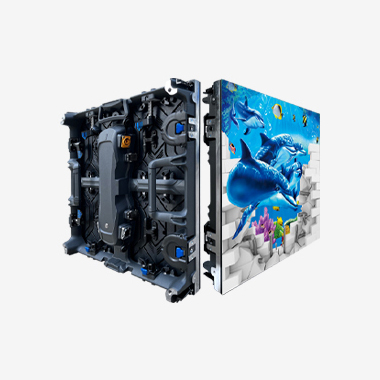
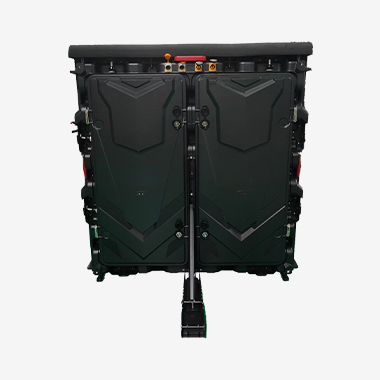
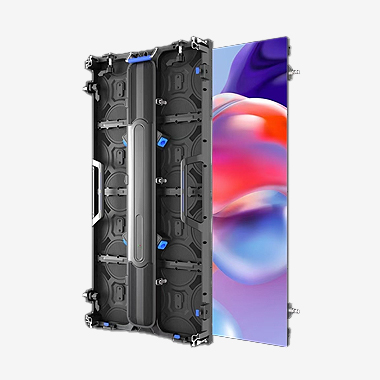
The design and construction of large LED multimedia display signage for retail prioritize three retail-specific goals: visual impact (to attract shoppers), durability (to withstand high foot traffic), and flexibility (to adapt to changing promotions). At the core is the modular LED panel system—the building block for large displays. Panels are typically 500x500mm or 600x600mm, with ultra-narrow bezels (0.5–2mm) to create seamless video walls, critical for maintaining visual continuity in retail spaces. Indoor retail panels use lightweight aluminum frames (3–5kg per panel) to reduce structural load, as they are often mounted on walls, ceilings, or free-standing frames.
Pixel pitch is a retail-focused design choice: smaller pitches (1.2–2.5mm) are used for close-viewing areas (e.g., fitting room corridors, product display walls) to ensure sharp product details, while larger pitches (3–5mm) work for high-ceiling spaces (e.g., mall atriums, store entrances) where viewers are farther away. The LED chip type is optimized for color accuracy—3-in-1 RGB SMD chips are standard, as they reproduce product hues (e.g., fabric tones, cosmetic shades) precisely, avoiding color distortion that could mislead shoppers.
Durability features cater to retail environments: panels have scratch-resistant front lenses (tempered glass) to withstand accidental bumps from shopping carts or customers, and anti-fingerprint coatings to keep screens clean with minimal maintenance. For interactive models (e.g., touch-enabled video walls), capacitive touch sensors are integrated into the panel surface, supporting 20+ touch points to handle multiple shoppers simultaneously.
The control system is designed for retail agility: a compact sending box connects to a retail POS (Point of Sale) system or content management platform, enabling real-time content updates (e.g., changing a sale banner when inventory shifts). Wireless connectivity (Wi-Fi 6 or 5G) allows remote management, so headquarters can update signage across multiple stores simultaneously. Power supplies include surge protection to avoid downtime during peak shopping hours, and cooling systems (passive heat sinks for indoor use) prevent overheating without adding noise that could disrupt the retail atmosphere. Finally, installation is tailored to store layouts—wall-mounted systems use reinforced brackets to support large weights, while free-standing video walls have stable bases to avoid tipping in crowded spaces.
Large LED multimedia display signage for retail operates through a retail-optimized workflow of content management, signal distribution, and dynamic rendering—all designed to deliver timely, visually consistent content that aligns with retail goals. At its core, the system integrates three key components: the LED display (for visual output), a retail-focused content management system (CMS), and a signal processing unit (for synchronization).
The process begins with content preparation and scheduling. Retailers use a CMS (e.g., Scala, ScreenCloud) to create or upload content tailored to promotions, seasons, or inventory. For example, a clothing retailer might schedule summer collection videos to play during June, or a electronics store could upload a new phone’s demo reel when stock arrives. The CMS allows for granular control: content can be scheduled to play at specific times (e.g., morning vs. evening) or triggered by events (e.g., a sale banner that activates when a POS system detects low stock of a product).
Next, signal processing and distribution occur. The CMS sends content to a sending card (connected to the display), which splits the high-resolution content stream into segments—one for each LED panel in the large display. For video walls, the sending card ensures content is mapped correctly across panels, aligning images to avoid bezel disruptions. Retail-specific features include “content zoning”: the display can be divided into sections (e.g., a top zone for brand ads, a bottom zone for inventory updates), with each zone controlled independently via the CMS.
Dynamic rendering on the LED display is optimized for retail visuals. Each panel’s receiving card converts the digital signal into analog current, which drives RGB LED diodes. The diodes’ intensity is adjusted to reproduce accurate product colors—critical for retail, as shoppers rely on visual cues to evaluate items. The display’s high refresh rate (60–120Hz) ensures smooth video playback, avoiding flicker that could distract shoppers. For interactive retail signage (e.g., touch-enabled product finders), touch sensors detect user input (e.g., a tap to select a product category), sending data to the CMS. The CMS processes the input in real time (under 50ms) and triggers a content response (e.g., displaying relevant product options), creating a seamless interaction loop.
Redundancy systems prevent retail disruptions: backup sending cards activate if the primary unit fails, and the CMS stores backup content locally to avoid downtime if internet connectivity is lost. Together, these principles ensure large LED retail signage delivers consistent, timely, and engaging content that supports retail operations and enhances the shopper experience.
Large LED multimedia display signage offers significant advantages for retailers aiming to enhance in-store experiences and drive sales, but it also presents unique challenges tied to retail environments and operations.
Key Advantages:
Enhanced Shopper Engagement and Dwell Time: Large LED displays act as magnetic focal points, attracting shoppers’ attention and encouraging them to linger. For example, a fashion store’s video wall showcasing runway shows can increase dwell time by 30%+ compared to static posters, giving sales staff more opportunities to assist customers. Interactive features (e.g., touch-enabled product finders) further boost engagement—shoppers who interact with displays are 2x more likely to explore additional products, increasing cross-selling potential.
Flexible, Real-Time Promotion Management: Unlike static signage (which requires costly reprinting for new promotions), large LED displays let retailers update content instantly via a CMS. This agility is critical for retail: a grocery store can push a “last-hour sale” on perishables to clear inventory, or a electronics store can highlight a new product’s arrival the moment it hits shelves. Multi-store retailers can also sync content across locations, ensuring brand consistency while allowing local customization (e.g., regional product offerings).
Accurate Product Representation and Trust Building: With wide color gamuts and high resolution, large LED displays reproduce product colors and details accurately—avoiding the color distortion of traditional posters. For example, a cosmetic retailer’s display can show foundation shades true to life, helping shoppers make confident purchases and reducing return rates. Clear, high-definition product demos (e.g., a kitchen appliance in action) also build trust by showcasing functionality, addressing shopper doubts more effectively than text descriptions.
Data-Driven Retail Insights: Many large LED retail signage systems integrate with analytics tools that track how shoppers interact with displays—e.g., which content sections get the most views, how long shoppers linger, or which interactive features are used most. Retailers use this data to optimize content: if a “sustainable products” section gets 50% more engagement, the retailer can expand it; if a demo video has low view time, it can be shortened or reworked. This data also helps align signage with sales goals—e.g., linking display engagement to POS data to measure how content impacts conversion rates.
Notable Challenges:
High Upfront and Installation Costs: Large LED retail signage requires significant initial investment— a 2x3m video wall can cost
15,000–
30,000, plus installation fees (which may include structural modifications to support the display’s weight). For small to mid-sized retailers, this cost can be prohibitive, especially when factoring in ongoing expenses like CMS subscriptions and maintenance.
Content Creation and Maintenance Burden: Retailers need high-quality, regularly updated content to keep displays engaging—but creating professional videos, animations, or interactive tools requires time and expertise. A team might spend weeks producing a seasonal campaign video, and updating content (e.g., new product demos) demands ongoing resources. Maintenance is also a challenge: large displays in high-traffic areas need regular cleaning (to remove dust or smudges) and occasional panel replacement, which can disrupt store operations if not scheduled carefully.
Space and Layout Limitations: Large LED displays require significant wall or floor space, which is often limited in small retail stores or historic buildings. Installing them may require rearranging product displays or reducing selling space— a trade-off that can hurt sales if not planned properly. For example, a small boutique might struggle to fit a large video wall without crowding merchandise, while a mall tenant may face restrictions on wall-mounted displays.
Risk of Overwhelming Shoppers: Poorly designed content can turn large LED displays into distractions rather than assets. Too many overlapping promotions, fast-paced animations, or loud audio can overwhelm shoppers, leading to decision fatigue or frustration. Retailers must balance visual impact with clarity—ensuring content is focused on key messages (e.g., a single sale, a featured product) rather than bombarding shoppers with information.
Large LED multimedia display signage is widely used across retail segments, with applications tailored to specific store types and customer needs. Meanwhile, emerging trends promise to further integrate this technology into retail operations, enhancing both shopper experiences and business efficiency.
Key Applications:
Flagship and Luxury Retail Stores: Luxury brands (e.g., Gucci, Apple) use large LED displays to create immersive brand environments. Flagship stores often feature floor-to-ceiling video walls showcasing brand heritage (e.g., fashion house archives) or exclusive content (e.g., behind-the-scenes of a collection shoot). Some luxury retailers also use interactive displays—shoppers can touch the screen to explore product details (e.g., the craftsmanship of a handbag) or request a private fitting, elevating the premium experience.
Apparel and Fashion Retail: Clothing stores deploy large LED signage for product storytelling. For example, a sportswear brand might use a video wall to show athletes using its products in action, while a fast-fashion retailer could display real-time updates on trending styles (e.g., “This week’s top-selling jeans”). Fitting room areas often have smaller large-format displays (55–75 inches) showing styling tips or complementary products (e.g., “Pair this shirt with our new shorts”), encouraging add-on purchases.
Electronics and Home Goods Retail: Electronics stores (e.g., Best Buy) use large LED video walls to demonstrate product features—showcasing 4K TV picture quality, laptop performance, or smartphone camera capabilities. Home goods retailers (e.g., IKEA) use displays to show furniture in real homes, helping shoppers visualize how items fit into their spaces. Interactive features let shoppers customize products (e.g., choosing a laptop’s specs or a sofa’s fabric) and check real-time inventory.
Malls and Shopping Centers: Mall operators use large LED displays in atriums or common areas for wayfinding (e.g., “Store directory with real-time foot traffic”), seasonal promotions (e.g., “Holiday sale guide”), or community engagement (e.g., displaying local events). Some malls integrate social media walls—encouraging shoppers to post photos with the mall’s hashtag for a chance to be featured, increasing foot traffic and social media visibility.
Future Trends:
AI-Driven Personalized Content: AI will enable large LED retail signage to deliver hyper-personalized content based on shopper data. Cameras integrated with the display will analyze shopper demographics (e.g., age, gender) or behavior (e.g., lingering near a product) and trigger tailored content—e.g., showing a senior shopper comfortable shoe options or a parent kids’ clothing promotions. AI will also optimize content timing, displaying high-conversion ads during peak shopping hours.
AR Integration for Virtual Try-Ons: Augmented reality (AR) will be integrated with large LED displays to let shoppers “try on” products virtually. For example, a cosmetic retailer’s display could use a camera to overlay lipstick shades on a shopper’s face, while a furniture store’s screen could project how a sofa looks in a shopper’s home (via smartphone AR). This bridges the gap between in-store and online shopping, reducing returns and increasing confidence.
Sustainable and Energy-Efficient Designs: As retailers prioritize sustainability, large LED signage will use eco-friendly materials (recyclable aluminum frames, low-VOC coatings) and energy-efficient LED chips (reducing power use by 40% compared to current models). Solar-powered displays may be used in mall atriums or outdoor retail spaces, while “smart dimming” (adjusting brightness based on store lighting) will further cut energy consumption.
Omnichannel Integration with Online Retail: Large LED displays will sync with online retail platforms to create a seamless omnichannel experience. For example, a shopper who browses a product online can scan a QR code on the in-store LED display to view local inventory or reserve the item for pickup. The display could also show online reviews or “customer favorites” for in-store products, merging online social proof with in-store shopping.
Conclusion
Large LED multimedia display signage has become a transformative tool for retail, redefining how brands engage shoppers, manage promotions, and bridge the gap between online and in-store experiences. Its core strength lies in its ability to turn static retail spaces into dynamic, immersive environments—attracting foot traffic, increasing dwell time, and aligning content with retail goals like boosting sales and building brand loyalty. From luxury flagships to neighborhood malls, this technology has proven its value by adapting to diverse retail needs, whether through high-definition product demos, real-time promotions, or interactive features that empower shoppers.
While challenges like high costs, content demands, and space limitations persist, they are being addressed by retail-specific innovations—more affordable modular panels, AI-driven content tools, and sustainable designs are making large LED signage accessible to a broader range of retailers. The future of this technology is rooted in deeper personalization and integration: AI will deliver tailored content, AR will enable virtual try-ons, and omnichannel sync will blur the lines between online and in-store shopping.
In essence, large LED multimedia display signage is more than a visual tool for retail—it’s a strategic asset that helps retailers thrive in an increasingly competitive landscape. By prioritizing shopper engagement and operational agility, it empowers retailers to create meaningful in-store experiences that drive not just transactions, but long-term customer loyalty. As retail continues to evolve toward experiential and personalized models, large LED signage will remain at the forefront, shaping the future of physical retail spaces.


Copyright © 2026 Shenzhen Cogo Technology Co.,Ltd.
All Rights Reserved

 Previous article