Author: sznbone Release date: Jan 27, 2026
In the rapidly evolving landscape of indoor display technology, small pixel pitch LED screens have emerged as the gold standard for applications demanding unparalleled image clarity, color accuracy, and immersive visual experiences. Among these, the P1.2 small pixel pitch LED indoor fixed screen stands out as a cutting-edge solution, redefining the boundaries of what’s possible in high-definition indoor displays. With a pixel pitch of just 1.2 millimeters, this screen delivers exceptional detail, making it ideal for a wide range of professional environments where every visual element matters. This article delves into the technical specifications, performance advantages, application scenarios, and market value of the P1.2 small pixel pitch LED indoor fixed screen, providing a comprehensive overview for industry professionals, integrators, and end-users.
First and foremost, the pixel pitch of 1.2mm is the defining feature of this LED screen, and it plays a pivotal role in determining the display’s performance. Pixel pitch refers to the distance between the centers of two adjacent pixels, and a smaller pitch means more pixels can be packed into a given area. For the P1.2 screen, this translates to an ultra-high pixel density—specifically, approximately 694,444 pixels per square meter. This density ensures that images and videos are rendered with stunning sharpness, eliminating the “screen door effect” that plagues lower-pitch displays or traditional projection systems. Even when viewed from close distances (as little as 1 meter), the P1.2 screen maintains a seamless, lifelike picture, making it perfect for environments where viewers are in close proximity to the display, such as control rooms, conference centers, and high-end retail spaces.
Beyond pixel density, the P1.2 small pixel pitch LED indoor fixed screen boasts a suite of advanced technical features that enhance its performance. One of the key advantages is its high refresh rate, typically ranging from 120Hz to 240Hz. A high refresh rate ensures smooth motion reproduction, which is critical for displaying fast-moving content such as live sports, video conferences, or dynamic presentations. Unlike LCD screens, which may suffer from motion blur or ghosting, the P1.2 LED screen delivers crisp, fluid motion even for the most demanding content. Additionally, the screen offers a wide color gamut, covering up to 95% of the DCI-P3 color space or higher. This means it can reproduce vibrant, true-to-life colors, making it suitable for applications such as broadcast studios, art galleries, and digital signage where color accuracy is non-negotiable.
Another notable feature of the P1.2 small pixel pitch LED indoor fixed screen is its high brightness and contrast ratio. Indoor environments can vary significantly in ambient light levels, from dimly lit control rooms to brightly lit lobbies. The P1.2 screen typically offers adjustable brightness levels ranging from 300 nits to 800 nits, allowing it to adapt to different lighting conditions without compromising image quality. Moreover, its high contrast ratio—often exceeding 1,000,000:1—ensures deep blacks and bright whites, creating a dramatic visual impact. This is particularly important for applications such as video walls in cinemas, where contrast is essential for immersive storytelling, or in command centers, where clear visibility of details is critical for decision-making.
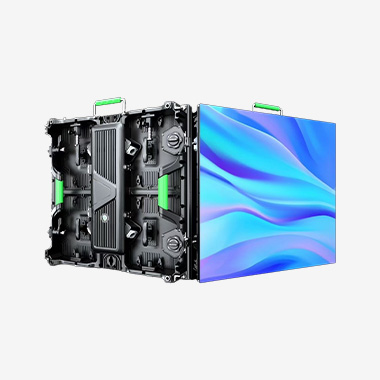
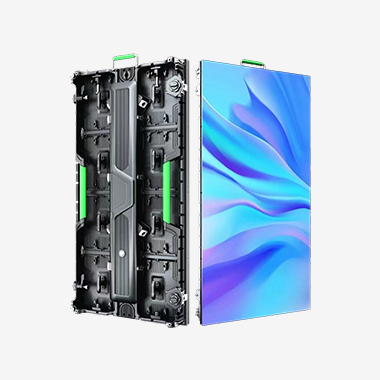
Durability and reliability are also key considerations for indoor fixed LED screens, and the P1.2 model excels in this regard. Constructed with high-quality LED chips (often from reputable manufacturers such as Samsung, LG, or Epistar), the screen offers a long lifespan of up to 100,000 hours of operation. This translates to approximately 11 years of continuous use, making it a cost-effective investment for long-term installations. Additionally, the screen is designed with a modular structure, which allows for easy maintenance and repair. If a single module fails, it can be replaced without taking the entire screen offline, minimizing downtime and reducing maintenance costs. The modular design also enables customization of the screen size and shape, making it adaptable to a variety of indoor spaces, from small meeting rooms to large auditoriums.
The application scenarios for the P1.2 small pixel pitch LED indoor fixed screen are diverse and expanding. In the corporate sector, it is widely used in boardrooms and conference centers, where it facilitates high-definition video conferencing, presentations, and data visualization. The screen’s ability to display detailed charts, graphs, and text ensures that all meeting participants can clearly see the content, even from the back of the room. In the broadcast industry, the P1.2 screen is increasingly used as a backdrop for news studios, talk shows, and live events. Its seamless display and color accuracy make it an ideal replacement for traditional green screens or static backdrops, allowing for dynamic, customizable backgrounds that enhance the visual appeal of broadcasts.
In the public sector, the P1.2 screen finds applications in control rooms for transportation, energy, and security. These environments require real-time monitoring of multiple data streams, and the screen’s high resolution and clarity ensure that operators can quickly identify critical information. For example, in a traffic control center, the P1.2 screen can display live feeds from multiple cameras, traffic flow data, and weather updates, all in high definition, enabling operators to make informed decisions efficiently. In the retail sector, high-end stores and malls use the P1.2 screen to create immersive digital signage. Whether displaying product videos, promotional content, or interactive experiences, the screen’s sharpness and vibrancy attract customers’ attention and enhance the shopping experience.
Art galleries and museums are also embracing the P1.2 small pixel pitch LED indoor fixed screen as a way to showcase digital art and exhibits. The screen’s ability to reproduce fine details and accurate colors ensures that digital artworks are displayed as the artist intended, while its seamless design allows for large-scale installations that create immersive environments for visitors. Additionally, in educational institutions, the P1.2 screen is used in lecture halls and classrooms to deliver high-definition educational content, including videos, simulations, and interactive lessons. This enhances student engagement and ensures that all students can clearly see the material being presented.
When considering the installation of a P1.2 small pixel pitch LED indoor fixed screen, there are several factors to take into account. First, the installation space must be carefully measured to determine the optimal screen size. The modular design allows for flexibility, but it is important to ensure that the screen fits seamlessly into the space and provides optimal viewing angles. Second, the mounting system must be robust enough to support the weight of the screen. While LED screens are lighter than traditional projection systems, large-scale P1.2 installations can still be heavy, so a secure mounting structure is essential. Third, the power and cooling requirements must be considered. The screen consumes more power than LCD screens, so adequate power supply and cooling systems are necessary to ensure reliable operation and prevent overheating.
In terms of cost, the P1.2 small pixel pitch LED indoor fixed screen is typically more expensive than lower-pitch LED screens or LCD displays. However, its long lifespan, low maintenance costs, and superior performance make it a cost-effective investment for applications where image quality and reliability are paramount. As technology advances and production costs decrease, the price of P1.2 screens is gradually becoming more accessible, expanding their adoption across a wider range of industries.
In conclusion, the P1.2 small pixel pitch LED indoor fixed screen represents the pinnacle of indoor display technology. Its ultra-small pixel pitch, high resolution, vibrant colors, and reliable performance make it an ideal solution for a wide range of professional applications, from corporate boardrooms and broadcast studios to control rooms and art galleries. As the demand for high-definition, immersive visual experiences continues to grow, the P1.2 screen is poised to become an increasingly important tool for businesses, institutions, and creatives alike. Whether used for displaying data, entertainment, or art, this advanced LED screen delivers a visual experience that is second to none.


Copyright © 2026 Shenzhen Cogo Technology Co.,Ltd.
All Rights Reserved

 Previous article