Author: sznbone Release date: Jan 26, 2026
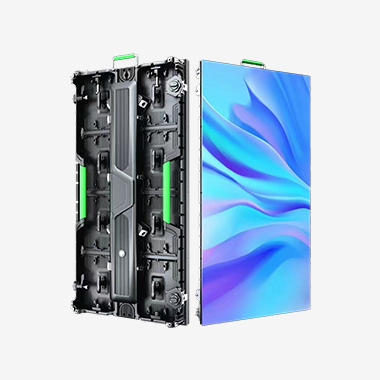
Shopping malls are high-traffic commercial venues that operate for long hours every day, with a large number of display devices used for advertising, wayfinding, and promotion. The energy consumption of these display devices has become a major part of the mall's operating costs, and with the increasing emphasis on environmental protection and energy conservation, energy-saving LED indoor fixed screens have become the first choice for shopping malls. Compared with traditional display devices such as LCD screens and neon lights, energy-saving LED indoor fixed screens offer significant advantages in energy efficiency, environmental protection, and long-term operation, while delivering high-quality display effects that attract customers and enhance the commercial value of the mall.
The core advantage of energy-saving LED indoor fixed screens for shopping malls is their excellent energy-saving performance, which is achieved through a combination of advanced LED technology, intelligent control systems, and optimized structural design. First, these screens adopt high-efficiency LED chips with low power consumption and high luminous efficiency. The luminous efficiency of modern energy-saving LED chips can reach more than 150lm/W, which is much higher than that of traditional LED chips and LCD backlight modules. This means that the screen can produce the same brightness with less power consumption, significantly reducing energy usage. For example, a 100-square-meter energy-saving LED indoor fixed screen has an average power consumption of 150W/㎡ to 200W/㎡, while a traditional LCD splicing screen of the same size has a power consumption of 300W/㎡ to 400W/㎡, saving more than 50% of energy.
Second, energy-saving LED indoor fixed screens for shopping malls are equipped with intelligent dimming systems and power management technology. The intelligent dimming system can automatically adjust the screen brightness according to the ambient light conditions in the mall. During the day, when the mall is bright with natural light, the screen brightness can be increased to ensure the visibility of advertisements; in the evening or when the mall's indoor lighting is dimmed, the screen brightness can be reduced to save energy while avoiding glare that may affect customers' shopping experience. Some advanced models also support time-based dimming, allowing the mall to set different brightness levels according to the operating hours, further optimizing energy consumption. The intelligent power management system can automatically detect the working status of the screen, turning off the power of unused modules or reducing the power supply to idle areas, avoiding unnecessary energy waste.
In addition to energy saving, energy-saving LED indoor fixed screens for shopping malls also deliver excellent display effects, which are crucial for attracting customers and promoting products. These screens support high resolution (1080P or 4K), wide color gamut, and high contrast ratio, ensuring that advertisements, promotional videos, and product images are displayed clearly, vividly, and attractively. The wide color gamut can reproduce rich and bright colors, making the advertisements more eye-catching and able to stand out in the complex mall environment. The high contrast ratio ensures that the screen can present deep blacks and bright whites, enhancing the layering and three-dimensionality of the images, making the displayed content more realistic and immersive. For example, when displaying fashion clothing advertisements, the screen can accurately reproduce the texture and color of the clothing, attracting customers' attention and stimulating their purchasing desire.
Durability and long-term stability are also important features of energy-saving LED indoor fixed screens for shopping malls, as shopping malls operate for 10 to 12 hours a day, 365 days a year, requiring the screens to withstand long-term continuous operation. These screens adopt high-quality components, including LED chips, driving power supplies, control cards, and cooling systems, which have undergone rigorous testing for durability and reliability. The LED chips have a long lifespan of more than 100,000 hours, which means the screen can operate continuously for more than 10 years under normal use conditions, reducing the frequency of maintenance and replacement. The cooling system is designed to be efficient and silent, dissipating heat generated during long-term operation in a timely manner to prevent overheating and damage to the screen, while avoiding noise pollution that may affect the shopping environment. Additionally, the screen is equipped with multiple protection mechanisms, such as overvoltage protection, overcurrent protection, short-circuit protection, and waterproof and dustproof protection, adapting to the complex environment of shopping malls with high traffic and frequent personnel movement.
In terms of installation and customization, energy-saving LED indoor fixed screens for shopping malls offer great flexibility to adapt to the diverse spaces and display needs of shopping malls. The modular design allows for arbitrary splicing of screens, enabling malls to customize the size and shape of the screen according to the installation location, such as the entrance hall, escalator sides, storefront windows, and central atrium. Whether it is a large curved screen, a rectangular advertising wall, or a small wayfinding screen, energy-saving LED screens can meet the demand. The ultra-thin and lightweight design of the screen body facilitates installation and reduces the load on the mall's building structure. Moreover, the screen can be integrated with the mall's architectural design, such as embedded in the wall or suspended from the ceiling, enhancing the overall aesthetic appeal of the mall.
The functionality of energy-saving LED indoor fixed screens for shopping malls is also tailored to the commercial needs of the mall. These screens support a variety of display modes, including dynamic videos, static images, scrolling text, and interactive content. Malls can use them to display commercial advertisements, promotional activities, new product launches, and store information, attracting customers and increasing sales. Some high-end models support interactive functions such as touch screens and gesture control, allowing customers to interact with the screen to obtain product information, participate in promotional activities, or play games, enhancing the customer experience and increasing customer retention time. Additionally, the screens can be connected to the mall's central control system, enabling unified management and content update of all display devices, improving the efficiency of information release and reducing management costs.
From an environmental protection perspective, energy-saving LED indoor fixed screens for shopping malls are more environmentally friendly than traditional display devices. They do not contain harmful substances such as mercury and lead, which are present in LCD screens and neon lights, and do not emit harmful radiation, ensuring the health and safety of customers and mall staff. The long lifespan of LED chips also reduces the generation of electronic waste, contributing to environmental protection. Furthermore, the energy saved by using these screens helps reduce the mall's carbon footprint, in line with the global trend of carbon neutrality and sustainable development.
In terms of economic benefits, energy-saving LED indoor fixed screens can bring significant cost savings to shopping malls in the long run. Although the initial investment of energy-saving LED screens is slightly higher than that of traditional display devices, the significant energy savings and low maintenance costs can offset the initial investment within 2 to 3 years. For example, a 100-square-meter energy-saving LED screen can save about 100,000 kWh of electricity per year, reducing electricity costs by tens of thousands of yuan. Additionally, the long lifespan of the screen reduces the cost of replacement and maintenance, further reducing the mall's operating costs. Moreover, the high-quality display effect of the screen can attract more customers, increase the mall's foot traffic and sales, bringing additional economic benefits.
When selecting an energy-saving LED indoor fixed screen for a shopping mall, several factors need to be considered. First, the energy efficiency index should be prioritized, choosing a screen with a high luminous efficiency and low power consumption, and ensuring that it has intelligent dimming and power management functions. Second, the display performance should be matched with the mall's needs, including resolution, color gamut, contrast ratio, and brightness, to ensure that the screen can display advertisements and promotional content attractively. Third, the durability and protection level of the screen should be considered, choosing a screen with waterproof, dustproof, and anti-collision functions to adapt to the complex mall environment. Fourth, the brand and after-sales service should be selected carefully, choosing a well-known brand with reliable quality and perfect after-sales service to ensure the stable operation of the equipment and timely maintenance support.
In conclusion, energy-saving LED indoor fixed screens are the ideal display solution for shopping malls, combining excellent energy-saving performance, high-quality display effects, durability, and flexibility. They not only help shopping malls reduce operating costs and achieve environmental protection goals but also enhance the commercial value and customer experience of the mall. With the continuous advancement of energy-saving technology and the increasing demand for sustainable development, energy-saving LED indoor fixed screens will be more widely used in shopping malls, leading a new trend in commercial display.


Copyright © 2026 Shenzhen Cogo Technology Co.,Ltd.
All Rights Reserved

 Previous article