
Author: sznbone Release date: Jan 27, 2026
Auditoriums serve as versatile spaces for a wide range of events, including conferences, concerts, theatrical performances, lectures, and corporate gatherings. The visual display system is a critical component of any auditorium, as it directly impacts the audience’s experience and the effectiveness of the event. LED indoor fixed screens have become the preferred choice for auditorium installations due to their superior image quality, scalability, durability, and versatility. However, installing an LED screen in an auditorium is a complex process that requires careful planning, professional expertise, and meticulous execution. This article explores the key aspects of LED indoor fixed screen installation services for auditoriums, including pre-installation planning, installation process, post-installation testing, maintenance, and the benefits of professional installation services.
Pre-installation planning is the foundation of a successful LED indoor fixed screen installation in an auditorium. This phase involves a comprehensive assessment of the auditorium’s layout, dimensions, and specific requirements to ensure that the LED screen is tailored to the space and meets the client’s needs. The first step in pre-installation planning is a site survey, conducted by a team of experienced professionals. During the site survey, the team measures the available space, assesses the structural integrity of the walls or ceiling (depending on the mounting type), evaluates the ambient light conditions, and identifies potential challenges such as limited access, electrical constraints, or architectural obstacles.
Based on the site survey, the installation team works with the client to determine the optimal screen size, resolution, and pixel pitch. Auditoriums vary in size, from small venues with a few hundred seats to large halls with thousands of attendees, so the screen size must be chosen to ensure optimal visibility from all seating positions. For example, a large auditorium may require a screen with a diagonal size of 10 meters or more, while a smaller auditorium may be better suited for a 5-7 meter screen. The pixel pitch is also a critical consideration—auditoriums with long viewing distances may use a larger pixel pitch (such as P2.5 or P3), while those with closer viewing distances (e.g., front-row seats) may require a smaller pixel pitch (such as P1.5 or P1.2) to ensure image clarity.
Another key aspect of pre-installation planning is the design of the mounting system. LED indoor fixed screens for auditoriums can be mounted in several ways, including wall-mounted, ceiling-mounted, or floor-standing. The choice of mounting system depends on the auditorium’s layout, structural capacity, and aesthetic requirements. Wall-mounted screens are the most common, as they save space and provide a clean, seamless look. However, they require a strong wall structure capable of supporting the screen’s weight. Ceiling-mounted screens are ideal for auditoriums where wall space is limited or where the screen needs to be positioned above the stage. Floor-standing screens are a flexible option for temporary installations or auditoriums where permanent mounting is not feasible. The installation team will design a custom mounting system that is safe, secure, and compatible with the auditorium’s structure.
Electrical and connectivity planning is also a crucial part of pre-installation. LED screens require a reliable power supply, and the installation team will assess the auditorium’s existing electrical infrastructure to determine if upgrades are needed. This includes ensuring that the power supply can handle the screen’s power consumption, installing dedicated circuits to prevent overloads, and implementing surge protection to safeguard the equipment. Additionally, the team will plan the connectivity for the screen, including HDMI, DisplayPort, and network cables, to ensure seamless integration with the auditorium’s existing audio-visual (AV) system, such as projectors, sound systems, and control panels. This integration is essential for synchronizing the LED screen with other AV equipment and ensuring a smooth user experience.
Once the pre-installation planning is complete, the installation process can begin. The installation team will arrive on-site with all the necessary equipment, including the LED modules, mounting structure, power supplies, cables, and tools. The first step in the installation process is the assembly of the mounting structure. For wall-mounted screens, this involves installing brackets and supports on the wall, ensuring that they are level and securely fastened. For ceiling-mounted screens, the team will install ceiling brackets and rigging systems, using heavy-duty hardware to ensure stability. The mounting structure is then tested to ensure that it can support the weight of the LED screen.
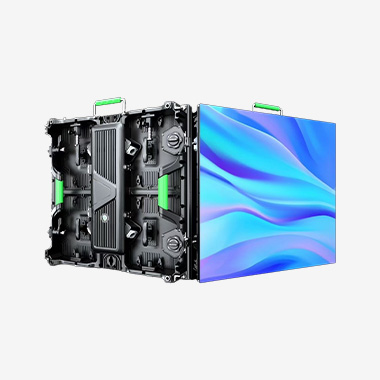
Next, the LED modules are installed onto the mounting structure. Each module is carefully aligned and connected to the adjacent modules to create a seamless display. The modules are secured using screws or clips to prevent movement and ensure that the screen surface is flat. Once all modules are installed, the power supplies and control cards are connected. The control cards are responsible for sending signals to the LED modules, ensuring that the image is displayed correctly across the entire screen. The team will then connect the screen to the auditorium’s AV system, testing the connectivity to ensure that signals are transmitted smoothly.
After the physical installation is complete, the team proceeds with calibration and testing. Calibration is a critical step that ensures the LED screen delivers optimal image quality. This involves adjusting the brightness, contrast, color balance, and uniformity across the screen. Uniformity adjustment is particularly important for large LED screens, as variations in brightness or color between modules can create a distorted image. The team uses specialized calibration tools and software to ensure that every part of the screen displays the same image quality. Additionally, the team tests the screen’s performance with different types of content, including videos, images, and text, to ensure that it works correctly in all scenarios. They also test the screen’s response time, refresh rate, and viewing angles to ensure that the audience has a consistent experience from all seats.
Post-installation support and maintenance are essential for ensuring the long-term performance and reliability of the LED indoor fixed screen. Professional installation services typically include a warranty period, during which the installation team provides technical support and repairs if any issues arise. Additionally, the team will train the auditorium’s staff on how to operate the screen, including how to adjust settings, switch between inputs, and troubleshoot common problems. Regular maintenance is also recommended to keep the screen in optimal condition. This includes cleaning the screen surface to remove dust and debris, inspecting the modules and connections for signs of wear or damage, and updating the screen’s firmware to ensure compatibility with the latest AV equipment.
There are numerous benefits to hiring a professional LED indoor fixed screen installation service for auditoriums. First and foremost, professional installers have the expertise and experience to handle the complex installation process, ensuring that the screen is installed safely and correctly. This reduces the risk of damage to the equipment or the auditorium’s structure, and ensures that the screen performs as expected. Professional installers also have access to specialized tools and equipment, which are necessary for calibration, alignment, and testing. Additionally, professional installation services provide a comprehensive solution, from pre-installation planning to post-installation support, ensuring that the client has a seamless experience.
Another benefit of professional installation is customization. Every auditorium is unique, and professional installers can tailor the LED screen and installation process to meet the client’s specific needs and preferences. Whether the client requires a large, curved screen for a theatrical performance or a high-resolution screen for a conference, professional installers can design and install a solution that fits the space and the event requirements. Additionally, professional installers can integrate the LED screen with the auditorium’s existing AV system, ensuring that all equipment works together seamlessly. This eliminates the need for the client to coordinate with multiple vendors, saving time and reducing stress.
In addition to technical expertise, professional installation services offer peace of mind. Clients can rest assured that their LED screen is installed by qualified professionals who adhere to industry standards and best practices. This reduces the risk of accidents or equipment failure, which can be costly and disruptive to events. Professional installers also provide warranties and maintenance plans, ensuring that the screen is protected and that any issues are resolved quickly and efficiently.
When choosing an LED indoor fixed screen installation service for an auditorium, it is important to select a reputable and experienced provider. Clients should look for providers with a proven track record of successful installations in similar venues, as well as certifications from leading LED manufacturers. It is also important to review the provider’s warranty and maintenance offerings, to ensure that they provide comprehensive support. Additionally, clients should request references and case studies, to get a better understanding of the provider’s capabilities and the quality of their work.
In conclusion, LED indoor fixed screen installation services for auditoriums are a critical component of creating a high-quality visual experience for audiences. From pre-installation planning and site surveys to installation, calibration, and post-installation support, professional installers ensure that the LED screen is tailored to the auditorium’s needs and performs reliably for years to come. By hiring a professional installation service, clients can benefit from expertise, customization, and peace of mind, ensuring that their auditorium is equipped with a state-of-the-art display system that enhances every event.




Copyright © 2026 Shenzhen Cogo Technology Co.,Ltd.
All Rights Reserved

 Previous article