Author: sznbone Release date: Apr 14, 2026
Zoos serve as both educational institutions and entertainment venues, and LED outdoor fixed screens have become a valuable tool to balance advertising revenue, visitor engagement, and conservation education. Unlike commercial advertising platforms, LED outdoor fixed screens for zoo advertising must align with the zoo’s mission of promoting wildlife conservation and environmental protection, while generating revenue to support animal care, habitat maintenance, and educational programs. These screens deliver targeted, contextually relevant advertising content alongside educational messages, enhancing the visitor experience without compromising the zoo’s core values.
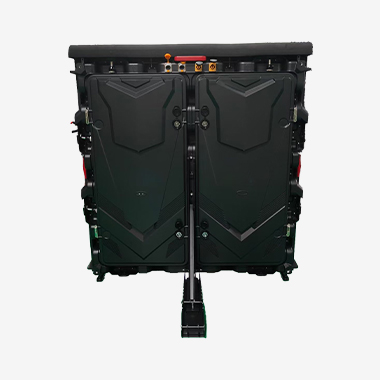
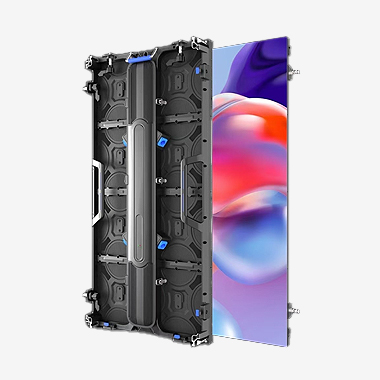
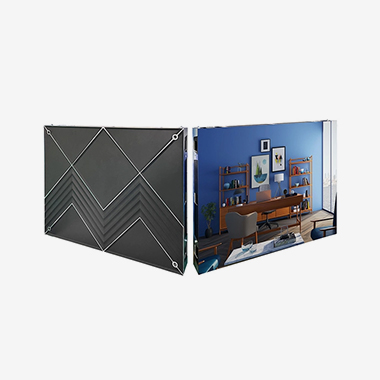
The unique environment of zoos—with outdoor spaces, animal habitats, and high foot traffic—requires LED screens to be durable, weather-resistant, and animal-friendly. LED outdoor fixed screens for zoos are designed with a fully sealed structure, achieving an IP65 or higher waterproof and dustproof rating to withstand rain, humidity, dust, and extreme temperatures. The frame is made of corrosion-resistant aluminum alloy, treated to resist rust from outdoor exposure and potential damage from curious animals (such as birds pecking or small mammals climbing). The screen’s surface uses anti-glare, shatterproof tempered glass to prevent reflections that could disturb animals and to ensure safety for visitors, especially children. Additionally, the screens are equipped with silent heat dissipation systems to avoid generating noise that might stress animals—critical for screens installed near sensitive habitats, such as primate enclosures or bird aviaries. The LED chips are low-EMF (electromagnetic field) to prevent interference with animal monitoring equipment.
Display performance for zoo advertising screens is tailored to balance visibility, educational value, and animal safety. The brightness is set to 4000-6000 nits, ensuring clear visibility in daylight without creating excessive glare that could disturb animals. Intelligent brightness adjustment automatically reduces brightness during early morning, evening, or overcast conditions, aligning with animal activity patterns. The color reproduction is optimized to display natural colors accurately—important for educational content featuring wildlife, habitats, and conservation projects. A high refresh rate (above 1920Hz) ensures smooth playback of videos, while a moderate pixel pitch (P8-P12) balances display clarity with cost-effectiveness, suitable for the medium viewing distances common in zoo walkways and plazas. The screens also support low-blue-light modes to minimize eye strain for visitors, who may spend hours outdoors, and to reduce potential disruption to animals’ circadian rhythms.
The content strategy for LED outdoor fixed screens in zoos is a careful blend of advertising, education, and visitor information. Advertising content is curated to align with the zoo’s mission—preferring brands that promote sustainability, environmental protection, family-friendly products, or local businesses. For example, a zoo might partner with a reusable water bottle brand to advertise eco-friendly products, with a portion of the revenue supporting the zoo’s plastic-reduction initiatives. Advertising content is displayed in short, non-intrusive segments, interspersed with educational content such as wildlife documentaries, animal conservation success stories, and fun facts about zoo residents. For instance, a 30-second ad for a family restaurant could be followed by a 60-second video about the zoo’s endangered species breeding program. The screens also display real-time visitor information, such as animal feeding times, show schedules, restroom locations, and weather updates, improving the visitor experience and reducing congestion at information desks.
Interactive features of LED outdoor fixed screens enhance visitor engagement and educational value in zoos. Many screens are equipped with QR codes that visitors can scan to access detailed information about animals, conservation projects, or advertising partners—for example, scanning a code next to a lion enclosure ad could link to a page about the zoo’s lion conservation efforts and a discount for the ad’s partner brand. Some screens support touch interaction, allowing children to play educational games about wildlife, such as matching animals to their habitats or answering conservation-themed quizzes. During special events, such as zoo festivals or animal birthdays, the screens can broadcast live footage, host interactive polls, or display visitor photos (with permission), creating a festive atmosphere. The screens can also be used to launch crowd-funding campaigns for animal care or habitat improvements, allowing visitors to donate directly via the screen or linked mobile platforms.
Revenue generation and operational support are key benefits of LED outdoor fixed screens for zoos. Advertising revenue provides a stable income stream to supplement ticket sales, donations, and government funding, supporting critical operations such as animal healthcare, habitat renovation, and educational programs. Unlike traditional billboards, LED screens allow zoos to sell dynamic advertising packages—for example, seasonal ads that change with holidays or special events, or targeted ads that display near relevant habitats (e.g., a camping gear ad near the zoo’s safari section). The screens also reduce operational costs by replacing printed materials, such as event posters, feeding schedules, and maps, which require frequent printing and replacement. For larger zoos, the screens can be networked to a central control system, allowing staff to update content remotely across multiple locations, saving time and resources.
Case studies demonstrate the successful integration of LED outdoor fixed screens in zoos. A major zoo in North America installed LED screens throughout its grounds, displaying a mix of sustainable brand ads, conservation educational content, and visitor information. The advertising revenue generated by the screens funded a new endangered species habitat and an educational outreach program for local schools. Visitor surveys showed that 85% of respondents found the educational content valuable, and 70% reported that the ads were non-intrusive and relevant. Another zoo in Europe used interactive LED screens near its primate enclosure, allowing visitors to play games about primate conservation and scan QR codes to donate to a primate protection charity. The screens raised over $50,000 in donations within six months and increased visitor engagement with the enclosure by 35%. A small local zoo used LED screens to promote local businesses, with a portion of ad revenue supporting animal food and healthcare costs, reducing the zoo’s reliance on donations.
In conclusion, LED outdoor fixed screens for zoo advertising are a sustainable and effective solution that balances revenue generation, visitor engagement, and conservation education. By displaying contextually relevant ads alongside educational content, these screens support zoo operations while reinforcing the institution’s mission. As zoos continue to adapt to changing visitor expectations and financial challenges, LED screens will play an increasingly important role in creating a holistic visitor experience that educates, entertains, and supports wildlife conservation.


Copyright © 2026 Shenzhen Cogo Technology Co.,Ltd.
All Rights Reserved

 Previous article