Author: sznbone Release date: Mar 16, 2026
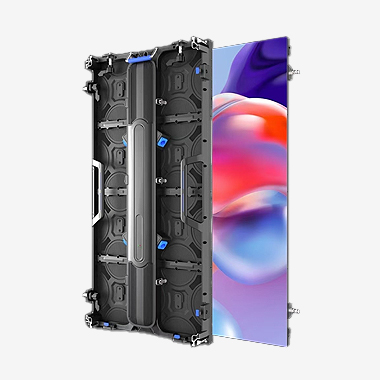
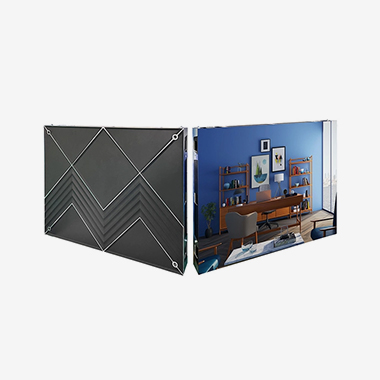
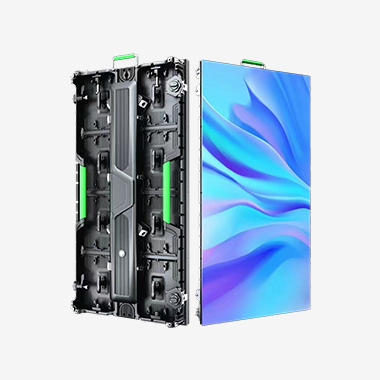
Full color LED outdoor fixed screens have become an indispensable part of modern stadiums, revolutionizing the way spectators experience sports events, concerts, and other large-scale gatherings. These screens are designed to deliver vibrant, high-definition visuals even under direct sunlight, ensuring that every seat in the stadium has a clear view of the content displayed. Unlike traditional projection screens or LCD displays, full color LED outdoor fixed screens offer superior brightness, contrast, and color accuracy, making them ideal for outdoor environments where lighting conditions are unpredictable.
One of the key technical features of full color LED outdoor fixed screens for stadiums is their high brightness level, typically ranging from 5,000 to 8,000 nits. This brightness is achieved through advanced LED chip technology, which allows the screen to emit intense light without compromising on color reproduction. The high brightness ensures that the screen remains visible even during midday sun, eliminating the need for additional shading or adjustments. Moreover, these screens come with automatic brightness adjustment capabilities, which adjust the light output based on the surrounding environment, reducing energy consumption and extending the lifespan of the LED chips.
Resolution is another critical factor for stadium LED screens. To cater to the large viewing distance and wide viewing angle requirements of stadiums, these screens are often designed with high pixel density, such as P2.5, P3, or P4. The pixel pitch (distance between adjacent pixels) directly affects the clarity of the image; a smaller pixel pitch results in a sharper image, which is essential for displaying detailed content like close-up shots of athletes, scoreboards, and replays. For large stadiums with a seating capacity of over 50,000, LED screens with a pixel pitch of P3 or below are recommended to ensure that spectators in the farthest seats can still enjoy clear visuals.
Durability is a top priority for outdoor stadium LED screens, as they are exposed to harsh weather conditions such as rain, snow, wind, and extreme temperatures. These screens are built with rugged enclosures made of aluminum alloy or stainless steel, which are corrosion-resistant and waterproof. The IP (Ingress Protection) rating of stadium LED screens is usually IP65 or higher, meaning they are dust-tight and protected against low-pressure water jets from any direction. Additionally, the LED modules are equipped with heat dissipation systems, such as fans or heat sinks, to prevent overheating during long hours of operation, especially in hot climates.
In terms of application, full color LED outdoor fixed screens for stadiums serve multiple purposes. They are primarily used for displaying live game footage, instant replays, score updates, and player statistics, enhancing the spectator experience by providing real-time information. During concerts or other entertainment events, these screens can display stage performances, music videos, and interactive content, creating an immersive atmosphere. Some advanced stadium LED screens also support touch interaction and multi-screen synchronization, allowing for creative content displays and audience engagement activities. For example, during halftime shows, the screen can be used to display fan photos, live polls, or interactive games, encouraging audience participation.
The installation of full color LED outdoor fixed screens in stadiums requires careful planning and professional execution. The screen size and location are determined based on the stadium’s layout, seating arrangement, and viewing angles. Common installation locations include the main scoreboard above the end zone, side screens along the stands, and circular screens around the stadium roof. The installation process involves structural engineering to ensure that the screen is securely mounted and can withstand strong winds and seismic activity. Additionally, the screen is connected to a central control system, which allows operators to manage content playback, adjust settings, and troubleshoot issues remotely.
From an economic perspective, investing in full color LED outdoor fixed screens is a wise decision for stadium operators. These screens have a long lifespan of 100,000 hours or more, which translates to over 10 years of continuous operation with proper maintenance. Compared to traditional displays, LED screens have lower maintenance costs, as they are modular in design—individual LED modules can be replaced without replacing the entire screen. Furthermore, these screens offer excellent advertising opportunities, as brands can display commercials, sponsorship messages, and promotional content during events, generating additional revenue for the stadium.
In recent years, technological advancements have further improved the performance of full color LED outdoor fixed screens for stadiums. The development of Mini LED and Micro LED technologies has led to even higher resolution, better color accuracy, and thinner screen designs. Mini LED screens use smaller LED chips, allowing for higher pixel density and improved contrast, while Micro LED screens eliminate the need for a backlight, resulting in better energy efficiency and durability. Additionally, the integration of 5G and IoT technologies enables real-time content streaming and remote monitoring, making it easier for stadium operators to manage the screen and deliver high-quality content to spectators.
Overall, full color LED outdoor fixed screens are a game-changer for stadiums, offering unparalleled visual performance, durability, and versatility. They not only enhance the spectator experience but also provide stadium operators with new revenue streams and operational efficiencies. As technology continues to evolve, these screens will become even more advanced, solidifying their position as a must-have feature for modern stadiums around the world.


Copyright © 2026 Shenzhen Cogo Technology Co.,Ltd.
All Rights Reserved

 Previous article