Author: sznbone Release date: Apr 14, 2026
Amusement parks strive to create immersive and thrilling experiences for visitors, and LED outdoor fixed screens have emerged as a transformative technology to enhance ride experiences, improve operational efficiency, and strengthen thematic storytelling. Unlike traditional decorative elements, LED outdoor fixed screens for amusement park rides integrate seamlessly with ride mechanics and thematic environments, delivering dynamic visual content that synchronizes with ride movements, sound effects, and lighting. From roller coasters and dark rides to Ferris wheels and water rides, these screens elevate the entertainment value of rides, creating unforgettable experiences for visitors of all ages while supporting park operations and safety management.
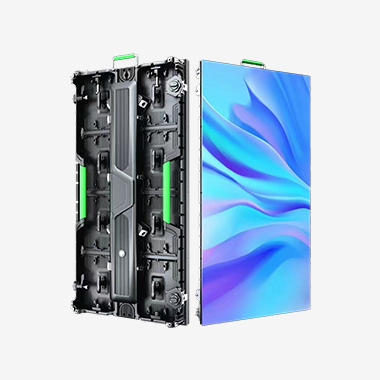
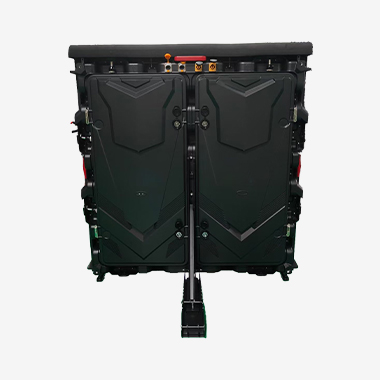
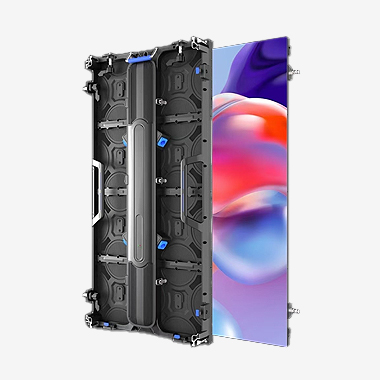
The operating environment of amusement park rides is highly demanding, with factors such as rapid temperature changes, humidity, vibration, dust, and direct exposure to water (for water rides) posing challenges to equipment durability. LED outdoor fixed screens for amusement park rides are designed with industrial-grade components and specialized protective structures to withstand these harsh conditions. The screen body adopts a fully sealed design with an IP67 or higher waterproof and dustproof rating, ensuring resistance to rain, splashes, and dust accumulation—critical for water rides and outdoor roller coasters. The frame is made of high-strength, impact-resistant aluminum alloy, capable of withstanding the vibration and G-forces generated by fast-moving rides. LED chips and internal circuits are treated with anti-UV and anti-corrosion coatings to prevent damage from prolonged sun exposure, which is common in outdoor amusement parks. Additionally, the screens are equipped with shock-absorbing mounts to minimize the impact of ride vibrations on internal components, ensuring stable operation even during high-intensity rides.
Synchronization and display performance are core requirements for LED outdoor fixed screens on amusement park rides, as the content must align perfectly with ride movements to create a cohesive experience. The screens feature ultra-low response times (below 8ms) to ensure that visual content updates in real time with ride motion—for example, a roller coaster passing through a simulated "space tunnel" will have the screen display moving stars and galaxies that match the coaster’s speed and direction. High brightness (6000-8000 nits) ensures visibility even in bright daylight, while intelligent brightness adjustment adapts to changing light conditions (such as sunset or overcast weather) without compromising the immersive effect. The color reproduction capability is optimized to support vibrant, thematic colors—whether simulating a tropical jungle, a futuristic city, or a fantasy realm—ensuring that the visual content aligns with the ride’s theme. For dark rides, the screens can be customized with low-glare panels to avoid overwhelming visitors with excessive light, while maintaining clear display of thematic elements like characters and scenery.
Thematic integration and interactive capabilities are key features that make LED outdoor fixed screens a valuable addition to amusement park rides. For roller coasters, screens can be installed along the track to display dynamic scenery that changes as the coaster progresses—for example, a pirate-themed roller coaster might have screens showing crashing waves, pirate ships, and treasure islands that synchronize with the coaster’s drops and turns. Dark rides often use large LED screens to create virtual environments, replacing traditional physical scenery with flexible, updatable digital content. This allows parks to refresh ride themes periodically without costly renovations—for example, updating a haunted house ride’s screens to feature new ghosts and storylines for Halloween. Some rides integrate interactive elements, such as motion sensors or touchscreens, allowing visitors to influence the visual content—for instance, a family ride where visitors "shoot" targets on the screen, with the screen displaying hit effects and scores that synchronize with ride movements.
Safety management and operational efficiency are additional benefits of LED outdoor fixed screens for amusement park rides. The screens can be connected to the park’s central control system to display real-time safety instructions—such as seatbelt reminders, height restrictions, and emergency procedures—before the ride begins. During the ride, screens can display warning messages if an issue arises, guiding visitors to remain calm. For park operators, the screens support remote monitoring and maintenance, with built-in fault self-diagnosis functions that send alerts to the control center if a component fails. This minimizes downtime, as maintenance teams can quickly identify and resolve issues without disrupting ride operations. Additionally, the screens can display wait times for rides, helping visitors plan their itinerary and reducing frustration from long queues. During peak seasons, parks can use the screens to promote other attractions, food stalls, or merchandise shops, driving cross-promotion and increasing revenue.
Energy efficiency and durability are important considerations for amusement parks, which operate for long hours and have high energy consumption. LED outdoor fixed screens for rides adopt energy-saving technologies, such as low-power LED chips and intelligent power management systems, reducing energy usage while maintaining high performance. The modular design of the screens allows for quick replacement of faulty modules, minimizing maintenance time and costs. Most screens have a service life of 50,000 hours or more, ensuring long-term reliability even with continuous operation—critical for amusement parks that operate 10-12 hours a day during peak seasons. Additionally, the screens are designed to be environmentally friendly, with lead-free components and recyclable materials, aligning with the growing trend of sustainable amusement park operations.
Case studies highlight the transformative impact of LED outdoor fixed screens on amusement park rides. A large theme park in Asia installed LED screens along the track of its flagship roller coaster, creating a "time-travel" theme where visitors pass through digital environments representing different eras—ancient civilizations, futuristic cities, and prehistoric landscapes. The screens synchronize with the coaster’s speed, drops, and turns, and the ride saw a 40% increase in visitor satisfaction scores and a 25% increase in repeat rides. Another case involves a water park that installed waterproof LED screens on its log flume ride, displaying animated sea creatures and water effects that interact with the ride’s splashes. The screens reduced the need for physical scenery maintenance, saving the park over 30% in annual maintenance costs. A family amusement park integrated interactive LED screens into a children’s ride, allowing kids to "collect" virtual characters on the screen as the ride moves; this feature increased ride popularity by 50% and drove sales of related merchandise.
In summary, LED outdoor fixed screens for amusement park rides are a versatile and innovative technology that enhances thematic experiences, improves safety management, and boosts operational efficiency. As amusement parks continue to compete for visitors with more immersive experiences, LED screens will play an increasingly important role in ride design, allowing parks to create dynamic, updatable, and interactive attractions that captivate audiences and drive long-term success.


Copyright © 2026 Shenzhen Cogo Technology Co.,Ltd.
All Rights Reserved

 Previous article