Author: sznbone Release date: Mar 02, 2026
Home theater systems have evolved from simple TV setups to immersive entertainment hubs, and LED indoor fixed screens have become the centerpiece of high-end home theater customization. Unlike traditional projectors or LCD/OLED TVs, LED indoor fixed screens offer unmatched image quality, size flexibility, and customization options, allowing homeowners to create a cinema-like experience in the comfort of their own homes. Designed specifically for home theater environments, these screens are engineered to deliver vibrant colors, deep blacks, and wide viewing angles, ensuring that every seat in the room enjoys a premium viewing experience.
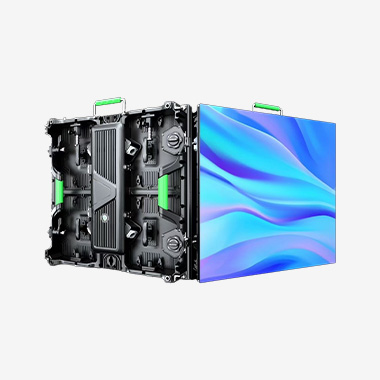
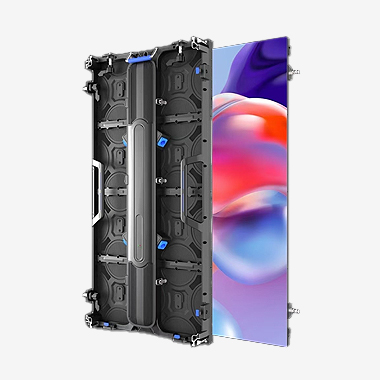
One of the primary advantages of LED indoor fixed screens for home theater customization is their size flexibility. Unlike TVs, which are limited to standard sizes (55 inches, 65 inches, 75 inches, etc.), LED screens are modular, allowing homeowners to create custom-sized displays that fit perfectly into their home theater space. Whether the room is small and cozy or large and spacious, LED modules can be combined to create screens of any size—from 100 inches to over 300 inches diagonal. This flexibility ensures that the screen becomes a seamless part of the room’s design, rather than a bulky appliance that disrupts the aesthetics. For example, homeowners can install a curved LED screen to match the contour of their home theater seating, enhancing the immersive experience by wrapping the image around the viewer.
Superior image quality is another key feature of LED indoor fixed screens for home theaters. These screens use high-density LED arrays with small pixel pitches (typically 1.2mm to 3mm), which deliver ultra-sharp images with exceptional detail. Unlike projectors, which require a dark room to produce clear images, LED screens offer high brightness (300cd/㎡ to 500cd/㎡) and high contrast ratios (up to 1,000,000:1), allowing for vivid colors and deep blacks even in rooms with ambient light. This means homeowners can enjoy movies, TV shows, and games during the day without sacrificing image quality. Additionally, LED screens offer wide color gamut coverage, supporting formats such as HDR10 and Dolby Vision, which reproduce colors and brightness levels that are true to the original content—making every scene feel more realistic.
Immersive viewing is enhanced by the wide viewing angles of LED indoor fixed screens. Unlike LCD TVs, which suffer from color and brightness distortion when viewed off-center, LED screens maintain consistent image quality from almost any angle—up to 170 degrees horizontally and vertically. This is particularly important for home theaters with multiple seats, as every viewer (whether sitting in the center or the corners) will enjoy the same clear, vibrant image. Some LED screens also feature edge-lit or backlit technology, which further enhances the depth of the image and reduces eye strain during extended viewing sessions.
Customization options for LED indoor fixed screens extend beyond size and shape. Homeowners can choose from a variety of screen surfaces, including matte, glossy, and anti-glare finishes, depending on the lighting conditions of their home theater. Anti-glare finishes are ideal for rooms with windows or ambient light, as they reduce reflections and ensure clear images. Additionally, LED screens can be integrated with smart home systems, allowing homeowners to control the screen using voice commands or mobile apps. For example, they can adjust the brightness, switch between inputs, or launch streaming services with a simple voice command, creating a seamless and convenient entertainment experience.
Durability and reliability are important considerations for home theater investments, and LED indoor fixed screens deliver on both fronts. With a typical lifespan of 50,000 to 100,000 hours, LED screens can provide decades of reliable performance with minimal maintenance. They are also resistant to burn-in, a common issue with plasma TVs and older LCD displays, ensuring that static images (such as movie logos or game interfaces) do not leave permanent marks on the screen. Additionally, LED screens have low power consumption compared to projectors and plasma TVs, helping homeowners reduce their energy bills over time.
Integration with other home theater components is seamless with LED indoor fixed screens. These screens are compatible with a wide range of audio and video equipment, including AV receivers, soundbars, subwoofers, gaming consoles, and streaming devices. They support multiple input ports (HDMI 2.1, DisplayPort, USB, etc.), allowing for high-speed data transfer and 4K/8K video playback. For gaming enthusiasts, LED screens with high refresh rates (120Hz or higher) and low input lag (less than 10ms) provide a smooth, responsive gaming experience—perfect for fast-paced games such as first-person shooters and racing games.
Installation of LED indoor fixed screens for home theater customization requires careful planning and professional expertise. Homeowners should work with experienced installers to ensure that the screen is properly mounted, calibrated, and integrated with the room’s acoustics and lighting. Installers can also help with cable management, hiding wires and cables to maintain the clean, sleek look of the home theater. Additionally, calibration is crucial to optimizing image quality—adjusting brightness, contrast, color temperature, and gamma levels to match the room’s lighting and the homeowner’s preferences.
Case studies of home theater installations with LED indoor fixed screens highlight the transformative impact of these screens. A homeowner in a suburban area installed a 200-inch curved LED screen in their dedicated home theater, paired with a 7.1.4 Dolby Atmos sound system. The result was an immersive experience that rivals commercial cinemas, with crisp images and surround sound that makes every movie feel like a premium event. Another homeowner installed a 150-inch flat LED screen in a multi-purpose room, using it for movies, gaming, and sports viewing—thanks to the screen’s high brightness and wide viewing angles, the room works perfectly for both family movie nights and game days with friends.
When customizing a home theater with an LED indoor fixed screen, homeowners should consider several factors. Pixel pitch is critical for image clarity—smaller pixel pitches (1.2mm to 2mm) are ideal for screens viewed from close distances (less than 10 feet), while larger pixel pitches (2.5mm to 3mm) work well for larger screens viewed from farther away. Brightness levels should be adjusted to the room’s lighting—dimmer rooms may require lower brightness (300cd/㎡), while rooms with ambient light may need higher brightness (400cd/㎡ to 500cd/㎡). Additionally, homeowners should consider the screen’s resolution (4K or 8K), refresh rate, and compatibility with their existing audio and video equipment.
In conclusion, LED indoor fixed screens are the ultimate choice for home theater customization, offering size flexibility, superior image quality, immersive viewing, and seamless integration with smart home systems. Whether homeowners are building a dedicated home theater or upgrading a multi-purpose room, LED screens can transform the space into a premium entertainment hub. With their durability, reliability, and customization options, LED indoor fixed screens are a long-term investment that delivers endless hours of cinematic enjoyment.


Copyright © 2026 Shenzhen Cogo Technology Co.,Ltd.
All Rights Reserved

 Previous article