Author: sznbone Release date: Mar 11, 2026
Churches have long sought ways to enhance worship experiences, connect with congregations, and convey spiritual messages effectively. In recent years, LED indoor fixed screens have emerged as a powerful tool for churches, revolutionizing the way religious services are conducted, and spiritual content is shared. Unlike traditional projection systems or static billboards, LED indoor fixed screens offer superior visual quality, reliability, and versatility, making them ideal for the unique needs of church worship services. From displaying hymns and scriptures to live-streaming sermons and showcasing religious imagery, these screens have become an integral part of modern church interiors, bridging the gap between tradition and technology to create more engaging and inclusive worship environments.
The unique requirements of church worship services demand display solutions that are not only visually impressive but also aligned with the solemn and spiritual atmosphere of the space. LED indoor fixed screens excel in this regard, offering a range of features that make them well-suited for church use. One of the key advantages is their exceptional image quality—LED screens deliver high brightness, high contrast ratio, and wide color gamut, ensuring that text, images, and videos are clear and vivid even in large church halls with varying lighting conditions. Unlike projectors, which can be affected by ambient light and require darkening of the space, LED screens maintain visibility in both natural and artificial light, allowing churches to keep windows open and maintain a warm, inviting atmosphere during services.
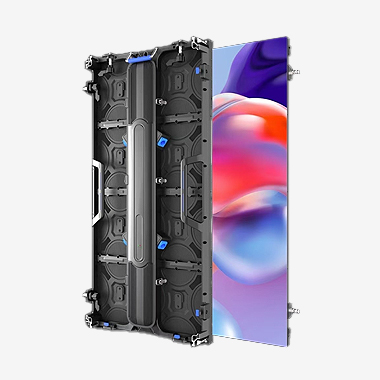
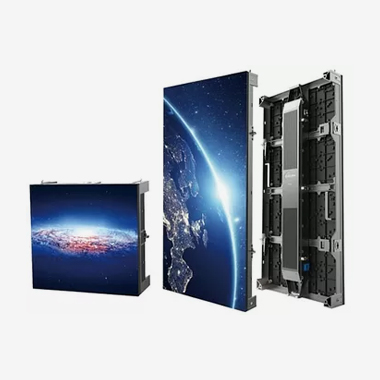
Another critical feature of LED indoor fixed screens for church worship services is their large size capability and seamless video wall integration. Many churches have spacious sanctuaries with large congregations, and a single large LED screen or a video wall composed of multiple LED modules can ensure that every member of the congregation, regardless of their seating position, can clearly see the content displayed. This is particularly important for displaying hymns and scriptures, as it eliminates the need for printed hymnals and allows the congregation to focus on worship rather than searching for pages. Additionally, video walls can be customized to fit the architectural design of the church, whether it is a wide screen behind the altar, a curved screen to match the church’s interior, or multiple screens placed in different areas of the sanctuary to ensure maximum visibility.
In terms of content versatility, LED indoor fixed screens offer churches a wide range of options to enhance worship services. During traditional services, screens can display hymn lyrics, Bible verses, prayers, and liturgical readings, making it easier for the congregation to participate actively. For contemporary worship services, screens can showcase worship videos, live performances by the church band, and visualizations of spiritual themes, creating a more immersive and engaging experience. LED screens also support live streaming and video playback, allowing churches to broadcast services to remote congregants, record services for later viewing, and share spiritual content with a wider audience. This is particularly valuable for churches with members who are unable to attend in person due to illness, disability, or distance.
Reliability and durability are also key considerations for churches when selecting display solutions, as services are held regularly and any technical failures can disrupt the worship experience. LED indoor fixed screens are known for their long lifespan and high stability—LED modules have an average lifespan of 100,000 hours, which translates to decades of use under normal operating conditions. They are also resistant to wear and tear, dust, and temperature fluctuations, making them suitable for long-term installation in church environments. Unlike projectors, which require frequent bulb replacements and maintenance, LED screens have low maintenance requirements, reducing the time and cost associated with upkeep. Additionally, LED screens consume less energy than traditional display solutions, helping churches reduce their energy bills and environmental impact.
When designing the installation of LED indoor fixed screens in churches, it is important to consider the architectural and spiritual aspects of the space. The screen should be positioned in a way that complements the altar, pulpit, and other religious symbols, without distracting from the sacred atmosphere of the church. The size of the screen should be proportional to the size of the sanctuary and the distance from the congregation—too small a screen may be difficult to see from the back rows, while too large a screen may overwhelm the space. Additionally, the brightness and color temperature of the screen can be adjusted to match the lighting of the church, ensuring that the content displayed is easy on the eyes and consistent with the spiritual tone of the service. Some churches also opt for transparent LED screens, which allow light to pass through and do not block the view of stained glass windows or other architectural features, preserving the church’s traditional aesthetic.
LED indoor fixed screens also offer churches the flexibility to adapt to different types of services and events. For example, during holiday services such as Christmas and Easter, screens can display festive imagery, videos, and special liturgical content to enhance the celebration. For youth services, screens can be used to play contemporary worship music videos, interactive games, and social media feeds, engaging younger members of the congregation. For community events and outreach programs, screens can display information about church activities, volunteer opportunities, and charitable initiatives, helping to connect the church with the wider community. This versatility makes LED screens a valuable investment for churches, as they can be used for a wide range of purposes beyond regular worship services.
In addition to enhancing worship experiences, LED indoor fixed screens can also help churches improve accessibility. For congregants with visual impairments, large, high-contrast text displayed on LED screens is easier to read than printed materials or small projections. Some LED screens also support integration with assistive technologies, such as screen readers and closed captioning, making services more inclusive for individuals with disabilities. This commitment to accessibility reflects the church’s mission to welcome all members of the community and ensure that everyone can participate fully in worship.
As technology continues to advance, LED indoor fixed screens for church worship services are expected to become even more advanced and versatile. Future innovations may include interactive touch screens that allow congregants to participate in polls, submit prayers, and interact with content in real time, as well as integration with AI and IoT systems to create more personalized worship experiences. However, regardless of technological advancements, the core purpose of these screens in churches will remain the same—to enhance the worship experience, convey spiritual messages, and connect congregants with one another and with their faith.
In conclusion, LED indoor fixed screens have become an essential tool for modern churches, offering superior visual quality, versatility, reliability, and accessibility. By integrating these screens into their worship spaces, churches can enhance congregation engagement, streamline services, and extend their reach to remote members. Whether for traditional or contemporary services, LED screens help to bridge tradition and technology, creating a more inclusive and immersive worship environment that honors the church’s spiritual mission while embracing the benefits of modern display technology.


Copyright © 2026 Shenzhen Cogo Technology Co.,Ltd.
All Rights Reserved

 Previous article