Author: sznbone Release date: Mar 11, 2026
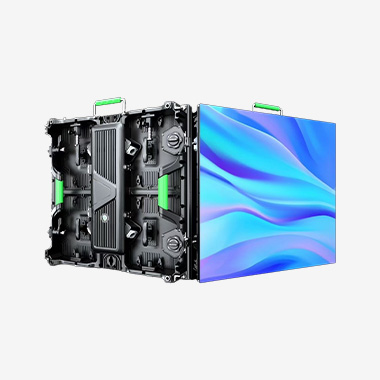
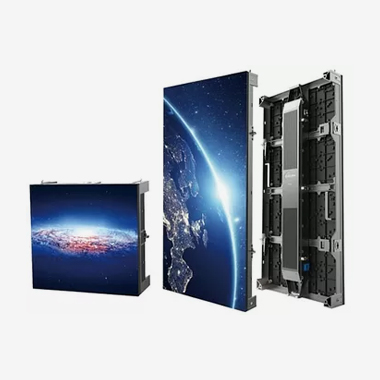
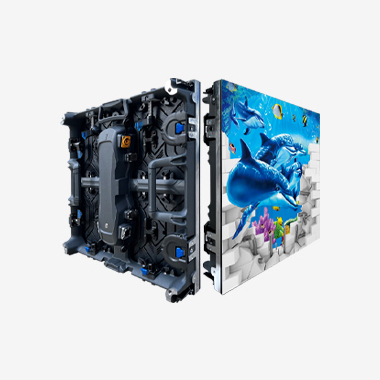
In the era of intelligent interaction, LED indoor fixed screens integrated with touch screen functions have emerged as a transformative solution across various industries, bridging the gap between visual display and user engagement. Unlike traditional LED screens that only serve as passive display tools, these integrated systems combine the high-definition visual performance of LED technology with the intuitive operation of touch interaction, creating immersive and interactive experiences for users. With continuous advancements in touch sensing technology and LED display engineering, such screens have evolved to meet the diverse needs of commercial, educational, corporate, and entertainment environments, becoming a cornerstone of modern interactive display solutions.
The core advantage of LED indoor fixed screens with touch screen functions lies in their seamless integration of two advanced technologies, each complementing the other to deliver superior performance. LED screens are renowned for their exceptional image quality, including high brightness, high contrast ratio, wide color gamut, and excellent stability. Unlike LCD screens, LED displays use light-emitting diodes as light sources, eliminating issues such as backlight leakage and uneven brightness, ensuring clear and vivid visuals even in well-lit indoor spaces. When integrated with touch functionality, this visual excellence is enhanced by the ability to directly interact with the content, allowing users to manipulate images, navigate menus, input data, and collaborate in real time without the need for additional input devices like mice or keyboards.
Touch screen technology integrated into LED indoor fixed screens primarily adopts two mainstream solutions: infrared touch and capacitive touch, each with its own characteristics and application scenarios. Infrared touch technology uses an array of infrared transmitters and receivers around the screen to form an invisible infrared grid. When a user touches the screen, the touch point blocks the corresponding infrared rays, enabling precise positioning of the touch. This technology is highly durable, resistant to scratches and contamination, and supports multi-touch functionality, making it suitable for high-traffic public areas such as shopping malls, exhibition halls, and educational institutions. Capacitive touch technology, on the other hand, relies on the electrical conductivity of the human body to detect touch. It offers higher touch sensitivity and accuracy, providing a smoother and more responsive operation experience similar to that of smartphones and tablets. Capacitive touch LED screens are ideal for corporate meeting rooms, control centers, and high-end retail environments where precise interaction is required.
In terms of application scenarios, LED indoor fixed screens with touch functions have broad applicability. In the retail industry, they are used as interactive digital signage in stores, allowing customers to browse product information, check inventory, and even place orders directly on the screen. For example, fashion brands may install large touch LED screens in their flagship stores, enabling customers to select clothing styles, view matching suggestions, and share their choices on social media with a simple touch. In educational settings, these screens serve as interactive whiteboards, replacing traditional blackboards and projectors. Teachers can write, draw, and annotate directly on the screen, zoom in on teaching content, and integrate multimedia resources such as videos and animations, enhancing student engagement and learning efficiency. In corporate meeting rooms, touch LED screens facilitate collaborative discussions, as team members can edit documents, mark up presentations, and share ideas in real time, streamlining the meeting process and improving work efficiency.
Another key benefit of these integrated screens is their customization capability. LED indoor fixed screens can be tailored to different sizes and aspect ratios, from small displays for reception areas to large-scale video walls for conference halls and auditoriums. The touch function can also be customized based on user needs, such as supporting 2-point, 10-point, or even more multi-touch points to accommodate multiple users interacting simultaneously. Additionally, manufacturers offer a range of surface treatments for the touch screen, including anti-glare and anti-fingerprint coatings, ensuring optimal visibility and usability in various lighting conditions. The durability of LED indoor fixed screens with touch functions is also noteworthy—LED modules have a long lifespan of up to 100,000 hours, and the touch layer is designed to withstand frequent use, making them a cost-effective investment for long-term use.
When selecting an LED indoor fixed screen with touch screen function, several factors need to be considered to ensure it meets specific application requirements. First, the touch accuracy and response speed are critical—high-precision touch is essential for tasks such as document editing and drawing, while fast response speed ensures a smooth user experience without lag. Second, the screen size and resolution should be matched to the application scenario. For example, a small conference room may require a 55-inch screen with 4K resolution, while a large exhibition hall may need a video wall composed of multiple LED modules with ultra-high resolution. Third, the brightness and contrast ratio should be adjusted based on the indoor lighting conditions—screens used in well-lit areas require higher brightness to maintain visibility, while those in dimly lit rooms can have lower brightness to save energy. Fourth, the durability and maintenance requirements should be evaluated, especially for screens used in high-traffic areas, which need to be scratch-resistant and easy to clean.
In recent years, the market for LED indoor fixed screens with touch screen functions has grown rapidly, driven by the increasing demand for interactive display solutions in various industries. Technological advancements have led to improvements in touch sensitivity, multi-touch capability, and integration with other intelligent systems, such as IoT (Internet of Things) and AI (Artificial Intelligence). For example, some advanced touch LED screens can now recognize gestures, voice commands, and even facial expressions, further enhancing the interaction experience. As businesses and institutions continue to prioritize digital transformation and user-centric experiences, the demand for these integrated screens is expected to grow even further, with new applications emerging in fields such as healthcare, hospitality, and smart cities.
In conclusion, LED indoor fixed screens with touch screen functions represent a perfect combination of visual display and interactive technology, offering superior performance, broad applicability, and customization options. Whether for retail, education, corporate, or entertainment use, these screens enhance user engagement, streamline operations, and create immersive experiences that traditional display solutions cannot match. With ongoing technological innovations, they will continue to evolve, becoming an indispensable part of modern indoor display systems and driving the transformation of how we interact with digital content.


Copyright © 2026 Shenzhen Cogo Technology Co.,Ltd.
All Rights Reserved

 Previous article