
Author: sznbone Release date: Jan 27, 2026
In today’s dynamic indoor display market, one size does not fit all. From compact meeting rooms and retail stores to large auditoriums, command centers, and broadcast studios, every space has unique dimensions, aesthetic requirements, and functional needs. This has driven the demand for custom size LED indoor fixed screens, which offer the flexibility to adapt to any indoor environment. Custom size LED indoor fixed screen manufacturers play a pivotal role in meeting this demand, leveraging advanced technology, engineering expertise, and flexible production capabilities to deliver tailored solutions for clients across industries. This article explores the role of custom size LED indoor fixed screen manufacturers, their production processes, technical capabilities, quality control measures, client collaboration, and the benefits of working with a specialized manufacturer.
Custom size LED indoor fixed screen manufacturers differ from standard screen suppliers in their ability to design and produce screens that are tailored to the client’s specific requirements. Unlike off-the-shelf screens, which come in predefined sizes and configurations, custom screens are designed from scratch to fit the exact dimensions of the installation space, whether it’s a narrow wall in a retail store, a curved surface in a hotel lobby, or a large video wall in a convention center. This level of customization ensures that the LED screen integrates seamlessly with the surrounding architecture, enhances the visual appeal of the space, and meets the client’s functional needs.
The production process of a custom size LED indoor fixed screen begins with client collaboration. The manufacturer’s team of engineers, designers, and sales professionals works closely with the client to understand their requirements, including the installation space dimensions, viewing distance, intended use (e.g., data visualization, entertainment, advertising), ambient light conditions, and budget. This collaboration is critical to ensuring that the final product meets the client’s expectations. The manufacturer may conduct a site survey to assess the installation space firsthand, taking precise measurements and identifying any architectural constraints or challenges that may impact the screen design.
Once the requirements are finalized, the design phase begins. The manufacturer’s engineering team uses specialized software to create a 3D model of the custom screen, incorporating details such as the screen size, aspect ratio, pixel pitch, module configuration, mounting system, and electrical connections. The design is reviewed and approved by the client before production begins, ensuring that there are no discrepancies. During the design phase, the team also selects the appropriate LED chips, control cards, power supplies, and other components based on the client’s requirements. For example, a client requiring high color accuracy for a broadcast studio may opt for premium LED chips with a wide color gamut, while a client looking for a cost-effective solution for a retail store may choose standard chips.
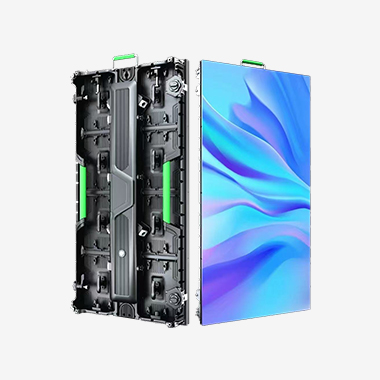
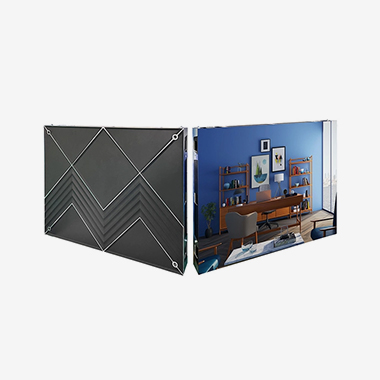
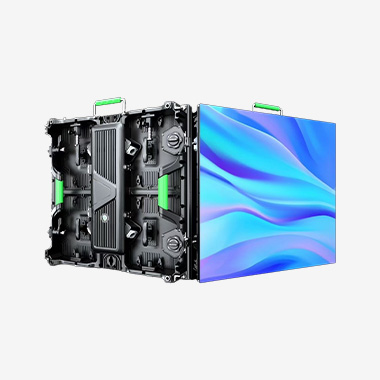
The next phase is module production. LED indoor fixed screens are composed of individual modules, which are small, rectangular panels that contain LED chips, control circuits, and connectors. For custom screens, the modules may be produced in non-standard sizes to fit the overall screen dimensions. The manufacturing process of the modules involves several steps, including PCB (Printed Circuit Board) assembly, LED chip mounting, soldering, and testing. The PCB is the backbone of the module, providing electrical connections between the components. LED chips are mounted onto the PCB using automated equipment to ensure precision and consistency. The modules are then soldered to ensure secure connections, and each module is tested to ensure that all LED chips are functioning correctly and that the module meets the required performance standards.
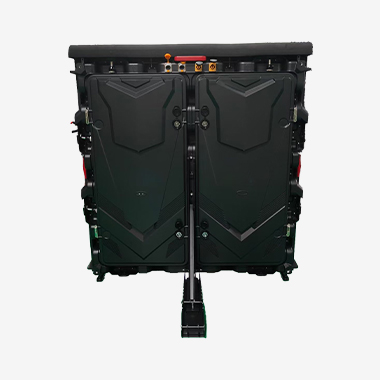
After the modules are produced, they are assembled into the custom screen. The assembly process involves connecting the modules together using specialized connectors, ensuring that they are aligned correctly to create a seamless display. For curved or irregularly shaped screens, the modules may be custom-cut or bent to fit the desired shape, using advanced manufacturing techniques. The mounting system is also assembled during this phase, with the manufacturer designing a custom mounting structure that is compatible with the screen size, weight, and installation location. The mounting structure may be wall-mounted, ceiling-mounted, or floor-standing, depending on the client’s requirements.
Quality control is a critical aspect of the production process for custom size LED indoor fixed screens. Reputable manufacturers implement strict quality control measures at every stage of production to ensure that the final product meets the highest standards of performance, reliability, and durability. During module production, each module is tested for brightness, color accuracy, uniformity, and electrical performance. After assembly, the entire screen is tested to ensure that it displays images correctly, with no dead pixels, color variations, or alignment issues. The screen is also tested for durability, including resistance to dust, moisture, and temperature fluctuations, to ensure that it can withstand the indoor environment. Additionally, the manufacturer may conduct stress tests to simulate long-term use, ensuring that the screen has a long lifespan.
Technical capabilities are a key differentiator for custom size LED indoor fixed screen manufacturers. To produce high-quality custom screens, manufacturers must invest in advanced technology and equipment, including automated LED mounting machines, precision cutting tools, calibration equipment, and testing software. They must also have a team of skilled engineers and technicians with expertise in LED technology, electrical engineering, and mechanical design. This expertise allows manufacturers to tackle complex custom projects, such as curved screens, transparent screens, or screens with irregular shapes. For example, some manufacturers can produce curved LED screens with a radius as small as 1 meter, creating immersive visual experiences for auditoriums and entertainment venues. Others specialize in transparent LED screens, which are ideal for retail stores and hotel lobbies, as they allow natural light to pass through while displaying content.
Another important capability of custom size LED indoor fixed screen manufacturers is their ability to integrate the screen with other AV equipment. Many clients require the custom screen to work seamlessly with their existing AV system, including sound systems, projectors, control panels, and media players. Manufacturers work with the client to ensure that the screen is compatible with these systems, providing the necessary connectors and control interfaces. They may also provide custom software solutions to manage the screen, allowing the client to control content, adjust settings, and monitor performance remotely.
Working with a custom size LED indoor fixed screen manufacturer offers numerous benefits for clients. First and foremost, it provides flexibility. Clients are not limited by predefined screen sizes or configurations, allowing them to create a screen that fits their space perfectly. This is particularly important for spaces with unusual dimensions or architectural features, where standard screens would not be suitable. Custom screens also allow clients to tailor the performance of the screen to their specific needs, whether it’s high resolution for data visualization, high brightness for bright environments, or wide color gamut for creative applications.
Another benefit is aesthetic integration. Custom screens can be designed to match the surrounding architecture, enhancing the visual appeal of the space. For example, a custom screen can be designed to fit into a recessed wall, creating a seamless look, or curved to follow the contour of a room. This level of integration is not possible with standard screens, which often look like an afterthought. Additionally, custom screens can be branded with the client’s logo or colors, making them a valuable marketing tool for retail stores, hotels, and corporate spaces.
Reliability and durability are also key benefits of working with a reputable custom size LED indoor fixed screen manufacturer. Custom screens are produced using high-quality components and strict quality control measures, ensuring that they are reliable and durable. Manufacturers also provide warranties for their custom screens, giving clients peace of mind that their investment is protected. Additionally, custom screens are designed to meet the specific environmental conditions of the installation space, whether it’s a humid hotel lobby or a dry control room, ensuring that they perform consistently over time.
When choosing a custom size LED indoor fixed screen manufacturer, clients should consider several factors. First, they should look for a manufacturer with a proven track record of producing high-quality custom screens for similar applications. This can be verified by reviewing case studies, client testimonials, and references. Second, clients should assess the manufacturer’s technical capabilities, including their ability to handle complex designs, use advanced components, and integrate with other AV systems. Third, clients should consider the manufacturer’s production capacity and lead times, ensuring that they can deliver the custom screen within the required timeframe. Finally, clients should evaluate the manufacturer’s customer support and after-sales service, including warranty offerings, maintenance services, and technical support.
In conclusion, custom size LED indoor fixed screen manufacturers play a vital role in meeting the diverse needs of today’s indoor display market. By leveraging advanced technology, engineering expertise, and flexible production capabilities, they deliver tailored solutions that fit any space, enhance visual experiences, and meet the client’s functional requirements. Working with a custom manufacturer offers clients flexibility, aesthetic integration, reliability, and peace of mind, making it the ideal choice for projects where standard screens are not sufficient. As the demand for personalized indoor display solutions continues to grow, custom size LED indoor fixed screen manufacturers will remain at the forefront of innovation, pushing the boundaries of what’s possible in indoor display technology.


Copyright © 2026 Shenzhen Cogo Technology Co.,Ltd.
All Rights Reserved

 Previous article