Author: sznbone Release date: Jul 24, 2026
With the global advocacy of green environmental protection, energy conservation and emission reduction, and the continuous expansion of urban outdoor LED display scale, the high energy consumption problem of traditional outdoor display equipment has become an important factor restricting the sustainable development of the industry. Traditional large outdoor LED screens have high power consumption, resulting in huge long-term operation energy consumption costs, and also cause certain urban light energy waste and environmental load. The energy-saving low-power LED mesh screen is developed based on green display technology, through innovative structural design, lamp bead optimization, intelligent control and power-saving technology upgrades, which greatly reduces the overall power consumption of the equipment while ensuring high-quality display effects. It has become a green and environmentally friendly mainstream product in the outdoor display industry, meeting the dual needs of project energy-saving operation and urban low-carbon construction.
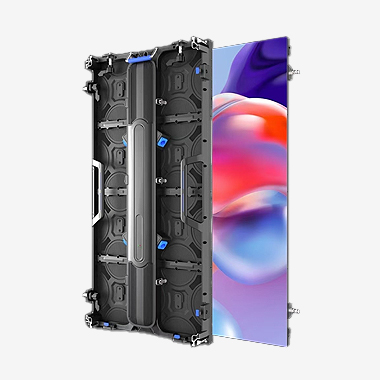
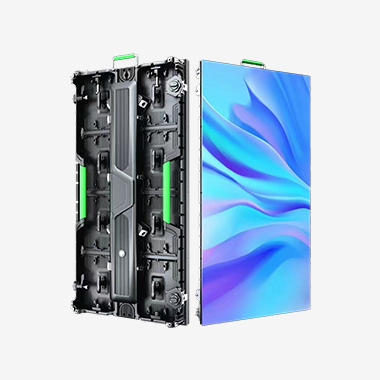
The core energy-saving advantage of the product comes from the innovative hollow mesh structural design, which fundamentally reduces the power consumption of the display screen. Different from the fully covered structure of traditional solid LED screens, the mesh screen adopts a hollow arrangement, which greatly reduces the number of lamp beads per unit area on the premise of ensuring the display effect, and directly reduces the basic power consumption of the equipment by more than 40%. The ultra-fine lamp bead spacing and reasonable pixel distribution design avoid redundant lamp bead configuration, realize efficient energy output, and eliminate the long-term invalid power consumption of traditional display equipment. At the same time, the hollow structure has good air permeability and heat dissipation performance, which can realize natural air cooling heat dissipation, reduce the power consumption of heat dissipation fans and cooling systems, and further reduce the overall energy consumption of the equipment.
In terms of core component optimization, energy-saving LED mesh screens adopt high-efficiency energy-saving lamp beads and low-power driving chips. The customized high-brightness low-power LED lamp beads have high light efficiency conversion rate, which can output higher brightness with lower power consumption, and the photoelectric conversion efficiency is increased by more than 35% compared with ordinary lamp beads. The imported low-power IC driving chips have low standby power consumption and high operating efficiency, which can intelligently adjust the driving current according to the display picture brightness, avoid constant high-power operation, and realize dynamic energy saving. Under the same display brightness and picture effect, the power consumption of the whole machine is far lower than that of traditional LED display products, and the energy-saving effect is extremely significant in long-term continuous operation.
The product is equipped with an intelligent energy-saving control system to realize multi-dimensional precise energy-saving management. The built-in light sensor can real-time monitor the external ambient light intensity, and automatically adjust the screen brightness and operating power according to the light changes. In strong sunlight during the day, the screen is intelligently adjusted to high brightness to ensure clear display; in weak light environment at night, the brightness is automatically reduced to avoid excessive power consumption and light pollution, realizing adaptive energy saving throughout the day. In addition, the system supports timed power-off, standby energy saving, partition power saving and other functions. It can automatically turn off the screen or enter low-power standby state during idle periods such as late night, and independently adjust the power consumption of different display areas according to the playback content, maximizing the reduction of invalid energy consumption.
In terms of heat dissipation and energy saving, the unique breathable mesh structure of the LED mesh screen creates a natural heat dissipation channel for the equipment. Traditional solid LED screens rely on external fans or air-conditioning equipment for heat dissipation, which consumes a lot of additional electric energy. The mesh screen can realize rapid air circulation and natural heat dissipation through the hollow structure, without supporting heat dissipation equipment, completely saving the energy consumption of the heat dissipation system. The excellent heat dissipation performance also ensures that the equipment will not generate high temperature heat accumulation during long-term operation, avoiding performance attenuation and power consumption increase caused by high temperature of electronic components, and maintaining stable low-power operation state for a long time.
The economic and environmental benefits of energy-saving low-power LED mesh screens are extremely prominent. For large-scale outdoor advertising projects and urban night scene lighting projects that operate 24 hours a day, the use of energy-saving mesh screens can save more than 50% of electricity costs every year, greatly reducing the long-term operation and maintenance costs of the project. For municipal engineering projects, it can effectively reduce urban public energy consumption, help urban low-carbon environmental protection construction, and meet the national energy-saving emission reduction policy requirements. At the same time, low-power operation reduces the load of the power system, reduces equipment aging speed, extends the service life of the display screen, and further improves the comprehensive economic benefits of the project.
In short, energy-saving low-power LED mesh screens rely on structural innovation, component optimization and intelligent control technology to achieve efficient green energy saving without sacrificing display quality. It solves the pain point of high energy consumption of traditional outdoor display equipment, has significant economic and environmental benefits, and is the preferred green display product for modern urban outdoor engineering projects.


Copyright © 2026 Shenzhen Cogo Technology Co.,Ltd.
All Rights Reserved

 Previous article