Author: sznbone Release date: Mar 19, 2026
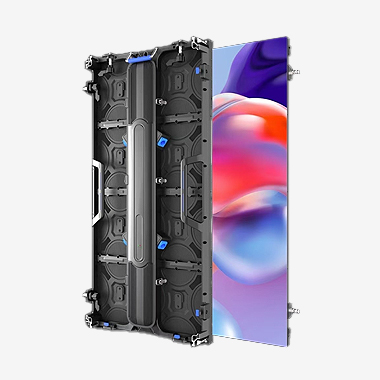
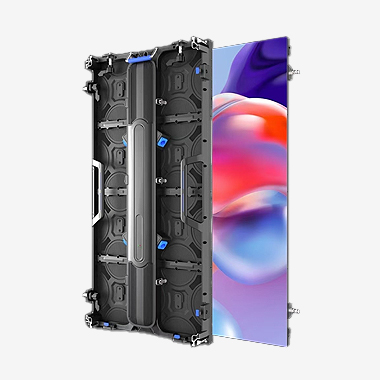
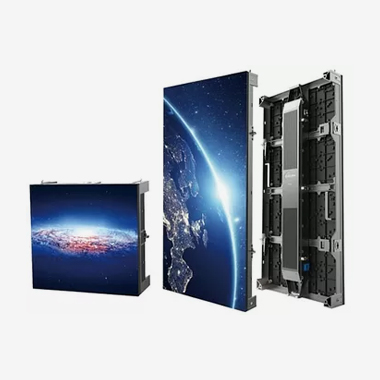
High temperature resistant LED outdoor fixed screens are specialized display solutions designed to operate reliably in extreme heat environments, such as deserts, tropical regions, and industrial areas where temperatures can exceed 50°C for extended periods. Traditional outdoor LED screens often struggle in high-temperature conditions, as excessive heat can cause component failure, reduced brightness, color distortion, and shortened lifespan. High temperature resistant LED screens address these challenges through advanced design, materials, and cooling technologies, ensuring stable performance even in the harshest heat conditions.
The core of high temperature resistant LED outdoor fixed screens is their advanced heat dissipation system, which is designed to efficiently remove heat generated by the LED chips and other components. LED chips produce a significant amount of heat during operation, and in high-temperature environments, this heat can accumulate quickly, leading to overheating. To combat this, these screens use a combination of active and passive cooling technologies. Passive cooling technologies include heat sinks made of high thermal conductivity materials such as aluminum or copper, which absorb heat from the LED modules and dissipate it into the surrounding air. Active cooling technologies, such as high-efficiency fans or liquid cooling systems, are used in larger screens or extremely high-temperature environments to enhance heat dissipation. Liquid cooling systems are particularly effective, as they can remove heat more efficiently than air cooling, ensuring that the screen remains at a stable operating temperature even in temperatures above 60°C.
The materials used in high temperature resistant LED screens are carefully selected to withstand extreme heat. The enclosure of the screen is made of heat-resistant materials such as aluminum alloy or stainless steel, which have high thermal stability and do not deform or degrade at high temperatures. The LED modules are equipped with heat-resistant PCBs (Printed Circuit Boards) and components, which are designed to operate reliably at temperatures up to 80°C. Additionally, the LED chips themselves are selected for their high temperature tolerance—advanced LED chips can operate at junction temperatures of up to 120°C, ensuring that they do not fail or degrade in extreme heat.
Brightness and color stability are critical performance factors for high temperature resistant LED screens. Excessive heat can cause traditional LED screens to dim or experience color distortion, as the LED chips’ performance degrades at high temperatures. High temperature resistant screens address this issue through temperature compensation technology, which adjusts the brightness and color parameters of the screen based on the operating temperature. This technology ensures that the screen maintains consistent brightness and color accuracy even as the surrounding temperature changes. Additionally, these screens use high-quality LED chips with narrow wavelength ranges, which provide stable color reproduction and resistance to thermal degradation.
Durability is another key feature of high temperature resistant LED outdoor fixed screens. In addition to heat resistance, these screens are designed to withstand other harsh environmental factors, such as dust, sand, rain, and UV radiation. They have an IP65 or higher rating, ensuring that they are dust-tight and protected against water jets. The enclosure is sealed to prevent dust and sand from entering, which can cause component failure in high-temperature, dry environments. The LED modules are also coated with a UV-resistant layer, which prevents color fading and degradation caused by prolonged exposure to sunlight.
Applications of high temperature resistant LED outdoor fixed screens are diverse, spanning multiple industries and environments. In desert regions, these screens are used for outdoor advertising, wayfinding, and public information displays, where temperatures can reach 50°C to 70°C during the day. In industrial areas, such as steel mills, refineries, and power plants, these screens are used for monitoring and displaying real-time data, as the high temperatures and harsh conditions make traditional displays unsuitable. They are also used in tropical regions, where high temperatures and humidity can damage standard LED screens. Additionally, high temperature resistant LED screens are used in outdoor events and installations in hot climates, such as music festivals, sports events, and theme parks, ensuring that the displays remain operational throughout the event.
The installation of high temperature resistant LED outdoor fixed screens requires specialized knowledge and equipment. The screen must be mounted in a location that allows for adequate air circulation, as this is essential for effective heat dissipation. In some cases, the screen may be installed with a gap between the enclosure and the mounting structure to allow air to flow freely. The power supply and control system must also be designed to withstand high temperatures, with components rated for use in extreme heat environments. Additionally, the installation must comply with local safety regulations, particularly in industrial areas where there may be additional hazards.
Maintenance of high temperature resistant LED screens is relatively low, thanks to their durable design and advanced cooling systems. However, regular inspections are recommended to ensure that the heat dissipation system is functioning properly, and that there is no dust or debris accumulation on the heat sinks or fans. The LED modules should also be checked periodically for signs of damage or degradation, and any faulty modules should be replaced promptly. Additionally, the screen’s control system should be updated regularly to ensure that the temperature compensation technology is functioning correctly.
From a technological perspective, ongoing innovations are improving the performance and efficiency of high temperature resistant LED outdoor fixed screens. The development of more efficient LED chips with higher thermal tolerance is reducing the amount of heat generated, making cooling systems more effective. Advances in liquid cooling technology are also enhancing heat dissipation, allowing screens to operate in even higher temperatures. Additionally, the integration of IoT technologies enables remote monitoring of the screen’s temperature and performance, allowing operators to identify and resolve issues before they affect the screen’s operation. These innovations are expanding the range of applications for high temperature resistant LED screens, making them an essential solution for extreme heat environments.
In conclusion, high temperature resistant LED outdoor fixed screens are a critical display solution for environments where extreme heat poses a challenge to traditional LED screens. Through advanced heat dissipation technologies, heat-resistant materials, and temperature compensation systems, these screens deliver stable, reliable performance even in temperatures above 50°C. Their durability, versatility, and low maintenance requirements make them ideal for a wide range of applications, from desert advertising to industrial monitoring. As technology continues to advance, high temperature resistant LED screens will become even more efficient and capable, further expanding their use in extreme heat environments around the world.


Copyright © 2026 Shenzhen Cogo Technology Co.,Ltd.
All Rights Reserved

 Previous article