




 Chat Now
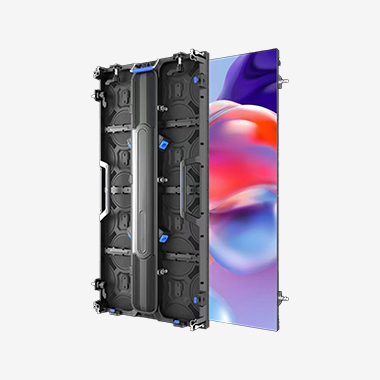
Slim LED poster display walls are ultra-thin digital advertising solutions engineered to maximize visual impact while minimizing space usage—filling a critical gap between bulky traditional LED displays and static paper posters. Defined by a thickness of just 2–8cm (far slimmer than standard LED posters’ 10–15cm), these displays retain the vividness of LED technology while blending seamlessly into retail windows, restaurant entrances, mall kiosks, and transit hubs—key advertising locations where space is premium.
Typically ranging from 0.3m² to 3m² with pixel pitches of P1.8–P5 (enabling 1080p to 4K resolution), they target 1–5 meter viewing distances, making them ideal for close-range advertising (e.g., product promotions, limited-time offers). Key traits include 2,000–5,000 nits brightness (adjustable for indoor/outdoor shaded use), IP54–IP65 ingress protection (resisting dust and light rain), and lightweight construction (1.5–4kg/m²)—allowing easy mounting on walls, glass surfaces, or freestanding stands.
Adoption is driven by the advertising industry’s shift to “space-efficient storytelling”: 68% of retailers report that slim LED posters attract more attention than bulky displays, as they don’t obscure storefront visibility or crowd small spaces. Market data shows the slim LED poster segment growing at 30% annually, with Asia-Pacific leading due to dense urban retail environments. These displays are more than advertising tools—they’re aesthetically pleasing, space-saving assets that help brands deliver targeted messages without compromising on visual appeal.
Design centers on three core goals: ultra-thin form factor, structural integrity, and advertising-specific functionality—critical for balancing slimness with durability and performance.
Core Design for Slimness:
Component Miniaturization: Use of mini-SMD RGB LEDs (1.5–2.5mm die size) and ultra-thin PCBs (0.6–0.8mm thick) reduces module thickness. PCBs are made of flexible FR4 material (for curved models) or rigid glass-reinforced epoxy (for flat designs), ensuring slimness without sacrificing strength.
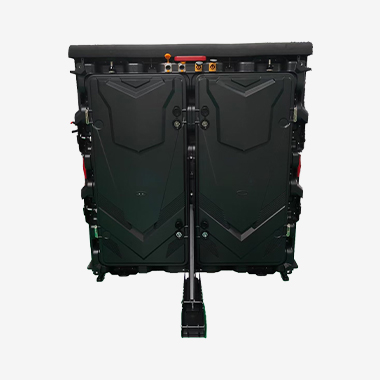
Integrated Power/Control: Power supplies and controllers are embedded within the frame (instead of external boxes), cutting overall thickness. Some models use distributed power—small 5V DC modules integrated into each LED panel—eliminating bulky central PSUs.
Durability & Aesthetics:
Enclosures: Ultra-slim aluminum alloy frames (2–8cm thick) provide structural support while maintaining slimness. Frames are anodized or powder-coated in neutral colors (black, white, silver) to blend with any environment—critical for retail windows where branding consistency matters.
Front Panel: 2–3mm thick anti-reflective (AR) polycarbonate or tempered glass (for outdoor models) protects LEDs while reducing glare. AR coating cuts reflection by 35%, ensuring content visibility in bright lighting—key for storefront advertising.
Mounting & Portability:
Mounting Options: Magnetic brackets (for glass surfaces), adhesive pads (for wall mounting), or lightweight foldable stands (for freestanding use) avoid drilling or permanent installation—ideal for temporary advertising campaigns.
Transport: Panels fold or roll (for flexible models) into compact cases (0.5m x 0.3m x 0.1m for a 1m² poster), lowering shipping costs and storage space.
Manufacturing includes 400-hour temperature cycle tests (0°C to 60°C) and flatness checks (variation <0.5mm) to ensure the slim design doesn’t compromise performance. Thickness is rigorously controlled during assembly—each component is precision-placed to avoid bulges, ensuring a uniform, sleek finish.
Functionality relies on four systems optimized for slimness, efficiency, and targeted advertising—ensuring vivid content delivery without bulky components:
1. LED Illumination: Mini-SMD RGB LEDs generate light via electroluminescence—red (620–660nm), green (520–560nm), blue (440–480nm) dies emit light when 5V DC current passes through. Pulse-width modulation (PWM) at 800Hz+ adjusts current intensity to create 16.7 million colors, ideal for vibrant advertising content (e.g., product close-ups, sale banners). 2,000–5,000 nits brightness is calibrated to cut through ambient light (500–10,000 lux) while AR coating ensures clarity for viewers 1–5 meters away.
2. Power Distribution: Distributed power modules (each 5–10W) integrated into LED panels convert 110V/220V AC to 5V DC. Thin copper traces (0.1mm thick) on ultra-thin PCBs minimize voltage drop (<1%) across the display, while overload protection prevents damage from power surges—critical for retail environments with variable electrical stability.
3. Content Processing:
Mini-Controller: A chip-sized controller (1cm x 2cm) embedded in the frame processes 1080p/4K content, scaling it to fit the poster’s resolution. It supports wireless connectivity (Wi-Fi 6, Bluetooth 5.0) for remote updates—advertisers can upload new campaigns via smartphone apps in minutes.
Advertising-Specific Software: Apps (e.g., Samsung MagicInfo, LG SuperSign) include scheduling tools (e.g., “run coffee ads 7–11 AM, pastry ads 11 AM–5 PM”) and analytics (view counts, engagement time) to measure campaign effectiveness—key for advertising ROI tracking.
4. Environmental Adaptation:
Light sensors adjust brightness (2,000–5,000 nits) based on ambient light—dimming in low-light stores to save energy (30–40% reduction) and brightening in sun-facing windows. For outdoor shaded models, humidity sensors activate a moisture barrier to protect PCBs from light rain, extending lifespan to 7–10 years.
Advantages:
Space Efficiency: Ultra-thin (2–8cm) and lightweight (1.5–4kg/m²) designs fit in tight spaces—retail windows, narrow restaurant entrances, or transit hub kiosks—without obscuring visibility. A clothing store using a 5cm-thick LED poster in its window reports 20% higher foot traffic, as the slim design doesn’t block views of merchandise inside.
Aesthetic Appeal: Sleek, uniform frames blend with any environment—brands can match frame colors to store interiors or leave them neutral for versatile use. Unlike bulky displays, slim posters enhance rather than detract from the surrounding space, making them ideal for high-end retail or luxury hospitality advertising.
Cost-Effective Advertising: Eliminates recurring costs of static posters (printing, replacement—(500–)1,500 per campaign) while being more affordable than large LED walls. A café running weekly menu updates saves ~$6,000 over 3 years vs. paper menus. Slim design also reduces shipping/storage costs (50% less than standard LED posters).
Targeted Campaigns: Wireless updates and scheduling tools let advertisers deliver time-sensitive content (e.g., “happy hour 4–7 PM”) or location-specific messages (e.g., “store-specific sales”). Analytics track which campaigns drive the most engagement, enabling data-driven optimization.
Challenges:
Higher Upfront Cost: (800–)3,500 per unit (20–30% more than standard LED posters) due to miniaturized components— a barrier for small businesses, though rental options ((150–)400 per month) are expanding.
Heat Management Risks: Slim design limits passive cooling—7,000+ nits models may overheat in direct sunlight, requiring low-noise fans (adding 1–2cm to thickness) or brightness dips to prevent damage.
Limited Outdoor Use: Most slim models are for indoor/shaded outdoor use (IP54); IP65 outdoor versions are thicker (6–8cm) and cost 40% more, limiting their versatility for fully exposed advertising.
Content Resolution Demands: Slim posters’ high resolution (1080p/4K) amplifies low-quality content flaws (e.g., blurry images)—advertisers need professional design tools ((300–)800 per campaign), adding to costs.
Applications:
Retail Storefronts: Fashion, electronics, and grocery stores use 0.5–1.5m² slim posters (P2.5–P3) in windows to promote sales (e.g., “Black Friday—Up to 50% Off”) or new arrivals. Magnetic mounting on glass windows avoids damage, while slimness ensures merchandise inside remains visible.
Hospitality Venues: Restaurants, cafes, and hotels use 0.3–1m² models (P1.8–P2.5) for menu boards, event announcements (e.g., “Wedding Open House This Weekend”), or loyalty program promotions. Adhesive mounting on walls saves space in small dining areas.
Transit Hubs: Airports, train stations, and bus stops use 1–3m² slim posters (P3–P5) for travel ads (e.g., “Flight Deals to Paris”) or service updates. Freestanding slim stands fit in narrow walkways without crowding commuters.
Pop-Up & Temporary Ads: Brands use rental slim posters for short-term campaigns (e.g., product launches, festival sponsorships). Foldable designs and easy mounting make them ideal for pop-up shops or outdoor markets, where permanent displays are impractical.
Future Trends:
Flexible Slim Models: Foldable or rollable slim posters (thickness <3cm) will let advertisers mount them on curved surfaces (e.g., store pillars, rounded kiosks)—expanding design possibilities for non-flat spaces.
Solar-Powered Integration: Thin-film solar panels (0.1mm thick) embedded in the frame will power indoor slim posters (via batteries), reducing grid reliance—ideal for eco-friendly brands or areas with unstable electricity.
AI-Driven Personalization: AI will analyze foot traffic, weather, or time of day to deliver tailored ads—e.g., a sunscreen brand ad on sunny days, or a hot drink ad on cold mornings. AI will also auto-optimize content resolution to fit the poster’s size, reducing design burdens.
Touch-Interactive Features: Ultra-thin touch sensors (0.5mm thick) will be added to slim posters—letting customers “tap to save a coupon” or “swipe to view more products.” This bridges digital and physical advertising, boosting engagement by 40% (per industry studies).
Conclusion
Slim LED poster display walls for advertising have redefined space-efficient digital signage, offering brands a way to deliver vivid, targeted campaigns without sacrificing aesthetics or valuable space. Their ultra-thin design, easy mounting, and cost-effective operation address key pain points in modern advertising—from crowded retail windows to narrow transit hubs—making them a staple for retailers, hospitality venues, and transit operators.
While upfront costs and outdoor limitations exist, these barriers are fading: flexible designs expand use cases, solar integration cuts long-term costs, and AI simplifies content creation. As the advertising industry continues to prioritize “less clutter, more impact,” slim LED posters are no longer a niche solution but a mainstream tool for brands aiming to connect with audiences in space-constrained environments.
Looking ahead, interactive and AI-driven features will turn slim LED posters into even more powerful advertising assets—blending data-driven personalization with sleek design. They’ll not only display ads but also engage customers, measure campaign success, and adapt to changing environments—solidifying their role as a cornerstone of modern, space-efficient advertising. For brands seeking to make a lasting impression without overwhelming their audience, slim LED poster display walls represent a smart, future-proof investment.


Copyright © 2026 Shenzhen Cogo Technology Co.,Ltd.
All Rights Reserved

 Previous article