




 Chat Now
In the ever - evolving landscape of visual display technology, high - resolution LED wall display walls have emerged as a revolutionary force, redefining the standards of visual clarity and immersive experiences. These display walls leverage cutting - edge LED technology to deliver an unparalleled level of detail, sharpness, and color accuracy, making them an ideal choice for a wide range of applications where visual quality is of utmost importance.
At the core of high - resolution LED wall display walls is the precise arrangement and operation of light - emitting diodes (LEDs). By utilizing a high density of small - sized LEDs with a narrow pixel pitch, these walls can display images and videos with an extremely high number of pixels, resulting in ultra - clear visuals. The combination of red, green, and blue (RGB) LEDs allows for the reproduction of a vast spectrum of colors, enabling the creation of lifelike and vibrant displays that can captivate audiences and convey information with exceptional precision.
The growing demand for high - resolution LED wall display walls can be attributed to several factors. Firstly, the increasing expectations of audiences in various fields, such as entertainment, advertising, and corporate communication, have driven the need for more visually stunning and detailed displays. In an era where consumers are exposed to high - quality content on their personal devices, they now expect the same level of clarity and detail in public displays. High - resolution LED walls meet these expectations, providing a viewing experience that is on par with, or even surpasses, that of traditional high - definition displays.
Secondly, advancements in LED manufacturing technology have made high - resolution displays more feasible and cost - effective. Over the years, continuous research and development efforts have led to the production of smaller, more efficient LEDs, as well as improvements in the manufacturing processes for assembling LED modules. These advancements have not only reduced the cost of high - resolution LED wall display walls but also enhanced their reliability and lifespan, making them more accessible to a wider range of users.
Moreover, the versatility of high - resolution LED wall display walls makes them suitable for a diverse range of applications. They can be used in indoor and outdoor settings, for permanent installations or temporary events. Whether it's a large - scale concert, a corporate boardroom presentation, or a high - end retail store display, high - resolution LED walls can adapt to different environments and requirements, providing a flexible and powerful visual solution.
The design and construction of high - resolution LED wall display walls are highly specialized processes that require a meticulous approach to ensure optimal visual performance, reliability, and durability. The design phase begins with a comprehensive assessment of the intended application, including the viewing distance, the size of the audience, the available space, and the specific content to be displayed.
One of the primary design considerations is the pixel pitch, which is the distance between adjacent pixels on the display. For high - resolution displays, a pixel pitch of 3mm or less is typically used. A smaller pixel pitch allows for a higher pixel density, resulting in a more detailed and sharper image. However, a smaller pixel pitch also increases the cost and complexity of the display wall, as it requires more LEDs and more precise manufacturing processes. The choice of pixel pitch depends on factors such as the viewing distance and the level of detail required for the content. For applications where the display will be viewed from a close distance, such as in a corporate meeting room or a retail store, a pixel pitch of 1 - 2mm may be preferred to ensure maximum clarity. For larger venues with greater viewing distances, a slightly larger pixel pitch, such as 2 - 3mm, may still provide an acceptable level of resolution while keeping the cost in check.
The size and shape of the high - resolution LED wall are also carefully determined during the design process. The size needs to be appropriate for the available space and the viewing requirements. In some cases, custom - shaped displays may be designed to fit unique architectural spaces or to create a distinctive visual effect. The shape of the display can range from traditional rectangular or square forms to more complex shapes, such as curves or irregular polygons. However, non - standard shapes require more complex engineering and calibration to ensure consistent visual quality across the entire display.
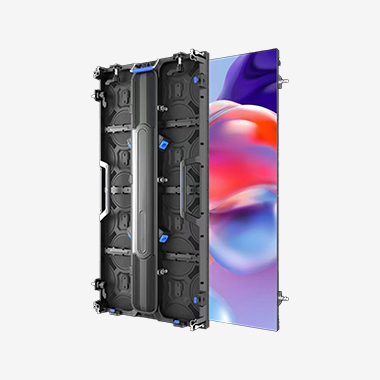
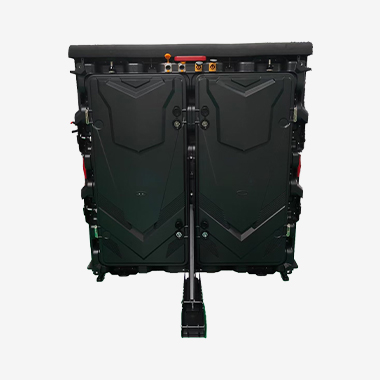
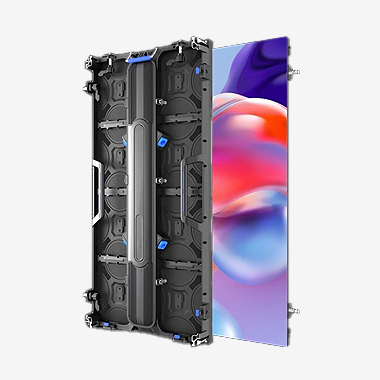
In terms of construction, high - resolution LED wall display walls typically adopt a modular design. The display is composed of individual LED modules, which are carefully assembled and connected to form the larger wall. Each module contains a matrix of LEDs and the necessary circuitry for controlling their operation. The modular design offers several advantages, including easy installation, maintenance, and scalability. If a particular module malfunctions, it can be easily replaced without having to disassemble the entire display wall. The frames of the display wall are usually made from sturdy materials such as aluminum alloy, which provides both structural integrity and a sleek, professional appearance.
The enclosure of the high - resolution LED wall is designed to protect the internal components from environmental factors, especially for outdoor installations. Outdoor display walls are constructed using durable materials that offer excellent resistance to water, dust, impact, and corrosion. Special sealing techniques are employed to ensure that the internal components, including the LED modules, control systems, and power supplies, are well - protected. Efficient heat - dissipation systems, such as heat sinks, fans, or liquid - cooling mechanisms, are integrated into the design to manage the heat generated by the high - density LEDs, preventing overheating and ensuring optimal performance.
For indoor display walls, while the environmental protection requirements are less stringent, the design still focuses on aesthetics and integration with the surrounding space. The enclosure may be designed to blend seamlessly with the interior decor, using materials and finishes that complement the overall design of the venue.
The electrical and data connections within the display wall are carefully engineered for reliability and seamless operation. High - quality cables and connectors are used to transmit power and data between the modules and the control system. The control system, which includes media servers, control cards, and software, manages the display of content, adjusts the brightness and color, and synchronizes the operation of the entire wall. Many modern high - resolution LED wall display walls also support wireless connectivity, allowing for remote control and content management, which provides greater flexibility during operation.
The working principles of high - resolution LED wall display walls are based on the fundamental operation of LED technology, combined with advanced digital signal processing and control systems, all aimed at delivering the highest level of visual quality.
The process begins with the creation and preparation of the digital content, which can include high - definition images, videos, animations, and data visualizations. This content is typically created using professional graphic design software, video editing tools, and content management systems. Once the content is ready, it is transferred to a media server or a computer that is connected to the LED wall display.
The media server serves as the central hub for content management. It receives the digital files, processes them to ensure compatibility with the display wall's control system, and optimizes the visual quality. The server can perform tasks such as video compression, color correction, and content formatting to ensure smooth playback and accurate representation of the content on the high - resolution display. In the case of high - resolution content, the media server may also need to handle large amounts of data, requiring powerful processing capabilities and sufficient storage space.
The control system of the LED wall display, consisting of control cards and software, plays a crucial role in the operation of the display. The control cards receive the processed data from the media server and convert it into electrical signals. These electrical signals are then transmitted to the individual LED modules within the display wall. Each LED in the module is individually addressable, and the control system precisely regulates the current flowing through each LED, determining its brightness and color.
To display the content, the control system employs pulse - width modulation (PWM) technology. PWM rapidly switches the LEDs on and off at a high frequency, adjusting the duration for which each LED is on to control its brightness. By precisely controlling the PWM signals for the red, green, and blue LEDs, the control system can create a vast array of colors and shades, resulting in high - quality images and videos that accurately represent the intended content. In high - resolution displays, the control system needs to have a high - precision timing mechanism to ensure that each LED is controlled accurately, as even a small deviation can affect the overall visual quality.
In addition to controlling the LEDs, the control system also manages the synchronization of the entire display wall. This is essential to ensure that all the LED modules update simultaneously, preventing any visual artifacts or flickering that could disrupt the viewing experience. The control system can interface with other external devices, such as sensors for ambient light monitoring or audience engagement analytics tools. For example, ambient light sensors can detect the surrounding light levels and send signals to the control system, which can then automatically adjust the brightness of the display wall to ensure optimal visibility while also conserving energy.
Furthermore, modern high - resolution LED wall display walls often support advanced features such as 4K and 8K resolution playback, HDR (High Dynamic Range) support, and wide - color gamut. These features require additional processing and control capabilities from the media server and control system to ensure that the content is displayed with the highest level of detail, contrast, and color accuracy.
High - resolution LED wall display walls offer a multitude of advantages that make them a preferred choice for many applications. One of the most significant advantages is the exceptional visual quality they provide. With a high pixel density and precise color reproduction, these displays can show images and videos with an unprecedented level of detail, sharpness, and clarity. This is particularly beneficial for applications such as fine art exhibitions, where the details of paintings and sculptures need to be accurately represented, or for medical imaging displays, where precise visualization of anatomical structures is crucial.
Another major advantage is the immersive viewing experience they create. The high - resolution visuals can draw the audience in and make them feel more engaged with the content. In entertainment applications, such as movie theaters or live event broadcasts, high - resolution LED walls can provide a more cinematic and immersive experience, enhancing the overall enjoyment of the audience. In corporate settings, they can make presentations more impactful, as complex data visualizations and detailed images can be clearly communicated to the audience.
In terms of versatility, high - resolution LED wall display walls can adapt to a wide range of content types and formats. They can display everything from static images and text to high - definition videos and interactive graphics. The ability to update the content in real - time also allows for dynamic and flexible communication, enabling users to quickly adapt to changing needs and circumstances.
However, high - resolution LED wall display walls also face several challenges. One of the main challenges is the high cost. The production of high - resolution displays requires more advanced manufacturing techniques, smaller and more precise LEDs, and more complex control systems. These factors contribute to a significantly higher price tag compared to lower - resolution displays. The initial investment for purchasing, installing, and setting up a high - resolution LED wall can be a substantial financial burden for many organizations, especially smaller businesses or those with limited budgets.
Another challenge is the technical complexity involved in operation and maintenance. High - resolution displays require more powerful media servers and control systems to handle the large amounts of data and ensure smooth playback. Setting up and calibrating these systems requires specialized knowledge and skills. Additionally, any technical issues, such as faulty LED modules, data transmission problems, or software glitches, can be more difficult to diagnose and repair due to the complexity of the system. This may require trained technicians and potentially more expensive maintenance services.
The power consumption of high - resolution LED wall display walls can also be a concern. The high density of LEDs and the need to drive them at high brightness levels to achieve the desired visual quality can result in relatively high power consumption. This not only increases the operating costs but also raises environmental considerations, especially for large - scale installations that operate for long hours.
High - resolution LED wall display walls have a wide range of applications across various industries. In the entertainment industry, they are used in movie theaters, concert halls, and sports stadiums. In movie theaters, high - resolution LED walls can provide a more immersive viewing experience, with sharper images and more accurate color reproduction. In concert halls and sports stadiums, they can display high - definition live footage, artist images, and event information, enhancing the overall atmosphere and engagement of the audience.
In the advertising industry, high - resolution LED walls are used for large - scale billboards, digital signage in shopping malls and streets, and in - store displays. The high - quality visuals can effectively capture the attention of passersby and consumers, delivering advertising messages with greater impact. The ability to display high - definition videos and detailed product images can also enhance the effectiveness of product promotions.
In the corporate world, high - resolution LED wall display walls are used for boardroom presentations, corporate events, and training sessions. They can display high - resolution data visualizations, detailed product designs, and video conferencing feeds, making meetings and presentations more engaging and effective. They can also be used to display company information, news, and achievements, enhancing internal communication and corporate branding.
In the healthcare industry, high - resolution LED walls are used for medical imaging displays, such as for viewing X - rays, CT scans, and MRIs. The high level of detail and accuracy provided by these displays can assist medical professionals in making more accurate diagnoses and treatment decisions.
Looking to the future, several trends are expected to shape the development of high - resolution LED wall display walls. One trend is the continued improvement in resolution, with the development of micro - LED and mini - LED technologies. These technologies have the potential to further reduce the pixel pitch and increase the pixel density, leading to even higher resolutions, such as 16K and beyond. This will enable the creation of even more detailed and immersive visual experiences.
Another trend is the integration of artificial intelligence (AI) and machine learning (ML) technologies. AI - powered systems could analyze the content being displayed and automatically adjust the display settings, such as brightness, contrast, and color, to optimize the visual quality. ML algorithms could also be used to predict and prevent potential technical issues, improving the reliability and maintenance of the display walls.
The integration of augmented reality (AR) and virtual reality (VR) with high - resolution LED walls is also a promising area. AR could be used to overlay digital information onto the physical world, creating interactive and immersive experiences. VR could be used to create virtual environments that are displayed on the LED wall, providing a more immersive and engaging experience for the audience.
Furthermore, the growing focus on sustainability will drive the development of more energy - efficient high - resolution LED wall display walls. This includes the development of more efficient LEDs, better power management systems, and the use of renewable energy sources to power the displays.
Conclusion
High - resolution LED wall display walls have become an essential and powerful tool in various industries, offering exceptional visual quality, immersive viewing experiences, and versatility. Despite the challenges of high cost, technical complexity, and power consumption, their numerous advantages have led to their widespread adoption in applications ranging from entertainment and advertising to corporate communication and healthcare.
As technology continues to evolve, the future of high - resolution LED wall display walls looks extremely promising. The integration of advanced technologies such as micro - LED, mini - LED, AI, AR, VR, and the focus on sustainability will open up new possibilities for creative and effective visual communication. These display walls will continue to play a crucial role in shaping the way we experience and interact with visual content, providing more immersive, engaging, and impactful experiences for audiences around the world.


Copyright © 2026 Shenzhen Cogo Technology Co.,Ltd.
All Rights Reserved

 Previous article